19 Foods a Chef Says You Should Always Freeze

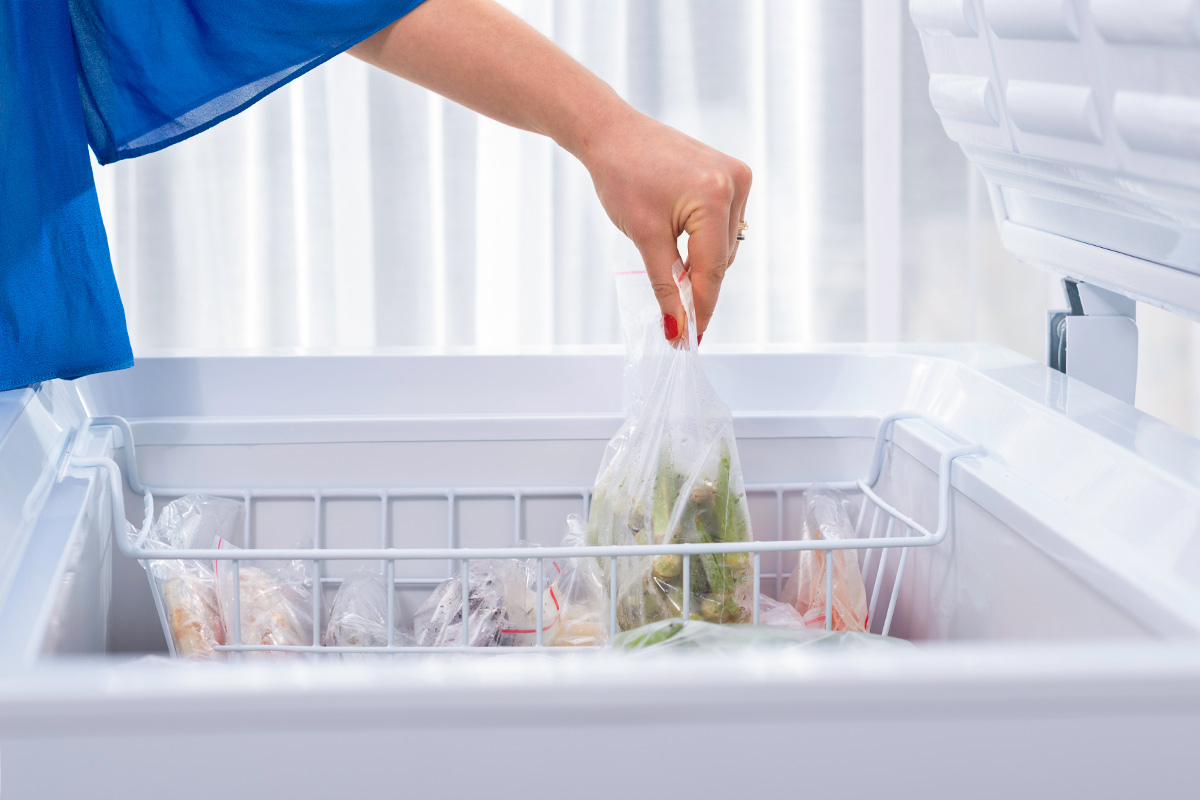
Food storage can be confusing. There are a lot of factors to consider to keep food at its best for as long as possible: Timing, temperature, humidity, and even the container you use can make a difference. Food poisoning is a concern, of course, but so is food waste — especially in times like these, when grocery prices are high. What people often overlook is that freezing can be the best way to keep food until you’re ready to use it. Here are 19 foods that I, as a former chef and food safety trainer, think should always be frozen.
Note: I’ve provided some information about how long foods will keep in the freezer. Foods kept at 0 degrees Fahrenheit will remain food-safe indefinitely; the span provided here indicates how long each food can reasonably be expected to preserve its quality. (With some exceptions, the expiration or “best by” dates provided on packaging typically indicate when it’s at peak quality, not that a food will be unsafe after that date.) Foods that are vacuum-sealed can last significantly longer, as long as the seal holds.
Fresh Ginger, Turmeric, and Galangal
How long it will keep in the freezer: Six months
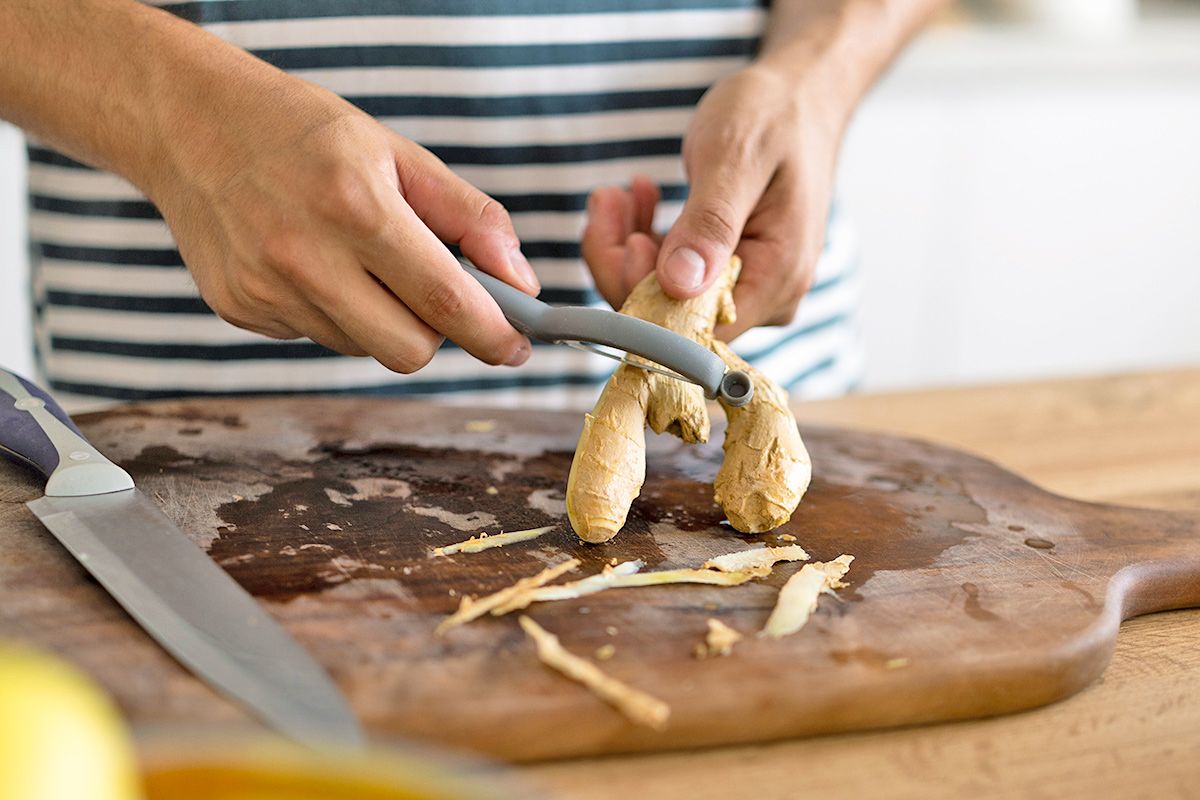
Fresh ginger is a big favorite in my household, but we rarely use the whole hand of ginger before it starts to dry and shrivel. That’s why I like to keep it in a plastic bag in my freezer door, where it’s easily accessible. You don’t need to thaw it before you use it. Just pull it out and slice it with a sharp knife or grate it, skin and all, before putting the rest back in your freezer. (I usually use a microplane zester, like this one at Amazon, but a plain old box grater will do.) Chef tip: If you don’t want to eat the skin, don’t sweat peeling it; just use a spoon to scrape it away. Fresh or frozen, it’ll come off easily.
Ginger’s cousins, turmeric and galangal, can also be kept in the freezer. They’re harder to find than ginger and often cost more, so freezing them is a great way to protect your investment.
Specialty Flours
How long it will keep in the freezer: Six months (whole grain), one year or more (white)
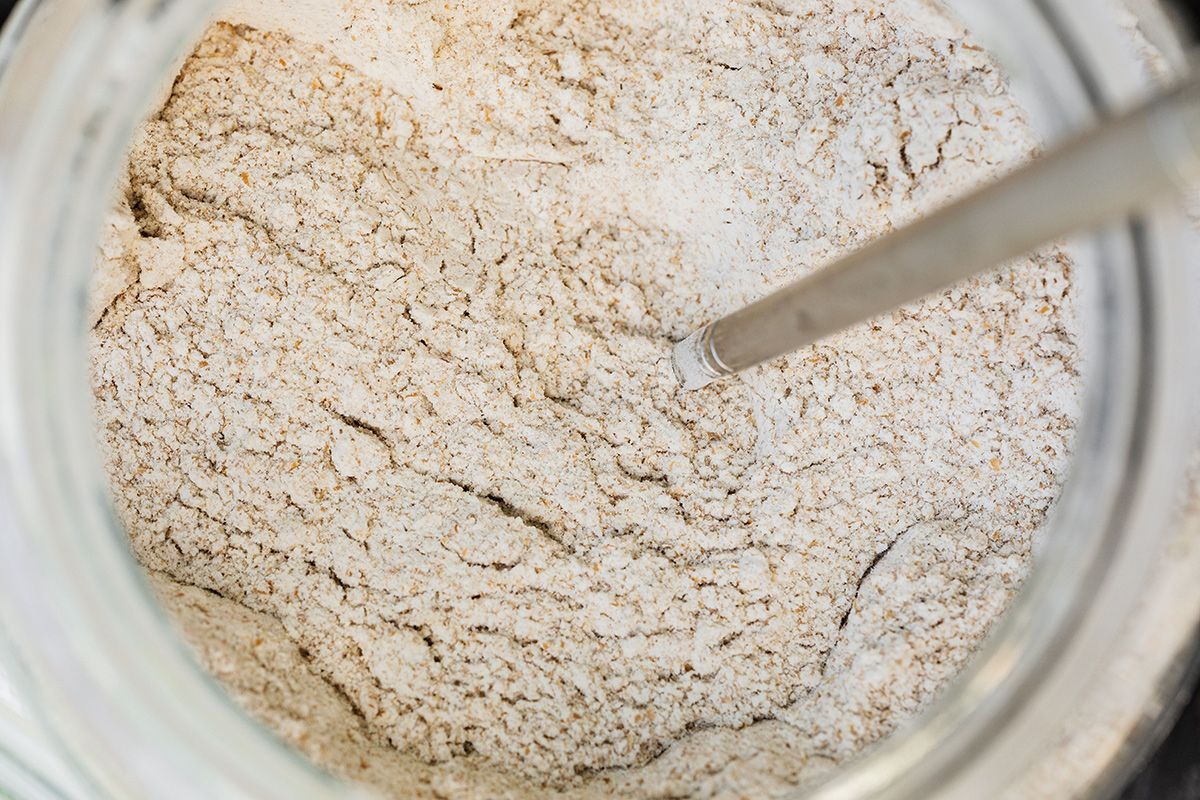
It’s sometimes a surprise when I tell people that flour is perishable. White flour can last about six months to a year, if you move it from its paper bag to an airtight container like this (to keep out smells, moisture, and bugs) and store it in a cool, dark, place.
But whole wheat, rye, or oat flour, or any flour made from a whole grain, will spoil faster because of the fat content in its bran and germ. Those can go rancid in as little as three months at room temperature, which is why I keep them in my freezer as much as possible. The same goes for nut flours, which also have a high oil content. Gluten-free flours are unpredictable, because their contents vary, so check the “best-by” date on the bag. If it’s only two to three months away, pop it in the freezer.
One final note: With any kind of flour, popping it into the freezer will kill any insect eggs that might be present, so you won’t find any surprises the next time you bake.

Reader Favorites



Broth and Stock
How long it will keep in the freezer: Two to three months
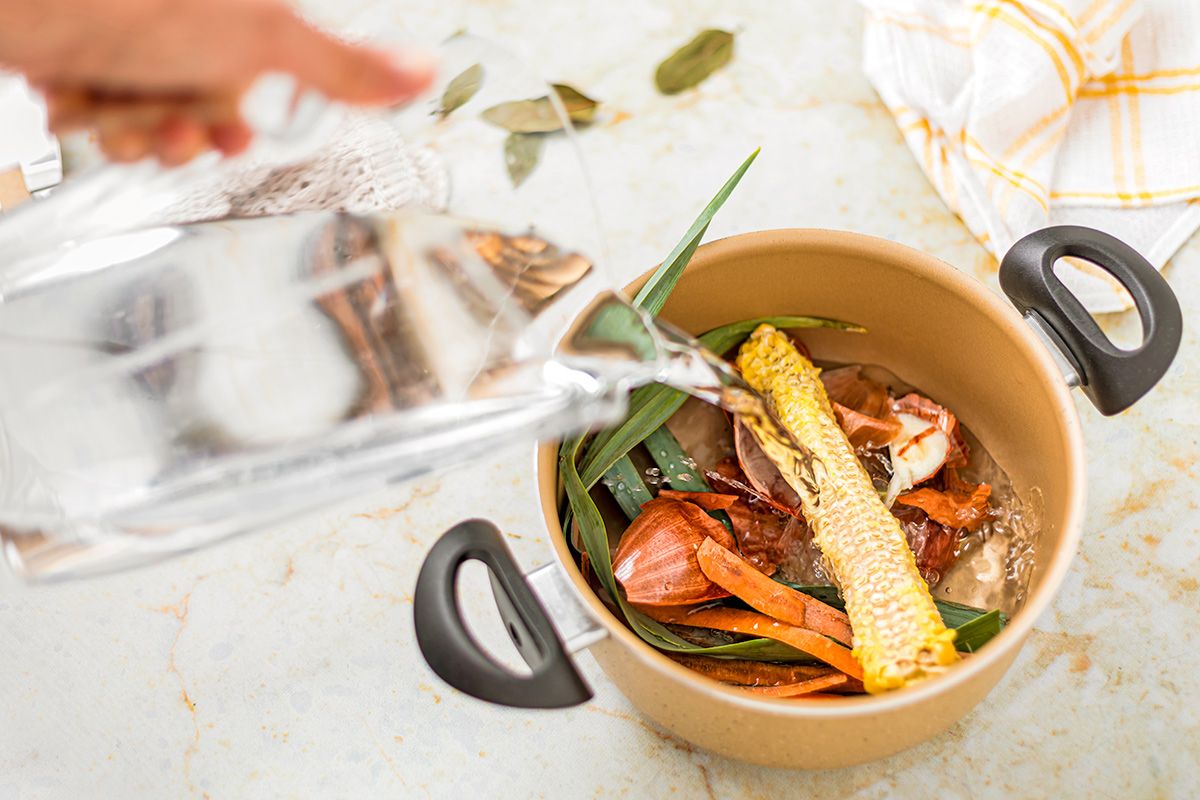
Broth and stock are versatile ingredients that can make your meals better, so they’re always worth having on hand. Whether you make your own or buy as needed, anything you don’t use up within a day or two should go into the freezer. Broth is only food-safe for four to five days, so unless you’re really disciplined about dating everything you open and using it ASAP, it’s best to just freeze it.
I’ll often freeze broth and stock in one- and two-cup containers, then pop the frozen blocks into freezer bags (it frees up my containers and takes up less space). You can also freeze stock in ice cube trays, and then pull out cubes as needed to drop into your pan for a sauce or thin your gravy, among other uses.
Unused Herbs
How long it will keep in the freezer: Four to six months
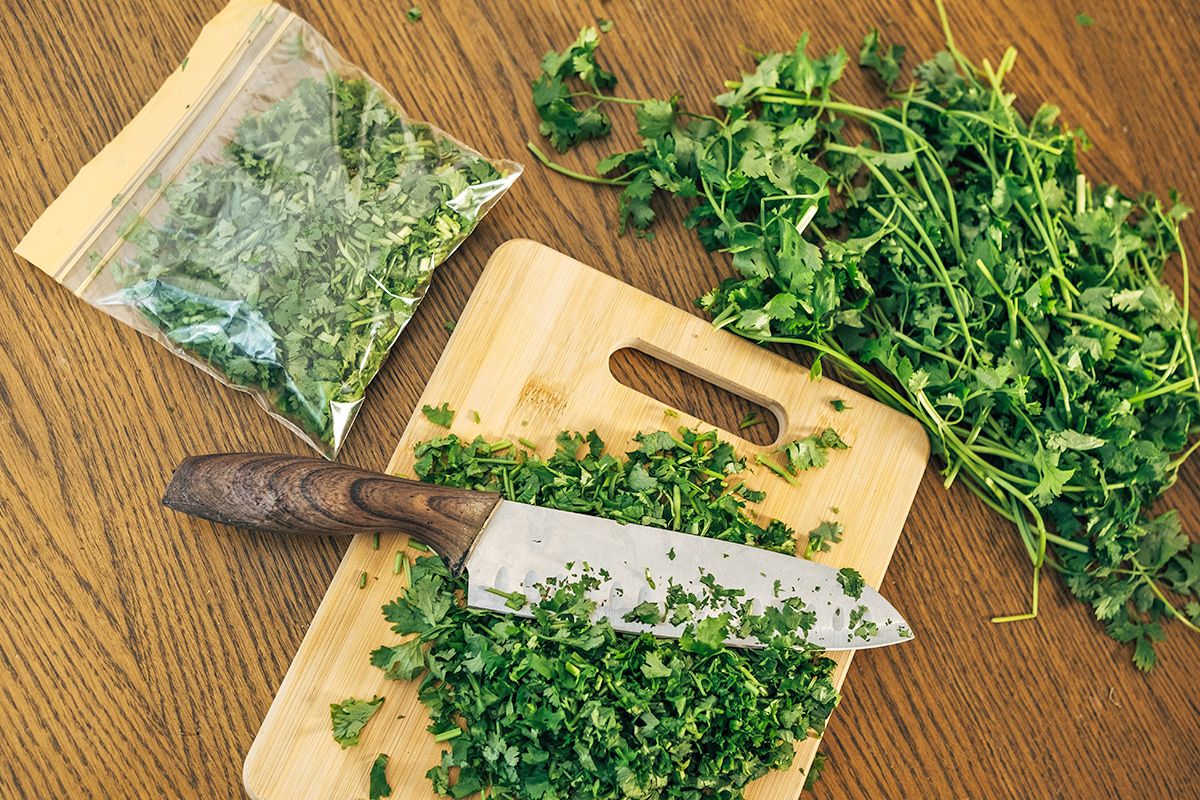
We’d all like to use fresh herbs more often, but most of us seldom do; part of the reason may be that they’re sold in larger quantities than you need for a single recipe. A lot of herbs don’t hold up for more than a few days in the fridge, so I like to freeze mine. I puree them in a blender or food processor with as much oil as it takes to turn them into a soft paste, then freeze the paste to use later.
You can use ice cube trays for that, but the plastic will quickly take on herb flavors, so if you go this route, don’t use the trays for ice cubes afterward. I usually freeze mine in a zipper-style freezer bag, flattening it to squeeze out as much air as possible. When I need the herbs, I just open the bag, break off a piece of the paste, and put the rest back in the freezer. This method keeps the herbs’ fresh flavors beautifully.
Butter
How long it will keep in the freezer: Six to nine months
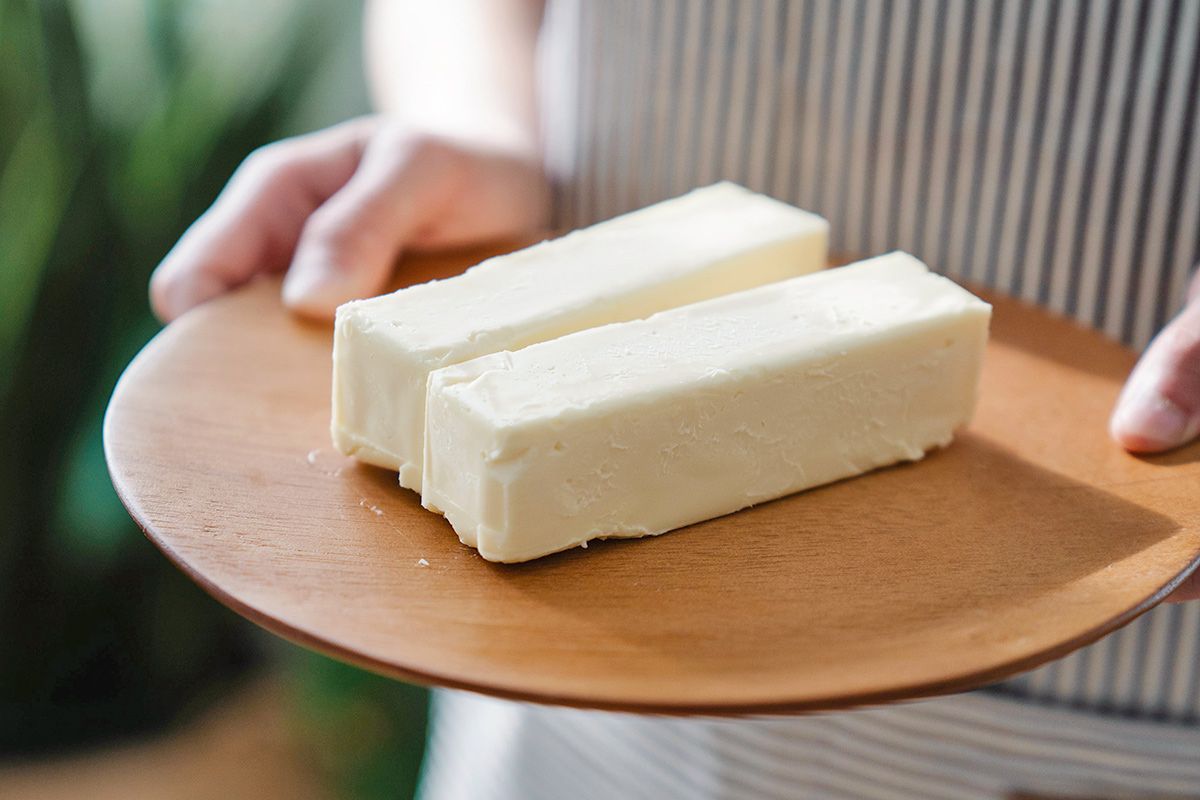
Chefs use butter more freely than most home cooks, and I keep mine in the freezer for a couple of reasons. One is that butter in the fridge is likely to absorb odors and mess with the flavor of what you’re cooking. Freezing your butter, on the other hand, keeps it tasting fresher for longer (this is especially true of unsalted butter).
Another reason is that a lot of recipes for baked goods like pie crust or biscuits call for really cold (or sometimes straight-up frozen) butter, which helps make them nice and flaky. If your butter is already frozen, all you need to do is grate what you need, and put the rest back. If you need to thaw it quickly, use this hack.
Fresh Berries and Stone Fruit
How long it will keep in the freezer: Eight to 12 months
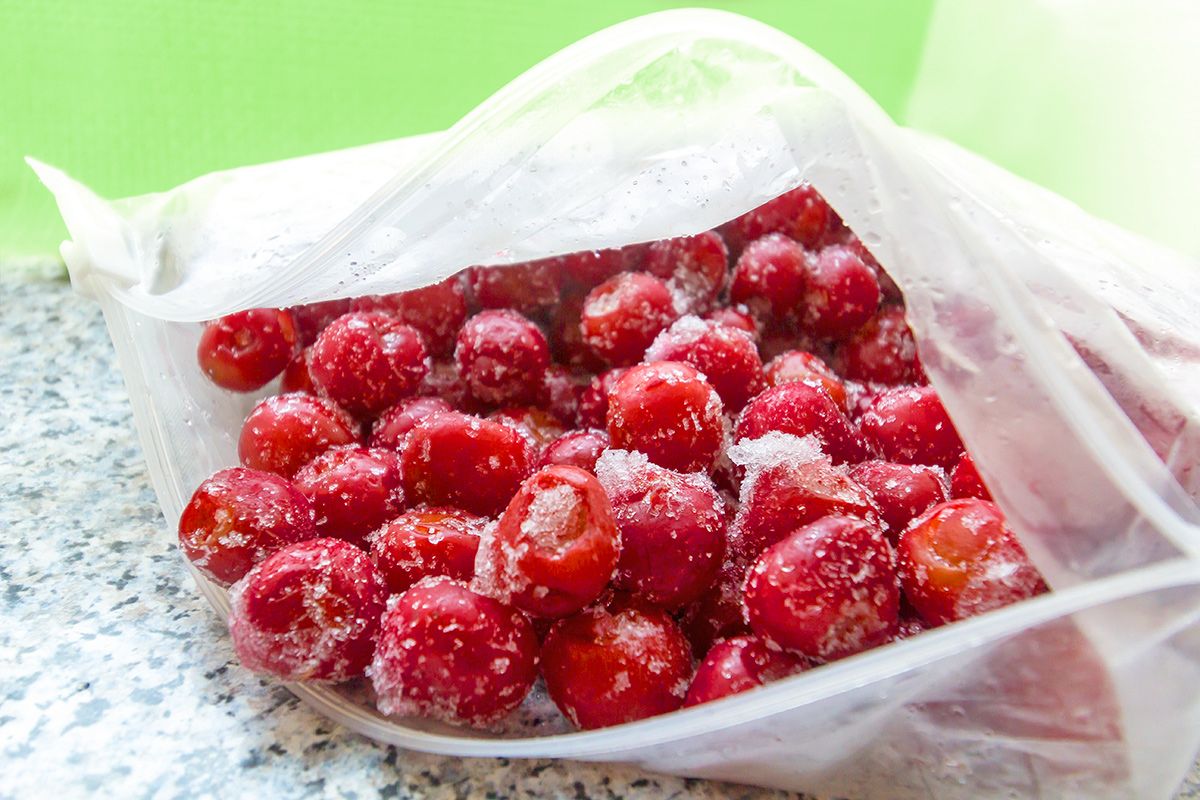
To me, fresh berries and stone fruit —like cherries, peaches, and plums — are the flavor of high summer. Unfortunately, they’re also highly perishable, so once those peaches on the counter get ripe, it’s “use ’em or lose ’em” time. And for anything you can’t use right away, the freezer is your best bet.
Peel the fruits (except for cherries), pit them, slice them, and pack them for the freezer. You can throw the fresh-cut fruit into a bag as is, but freezing it on a sheet pan before bagging keeps it from sticking together. That way, you can take out what you need and put the rest back rather than dealing with a solid chunk of frozen fruit. For long-term storage, packing fruit in sugar or syrup before freezing will help keep it at its best.
Nuts
How long it will keep in the freezer: One to three years
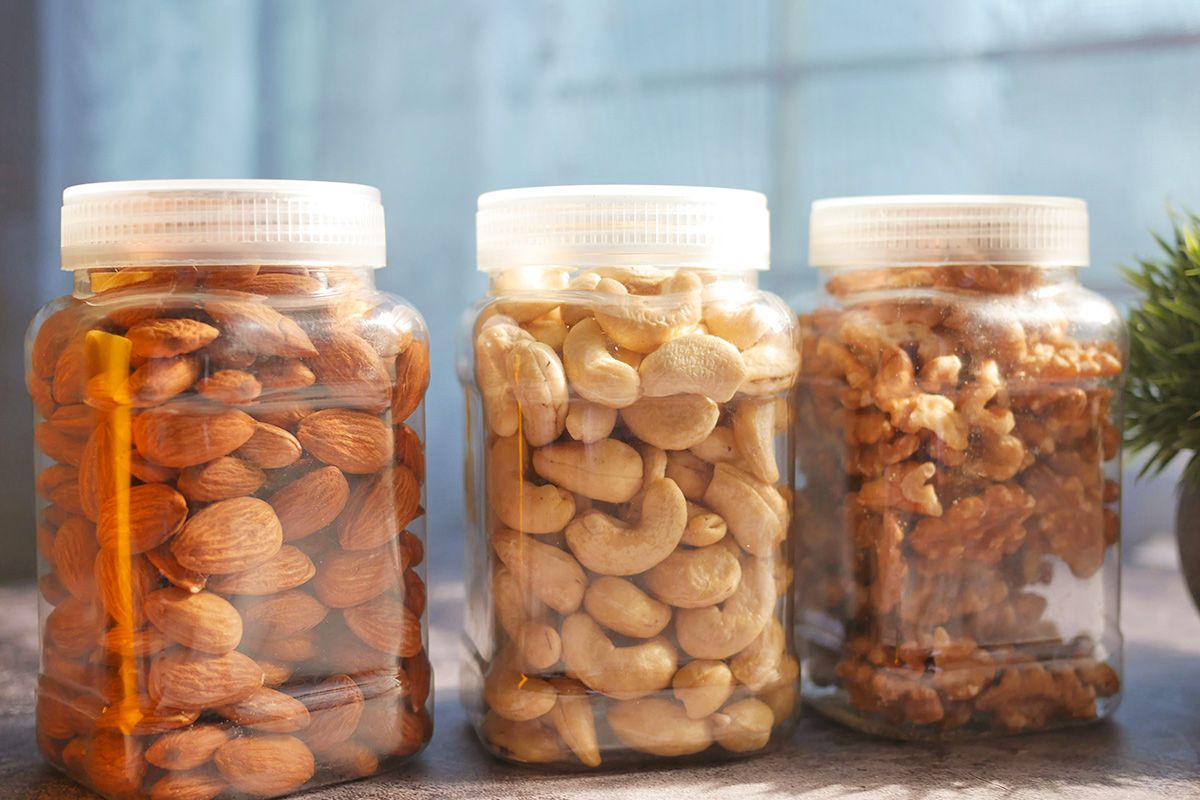
Nuts are high in fat content, so they’re prone to getting rancid after a few months in the pantry. To be clear, rancid nuts won’t give you food poisoning, though there’s some evidence they may be a longer-term health risk if you eat them frequently. But they taste nasty, so why would you? Just freeze them instead.
Whole Grains, Wheat Germ, and Bran
How long it will keep in the freezer: Up to a year
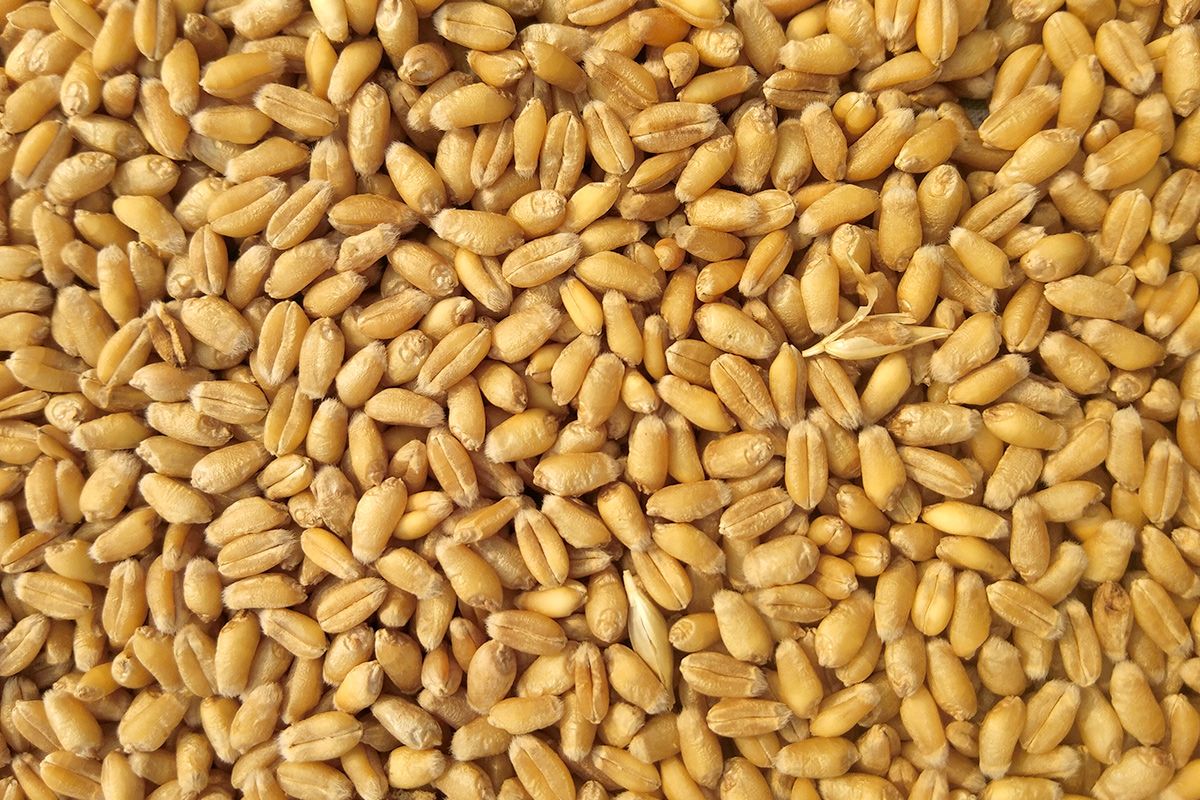
After the advice about freezing your whole-grain flours, this won’t come as a surprise, but you should freeze whole grains as well. While white rice and pearled barley have their bran milled away and can last for a year or more in a pantry, pot barley, brown and red rice, millet, and trendy grains like farro and kamut (aka khorasan wheat) all benefit from being kept in the freezer. Even plain old cornmeal (especially if it’s stone-ground) will keep its flavor for longer if it’s on ice.
Flax Seed and Hemp Hearts
How long it will keep in the freezer: One year or more
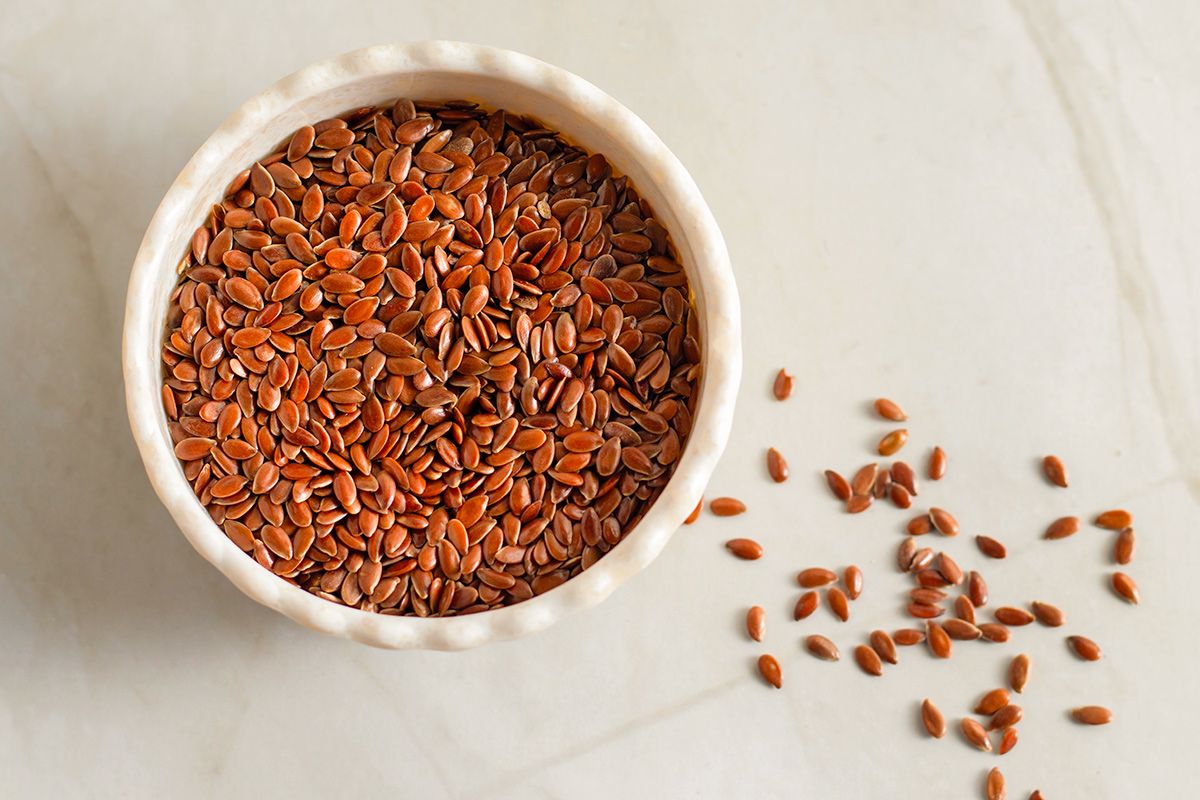
If you like to bulk up your smoothies, oatmeal, or homemade baked goods and granola bars with flax seed or hemp hearts, you may have already discovered that they’ll quickly develop off-flavors at room temperature, or even in the fridge. That’s because the fats they contain — those healthy omega-3 fatty acids — spoil pretty quickly. If you put them in the freezer, they’ll always taste fresh.
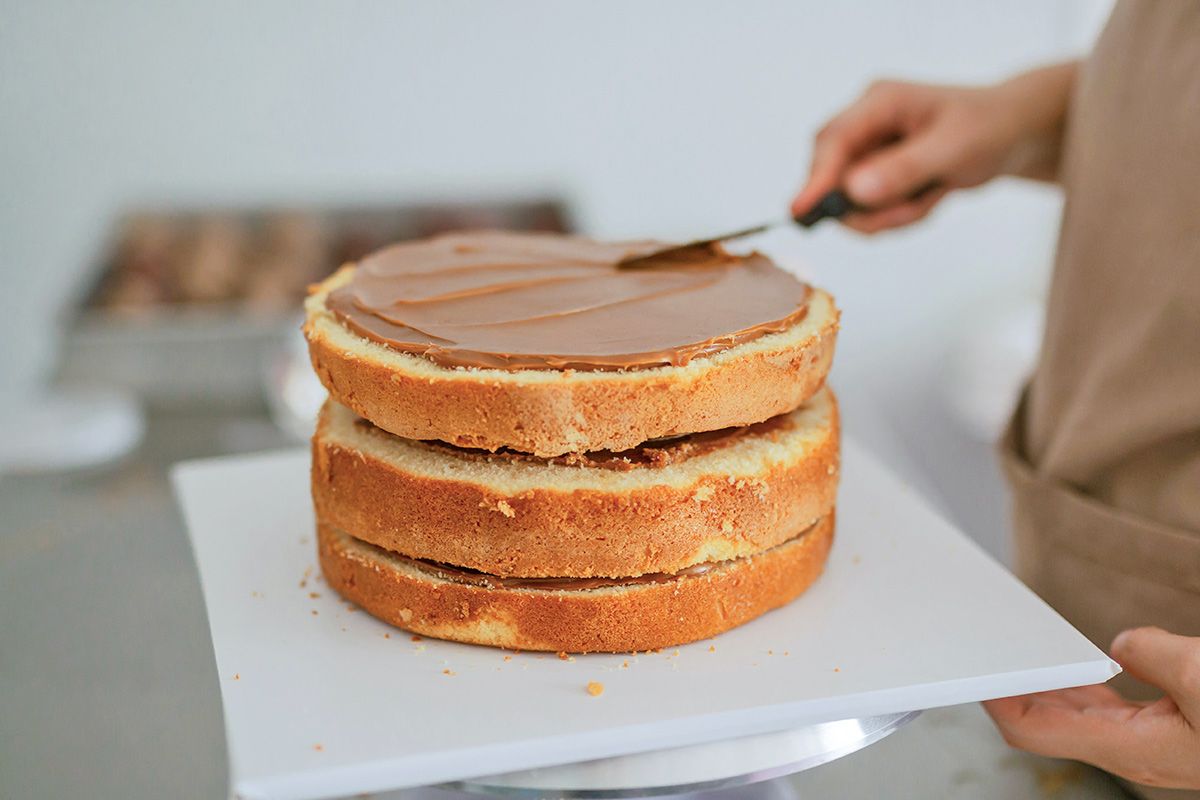
Undecorated Cakes
How long it will keep in the freezer: Two to four months
If you’re baking a cake for an upcoming event, do it far enough ahead of time that you can put it in the freezer overnight. Not only will you not have to rush, but you won’t have to deal with the loose crumbs that come off a freshly baked cake when you’re spreading your icing. Freezing the cake first helps “tighten” the crumb (making it less crumbly), so it’ll slice cleanly and be easy to frost. It’s surprising how much of a difference it makes.

Caramelized Onions and Other Time-Consuming Prep Items
How long it will keep in the freezer: Three to four months
Caramelized onions bring a sweet and savory note to a lot of foods, and you can even use them as a condiment by scooping them on top of anything from a canapé to a hot dog. But making caramelized onions requires an investment in time and attention, and you may not have those at your disposal on the day you’re cooking.
For that reason, I like to do a big batch all at once, then divide it up into small bags for the freezer. The same goes for sauteed mushrooms or vegetable mixes like mirepoix, sofrito, and Louisiana’s “Holy Trinity” (onions, bell peppers, and celery), which provide a base of flavor to build a finished dish on. If you have these ready to go in your freezer, your meals will take a lot less work and time.
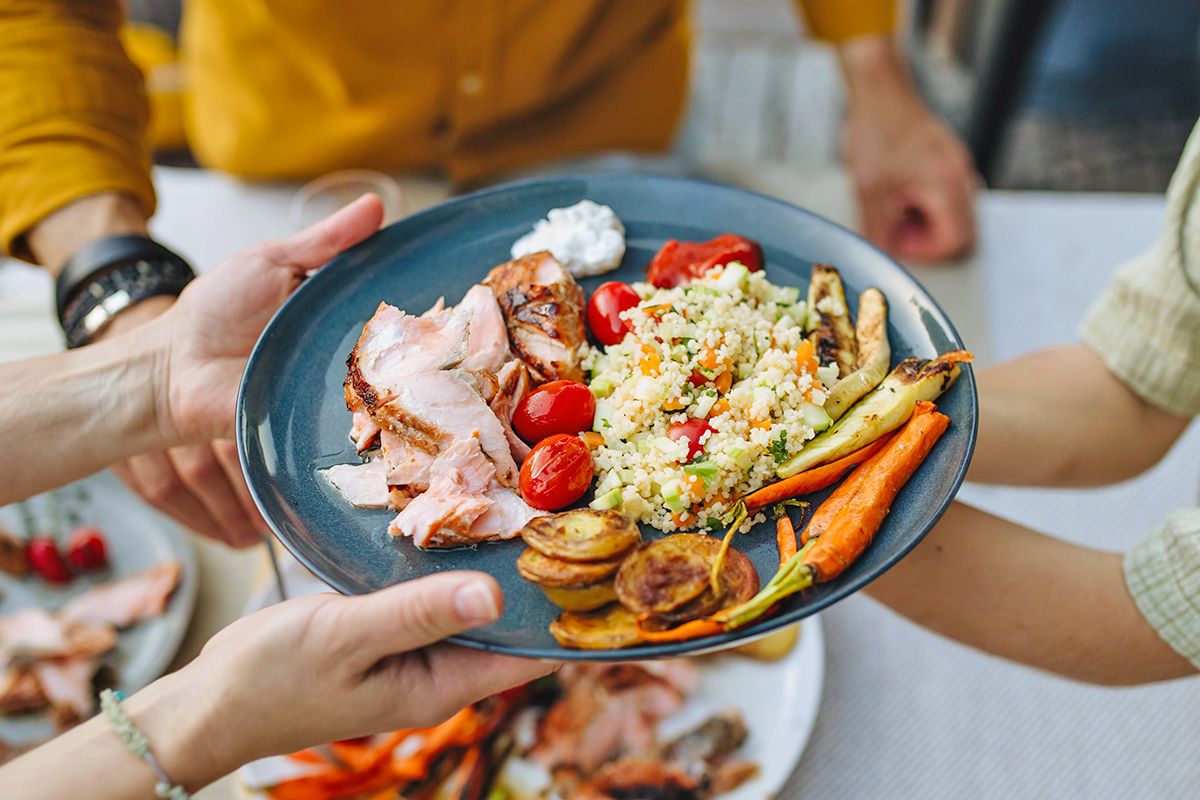
Your Holiday Leftovers
How long it will keep in the freezer: Three to four months
A lot of people will tell you that the leftovers are the best part of a big holiday meal, and they’re not wrong. But let’s be realistic: By the second day, you’ve probably already made your favorite holiday leftovers recipe, and there’s not going to be a lot of enthusiasm for another meal that’s made of them.
So do yourself a favor, and put anything you’re not going to eat tomorrow into the freezer. If you decide in a few days that you’re ready for another go-round of turkey pot pie, great. Otherwise, you can keep everything in the freezer until January or February, when you can appreciate it properly again. Make sure to consume them promptly after they leave the freezer, though — once unthawed, they won’t be safe forever.
Featured Image Credit: © ilkermetinkursova—iStock/Getty Images
More From Our Network
Better Report is part of Inbox Studio, an email-first media company. *Indicates a third-party property.






Fred Decker is a trained chef and former restaurateur. Since closing his restaurants over a decade ago he has been a prolific freelance writer, publishing several thousand articles on dozens of high-volume websites including Taste Of Home, Hunker, Tasting Table, Week&, eHow, and GOBankingRates. He lives on a rural acreage shared with a big garden, chickens, rabbits, and grandkids.
This article is for general informational purposes only.
Affiliate Disclaimer Medical Disclaimer Financial Disclaimer