Is Frozen Yogurt Better for You Than Ice Cream?

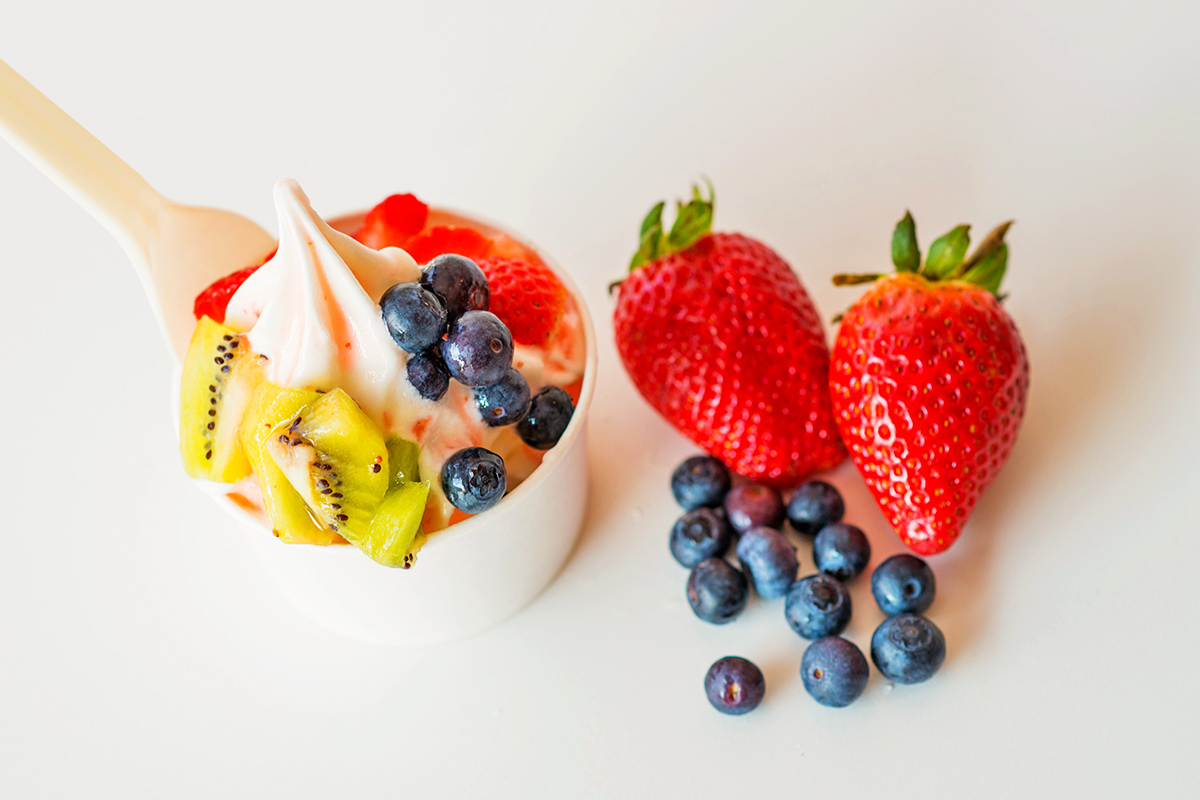
It’s a popular debate in the freezer aisle and at your local ice cream shop: Is frozen yogurt actually healthier than ice cream?
The answer is more complicated than you think. As it turns out, the healthiest choice depends on the ingredients, portion size, and toppings. Here’s some information you can use the next time you’re getting dessert.
Frozen Yogurt vs. Ice Cream
Both ice cream and frozen yogurt are beloved frozen treats that contain dairy and sugar, but they differ more than one might suspect, from ingredients to what ends up on your nutrition label.
It starts with their base components: Frozen yogurt is made with a cultured milk — aka yogurt — base. Froyo is usually lower in fat than ice cream and may contain live cultures. It’s also often tangier in flavor.

Reader Favorites



On the other hand, ice cream is made using cream as a base and includes milk and sometimes egg yolks. It’s higher in milk fat than frozen yogurt, and creamier in texture. It’s also often more satisfying in smaller portions because of its insulin-stabilizing fat content, which promotes satiety.
It’s important to note that the FDA requires ice cream to contain at least 10% milk fat, while the term “frozen yogurt” isn’t federally regulated, meaning recipes and ingredients vary widely between brands.

How Do They Compare Nutritionally?
The numbers may surprise you. According to data from the USDA, a half-cup serving of vanilla frozen yogurt contains 114 calories, 4 grams of total fat, and 2.5 grams of saturated fat. A half-cup serving of vanilla ice cream, meanwhile, contains 140 calories, 7 grams of fat, and 4.5 grams of saturated fat. By comparison, french vanilla soft-serve ice cream, by comparison, runs higher, with 191 calories, 13 grams of total fat, and 6 grams of saturated fat.
The verdict? Frozen yogurt wins on fat and calories, but that’s not necessarily the full picture.

Which One Is Actually Healthier?
The answer depends less on the name of the treat and more on what’s actually in the container.
By that measure, there are some advantages to choosing frozen yogurt. As we’ve seen, it’s lower in saturated fat (which can increase the risk of heart issues) than most ice creams and sometimes has fewer calories per serving. Frozen yogurt may also provide probiotics (good bacteria that boost gut health) if live cultures survive the freezing process — look for a seal from the International Dairy Foods Association that says “live and active cultures.” Older adults in particular may benefit from probiotic-rich foods as gut microbiome diversity declines with age.
But there are also some potential drawbacks. Frozen yogurt often contains just as much or more added sugar compared with ice cream to soften yogurt’s naturally tangy flavor. According to VeryWell Health, a serving of frozen yogurt may contain 18 to 24 grams of sugar, versus ice cream’s 14 to 20 grams.
Plus, removing fat from frozen yogurt doesn’t necessarily make it healthier. Manufacturers often replace fat with added sugar, thickeners, and emulsifiers to enhance flavor and texture. This can trigger a sharper spike in blood sugar than the full-fat version would have, an important consideration given that nearly 29% of Americans over 65 have diabetes.
Whether you’re choosing frozen yogurt or ice cream, self-serve portions can add up fast. It’s easy to fill a cup far beyond a standard serving without realizing it. In the case of frozen yogurt, you may actually end up eating more to feel satisfied. Finally, candy, syrups, cookie crumbles, and other toppings can drastically increase calories. Research confirms that toppings significantly boost fat and sugar intake in both frozen yogurt and ice cream.

How To Make Either Choice Healthier
There are simple ways you can make your frozen yogurt and ice cream healthier. One is to watch your portion size. Two-thirds of a cup is the standard serving size.
You should also opt for plain or lower-sugar flavors when available. Top your dessert with fresh fruit, which adds natural sweetness plus fiber and nutrients, rather than candy, syrups, or cookie crumbles. And skip the extra sauces. Even a drizzle adds more sugar than you think. Finally, keep in mind that frozen desserts should be enjoyed as an occasional treat rather than a daily health food. If you want the benefits of frozen yogurt without tons of added sugar and calories, plain, regular yogurt may be your best bet.
Both frozen yogurt and ice cream can fit into a balanced eating plan when enjoyed in moderation. For a frozen treat with no dairy and no added sugar, “Nice Cream” is worth a try: It’s just frozen bananas blended until smooth and topped with cinnamon, chopped mint, or whatever other flavor you want.
Featured Image Credit: © VeryUlissa—iStock/Getty Images
More From Our Network
Better Report is part of Inbox Studio, an email-first media company. *Indicates a third-party property.







With a nursing background and a passion for making health information accessible, Monica Romano brings a unique clinical perspective to her freelance writing. Based in the Pacific Northwest, she covers health, wellness, and everyday living with warmth and authority. Her work is featured in Woman's World magazine and across top health and wellness platforms.
This article is for general informational purposes only.
Affiliate Disclaimer Medical Disclaimer Financial Disclaimer