9 Things You Should Never Buy at the Grocery Store

Modern grocery stores are marvelous places. In an open, well-lit, climate-controlled space, you can find everything from fresh produce, fish, and meat to canned goods, snacks, and ready-to-eat meals. You can also find some trouble if you’re not careful about your selections. The U.S. Centers for Disease Control estimates that every year, 48 million people become sick after ingesting bacteria that live within or on food. A host of bacteria, including salmonella, E. coli, Staphylococcus aureus, and listeria, is to blame. To protect yourself, here’s what to avoid, no matter how good the price:
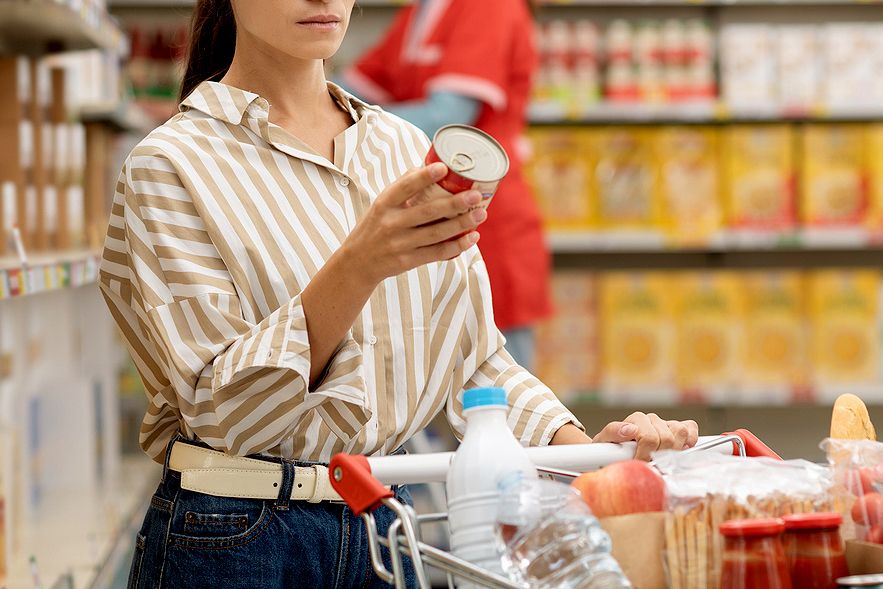
Damaged Canned Goods
Do not purchase canned goods that are damaged. If that can of peaches is rusting, leaking, has a significant dent, or is bulging, leave it on the shelf. There’s likely a safer can right next to it.
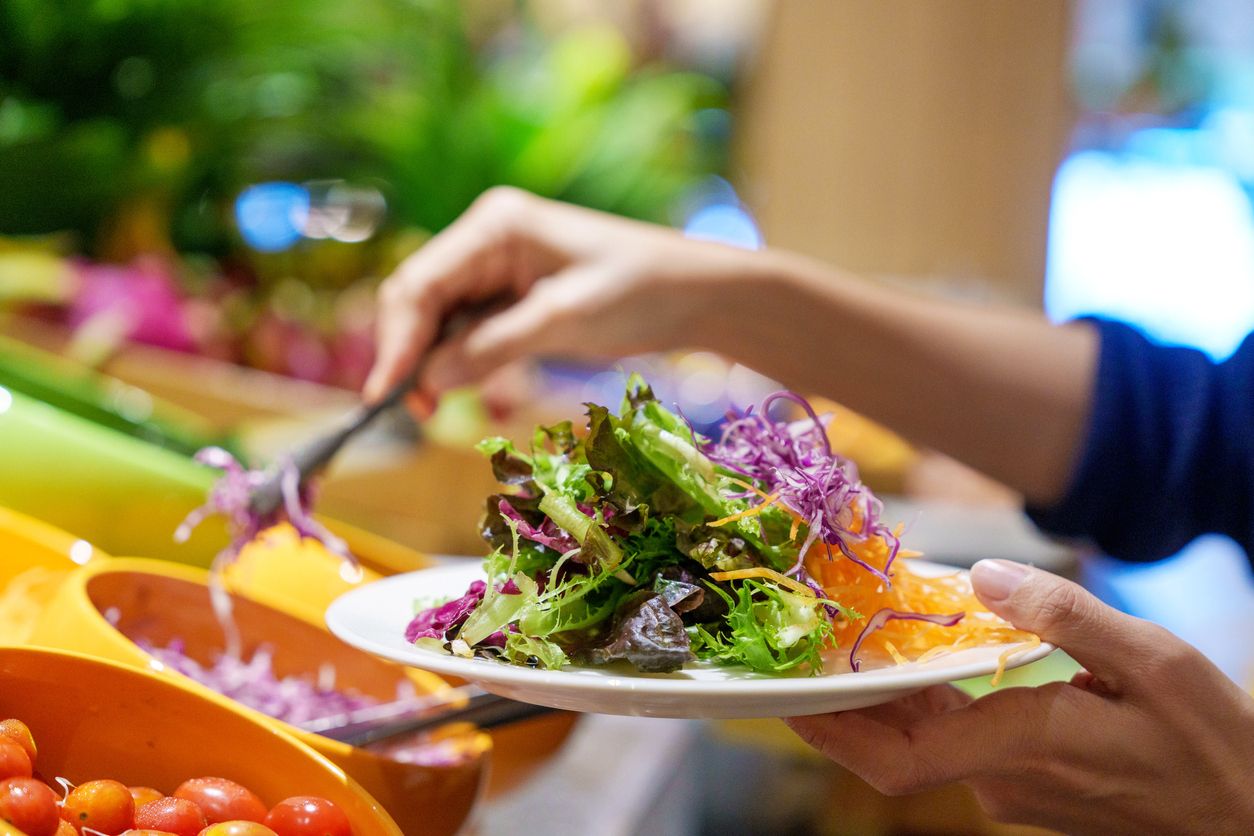
Open-Bar Food
It’s fast and easy to grab a salad for lunch or chicken tenders for dinner from a food bar with both hot and cold items. But the temperature and turnover of that food are essential. If food isn’t kept at the correct temperature and sits for a long time, bacteria can grow throughout the day. Hit the bar when it’s first stocked or when it’s so busy the food is being replenished frequently.
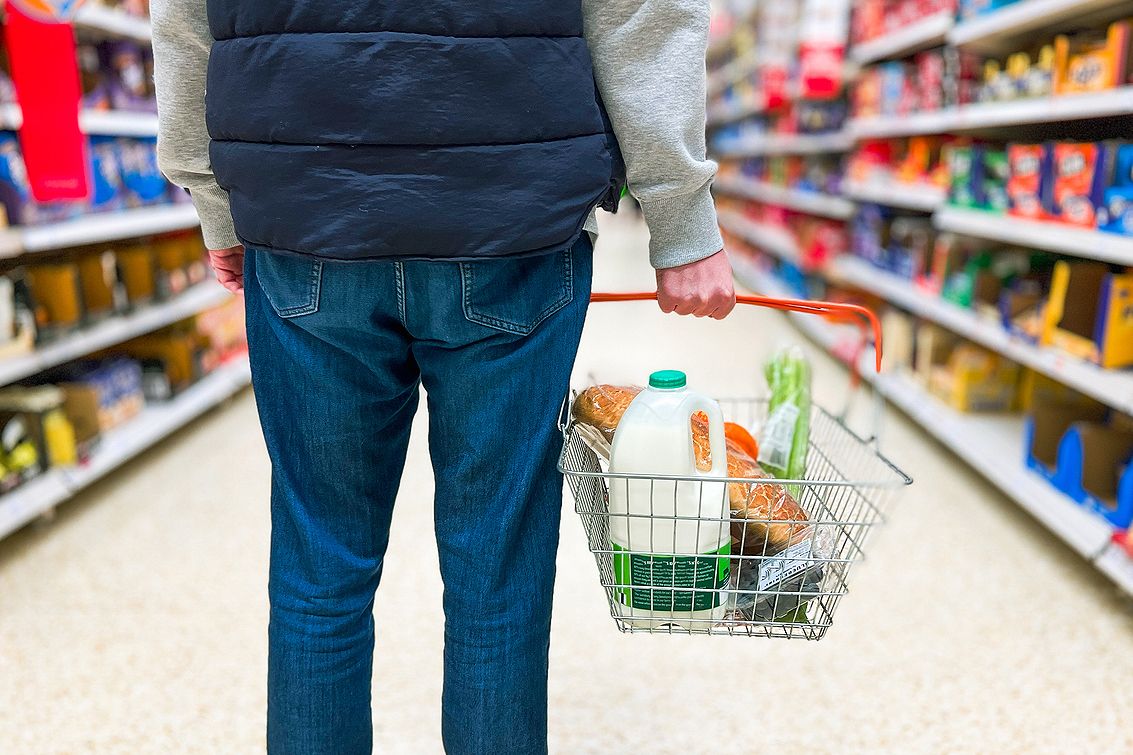
Unpasteurized Milk
Raw milk may contain many bacteria that lead to diarrhea, stomach cramping, and vomiting. People under five and over 65 are most susceptible to severe reactions. Dairy farms are good incubators for dangerous bacteria — even excellent hygiene practices can’t eliminate the risk. Always purchase pasteurized milk.

Reader Favorites


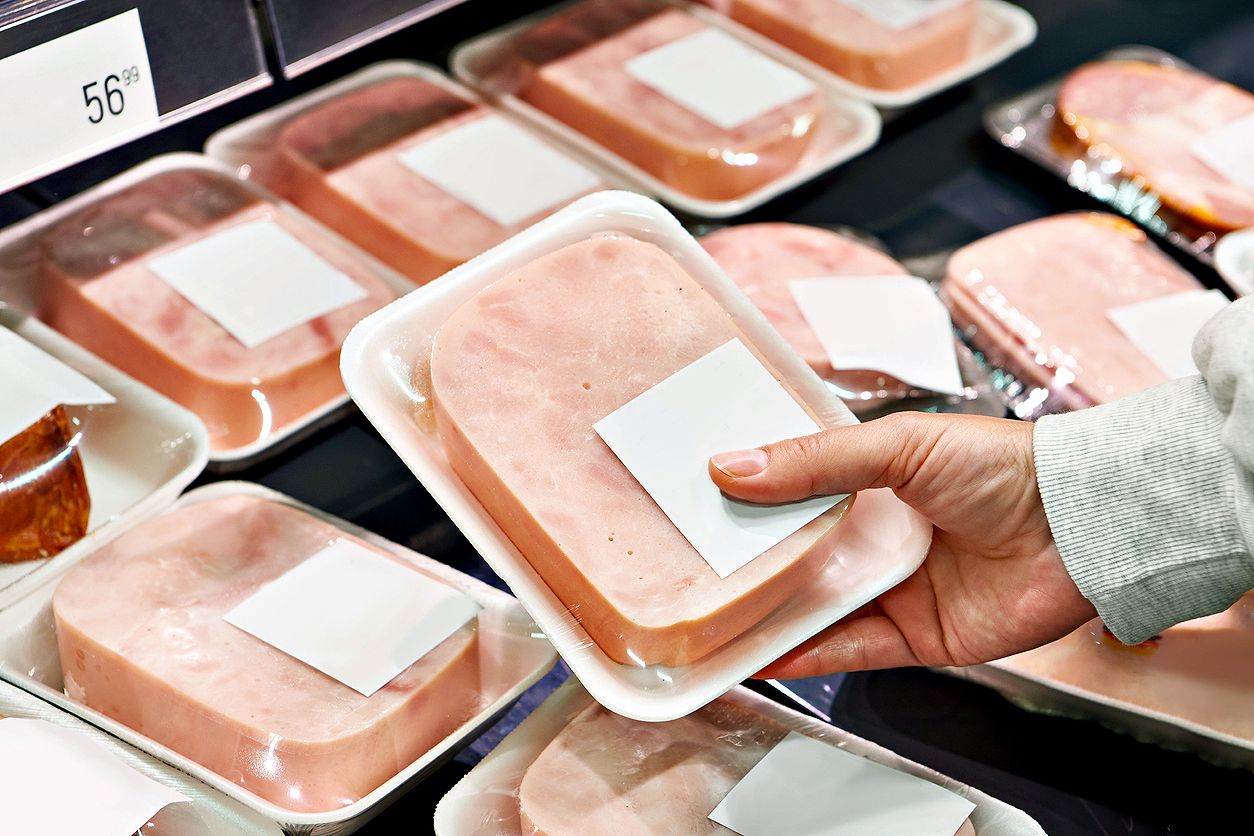
Pre-Cut Produce
Pre-cut produce is a convenience item that’s often expensive and a great way to ingest bacteria unknowingly. When cut, a food’s natural protection — its skin — is removed. And you don’t know if the person who did the cutting had clean hands, was wearing gloves, sneezed or coughed, or used a sanitized knife and surface. Buy whole fruit, take it home, and cut it yourself. If you don’t need that whole watermelon, share it with friends.
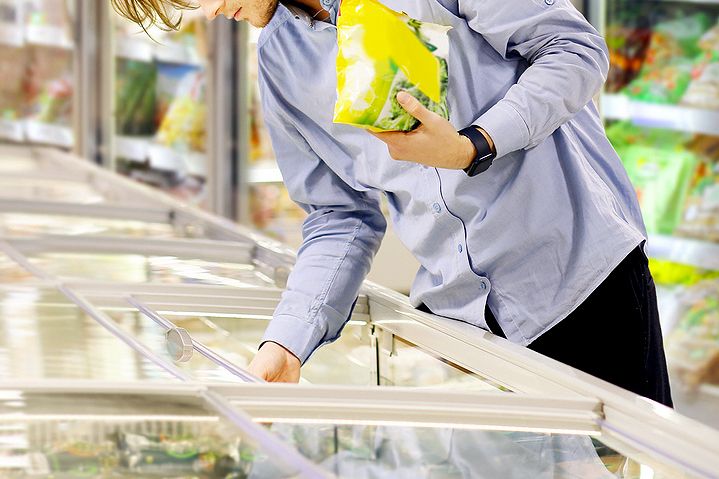
Microwaveable Meals
While these meals are handy, they may harm you in the long run. When food is heated in plastic containers, some chemicals from the plastic can leach into the food. You won’t get sick right away, but we don’t know what the long-term effects might be. If you buy these meals, always transfer them to a glass or other non-plastic dishware before heating.
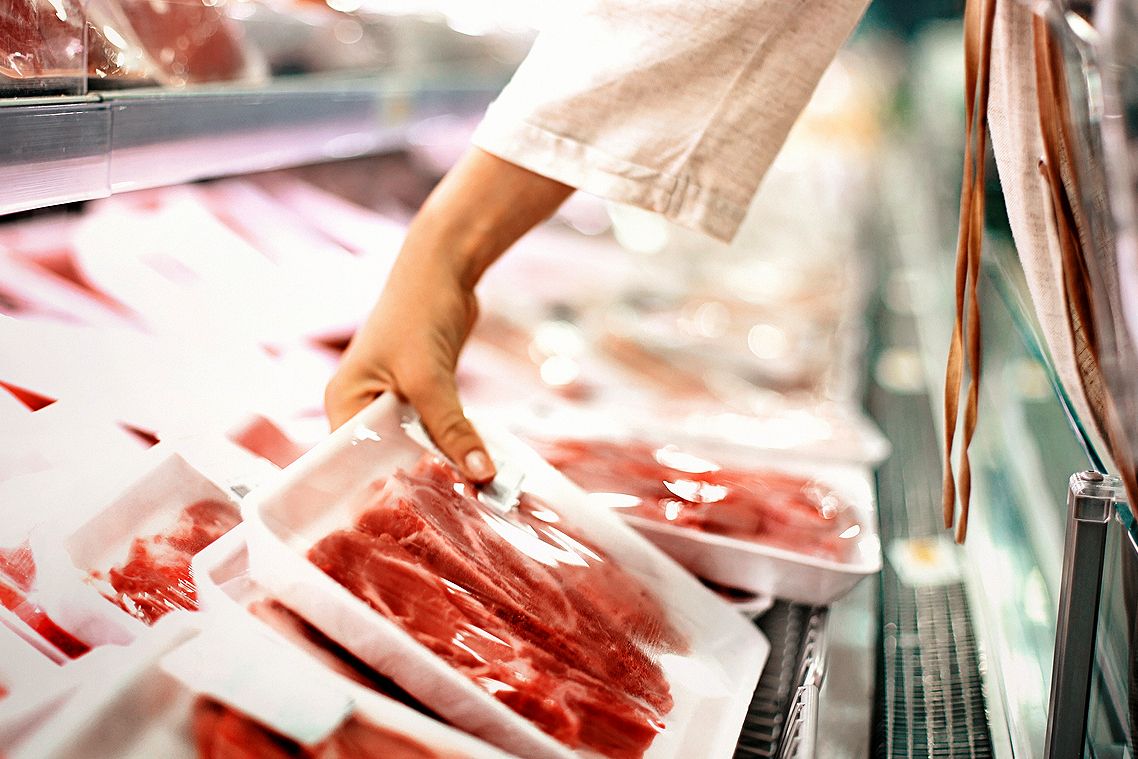
Leaky Meat
Dripping meat packages indicate a seal problem, which means bacteria can invade and grow. Even if the packaging seems secure, always bag your meat separately so that if it drips on the way home, it doesn’t contaminate other goods. Once home, repackage the meat and store it separately in your refrigerator.
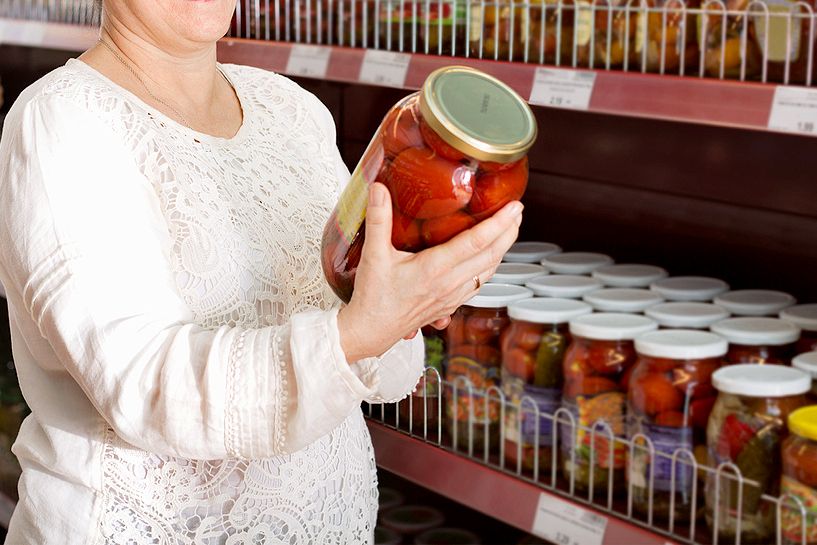
Jars With Already Popped Lids
You may have noticed that satisfying “pop” when you twist open a new jar of jelly. That sound confirms that you — and not anyone else — have broken the seal. When selecting jarred items from the shelf, run your finger over the lid to ensure the center is still depressed.
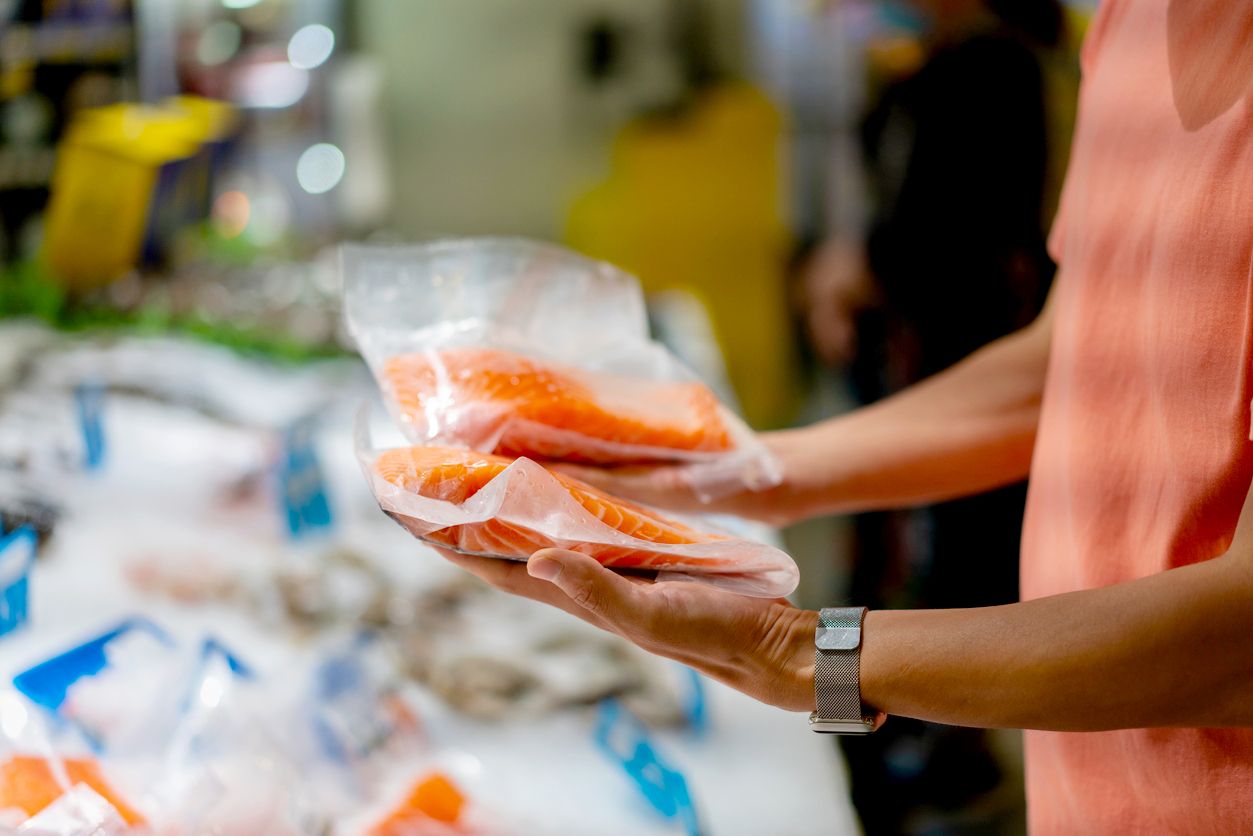
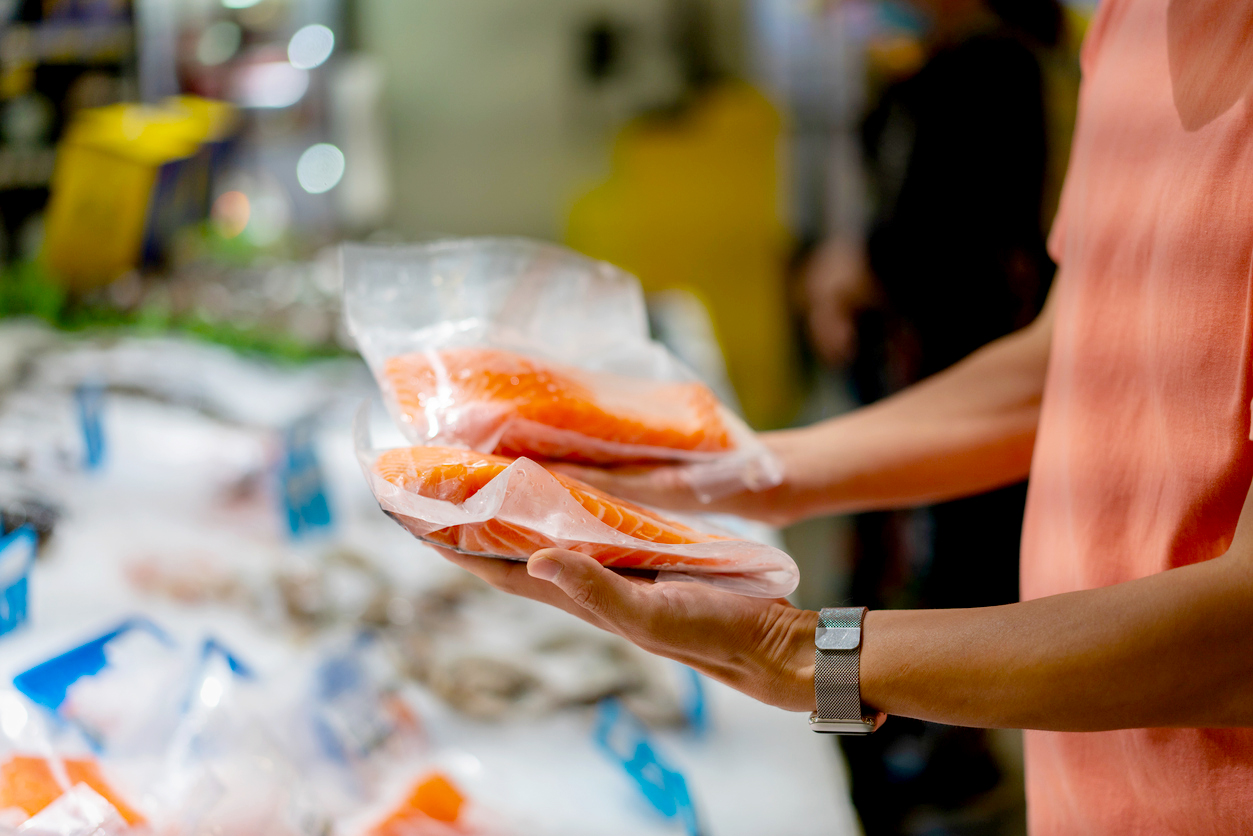
Smelly Fish
Fish with a strong odor may be older than you think or have been transported under less-than-ideal conditions. Trust your nose. Fish should smell salty or like the ocean but not pungent or strong. And once you bring it home, cook and eat it within 48 hours.
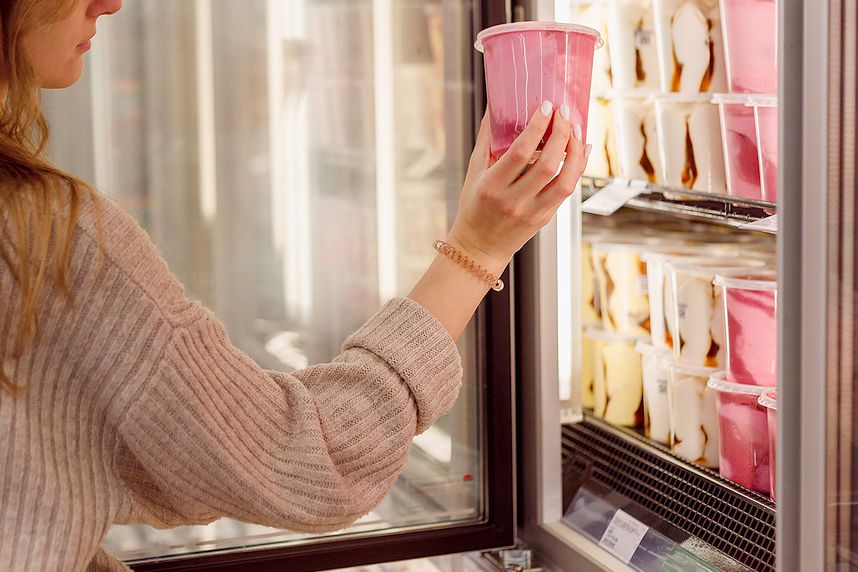
Frozen Food With Ice Crystals
Ice crystals on frozen foods indicate moisture has escaped, usually during temperature swings. We might tolerate some freezer burn at home, but we expect a grocery store to do a better job keeping cold foods cold. The good news is that the food itself might not be unsafe to eat, but it likely won’t taste as good as it should.
Featured Image Credit: Jinli Guo/ iStock
More From Our Network
Better Report is part of Inbox Studio, an email-first media company. *Indicates a third-party property.






Paula Peters Chambers writes for general-interest and specialty magazines. She covers everything from people and business profiles to science and medicine to the arts and home design and decor. She lives in Richmond, Virginia, where she enjoys baking, ringing handbells, and listening to live music.
This article is for general informational purposes only.
Affiliate Disclaimer Medical Disclaimer Financial Disclaimer