Some Grocery Prices Are Finally Going Down — Here’s What’s Getting Cheaper

For many shoppers, grocery bills are a major financial strain. Food prices remain well above their pre-pandemic levels, and are up 3% over July 2025 (as of July 2026, the latest data available). And according to a recent survey, 82% of Americans say grocery prices have had a bigger impact on their finances than higher gas prices. To save money, many reported buying more store-brand products and shopping at less expensive grocery stores such as Aldi.
But there may be a little relief in sight — at least when it comes to certain items. The latest Consumer Price Index data from the Bureau of Labor Statistics (BLS) shows that several everyday grocery staples now cost less than they did a year ago. Other categories, however, continue to head in the opposite direction.
The latest data highlights just how uneven grocery prices have become. Here’s a closer look at which staples have gotten cheaper — and which continue to rise.
What’s Getting Cheaper
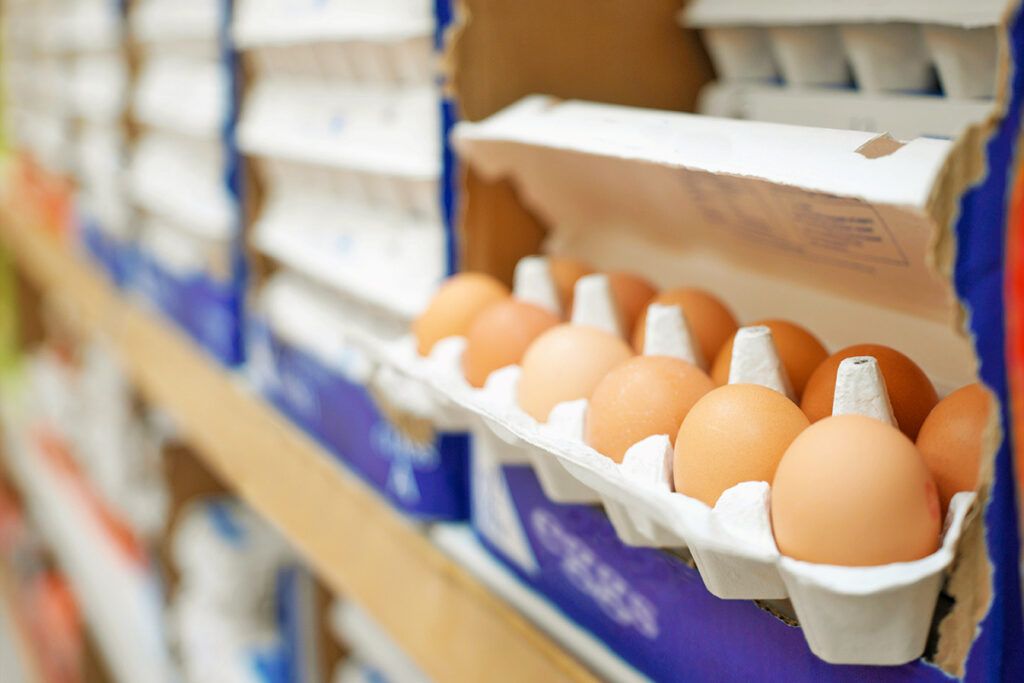
According to the latest BLS data, eggs have seen the biggest year-over-year price decline, falling 25.7% as supplies continued to recover from the avian flu outbreak (as well as alleged price fixing by some suppliers) that drove prices to record highs in 2025. After months of record prices and purchase limits at some grocery stores, eggs have become one of the clearest examples of how supply conditions can quickly affect what shoppers pay at checkout.

Reader Favorites


Eggs are the biggest outlier, but they’re not the only grocery item getting cheaper. Prices have also fallen year over year for the following items:
• Butter (-8.1%)
• Salad dressing (-4.3%)
• Cheese and related products (-4.2%)
• Fresh whole chicken (-3.2%)
• Fresh and frozen chicken parts (-2.5%)
• Bacon and related products (-2.8%)
• Frozen and refrigerated bakery products (-1.8%)
• Margarine (-1.7%)
• Ice cream (-1.1%)
Most of those declines are relatively modest, but they show that lower prices are extending beyond a single grocery category.
What’s Still Going Up
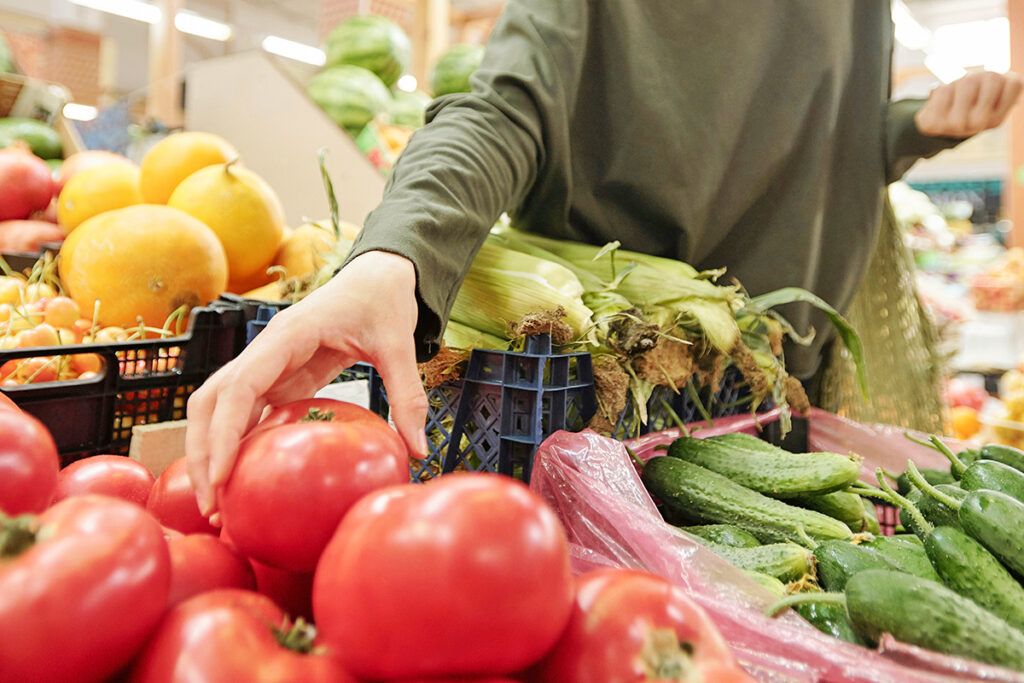
Unfortunately for U.S. shoppers, not every grocery item is getting cheaper. According to the latest BLS data, the cost of tomatoes is up 12.8% year over year, while apples cost 11% more in July 2026 than they did in July 2025. Coffee prices also continued to climb, with instant coffee up 15.8% year over year, roasted coffee up 12.2%, and coffee overall up 9.4%. And while certain categories of dairy products are dropping in price, fresh whole milk and other fresh milks are up 6% and 4.8%, respectively.
Protein is another category seeing higher prices. Beef roasts (up 13.5%), steaks (+9.6%), and ground beef (+9%) all posted increases over the past year. And while chicken prices have come down, the cost of turkey and other poultry has gone up 8.4%. Frozen fish and seafood and fresh fish and seafood, meanwhile, also were up 7.8% over July 2025.
Those are everyday purchases for many households, and for families that regularly buy meat, seafood, or coffee, those increases can add up quickly — which helps explain why grocery bills can still feel high despite lower prices for some staples.
The latest BLS figures suggest the days of nearly across-the-board grocery price increases may be easing. But for now, whether shoppers save money still depends largely on what’s in their carts.
Featured Image Credit: © _KUBE_/stock.adobe.com
More From Our Network
Better Report is part of Inbox Studio, an email-first media company. *Indicates a third-party property.






Lauren Dana Ellman is a New York–based writer and editor specializing in lifestyle, travel, food, and shopping. A graduate of Syracuse University’s SI Newhouse School of Public Communications, she covers everything from destinations and hotels to fun product finds and personal essays. Her work has been featured in Condé Nast Traveler, AARP, Travel + Leisure, Time Out, The Knot, and more lifestyle-oriented publications.
This article is for general informational purposes only.
Affiliate Disclaimer Medical Disclaimer Financial Disclaimer