7 Gross Things That Could Be on Your Toothbrush

The American Dental Association (ADA) recommends that you brush your teeth twice a day for two minutes to get the most effective cleaning. That makes your toothbrush one of the most-used tools in your oral hygiene kit — which is why the ADA also advises swapping it every three to four months for better cleaning and oral health.
But when was the last time you replaced your manual toothbrush or electric toothbrush head? If it’s been more than a few months, or you just can’t remember, now’s the time to make the swap — especially after you learn about all the gross germs and bacteria that could be living on those bristles.
Fecal Matter and E. Coli
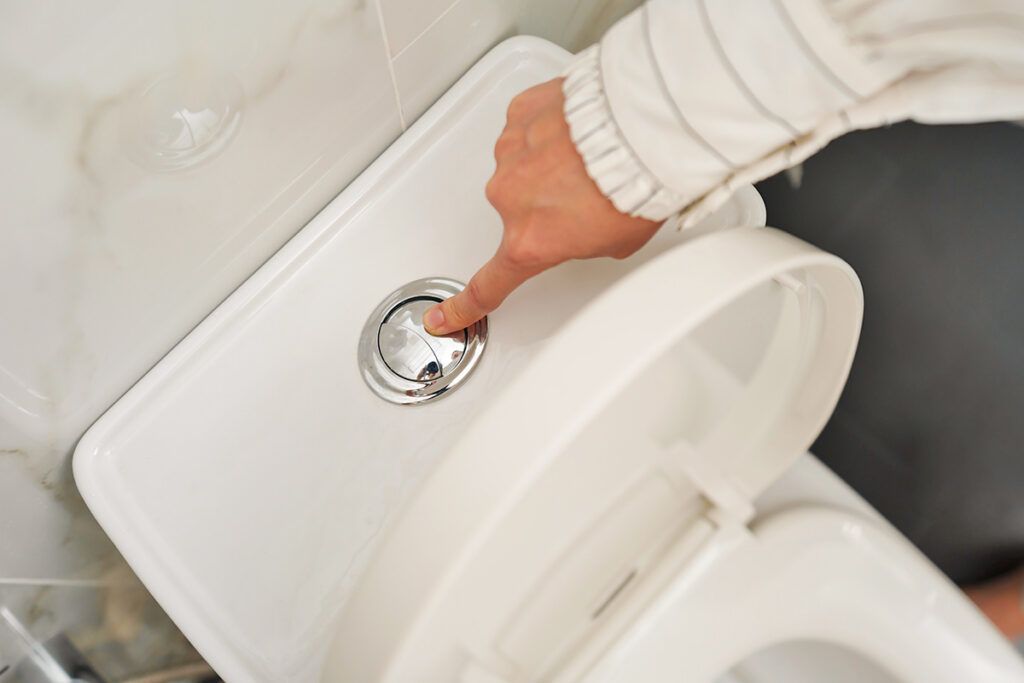
Yes, fecal matter might be on your toothbrush. Every time you flush the toilet and leave the lid up, aerosolized fecal matter or urine can travel up to 6 feet around the room and land on any surrounding items, such as faucets, hair brushes, toiletries, and, perhaps grossest of all, your toothbrush.
Another harmful bacterium that can come from your toilet and end up on your toothbrush is E. coli. Exposure can cause an infection, triggering symptoms like diarrhea, stomach pain, and more. So make sure you shut the lid when you flush — it won’t totally contain the spray, according to experts, but it should help.

Reader Favorites



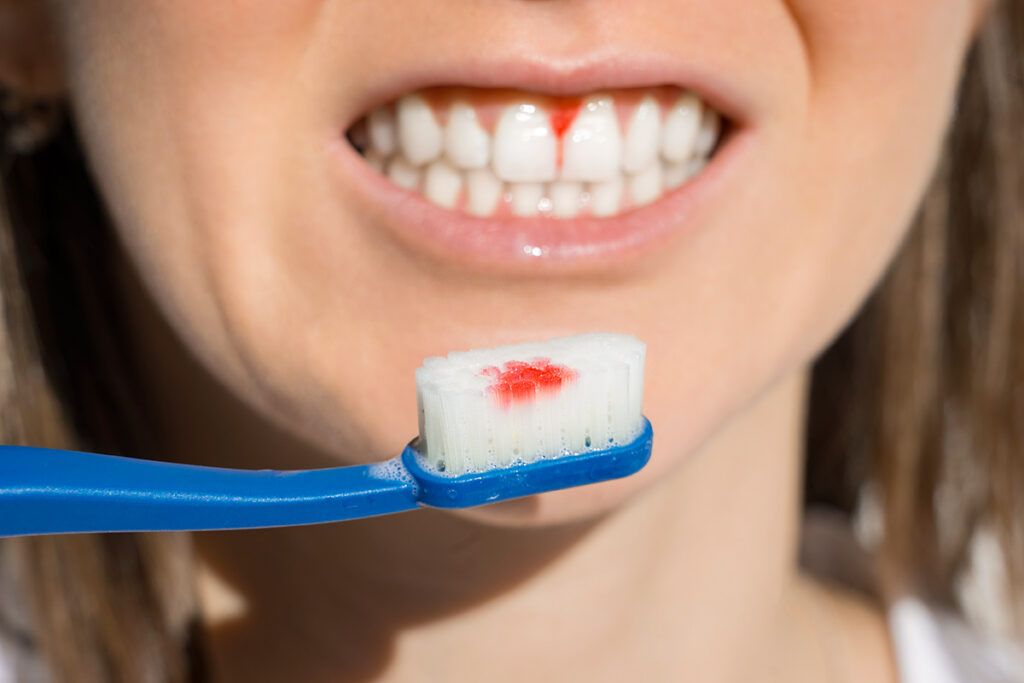
Blood
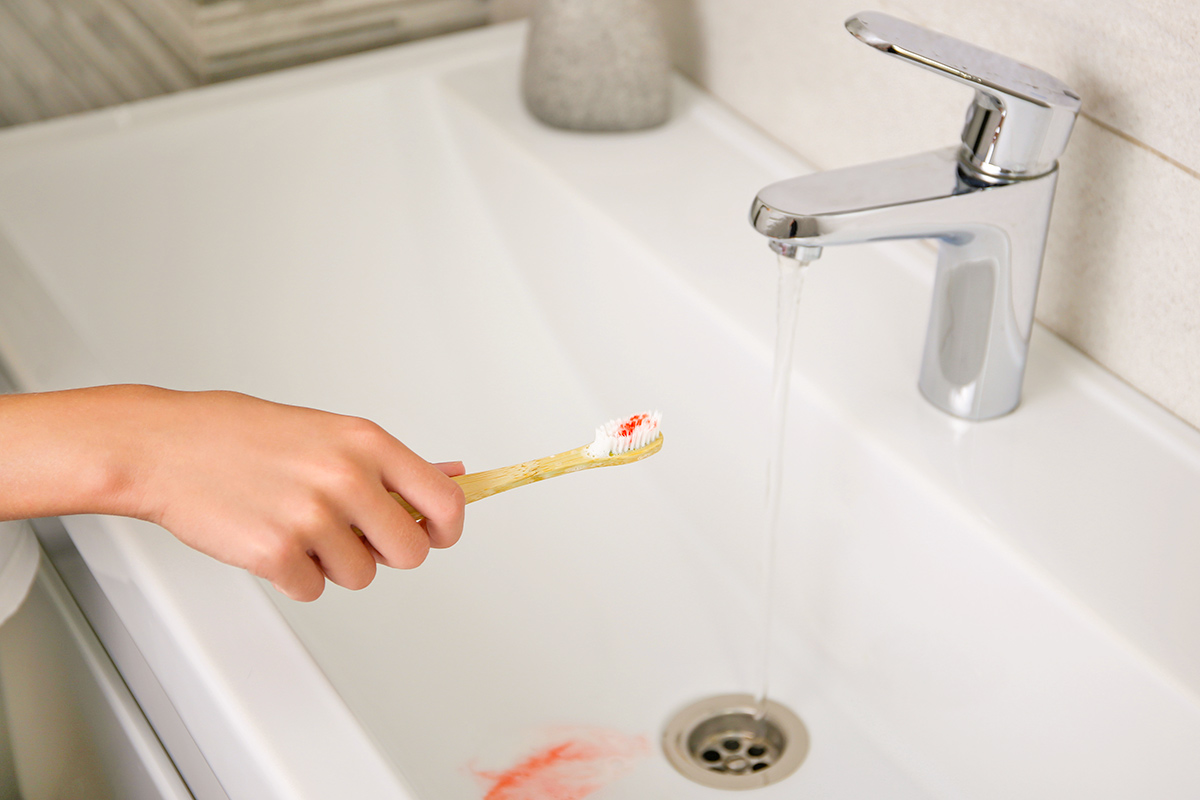
There may be traces of blood on your toothbrush, especially if you have oral health issues such as gum disease or mouth sores. If you’re noticing pink spots on your toothbrush or when spitting after brushing your teeth, it’s time to make an appointment with your dentist.
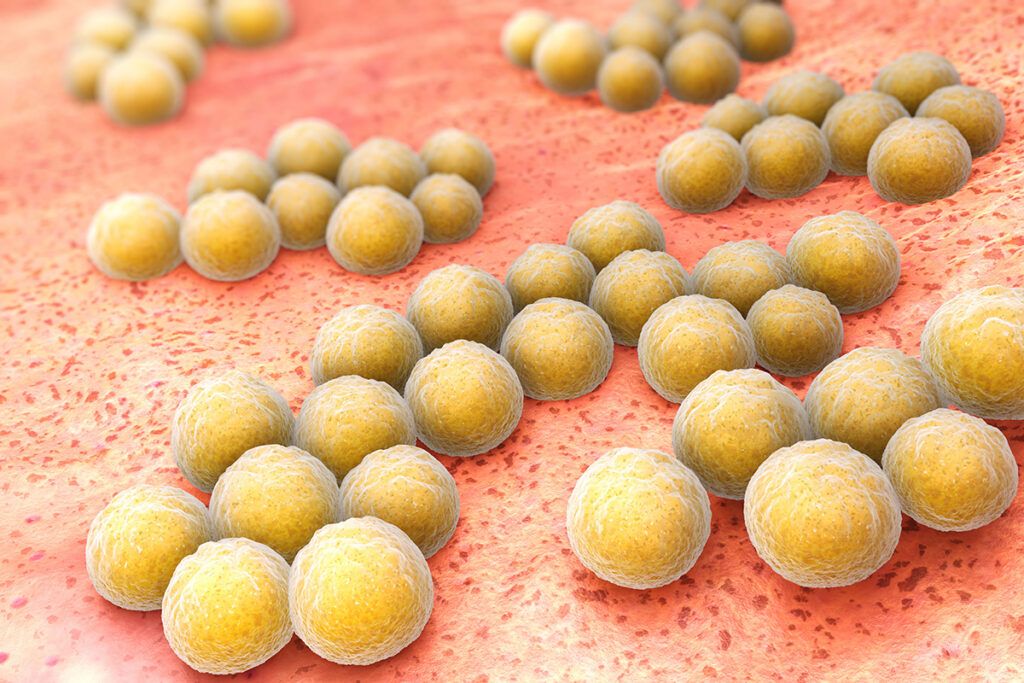
Staphylococcus Aureus and Streptococcus Mutans
Staphylococcus aureus is a type of bacteria found on our skin and inside our noses — and that’s one reason it can end up on toothbrushes. But it may also get there via aerosolized droplets from the toilet; in fact, one study found that it wasn’t present on the bristles of toothbrushes kept in bathrooms without a toilet. Once in the air, S. aureus can settle on surfaces and proliferate fast, so touching a contaminated surface is another way it can end up on your toothbrush and in your mouth. While there’s not a huge risk of disease from exposure, you certainly don’t want to let it multiply — if it gets into a break in your skin or gums, you could get an infection.
Staphylococcus aureus isn’t the only staph bacteria you need to worry about: Streptococcus mutans is found in your mouth — primarily in the biofilms that form on your teeth — so it’s no surprise that it’s also on your toothbrush. Unfortunately, this bacterium causes tooth decay, and buildup such as dried toothpaste, calcium, and minerals from hard water can create hard deposits that trap the bacteria and increase your exposure. Studies have also shown that if you’ve recently had gum disease treatment, you have an increased risk of this type of bacteria in your mouth.

Flu Virus
Did you know that flu viruses can live on toothbrushes for more than 72 hours? If you or a family member has been sick, it’s time to get a new toothbrush. Experts say you should replace it within three to four days of feeling better.
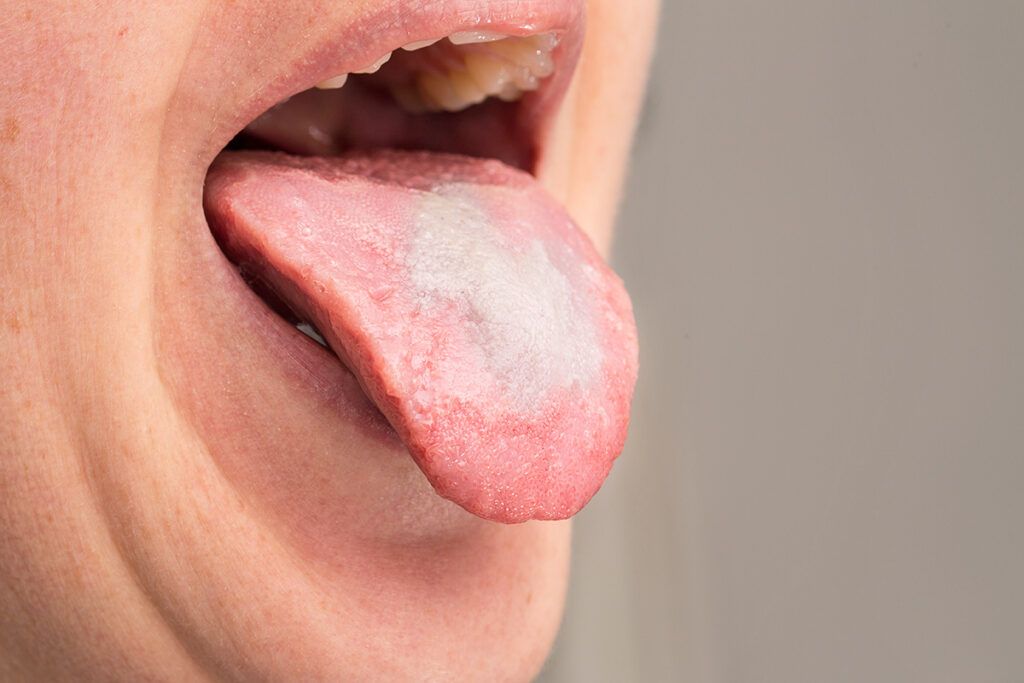
Candida Fungus
Candida is a type of yeast that naturally lives on our skin, and an overgrowth of it can cause an infection. In the mouth, it can result in tongue thrush. Your toothbrush can contain this fungus as a result of toilet-flushing plumes if you had a previous infection, or if your toothbrush touches another one harboring candida.
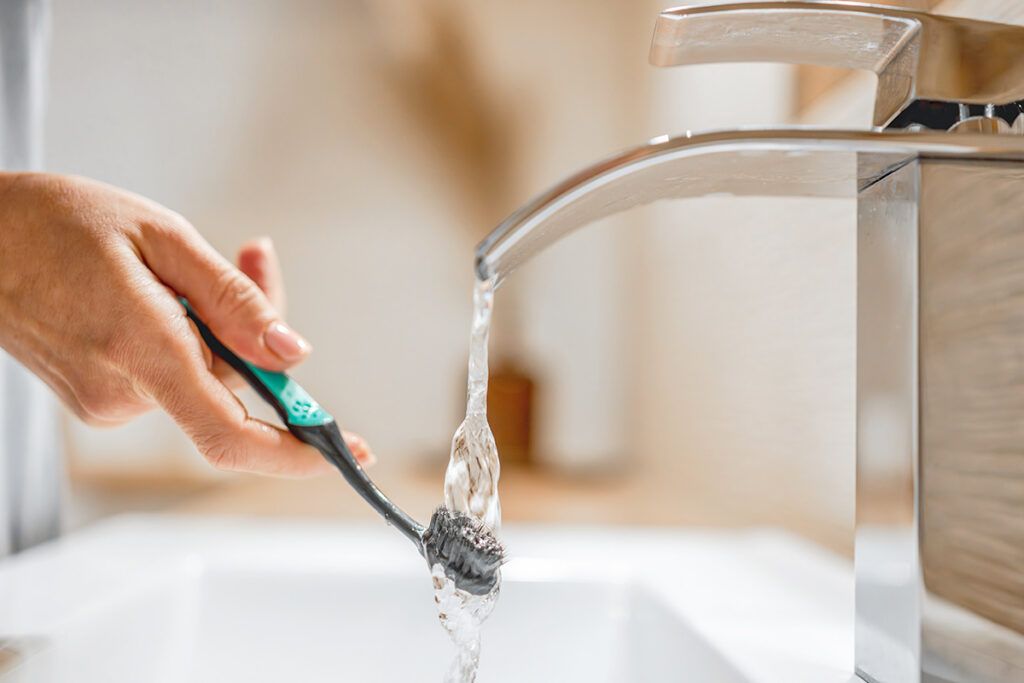
How To Keep Your Toothbrush Clean
After reading this list, you’ll probably want to keep your new toothbrush as clean as possible. Here are a few maintenance tips to keep in mind.
Thoroughly rinse it with hot water after every use. While this isn’t enough on its own, thorough rinsing can remove particles that accumulate with regular brushing.
Store your toothbrush in a dry, upright location away from the toilet. Keep it in your medicine cabinet or dresser drawer to limit exposure to harmful bacteria.
Skip the toothbrush cap. It may sound contradictory, but that plastic toothbrush cover can create a moist environment that prevents your toothbrush from drying fully and allows bacteria to thrive.
Clean your toothbrush regularly. Once a week, mix one teaspoon of peroxide with one cup of water and let your toothbrush soak for about 15 minutes. Rinse with hot water thoroughly after.
Replace your toothbrush or toothbrush head every three to four months. Mark the calendar or set a reminder to swap out your brush. Do it sooner if you or a family member has been sick or if you notice damaged bristles.
Avoid using anyone else’s toothbrush. Sharing toothbrushes is a fast way to also share germs, so it’s best to use your own toothbrush. If you’re in a bind, just rinse your mouth thoroughly with water until you can pick up a new one.
Featured Image Credit: © VYCHEGZHANINA—iStock/Getty Images
More From Our Network
Better Report is part of Inbox Studio, an email-first media company. *Indicates a third-party property.







Based in Portland, Oregon, Nicole Pyles is an experienced freelance writer who writes about home and kitchen, health and wellness, and more. She's written for a variety of outlets, including Better Homes and Gardens, Tom's Guide, Better Report, and more.
This article is for general informational purposes only.
Affiliate Disclaimer Medical Disclaimer Financial Disclaimer