How Old Are the Apples in the Grocery Store?

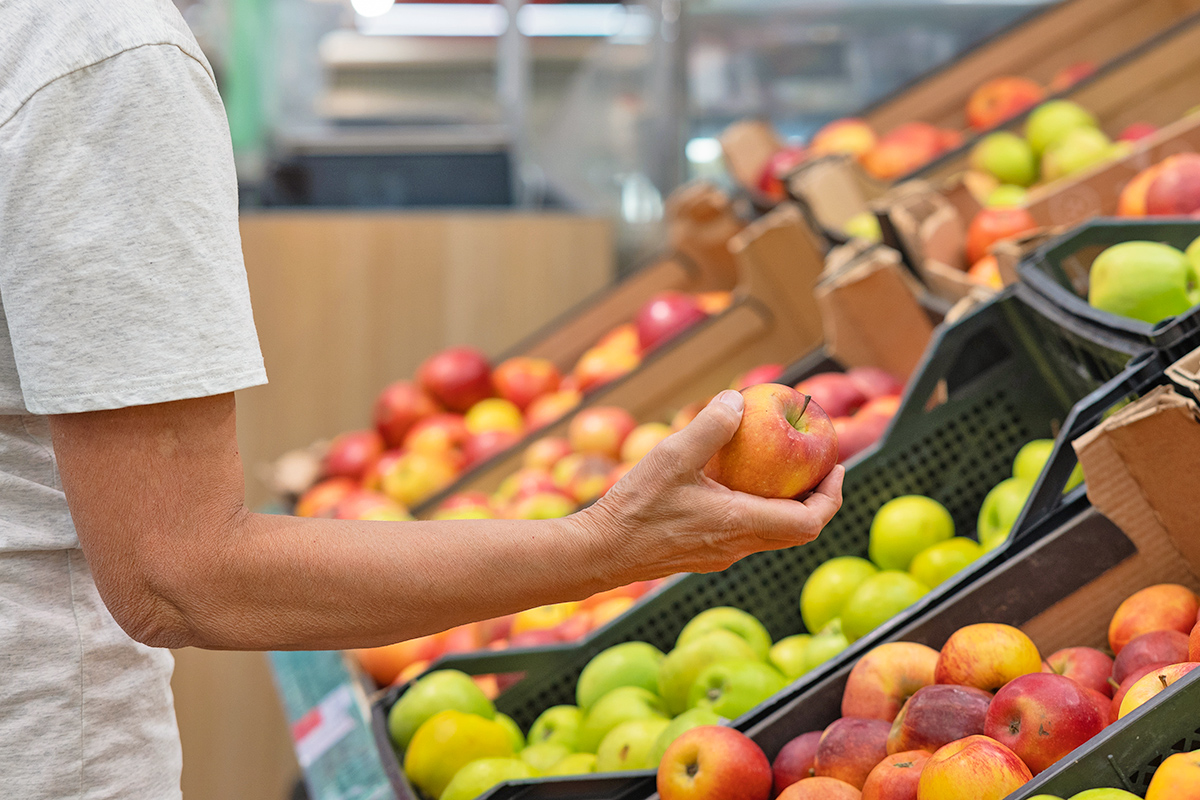
Whether you prefer Gala, Honeycrisp, or McIntosh, apples are a staple of fall. Just their scent calls to mind sipping hot cider on a hayride and slicing into pie at Thanksgiving. But apples aren’t strictly an autumnal snack. In the U.S., they’re easily available year-round. Their accessibility makes them one of the most popular fruits in the country, but if consumers stopped to question how a fall crop is being sold in July, they may not like the answer. So how old are the apples at the supermarket, really? And are they still safe to eat?
How Are Apples Harvested?
Apples mature and are harvested in the fall, typically from August to November. However, not all apples go straight to the grocery store after they’re plucked.
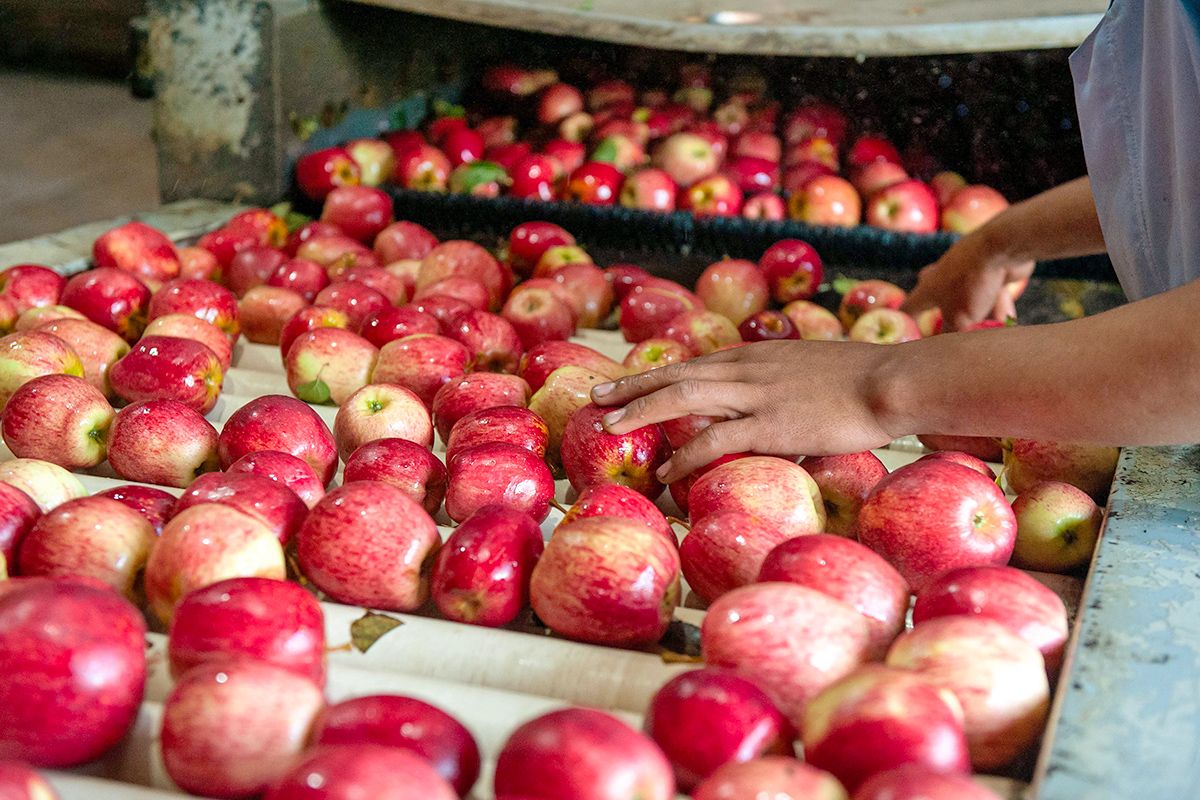
Industrial-grade apples are sorted and transported inside processing facilities using water. Packagers remove the healthy apples that float to the top and cull the rest. (If a facility doesn’t have water tanks, the apples may be put on a conveyor belt, where culls are identified and removed by workers along the line.) Once they’re cleaned and dried, the apples are treated with a gas that blocks ethylene, which makes the fruit ripen, and coated in preservative wax to help them stay moist. The apples are then prepared for retail or storage.
Even the apples sold during harvest season need to be temperature controlled. Before they’re shipped and stocked, they’re stored just above freezing — between 34 and 38 degrees Fahrenheit (or 1 to 3 degrees Celsius). But for apples meant to last until the next calendar year, the preservation process is much more involved.
So, How Old Are Apples at the Store?
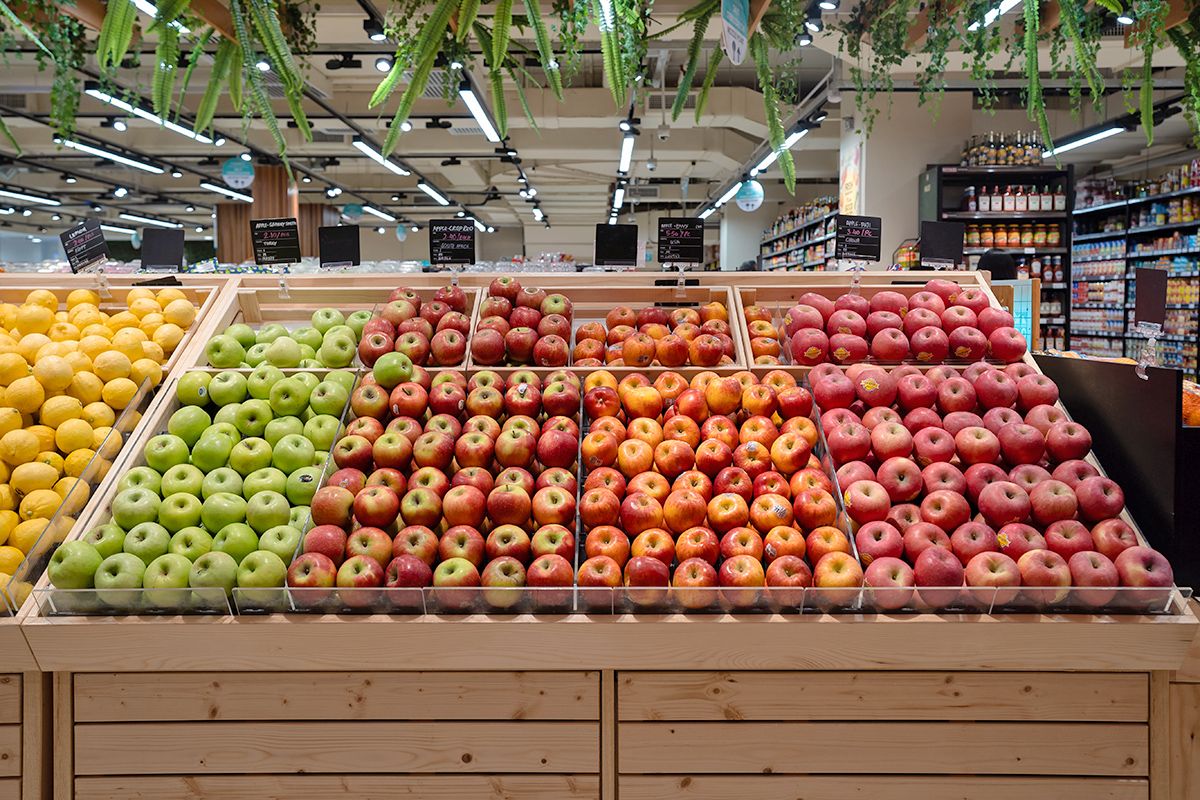
The apples you find in the supermarket could have been picked anywhere from a month to a year ago. Unlike some other fruits, apples have a very limited harvest season. Farmers are responsible for plucking them just before peak l ripeness in the fall. From there, it’s up to packagers to stretch that crop through the rest of the year.
Commercial apples from the previous fall are kept in “controlled atmosphere” (CA) storage. In addition to cooling the environment closer to freezing, CA storage keeps oxygen levels at 1% to 3% (compared to typical levels of around 21%).
This keeps apples fresh for up to 12 months. According to Reader’s Digest, just 40% of apples harvested in autumn are sold before December 1, which means the majority of them rely on CA storage to maintain their freshness.

Reader Favorites



Are Those Old Apples Safe To Eat?
While the thought of eating year-old produce may be unappetizing, most consumers wouldn’t be able to date a supermarket apple by taste alone. Cultivars like Red Delicious and Fuji are bred to have a long shelf life. That hardiness, combined with high-tech storage methods, means a year-old apple is just as safe to eat as the day it was picked.
Coating the apples in wax and keeping them cold stops them from releasing ethylene gas. Then, the highly regulated environment of CA storage essentially puts the apples to “sleep,” allowing packagers to further prolong the natural ripening process until the product is ready for distribution.
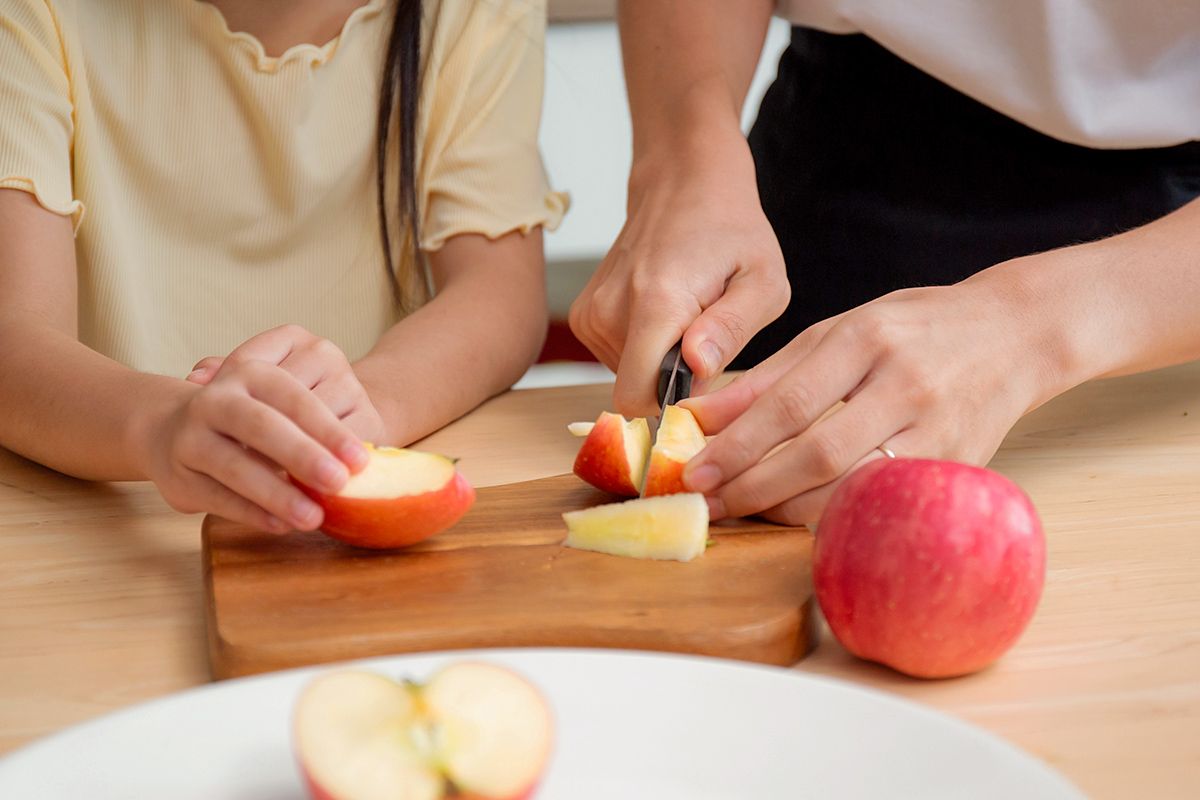
That said, it is possible for the occasional bad apple to appear in a bunch. At the grocery store, you can use your best judgment: Apples should be firm, not overly hard or soft to the touch. To make them last the longest at home, store your apples in your fridge’s crisper drawer in a plastic produce bag left open slightly; this helps the apples retain moisture while allowing air to circulate. (Don’t wash them before you store them — this will shorten their shelf life.) Even at their ripe old age, the apples you bring home from the store can last another month, or even longer, if stored properly.
Featured Image Credit: © Svetlana Verbitskaya—iStock/Getty Images
More From Our Network
Better Report is part of Inbox Studio, an email-first media company. *Indicates a third-party property.





Julia Rittenberg is a culture writer and content strategist driven by a love of good stories. She writes most often about books for Book Riot. She lives in Brooklyn with a ton of vintage tchotchkes that her cat politely does not knock over.
This article is for general informational purposes only.
Affiliate Disclaimer Medical Disclaimer Financial Disclaimer