The Biggest Food Storage Snafus and How to Avoid Them

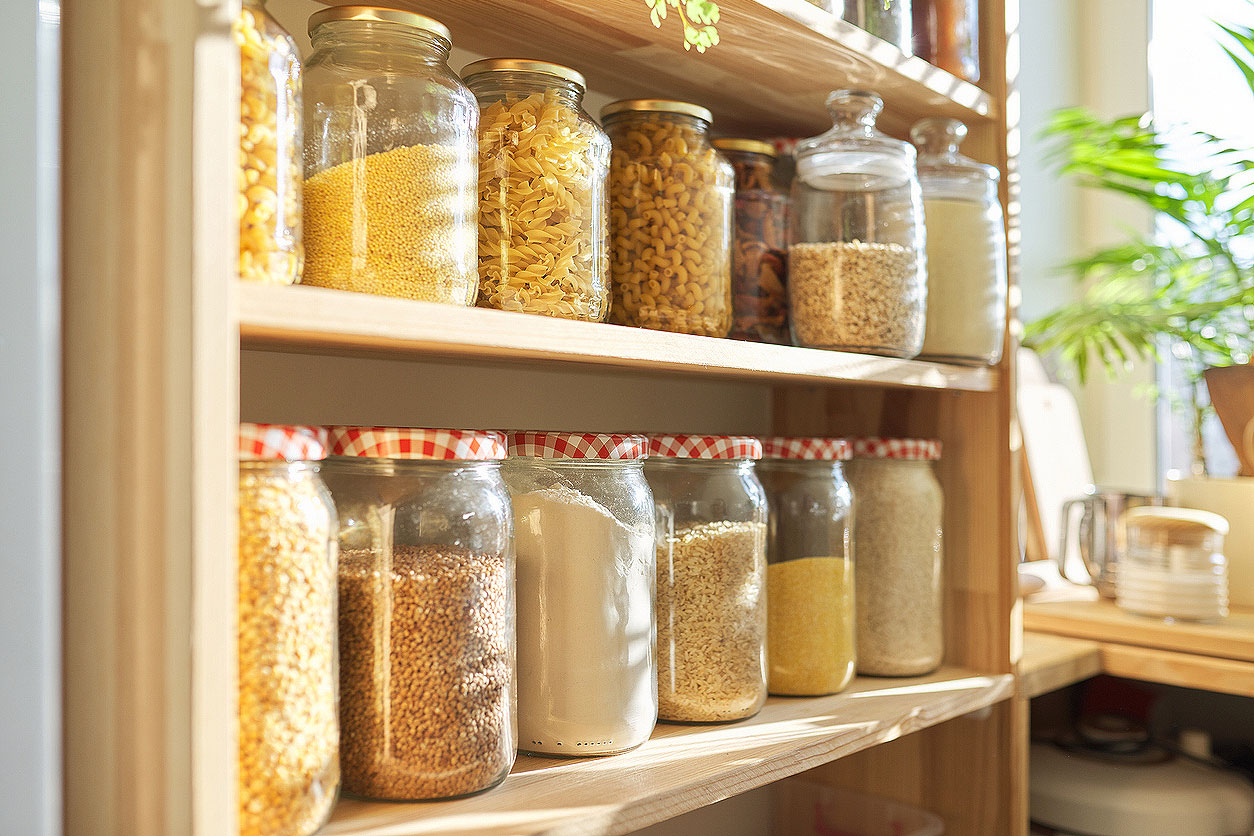
How you store your food matters. Different food storage methods can make your groceries expire faster than they should or even spread around unfriendly bacteria. Do you have to refrigerate everything after opening it? Which produce shouldn’t be stored next to tomatoes? There are so many rules to keep up with. Don’t let these common food storage snafus plague your kitchen any longer. We’ve gathered some of the biggest storage kitchen mishaps to help you know what to do — and what not to do.
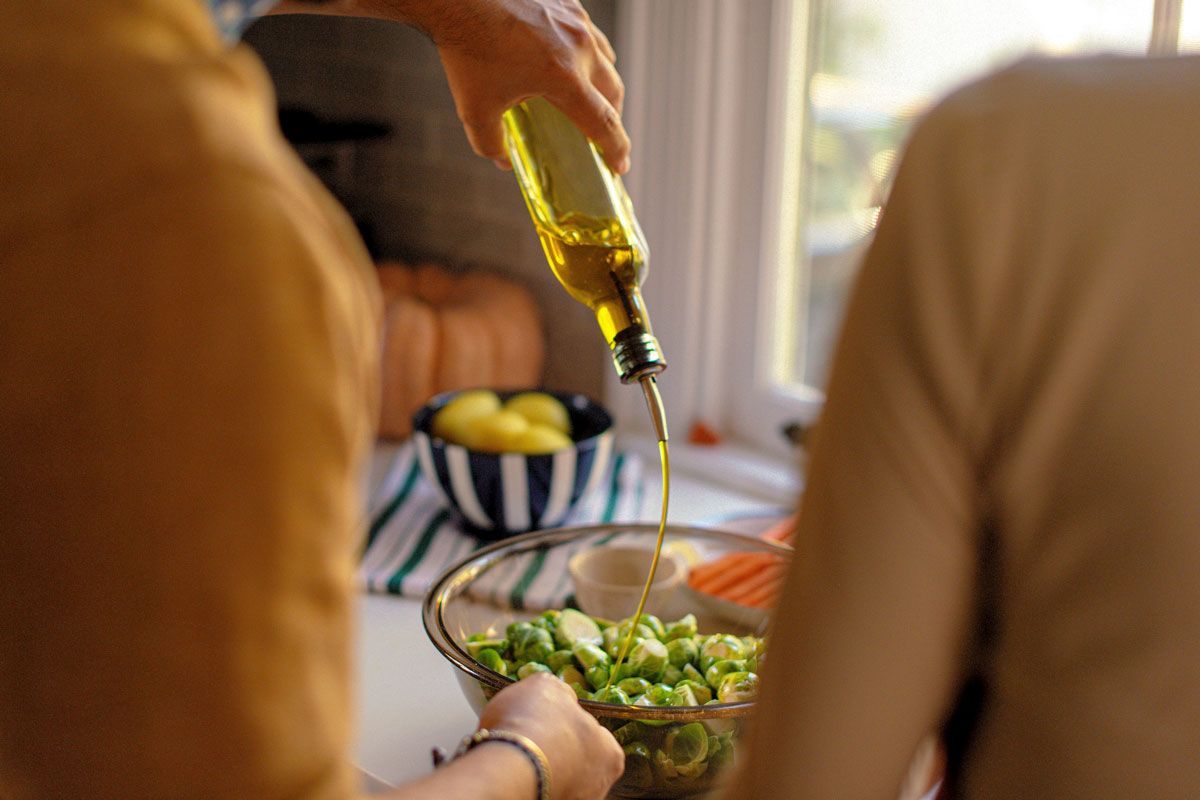
Don’t Store Oil Near the Stove
Cooking oils can last months to a year after opening, but the key to keeping them fresh is how they’re stored. Keeping oils in a cool, dry place with tightly fitted lids prevents them from going rancid, so storing oils near a cooktop or oven is a bad idea. Heat from an oven or stovetop can cause oils to break down faster than necessary, causing them to develop foul tastes and flavors.
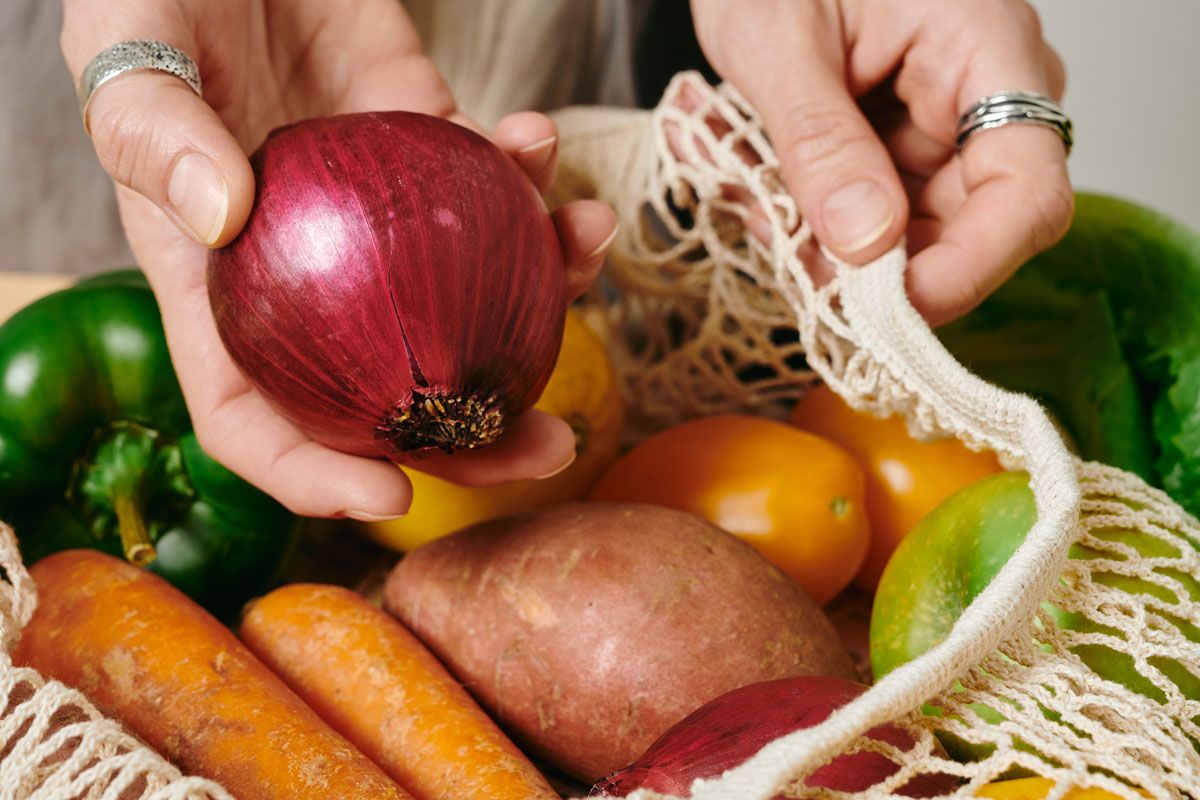
Don’t Keep Potatoes and Onions Together
Onions and potatoes require cool, dry environments, so they’re often stored together. However, this pairing can actually speed up how quickly both pantry staples degrade. Onions release ethylene gas, which can cause potatoes to spoil and rot, while potatoes are packed with moisture that makes onions mushy. Avoid this decomposition double-whammy by keeping the produce in separate spaces.
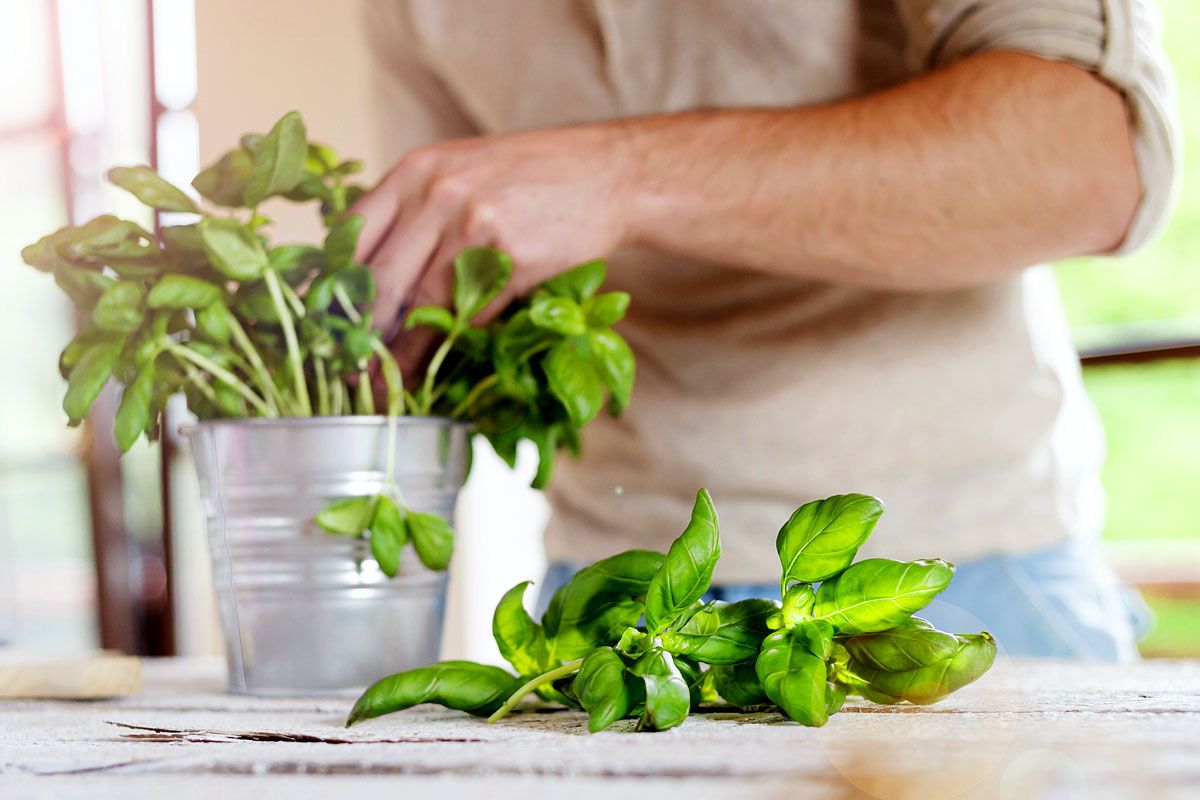
Don’t Put Wet Produce in the Fridge
Washing fresh produce the same day it comes home from the grocery store can make mealtime easier later in the week. However, all that effort can be wasted if wet produce makes its way into the fridge, where the extra moisture is likely to inspire rot than dinnertime delight. Dry produce thoroughly with a kitchen towel, paper towel, or salad spinner to help it last days longer.

Reader Favorites



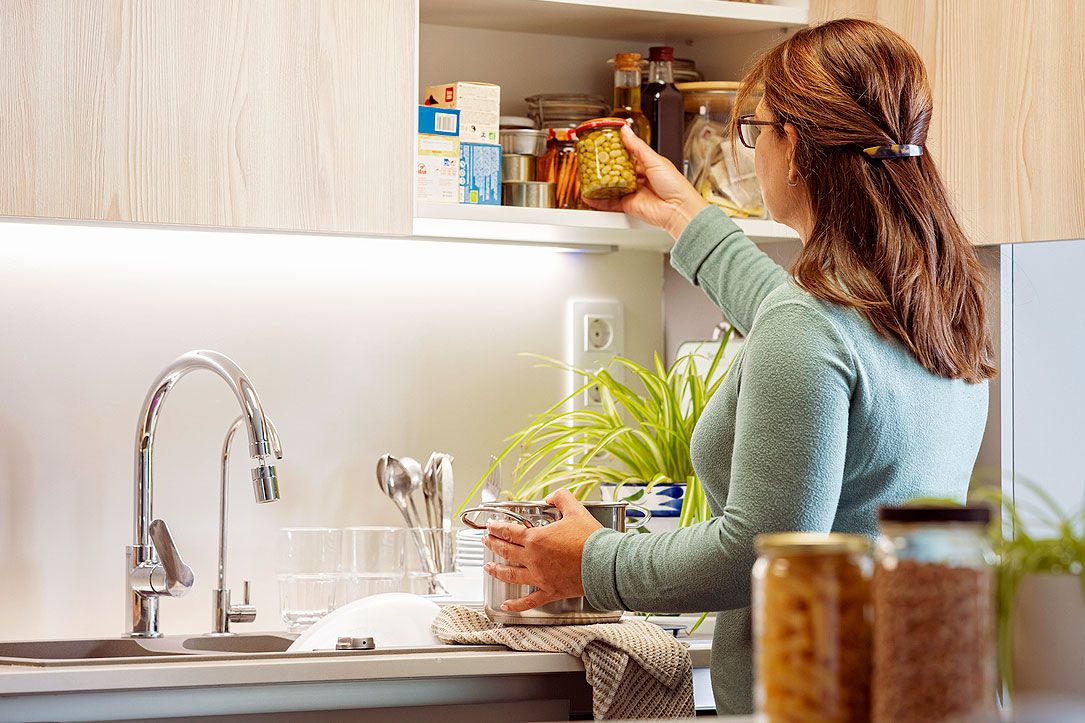
Throw Away Dented or Rusted Cans
Most store-bought canned foods can last up to five years under the right conditions. However, only some cans are worth keeping in your cupboard for that long. Cans that develop rust spots or have dents are at a higher risk of causing food spoilage. These abrasions can create tiny holes that cause the seal to fail, letting in bacteria that make them no longer safe to eat. Avoid purchasing canned goods with large dents, and quickly consume any cans that happen to take a beating on the way home from the store. Cans with major rust spots should also be tossed.
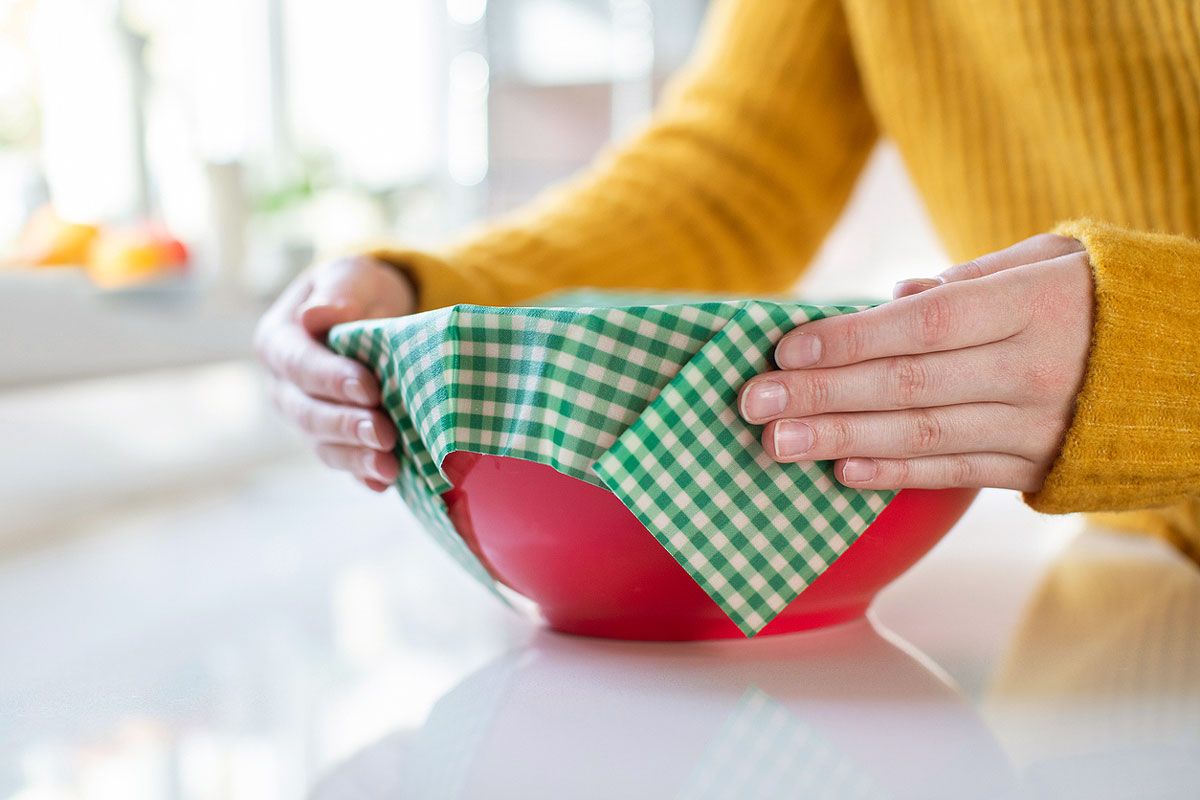
Always Cover Leftovers
We’ve all been there — it’s time to put dinner leftovers away, but since you’re tired, you just place the whole plate into the fridge instead of scraping it into a storage container. The problem is that uncovered foods are at a higher risk of contamination from mold and other fridge-dwelling bacteria that can cause unfortunate flavors at best or foodborne illness at worst. Use securely sealed containers, plastic wrap, or aluminum foil to keep food fresh in the fridge.
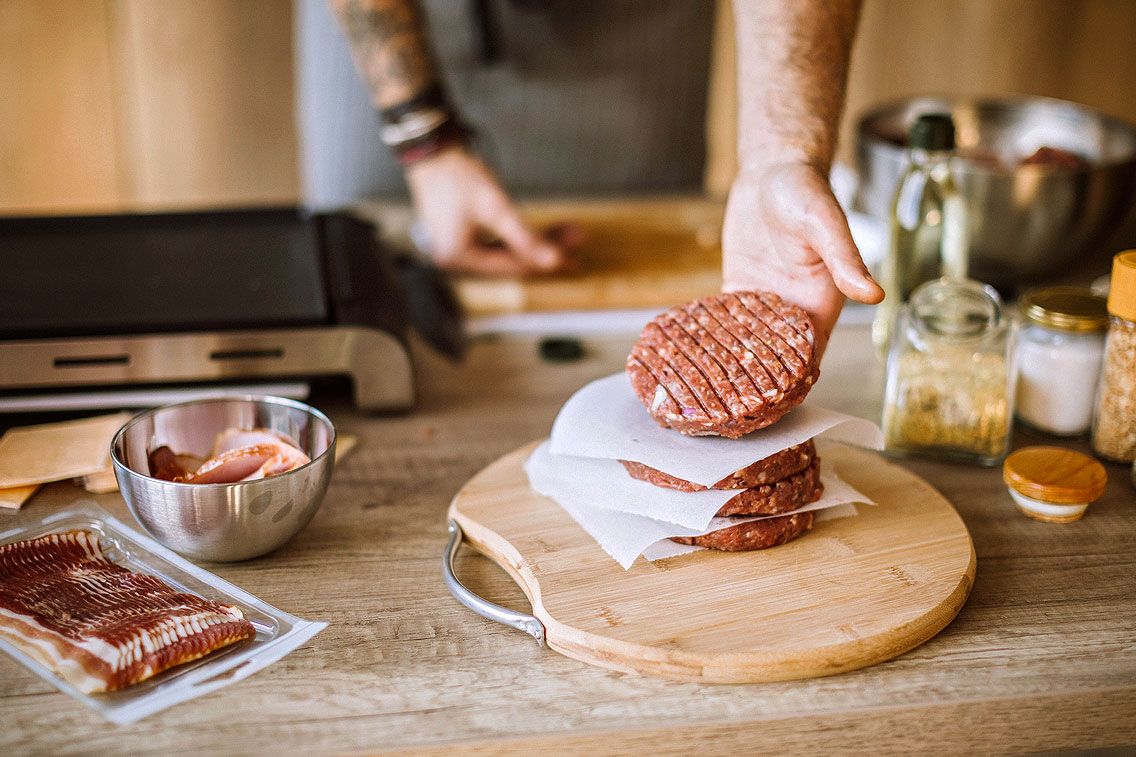
Don’t Place Meat On the Top Shelf
Most refrigerators have a designated meat storage area, usually toward the bottom. That’s by design — keeping meat away from other foods is a great way to avoid spreading bacteria. Putting meat higher up can allow its liquids to drip down and contaminate other foods. While that unwanted bacteria can often be killed off cooked foods, this unpleasant situation can cause food poisoning in lettuce and other produce that isn’t cooked before consumption.
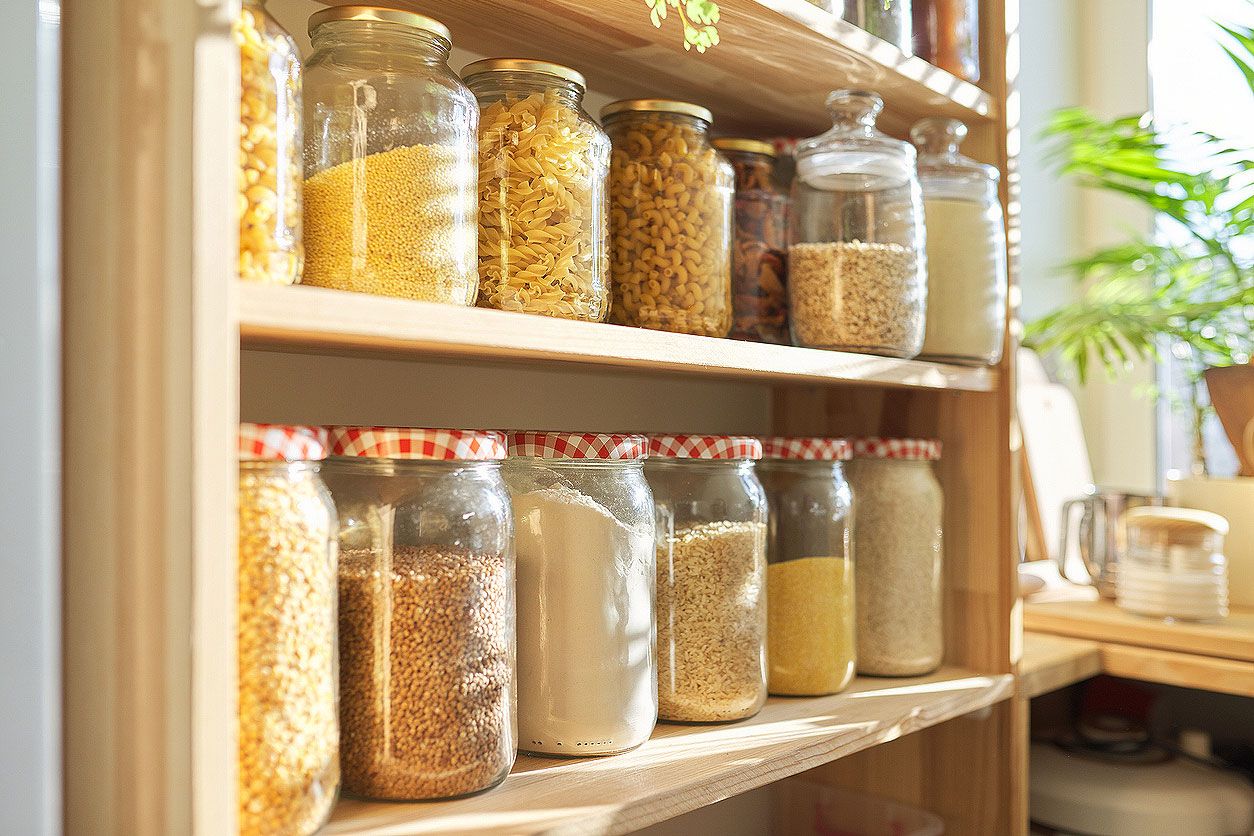
Regularly Eat Through Your Pantry
No food lasts forever — even highly processed shelf-stable products. While it’s easy to taste test dry goods for a quality check, you can avoid doing so by cycling through your pantry regularly. Organize pantry staples using the same method restaurants and grocery stores use — FIFO, meaning “first in, first out.” Arrange items with the nearest “best-by” or expiration date in the front of your pantry and fresher products in the back to cut back on waste. The process works for freezers, too, keeping frozen fresh and preventing the development of freezer burn.
Featured Image Credit: Valeriy_G/ iStock
More From Our Network
Better Report is part of Inbox Studio, an email-first media company. *Indicates a third-party property.






Nicole Garner Meeker is a freelance writer, research editor, and Inbox Studio contributor. Based in St. Louis, she’s an enthusiastic gardener, fiber artist, and connoisseur of fine snacks.
This article is for general informational purposes only.
Affiliate Disclaimer Medical Disclaimer Financial Disclaimer