Is It Safe To Refreeze Food After Defrosting?

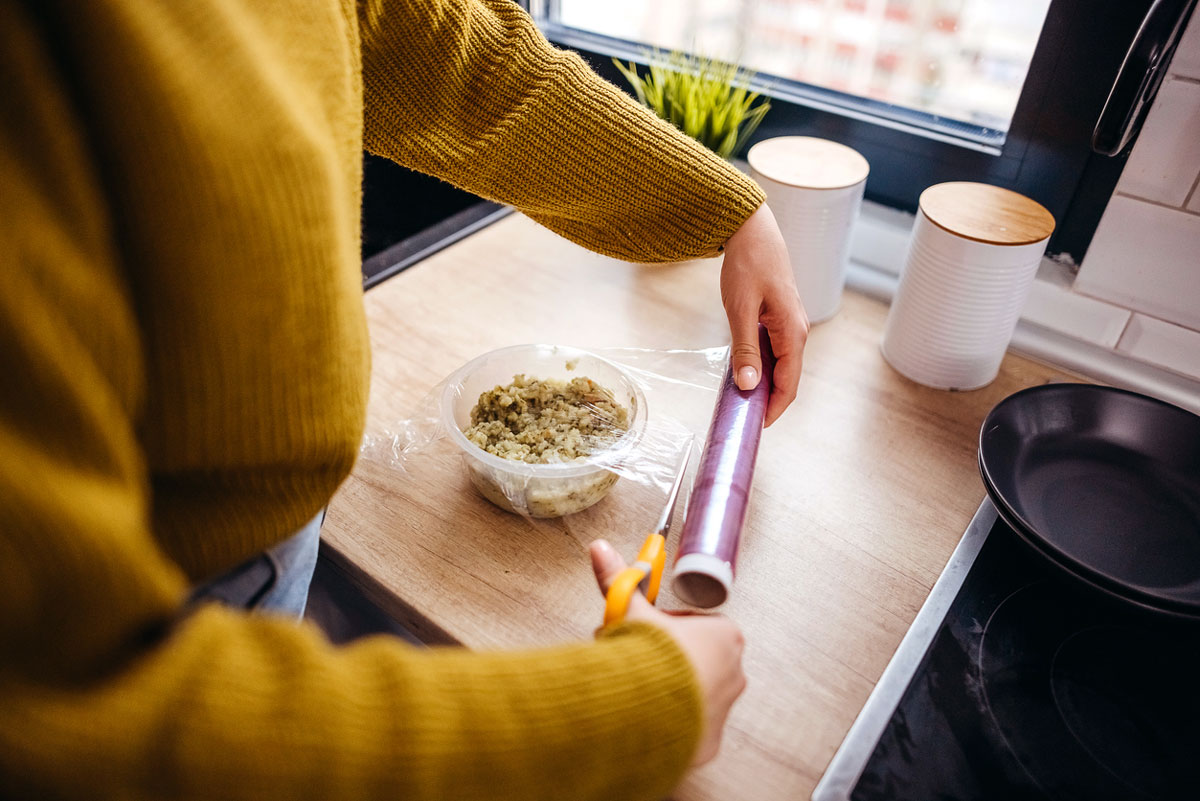
Before electric freezers, home cooks relied on ice boxes to preserve their foods, and sometimes even underground ice pits for long-term storage. Today’s home cooks have it much easier with reliable, modern appliances, though it’s not uncommon to still have questions about food safety when it comes to freezing. It turns out that most raw and cooked foods can safely spend time in a freezer, but how to safely defrost — and even refreeze — food is a trickier question. Here’s a handy guide to freezing and reheating meals safely.
Be Picky About What Gets Frozen
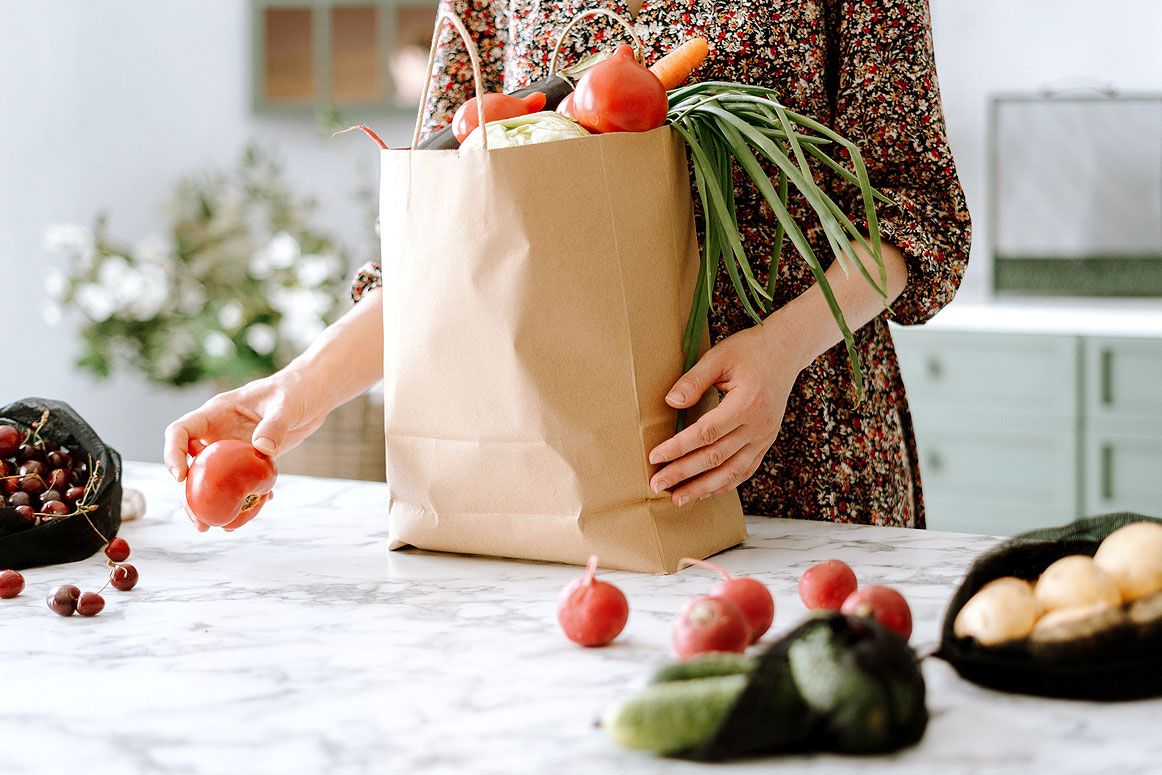
Freezers are great at preserving food, and for many grocery items, freezing is a perfect way to store them for later. However, in some cases, cold storage can ruin the flavor or texture of perfectly normal foods. Avoid adding dairy products like milk, cottage cheese, and yogurt to the freezer since their liquids can separate (though small amounts of these ingredients inside cooked dishes are acceptable). Raw produce with a high water content — like potatoes, cucumbers, celery, and salad greens — should never go into the freezer since they’ll defrost into inedible mush.
Don’t Wait To Freeze Your Food
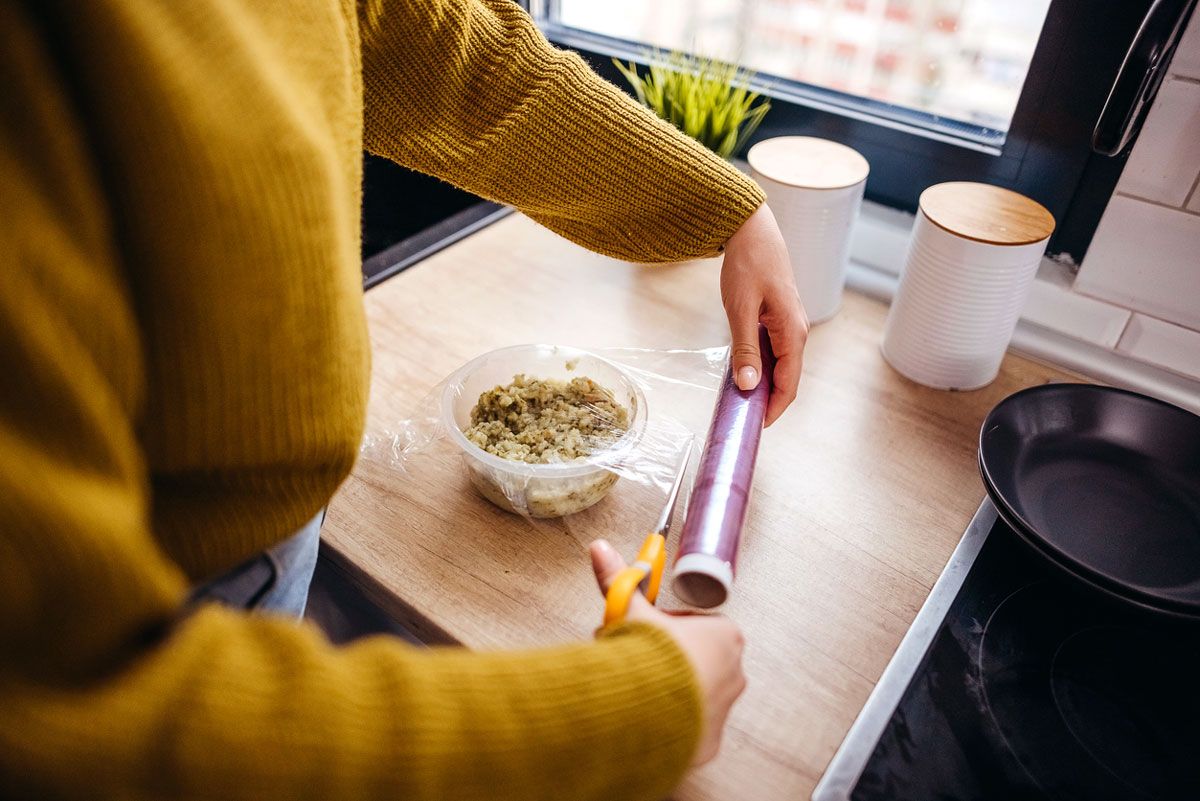
Freezing suspends food in time, making it safe to eat months after buying or cooking. Unfortunately, home freezers don’t get cold enough to kill bacteria — they just inactivate it. When defrosted, the microbes can do what they do best: multiply and cause food spoilage. Food experts say that’s why leftover soups, casseroles, and other meals should be frozen within two to three days of cooking. Raw meat can safely remain in the fridge for one to two days, though if the package you purchase has reached its “sell-by” or “use-by” date, it should be consumed or frozen immediately.
Don’t Let Food Languish in the Freezer
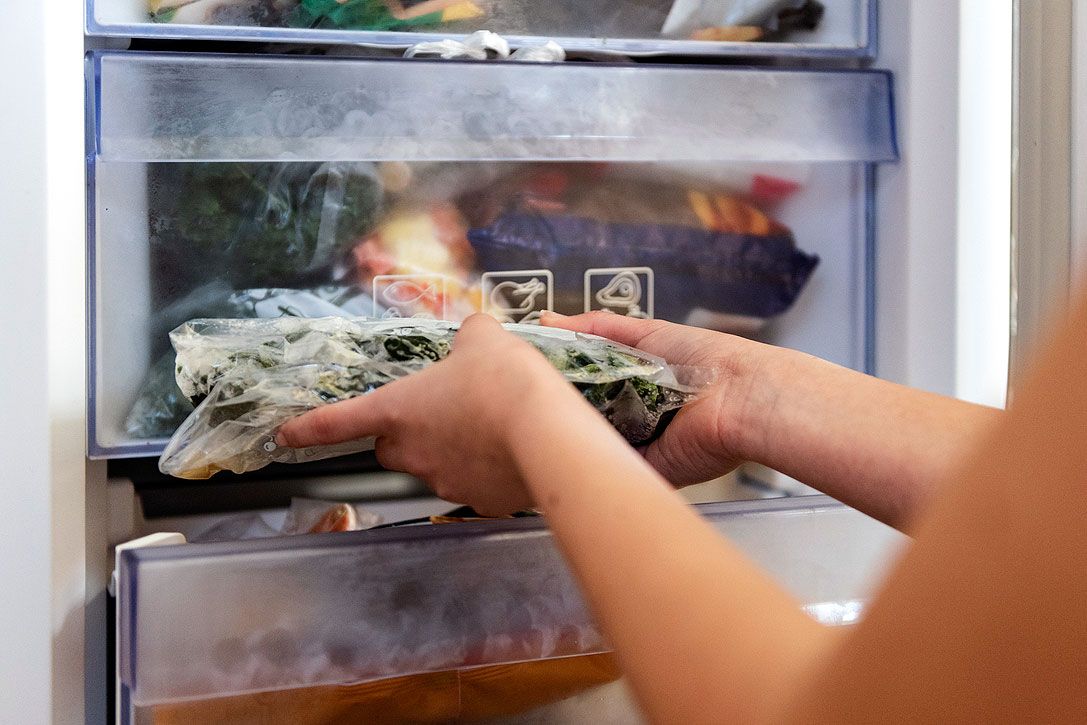
Unfortunately, freezers can’t keep food fresh forever. Enter: the dreaded freezer burn. This icy nuisance happens when frozen foods are exposed to air, which draws out their moisture and affects flavor and texture. (Freezer burn is easy to spot thanks to the ice crystals that reappear on the surface of frozen foods.) While the FDA says freezer-burned foods are still safe to eat, they’re typically not appealing visually or taste-wise, which is one reason to work through your frozen food stash regularly. While most foods should rotate through your freezer and be used up within three to six months for best flavor and quality, there are some exceptions for maximum storage:
• Fresh beef, pork, and chicken: 12 months
• Lean fish like cod, trout, and pollock: 8 months
• Shrimp and squid: 18 months
• Raw egg whites and frozen egg substitutes: 12 months
Frozen foods won’t “spoil” if they surpass those guidelines, though they may lose some flavor and quality.

Reader Favorites



Defrost Frozen Foods Safely
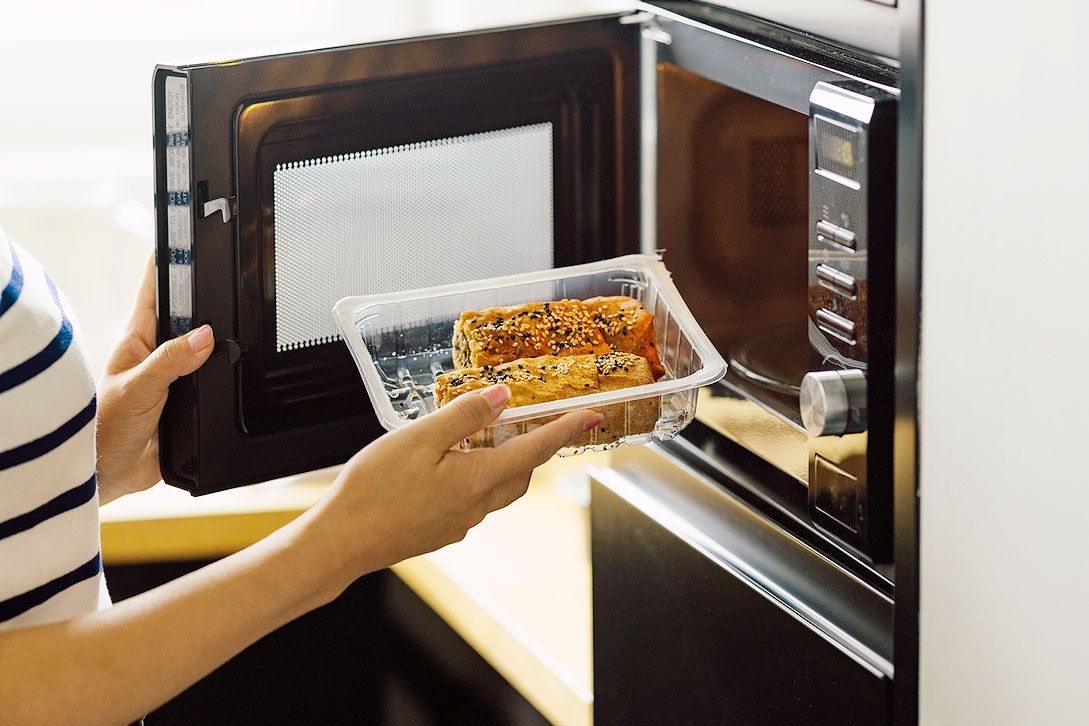
Defrosting food safely is about keeping it cool enough as it warms — preferably under 40 degrees Fahrenheit. At higher temps, bacteria inside of food can begin to cause spoilage. Frozen food can be moved into the fridge to defrost slowly overnight, though using the microwave defrost setting is just as safe and can be faster in a pinch. The third option is to submerge the food package in cold water, changing the water every 30 minutes until thawing is complete. And not all foods need to be defrosted before they’re cooked — adding ingredients directly from the freezer to a dish is often safe. However, in the case of meat, the cooking time can take up to 50% longer.
Reconsider Refreezing
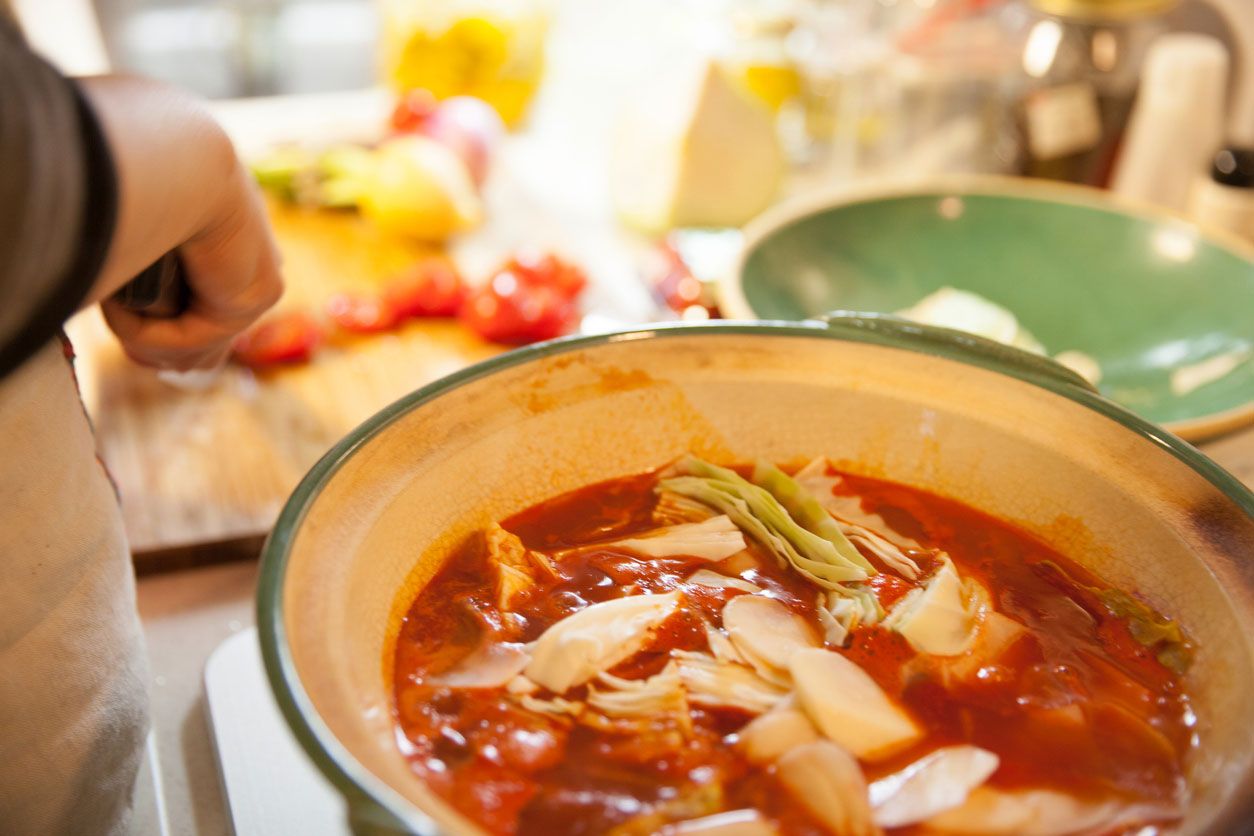
Can you refreeze defrosted foods? Technically, yes, though it’s not necessarily the best idea. According to the USDA, properly thawed foods — including raw meat — can be safely refrozen, though they may not taste the best when they’re defrosted again in the future. That’s because the water inside food expands when it freezes, breaking down the microscopic cells that give food its structure. Repeated freezing and defrosting can cause food to become mushy, so it’s best to use thawed ingredients for your next meal instead of popping them back into the freezer.
Featured Image Credit: StefaNikolic/ iStock
More From Our Network
Better Report is part of Inbox Studio, an email-first media company. *Indicates a third-party property.






Nicole Garner Meeker is a freelance writer, research editor, and Inbox Studio contributor. Based in St. Louis, she’s an enthusiastic gardener, fiber artist, and connoisseur of fine snacks.
This article is for general informational purposes only.
Affiliate Disclaimer Medical Disclaimer Financial Disclaimer