If You’re Over 50, You’re Probably Deficient in This Vitamin

If you’re over 50, there’s a good chance you’re not getting enough of one critical nutrient: vitamin D. One study found that 59.7% of men, and 86.5% of women over 50 were deficient in the vitamin. “As we age, our skin becomes less efficient at producing vitamin D from sunlight, and our kidneys, which help convert D into its active form, also become less effective,” explains Lauren Manaker, RDN, a registered dietitian, nutrition expert, and consultant for MegaFood. “On top of that, many of us aren’t eating enough of the foods that naturally contain, or are fortified with, vitamin D, like dairy milk and certain types of fish, like salmon or mackerel.” Add to that the fact that many older adults spend more time indoors and generally shaded from the sun when outside, and it’s no surprise that low levels are so widespread.
What Is Vitamin D And Why Do I Need It?
“Vitamin D is a fat-soluble vitamin that acts more like a hormone in the body,” says Manaker. “It’s essential for absorbing calcium, which is critical for maintaining strong bones and teeth.” Vitamin D also supports immune function, muscle health, and may even impact mood regulation, she adds. Unfortunately, it’s challenging to get enough vitamin D from food alone, and modern lifestyles often limit sun exposure. “Factors like darker skin tones, living in northern latitudes, or wearing sunscreen can further reduce vitamin D production,” Manaker explains.
One of the most well-known consequences of a vitamin D deficiency is weaker bones, as low levels of the vitamin can lead to decreased calcium absorption, increasing the risk of osteoporosis and fractures. But it’s not just your bones. “There’s growing evidence that a deficiency may contribute to cognitive decline, fatigue, and even depression,” Manaker says. Because vitamin D plays a role in brain health and mood, she notes that having low levels can leave you feeling drained, both mentally and physically. It can also weaken your immune system, making you more vulnerable to illness.

Can’t I Just Get It From the Sun?
In theory, yes — but it’s not always practical or safe, Manaker notes. While your skin produces vitamin D when exposed to UVB rays, there are limiting factors, including the time of year, where you live, your skin tone, and how much of your skin is exposed. “Sun exposure is also linked to an increased risk of skin cancer,” she says. “Which is why it’s recommended to limit your time in the sun and use sunscreen to protect your skin.”

Reader Favorites




How To Up Your Vitamin D Intake
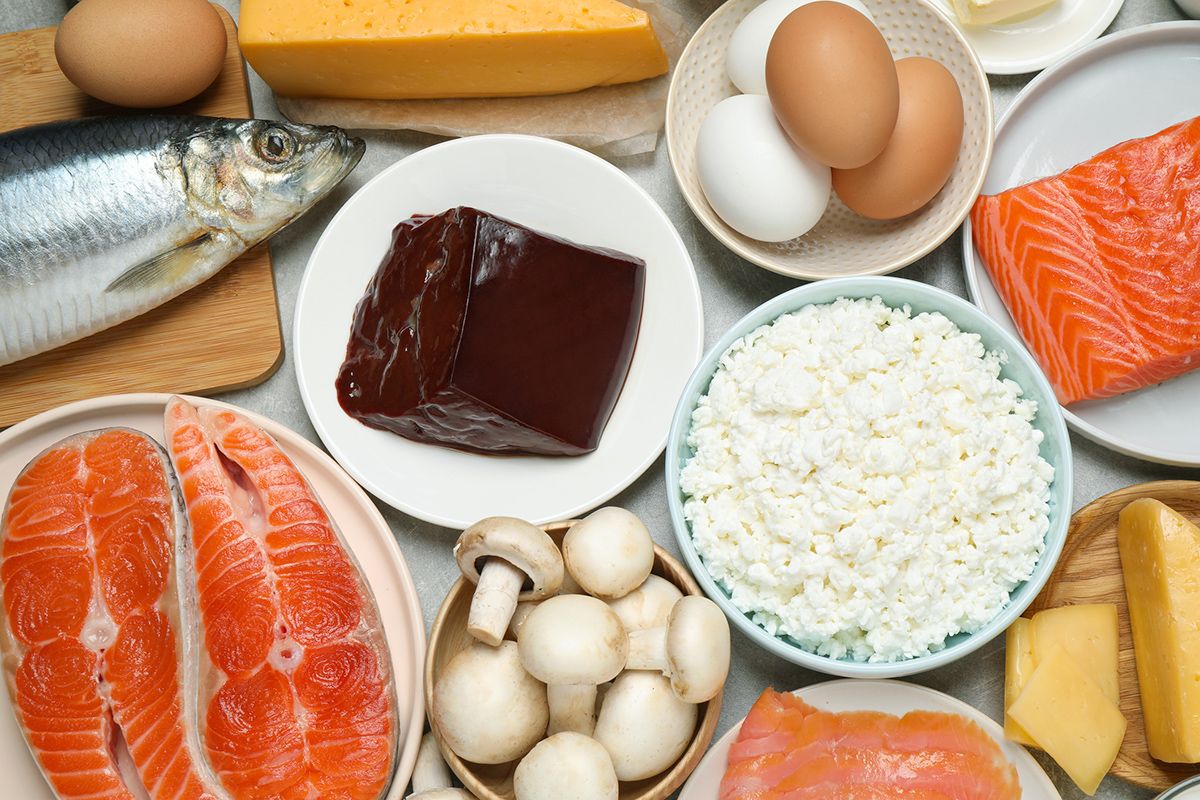
“Correcting a vitamin D deficiency often requires a combination of diet and supplementation,” Manaker says. While incorporating foods like salmon, mackerel, egg yolks, and fortified products into your diet can help, it can be difficult to consistently meet daily requirements through food alone.
When it comes to supplements, the right amount depends on your current levels, which can be measured through a blood test. “While the general recommendation for adults is 600 to 800 IU [international unit] per day, certain populations — including older adults, pregnant women, and those with darker skin — may need more,” says Manaker.
“Some people choose to take a higher dose less frequently, which tends to work just as well as taking a smaller dose every day,” she adds. “It’s important to work with your doctor or dietitian to determine the right dose for your specific needs.” As for the best supplement form? “I recommend sticking with vitamin D3 (cholecalciferol) instead of D2,” Manaker says. “D3 is the form that your body naturally produces when your skin is exposed to sunlight, so it’s more effective at raising and maintaining your vitamin D levels.”
The Best Way To Get More Vitamin D
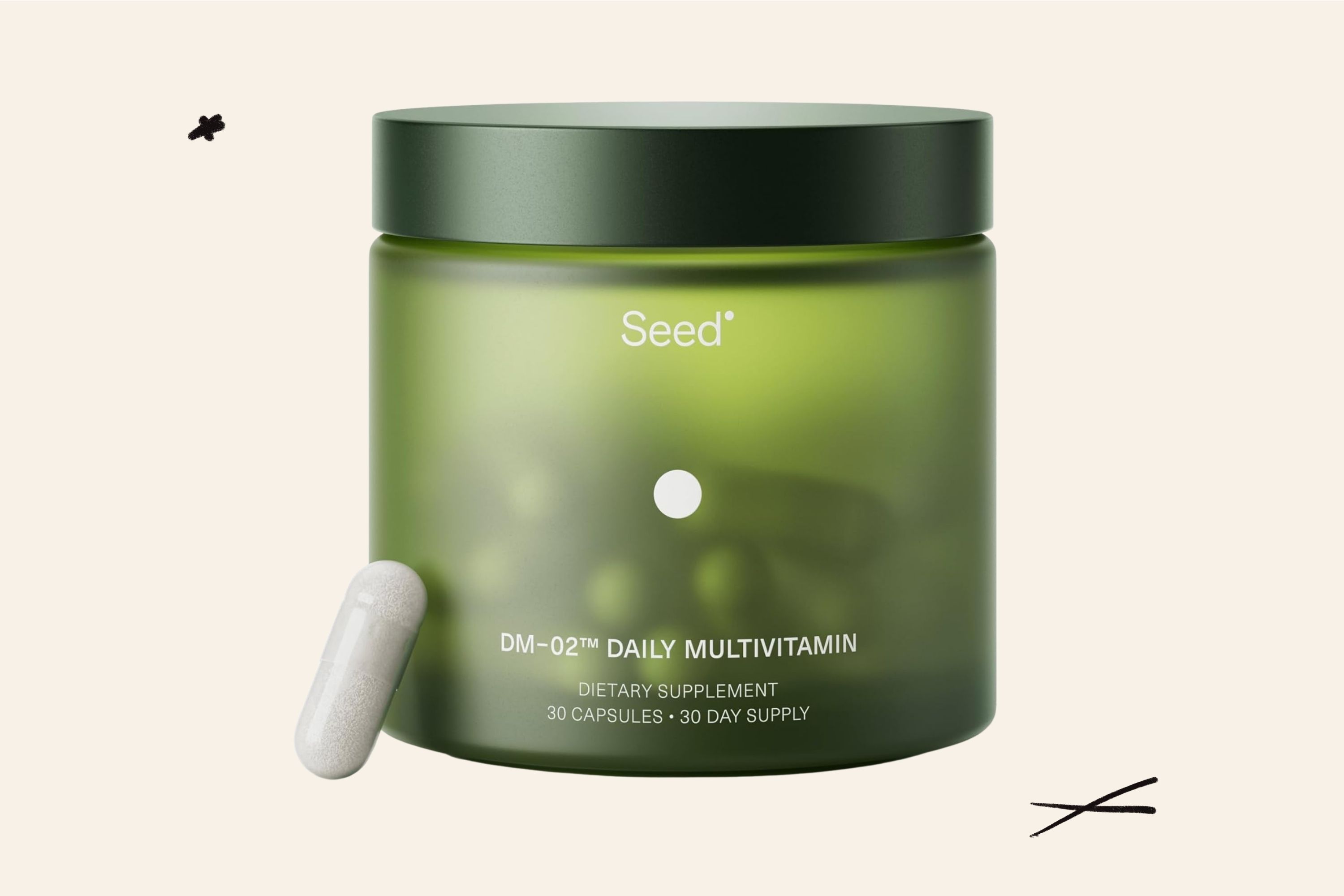
Seed DM-02 Daily Multivitamin
Getting enough vitamin D — and ideally vitamin D3 — is only one part of a well-rounded wellness routine. That’s why our recommendation is to take the opportunity to address a deficiency by building a new routine around it — and the Seed DM-02 Daily Multivitamin makes it easy to do so. Anchored by a 20 mcg (800 IU) dose of vitamin D3, this multivitamin makes sure you’re getting 100% of your daily value of 20 key vitamins and minerals to help fill common nutrient gaps: vitamins A, C, E, K1, and B, and nutrients like Iodine, Zinc, Selenium, Copper, Manganese, and Chromium.
It addresses an all-too-common deficiency while emphasizing whole-body health — from immune function and aging to strong bones and a thriving gut — using highly absorbable, bioactive ingredients combined with pre- and postbiotics to nourish your gut microbiome. The clever 2-in-1 capsule design is effective, targeted for better absorption, and easy to take every day.
Featured Image Credit: FreshSplash/ iStock
More From Our Network
Better Report is part of Inbox Studio, an email-first media company. *Indicates a third-party property.







Danielle Schlass Saliman has 24 years of experience writing and editing lifestyle content from fashion and beauty to home and money. She has worked as an Executive Editor at Woman’s World and First for Women, Assistant Editor at Working Mother Magazine, a Research Editor at InTouch Weekly Magazine and has contributed to publications such as Life & Style, Closer Magazine, The New York Post, Brides, Shape En Espanol, Rite Aid, Kmart, Sunrise Senior Living and Philadelphia Style to name a few. Danielle graduated from New York University with a Bachelor of Arts in English and then earned a Masters in Magazine Journalism from Syracuse University’s S.I. Newhouse School of Public Communications.
This article is for general informational purposes only.
Affiliate Disclaimer Medical Disclaimer Financial Disclaimer