This Trick Will Save Your Favorite Plant

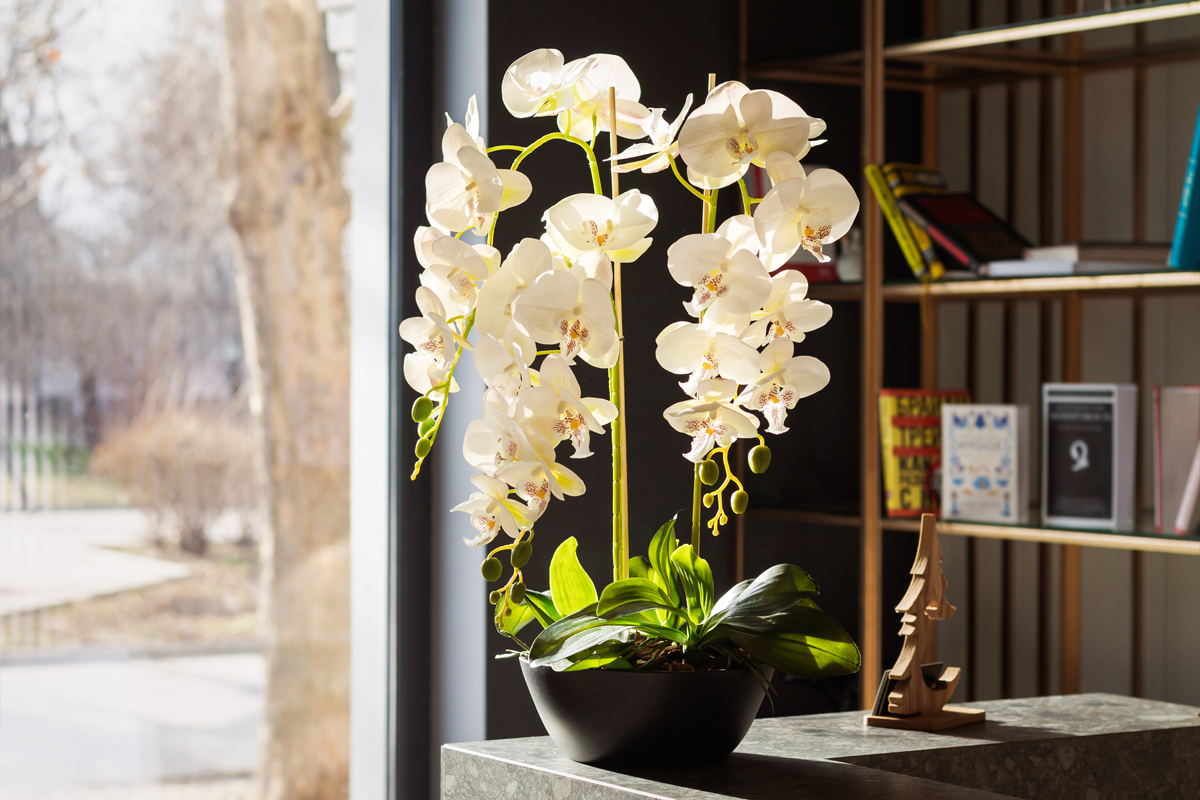
Once reserved for the wealthy or attentive collector, orchids are now priced within reach of the casual shopper. While some people might regard a $9.99 orchid as a disposable plant, just a few steps above a bouquet of cut blooms that last a fraction of the time, others know that with a bit of thought and care, an orchid can become a permanent part of a home garden. But — let’s be honest — these stubborn plants are a pain to care for. Too much water and they die; not enough and they also die. But we’re here to help. Here is everything you need to know about the fickle plant and how to care for it to ensure it reblooms.
All featured products and deals are selected independently and objectively by the author. Better Report may receive a share of sales via affiliate links in content.
A Brief History of Orchids
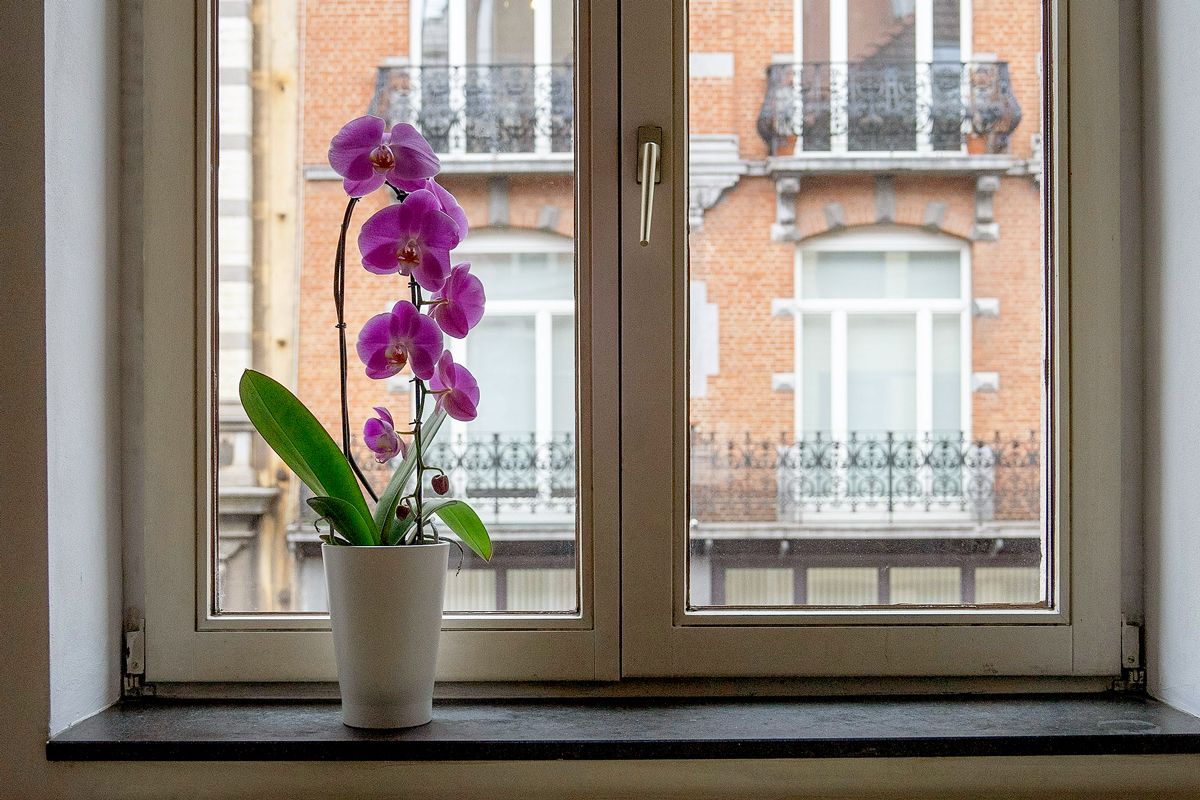
Orchids are the world’s largest plant family, with more than 28,000 species. They are part of a plant group called “epiphytes,” which don’t need soil like most other plants but take moisture and nutrients from the atmosphere. They exist primarily in tropical climates but can also be found in North America, where they are endangered due to habitat loss.
After scientists developed ways to cultivate orchids in a lab in the 20th century, it became easier — and less expensive — to manufacture new plants. Growers in the U.S., the Netherlands, and Taiwan began growing orchids in increasing numbers, bringing down the cost of owning the exotic plant.
How to Care for an Orchid
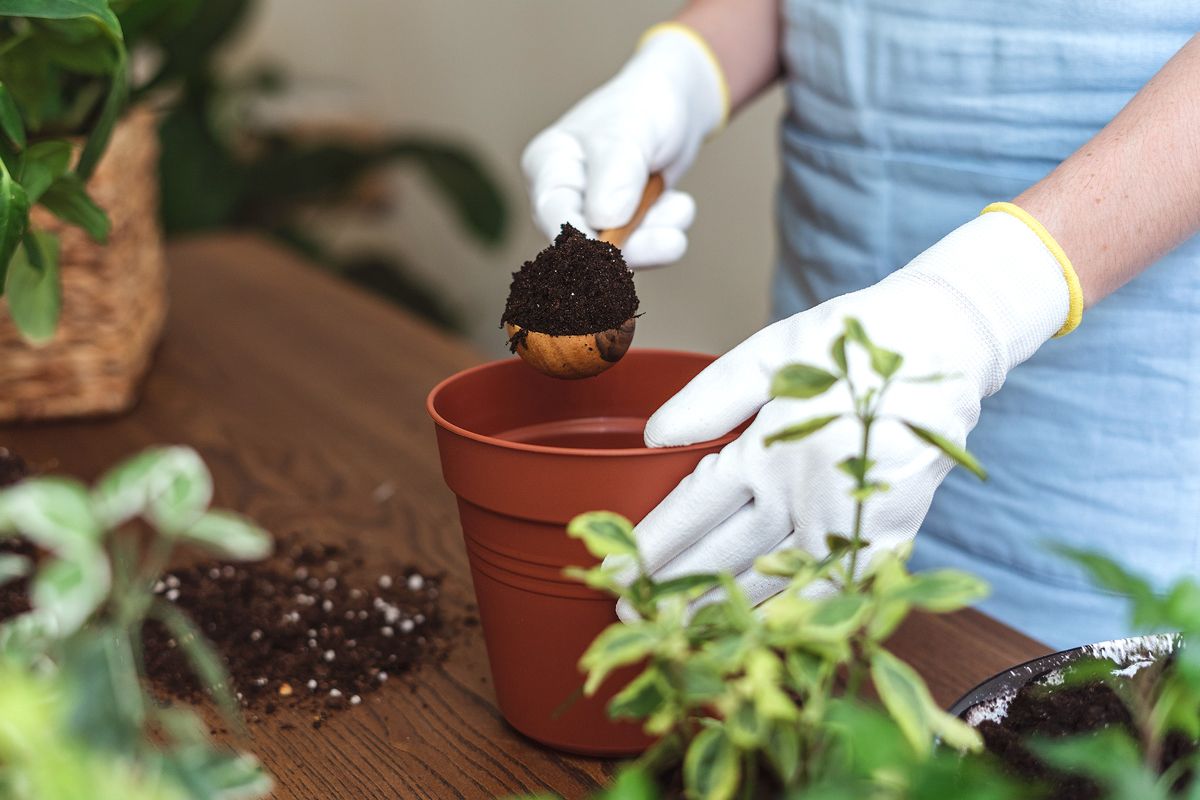
Caring for an orchid isn’t much more complicated than caring for any other house plant, but you have to respect that an orchid’s needs might be more specific than those of your other plants. Pay attention to the four basics: light, soil, water, and food.
Don’t Expose to Too Much Light
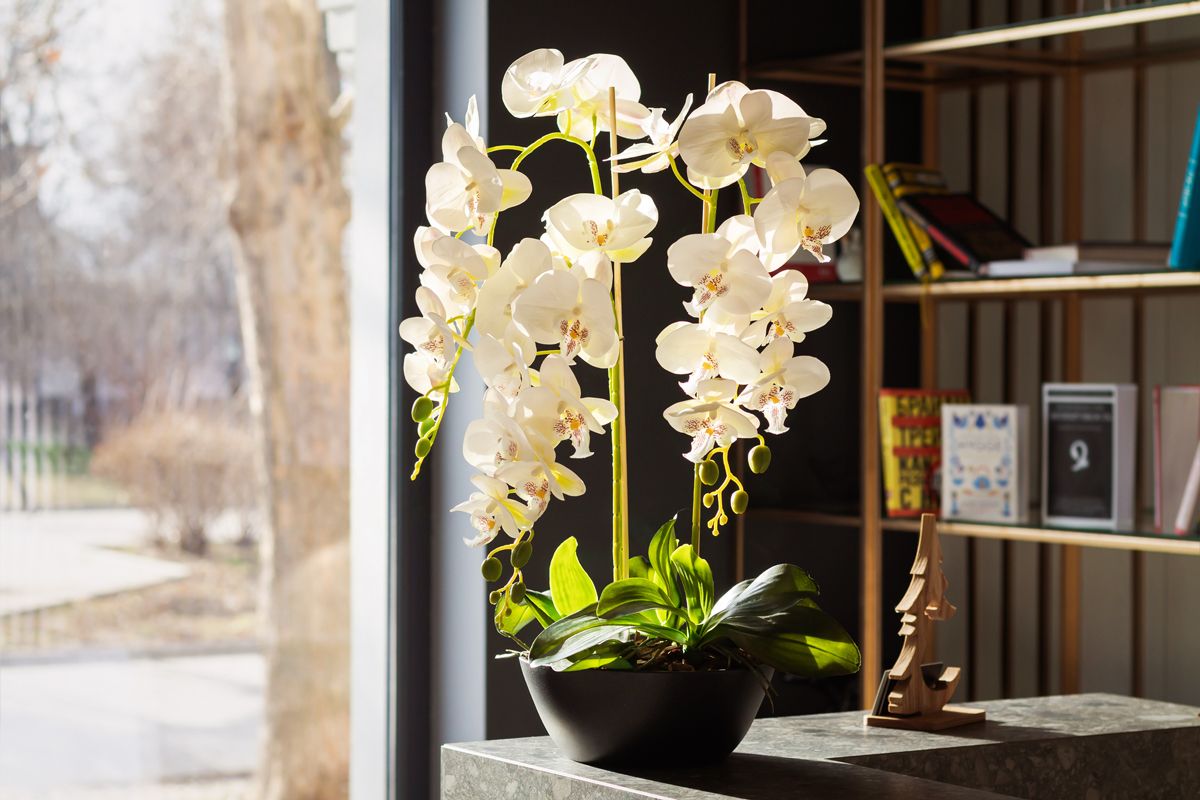
Orchids want light but don’t want to be scorched. Windows facing east, west, and south are good options, provided the light is diffused, such as behind a curtain or partially open blinds. Avoid north-facing windows, as they likely won’t yield enough sun. You can check the amount of light the orchid receives by using a light meter and then compare that to the recommended level for the specific type of orchid. (Here’s a handy guide.) A low-tech approach is the shadow method, where you simply hold your hand between the light source and the orchid. A sharply edged shadow is too much light; no shadow means not enough.

Reader Favorites



Refrain From Potting in Soil
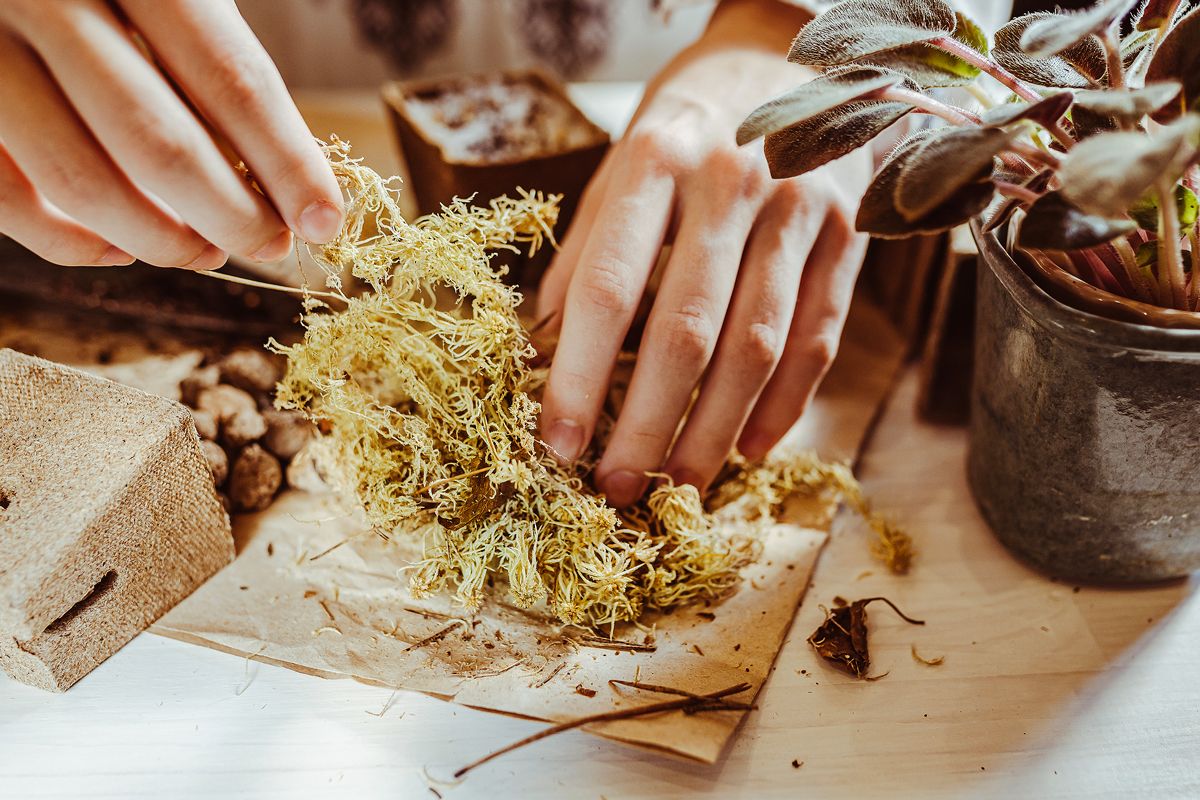
This is a misnomer, as orchids don’t need soil. But they do need potting material; the most common is sphagnum moss or bark chips. What’s in the pot will help determine how often watering is necessary. If you know you’re irregular in watering, choose moss, which holds onto moisture, but be careful not to overwater, which can lead to rot. Bark drains quickly, making it good for common household orchids like Phalaenopsis and Cattleya, which must be almost completely dry between waterings. The orchid should be repotted after it blooms or when you see roots climbing out of the container.
Only Water When Dry
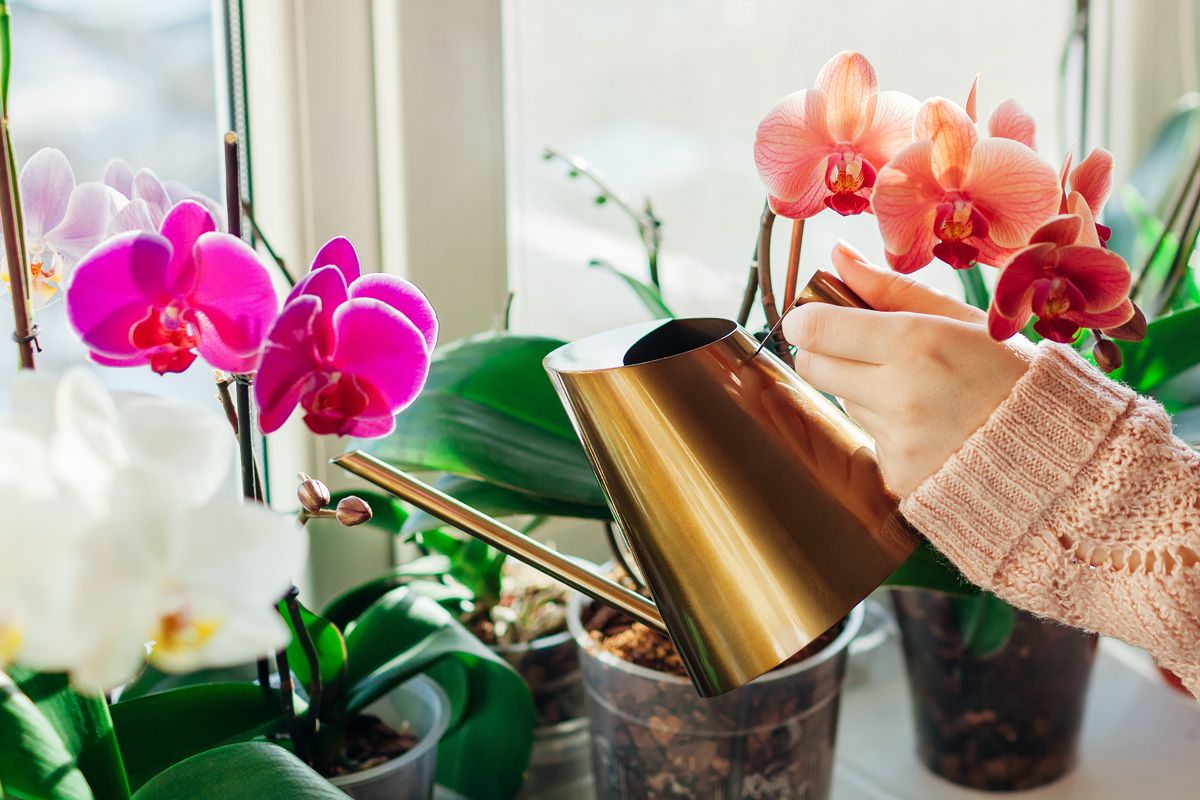
Orchids are more likely to flower when they have adequate humidity. If you don’t want to run a humidifier, fill a tray with gravel and water to cover roughly half the gravel. Put the pot on top, ensuring it’s not sitting in water. As the water evaporates, it creates a pleasing micro-environment for the plant. When it comes to actual watering, use restraint. Most orchids want less water rather than more. A simple trick is to water the plate with three ice cubes at a time for a slow moisture release. While there is no specific cadence on when to water, the best way to know is by testing the soil for moisture. Use a moisture monitor instead of sticking your finger to check the pot — it’s more precise and less invasive. If the soil feels dry, it’s time to water.
Make Sure to Fertilize
A well-nourished orchid is more likely to bloom again, so feed your orchid with fertilizer with every watering. (Be sure to water first so the fertilizer doesn’t harm the roots.) Pre-made fertilizers come in various strengths and combinations, or you can DIY your fertilizer using what you have at home: eggshells, banana peels, milk, or even black tea. There are no guarantees for fostering reblooming, but an orchid that is tended is far more likely to produce fresh flowers that are just as lovely as the ones it sported when it was purchased.
Featured Image Credit: Dmitriy Sidor/ iStock
More From Our Network
Better Report is part of Inbox Studio, an email-first media company. *Indicates a third-party property.







Paula Peters Chambers writes for general-interest and specialty magazines. She covers everything from people and business profiles to science and medicine to the arts and home design and decor. She lives in Richmond, Virginia, where she enjoys baking, ringing handbells, and listening to live music.
This article is for general informational purposes only.
Affiliate Disclaimer Medical Disclaimer Financial Disclaimer