Do You Really Need to Wash New Clothes Before Wearing Them?


Upgrading your look with new clothes can be exciting. Other times, it’s simply a necessity. In either case, you may be tempted to don those new jeans, shirts, or socks before they’ve had a chance to spin through a wash cycle, though dermatologists and other researchers say this isn’t the best idea. Wearing new apparel without washing it isn’t necessarily dangerous, but it can potentially cause some unpleasant side effects. Here are a few reasons you’ll want to clean brand-new clothes thoroughly before stepping out in style.
All featured products and deals are selected independently and objectively by the author. Better Report may receive a share of sales via affiliate links in content.
New Clothes Are Often Coated in Chemicals
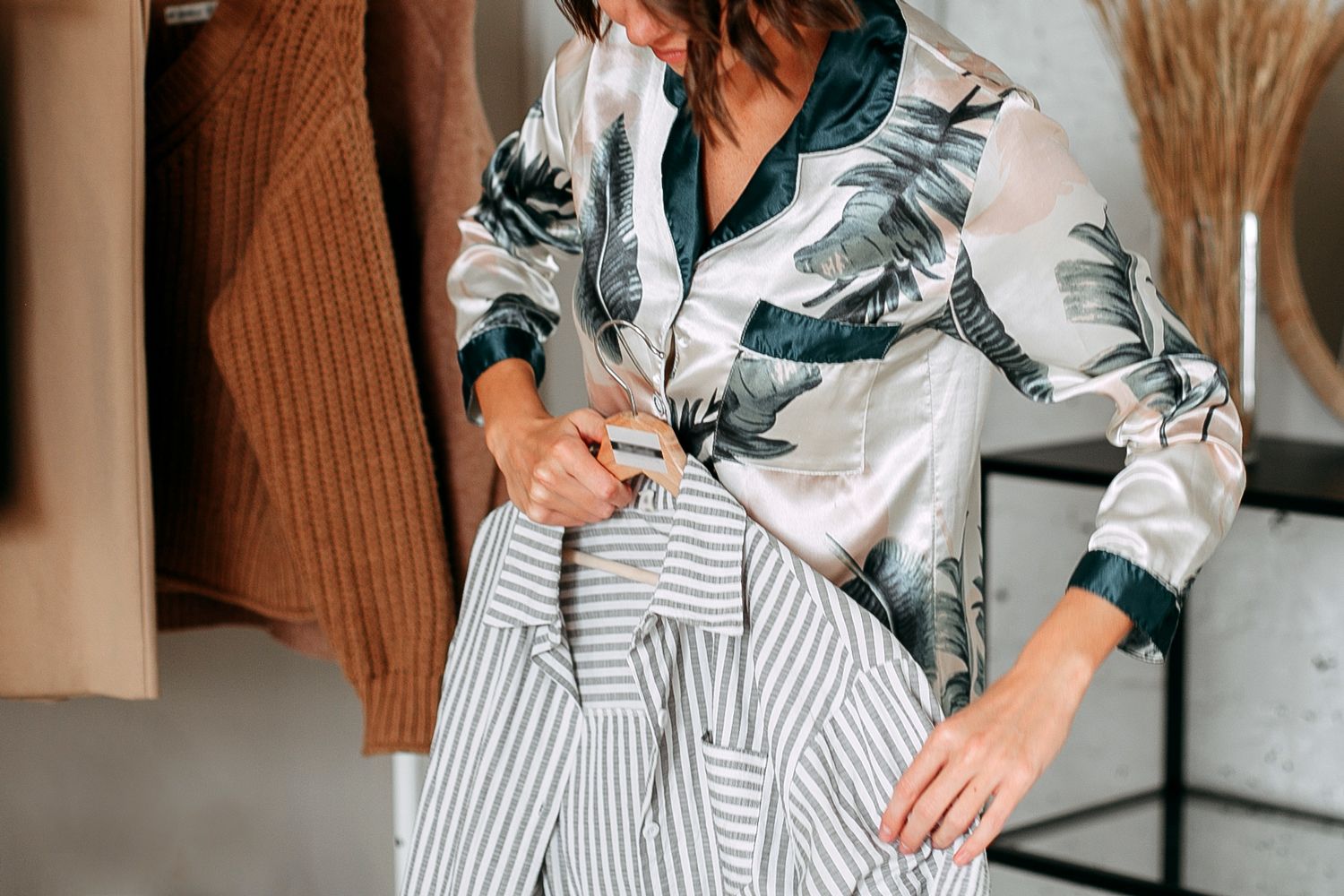
Many chemicals are involved in creating your wardrobe, some of which linger as your new apparel goes from factory to store to your closet. Manufacturers aren’t required to inform consumers about the chemicals used in their clothing. However, researchers say formaldehyde — which keeps clothing free of mildew and wrinkles while in transit — is commonly used, along with other solutions that prevent odor or repel water. A 2022 study by the Center for Environmental Health found some clothing made by popular manufacturers — including socks, sports bras, and athletic apparel — even contained high levels of bisphenol A (BPA), which can be absorbed through the skin. Washing new clothing can help drastically reduce or remove BPA and other chemicals that can cause rashes, respiratory irritation, and allergic reactions.

Brand New Apparel Is Packed With Germs
While new clothing looks clean hanging in the store, it likely contains unwanted bacteria you can’t see. Clothing can hold on to bacteria it picks up during manufacturing and shipping and collect more as it sits in stores, where prospective buyers often try it on. Clothing that winds up in the fitting room rejection pile makes its way back to the shelf or rack, where it retains sweat, perfume, and deodorant residue. In some cases, apparel can even transfer infectious conditions like scabies, lice, and viruses, though dermatologists say this is relatively rare.

Some Clothing Can Leach Excess Dye
Clothing manufacturers often rinse dyed clothing (like jeans) vigorously before it leaves the factory, though that doesn’t always remove excess pigments. Disperse dyes (aka synthetic dyes) are commonly used on polyester and nylon clothing and can leach from apparel thanks to sweat or friction. These dyes are commonly linked to skin rashes and irritation or can cause skin discoloration. Washing clothes can reduce or stop dye transfer altogether; in some cases, manufacturers will label heavily dyed items likely to run during their first wash. Give these a wash in their own laundry load to avoid staining your other favorite clothes.

Reader Favorites



Secondhand Clothing Needs a Clean, Too
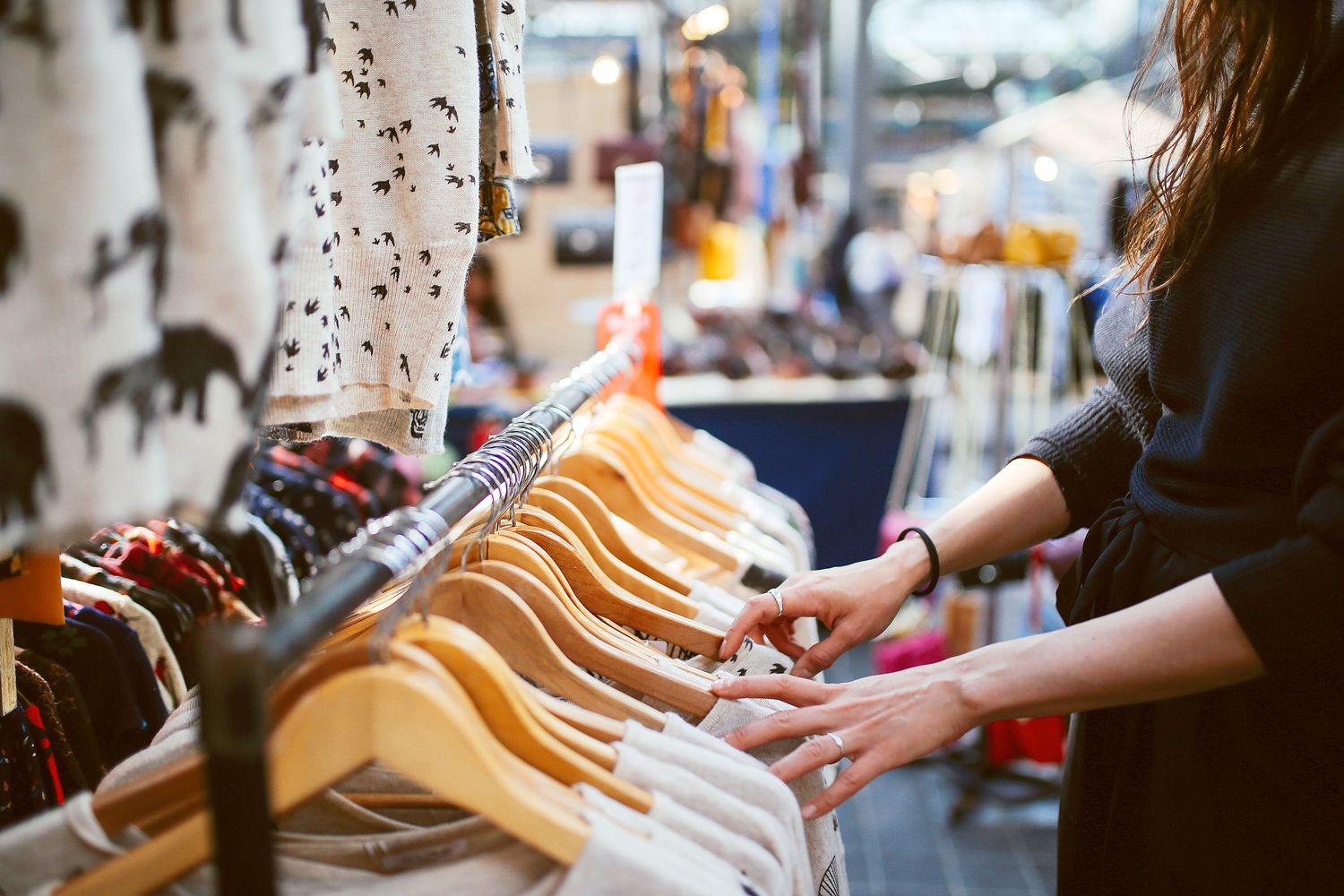
Unsurprisingly, clothing purchased from thrift stores has typically been worn. However, many savvy shoppers are unaware that retailers sell these items in the exact condition they received them: without any washing. During the donation and sorting, secondhand clothing can collect bacteria, dust, and other allergens that can cause skin irritation. Follow the same guidelines for washing any new clothes in your wardrobe, regardless of where you buy them.
Pro Tip: Hot Water Cleans Clothes Better
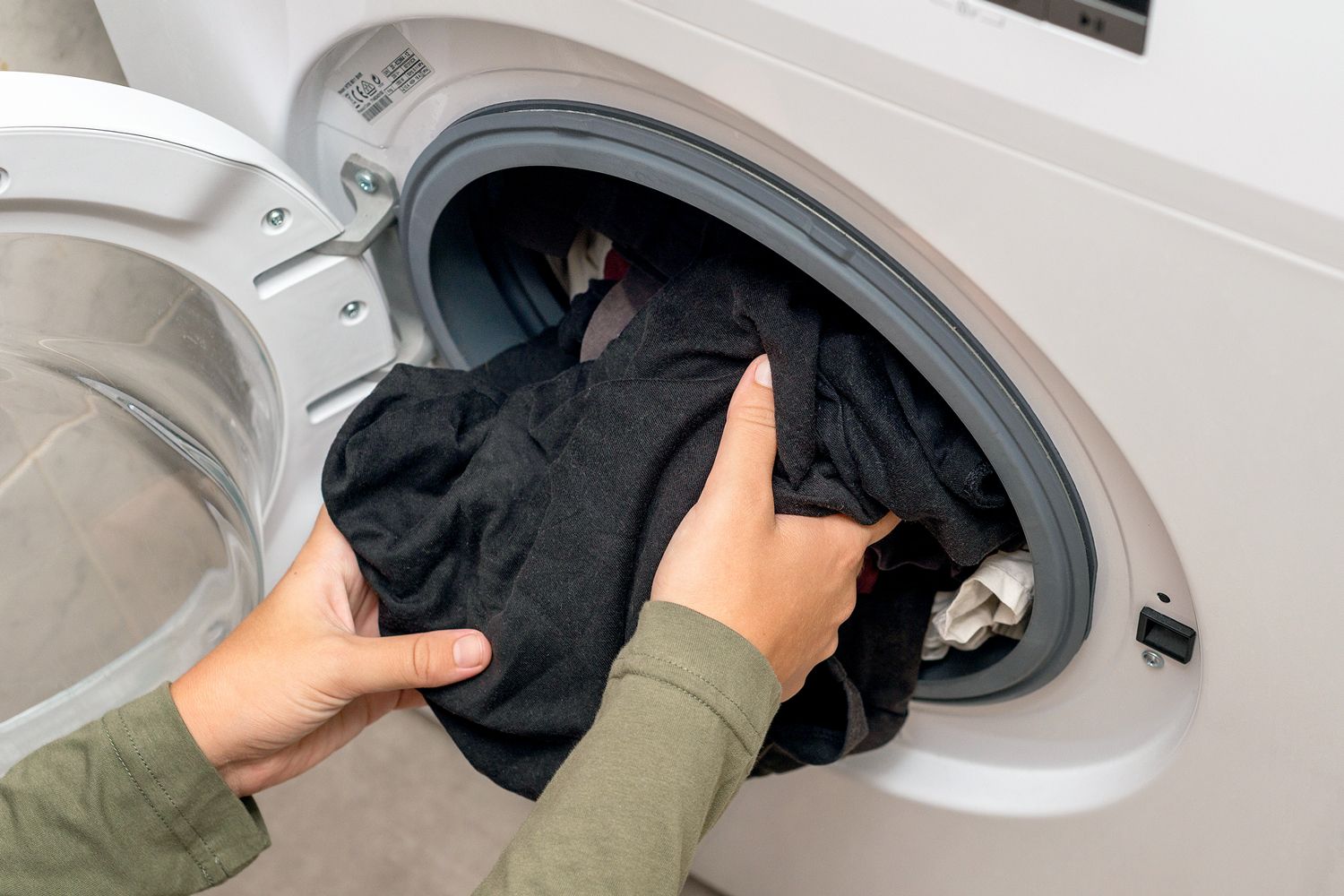
Need help deciding whether to use hot or cold water on your new clothes? While cool water is often touted as more gentle on fabrics (and more environmentally friendly), it isn’t always the best option for new clothing. Hot water does a better job at removing excessive dirt and stains, though ultimately, the most important factor is the detergent you use in your washing machine. Powdered detergents dissolve — and thus clean — best in warmer water, while liquid detergents suds equally well in warm or cool temperatures. Make sure to check the clothing’s label for drying instructions.
Featured Image Credit: monkeybusinessimages/ iStock
More From Our Network
Better Report is part of Inbox Studio, an email-first media company. *Indicates a third-party property.






Nicole Garner Meeker is a freelance writer, research editor, and Inbox Studio contributor. Based in St. Louis, she’s an enthusiastic gardener, fiber artist, and connoisseur of fine snacks.
This article is for general informational purposes only.
Affiliate Disclaimer Medical Disclaimer Financial Disclaimer