Skip to content
Better Report
  • Home
  • Health
  • Wealth
8 Low-Maintenance Plants That Thrive on Neglect
  • Search
  • Subscribe
  • Home
  • Health
  • Wealth
  • About
  • Privacy Policy
  • Terms of Use
  • Contact Us
  • SubscribeSubscribe
  • Search
Thank you for confirming your email! Welcome to the community.

Tag: body

Why Do We Smell Different As We Age?

Health | Updated: September 30, 2026
Kat Long
Author
Kat Long is a freelance science journalist in the Washington, D.C. area. Previously, she was the science editor at Mental Floss and a digital editor at National Geographic. She now writes the Arctic Archives newsletter on Substack. Kat spends her free time birdwatching, road-tripping to historical sites and perusing old manuscripts at libraries.
Older man with hands on cane
Featured Image Credit: © Getty Images/Unsplash.com

The scent of old books can conjure happy memories of discovering stories in a school library, or rummaging through a used-book store full of buried treasures. A vintage perfume can remind us of the glamorous great-aunt who wore it. But that musty “old person smell”? That’s a different situation.

The particular scent associated with older people — or “human aging-related body odor,” as the scientists call it — is a biological fact of life. Here’s what causes it, plus a few simple ways to make it less noticeable.

Advertisement
Advertisement
Older people in a room
Credit: © Age Cymru/Unsplash.com

Eau de Old

Humans aren’t the only animals whose natural body odor changes with age. Otters, rabbits, mice, and even owls experience this phenomenon and can tell the ages of members of their species by smell. Our noses can sense it, too: A 2012 study showed humans in a blind smell test had the ability to identify older people by how their particular scent differed from those of younger and middle-aged people.

Chemically, the apparent primary source of the smell is 2-nonenal, a compound “with an unpleasant greasy and grassy odor,” according to the 2001 study that first characterized it. Participants in the smell test of that study detected 2-nonenal only in people who were 40 and older. The compound is released when certain fatty acids on the skin surface start to oxidate (or break down) naturally with age.

Researchers don’t know why some people produce more 2-nonenal than others. The intensity of an individual’s “old person smell” is likely influenced by genetics, the skin’s microbiome, their general health, and the medications they take. The production of 2-nonenal doesn’t always increase at the same rate with age; it might plateau at some point, or not.

Advertisement

Smell is also a subjective experience, and what some consider to be “old person smell” may actually be a combination of scents culturally associated with older people — think menthol (a minty compound in pain-relieving creams) or classic perfumes with powdery, flowery notes. Or, an individual might perceive “old person smell” as a particular scent associated with a specific person, like a grandfather’s aftershave.

Caregiver toweling off older woman
Credit: © JPC-PROD/stock.adobe.com

It’s Not Poor Hygiene

To be clear, “old person smell” isn’t about needing to take a bath. It’s a byproduct of the skin’s natural aging process, and it happens to all of us. But if you’re concerned about your scent, there are some easy ways to make it less apparent.

Recommended Articles

  • The Most Dangerous Things You Do With Your Christmas Tree

  • 12 Foods You Shouldn’t Store Together

  • 7 Things You Can Stop Buying To Save Money

  • 13 Stocking Stuffers That Are Actually Useful

Advertisement
Advertisement

Reader Favorites

  • Person washing part of a coffee machine

    18 Surprising Things You Should Never Put Down Your Drain

  • White car on the road

    The Best Cars for Resale Value, According to Auto Experts

  • Person washing hands

    Always Wash Your Hands After Touching These 5 Things

Showering or bathing regularly with a lightly scented soap and moisturizing afterward will keep the skin barrier healthy, and using an antiperspirant-deodorant combo will combat sweat as well as odors. Though there’s not much scientific evidence showing that a healthy diet reduces unwanted body odor, it can’t hurt. A diet heavy in fruit, vegetables, and other plant-based foods benefits your overall health, and could, in theory, reduce the need for medications that can alter your body’s smell.

Another possible fix? Limiting behaviors that cause excessive oxidative stress, the main driver of 2-nonenal production. In addition to eating plenty of antioxidant-rich fruits and vegetables, not smoking and protecting your skin from sun exposure “are sensible antioxidation habits,” Dr. Arshad Rather, a geriatrician at University College London Hospitals, told The Guardian. 

Laundering sheets, towels, and clothes on a regular basis may also reduce the presence of “old person smell,” since oils from your skin can linger in fabrics and give them a stale and musty odor over time. You may not be able to eliminate every unwanted whiff, but these simple habits should help.

Advertisement

Featured Image Credit: © Getty Images/Unsplash.com

More From Our Network

Better Report is part of Inbox Studio, an email-first media company. *Indicates a third-party property.

Go Retro With This 1960s Fashion Quiz

Quiz Daily

Go Retro With This 1960s Fashion Quiz

True or False: Are You a Master of U.S. Geography?

Travel Quiz

True or False: Are You a Master of U.S. Geography?

5 Reasons You Can Be Denied Boarding an Airplane

Daily Passport

5 Reasons You Can Be Denied Boarding an Airplane

What Did People Do Before Eyeglasses?

History Facts

What Did People Do Before Eyeglasses?

How To Use a Balloon To Clean Up Dust

House Outlook

How To Use a Balloon To Clean Up Dust

11 Shopping Hacks Costco Members Should Know

FinanceBuzz*

11 Shopping Hacks Costco Members Should Know

Share this article

  • Share to Facebook
  • Share to Twitter
  • Copy Url
  • Share to Email
Kat Long
Writer

Kat Long is a freelance science journalist in the Washington, D.C. area. Previously, she was the science editor at Mental Floss and a digital editor at National Geographic. She now writes the Arctic Archives newsletter on Substack. Kat spends her free time birdwatching, road-tripping to historical sites and perusing old manuscripts at libraries.

This article is for general informational purposes only.
Affiliate Disclaimer Medical Disclaimer Financial Disclaimer

Updated: April 6, 2026
Posted In: Health
Hero Image Credit: Featured Image Credit: © Getty Images/Unsplash.com
Advertisement

Related Articles

Are the Brown Marks on Your Skin Dangerous?

6 min read

7 Common Meds Seniors Overuse

4 min read

Is It Actually Bad To Wear Your Shoes in the House?

4 min read

15 Dreamy Gifts for a Better Night’s Sleep

11 min read

The 10 Holiday Foods Most Likely To Make You Sick

10 min read
Advertisement

What Do White Marks on Your Nails Mean?

Health | Updated: August 18, 2026
Monica Romano
Author
With a nursing background and a passion for making health information accessible, Monica Romano brings a unique clinical perspective to her freelance writing. Based in the Pacific Northwest, she covers health, wellness, and everyday living with warmth and authority. Her work is featured in Woman's World magazine and across top health and wellness platforms.
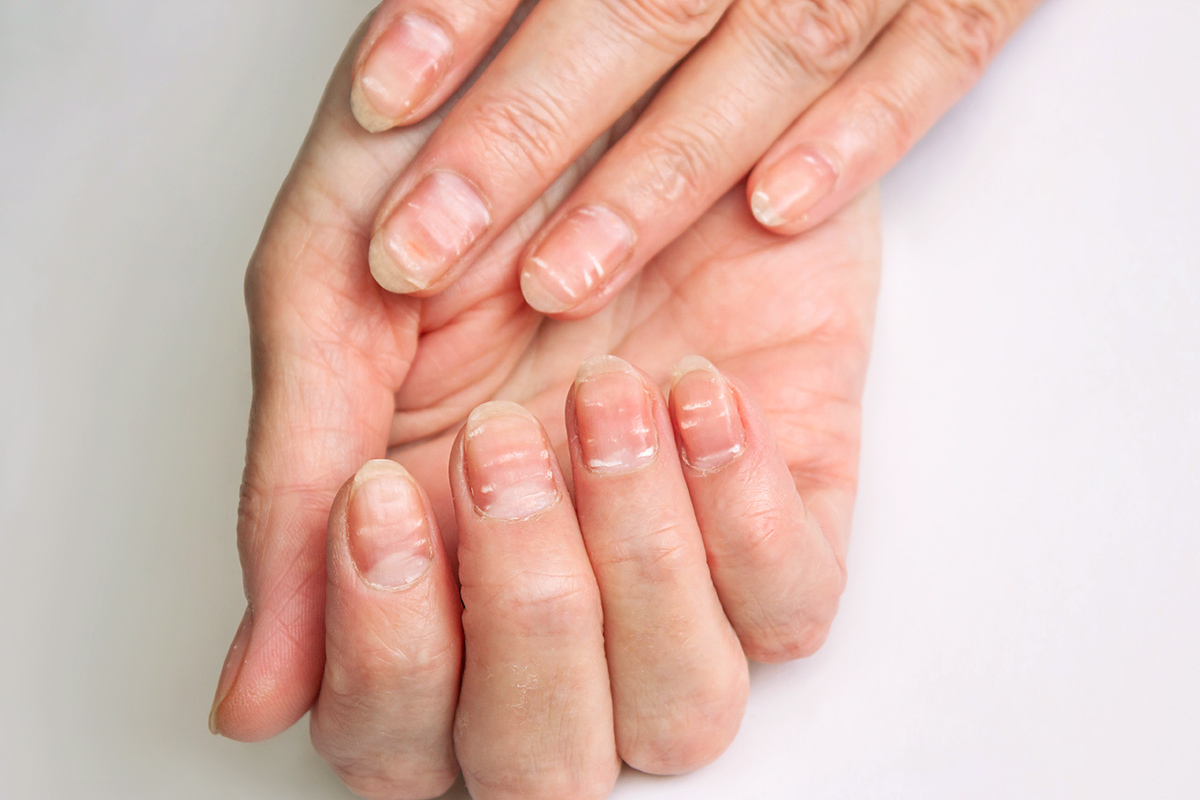
Nails with white lines
Better Report

Many of us notice white marks on our nails and wonder what they mean. Maybe you’ve heard they’re caused by a calcium deficiency, or that they come from eating too much mayonnaise. 

The truth is, both are myths. While some believe nutrient and vitamin deficiencies may play a role, medical researchers aren’t conclusively sure whether they actually cause white spots specifically, and severe deficiencies of any kind are rare in the United States. 

Here’s what we know about what causes the spots, and how you can determine when it’s time to have your nails checked. 

Advertisement
Advertisement
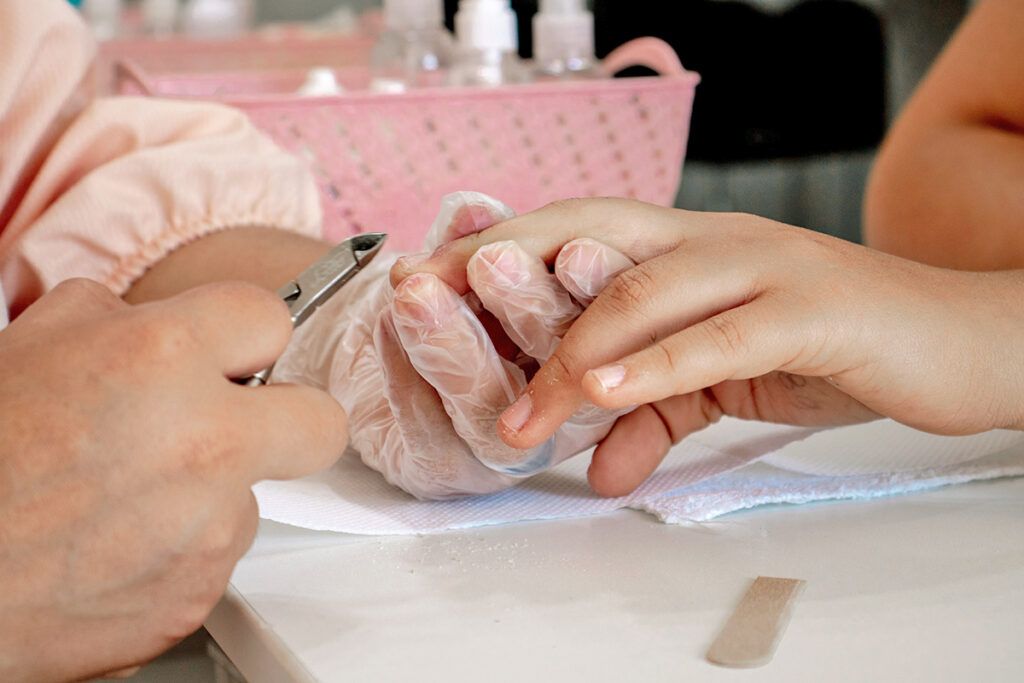
Person getting a manicure
Credit: © Gabriel Puyén/Pexels.com

The Most Common Cause of White Spots on Nails

The medical term for white discoloration of the nails, including white spots, is “leukonychia.” And as dermatologist Dr. Shari Lipner, an associate professor of clinical dermatology at Weill Cornell Medicine, told TODAY.com, white spots are usually caused by minor trauma to the nail. 

That could include bumping your finger, aggressive manicures, picking at your cuticles, sports injuries, or repeated pressure on the nail. Because fingernails grow slowly — about 1 millimeter per week — a white spot may not appear until weeks after an injury occurred. 

Recommended Articles

  • The Most Dangerous Things You Do With Your Christmas Tree

  • 12 Foods You Shouldn’t Store Together

  • 7 Things You Can Stop Buying To Save Money

  • 13 Stocking Stuffers That Are Actually Useful

Advertisement
Advertisement

Reader Favorites

  • Person washing part of a coffee machine

    18 Surprising Things You Should Never Put Down Your Drain

  • White car on the road

    The Best Cars for Resale Value, According to Auto Experts

  • Person washing hands

    Always Wash Your Hands After Touching These 5 Things

The good news? Most small white spots are benign and don’t require treatment. They simply disappear naturally as the nail grows. In some cases, however, white marks on the nails may be related to a fungal infection, certain medications, or a systemic disease such as diabetes or heart failure.

Advertisement
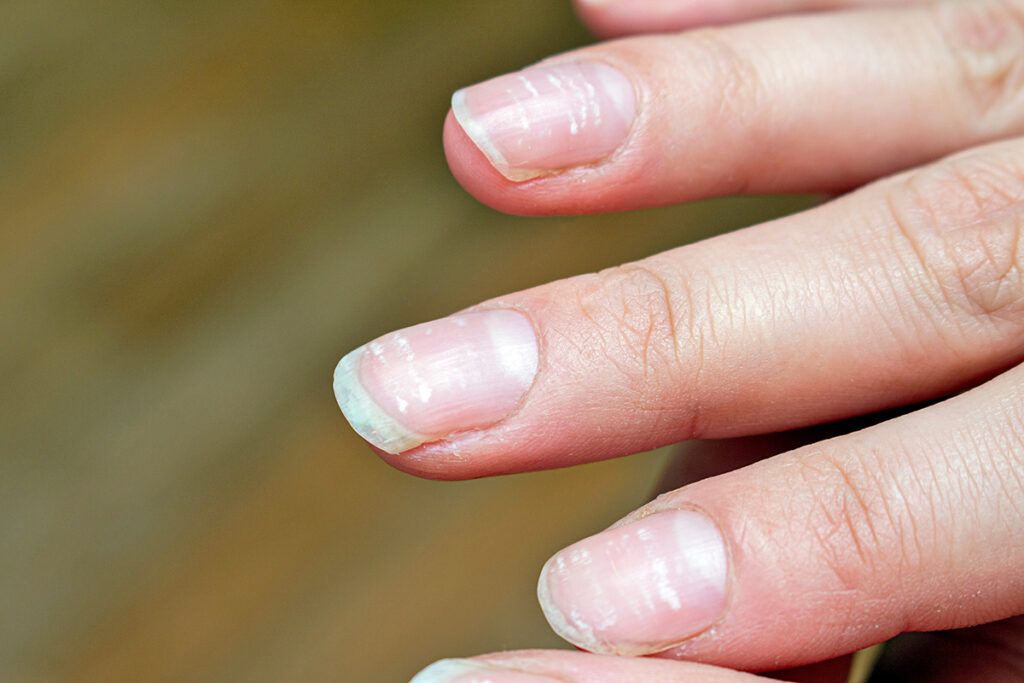
White marks on the nails
Credit: © vitalis83/stock.adobe.com

What Different White Marks Can Mean

Small white spots: Usually caused by minor trauma and generally nothing to worry about. 

White lines or streaks: Some result from trauma, including manicures. In other cases, horizontal white lines across multiple nails, known as Mees’ lines, can be linked to arsenic poisoning, chemotherapy, or severe systemic illness such as kidney failure. Vertical white lines are typically harmless and are more commonly associated with aging or minor injury. Lines that extend across the entire nail, appear on several nails, or don’t move outward as the nails grow should be evaluated by a health care provider. 

Advertisement
Advertisement

White, flaky patches: These may be caused by a fungal nail infection. The nail may also be rough, crumbly, thickened, or discolored. Nail fungus affects up to 50% of people over age 70. You’re more likely to develop it if you have conditions such as diabetes and cancer. 

A nail that’s mostly white: This is less common and may be associated with an underlying medical condition, such as low iron levels, kidney disease, or liver scarring (cirrhosis). This appearance differs from the occasional small white spot caused by an injury.

A nail that’s mostly white with a thin pink or red band at the top is a condition called Terry’s nails, which can occur with aging but may also signal liver disease, congestive heart failure, or diabetes. Separately, when a nail lifts away from the nail bed (a condition called onycholysis, which can be triggered by injury, infection, thyroid imbalance, or psoriasis), the detached nail can look cloudy white, yellow, or green.

Advertisement
Advertisement

Changes in nail texture should also be taken into account. Nails that exhibit pitting or grooves,  become brittle, split, or begin separating from the nail bed could indicate an issue that a doctor needs to treat. 

Advertisement
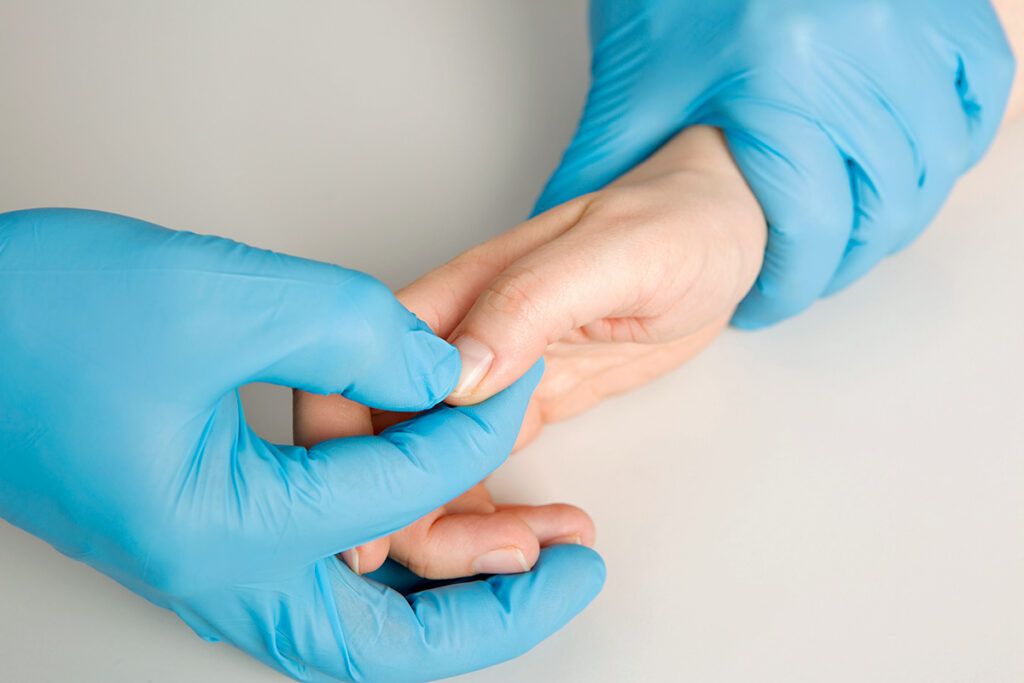
Gloved hands holding ungloved hand and pressing on nail
Credit: © ollo—iStock/Getty Images

When To See a Health Care Provider

Most isolated white spots don’t require treatment. However, you should make an appointment with a medical professional if:

• Several nails suddenly turn mostly white for no obvious reason. 
• The discoloration does not move toward the tip or grow out over time. 
• Your nails become painful or develop significant changes in texture or appearance. 

Advertisement
Advertisement

A health care provider can often uncover the cause by examining your nails. For example, if they suspect a fungal infection, they’ll likely test a nail clipping or scraping. Additional screening may be recommended when the appearance of the nails or your medical history suggests a more serious condition.

In most cases, though, a single white spot is simply a reminder that nails record small injuries long after you’ve forgotten them. If the mark moves outward as the nail grows and no other nail changes occur, there’s usually no reason for concern. 

Featured Image Credit: © Ольга Шефер/stock.adobe.com

More From Our Network

Better Report is part of Inbox Studio, an email-first media company. *Indicates a third-party property.

Go Retro With This 1960s Fashion Quiz

Quiz Daily

Go Retro With This 1960s Fashion Quiz

True or False: Are You a Master of U.S. Geography?

Travel Quiz

True or False: Are You a Master of U.S. Geography?

5 Reasons You Can Be Denied Boarding an Airplane

Daily Passport

5 Reasons You Can Be Denied Boarding an Airplane

What Did People Do Before Eyeglasses?

History Facts

What Did People Do Before Eyeglasses?

How To Use a Balloon To Clean Up Dust

House Outlook

How To Use a Balloon To Clean Up Dust

11 Shopping Hacks Costco Members Should Know

FinanceBuzz*

11 Shopping Hacks Costco Members Should Know

Share this article

  • Share to Facebook
  • Share to Twitter
  • Copy Url
  • Share to Email
Monica Romano
Writer

With a nursing background and a passion for making health information accessible, Monica Romano brings a unique clinical perspective to her freelance writing. Based in the Pacific Northwest, she covers health, wellness, and everyday living with warmth and authority. Her work is featured in Woman's World magazine and across top health and wellness platforms.

This article is for general informational purposes only.
Affiliate Disclaimer Medical Disclaimer Financial Disclaimer

Updated: June 10, 2026
Posted In: Health
Hero Image Credit: Better Report
Advertisement

Related Articles

Are the Brown Marks on Your Skin Dangerous?

6 min read

7 Common Meds Seniors Overuse

4 min read

Is It Actually Bad To Wear Your Shoes in the House?

4 min read

15 Dreamy Gifts for a Better Night’s Sleep

11 min read

The 10 Holiday Foods Most Likely To Make You Sick

10 min read
Advertisement

What Your Tongue Says About Your Health

Health | Updated: July 22, 2026
Ali Eldridge
Author
Ali Eldridge is a writer and editor based in Chicago. Currently the editor of "What on Earth! Magazine," she has also contributed extensively to Encyclopaedia Britannica and published several books for children. She spends much of her free time learning new languages and trading puns with her clever kid.
Woman licking ice cream cone
Better Report

The human tongue is an impressive and important organ, albeit one that many people don’t pay much attention to. This muscular multitasker helps you move food and drink around in your mouth for chewing and swallowing and is essential for speaking and even breathing properly. Your tongue can also be a key indicator of some health conditions and illnesses, providing valuable information about many systems in your body. Here’s an overview of tongue characteristics that can give you signals about your health — and how to interpret those signals.

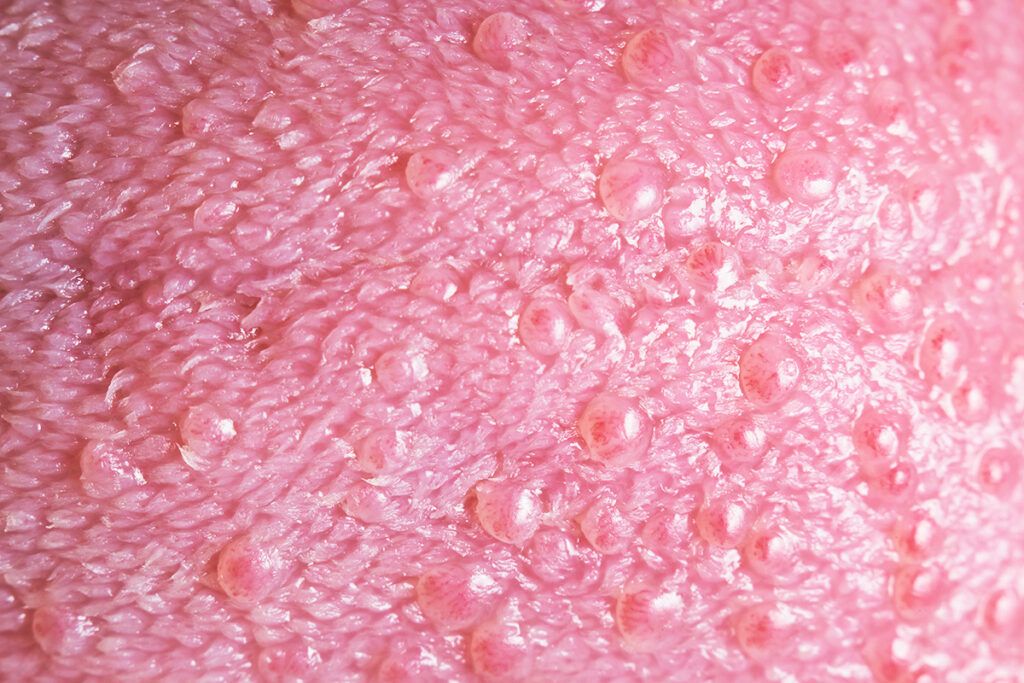
Macro shot of tongue texture
Credit: © amixstudio/stock.adobe.com

Texture

A healthy tongue is somewhat rough and bumpy in texture. Those little bumps are called papillae; there are four types, and inside three of them are your taste buds. If your tongue feels or appears to be completely smooth, a condition called atrophic glossitis (or sometimes simply “bald tongue”), it could indicate a deficiency in nutrients such as iron or vitamin B12.

Advertisement
Advertisement

Painful bumps on the tongue could come from things like biting it or smoking. In more infrequent cases, they could be a sign of oral cancer. The tongue can also develop cold sores, although those are more common on the lips. 

As you get older, you may notice more wrinkles and cracks appear in your tongue. Those are usually normal signs of aging, but you should still take extra care to clean those crevices.

Tongue
Credit: Melissa King/stock.adobe.com

Moisture

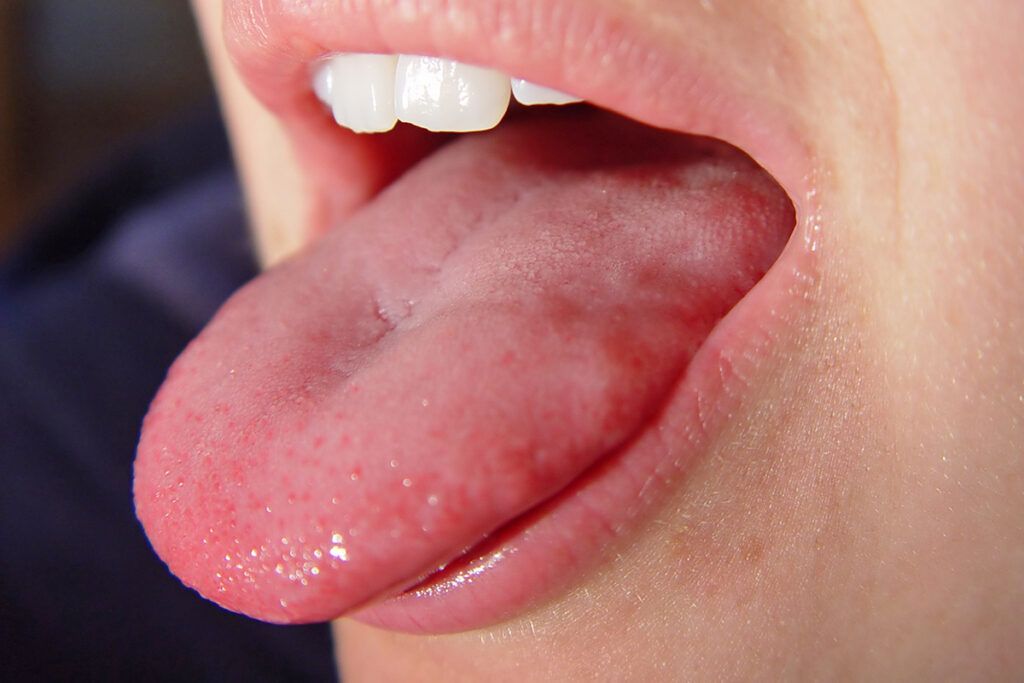
Moisture helps your tongue with its essential functions, so it should feel moist with saliva the majority of the time. A dry mouth and tongue often indicates dehydration, but it can also be the result of high blood sugar, autoimmune conditions such as Sjögren’s syndrome or lupus, or breathing with your mouth open. 

Advertisement

As you age, your mouth may produce less saliva, which can lead to dry mouth. This may, in turn, impede your tongue’s functionality and subsequently affect your ability to taste and swallow.

Curled tongue
Credit: © Ben Gingell/stock.adobe.com

Movement

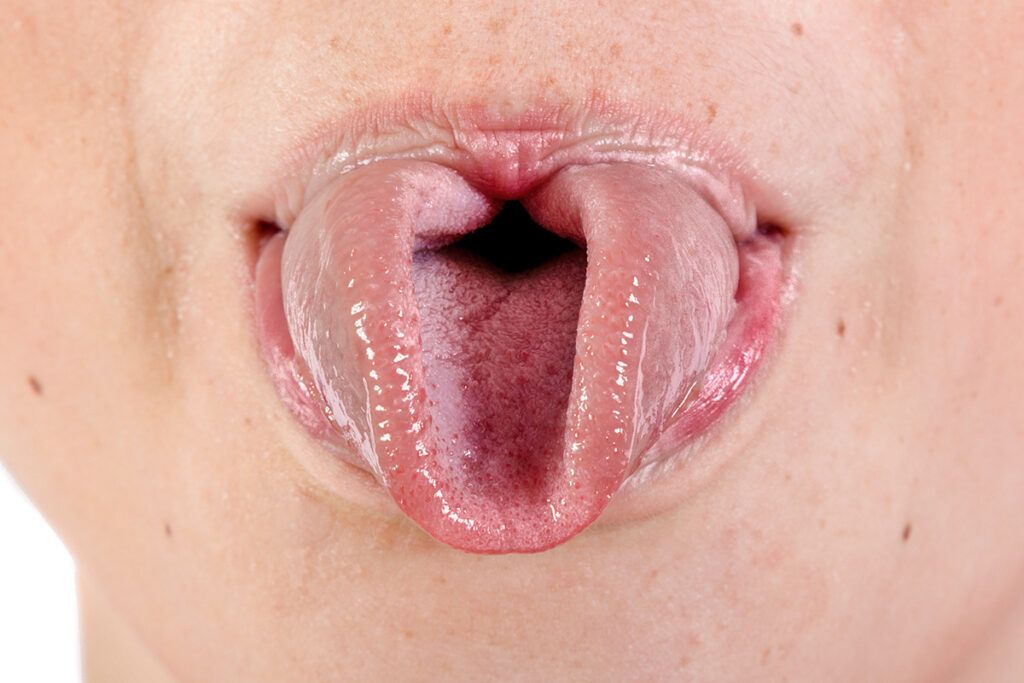
The tongue is mostly made of muscles, and a healthy tongue can move up, down, forward, back, and from side to side. You should also be able to extend and retract your tongue to make it longer and shorter. Some people may be able to curl, roll, and twist it. 

Difficulty moving the tongue may be due to nerve damage, which can cause the tongue muscles to become weak or paralyzed. Research has shown that muscle tissue in the tongue shrinks and fat mass increases as we age, which can lead to differences in tongue function over time.

Recommended Articles

  • The Most Dangerous Things You Do With Your Christmas Tree

  • 12 Foods You Shouldn’t Store Together

  • 7 Things You Can Stop Buying To Save Money

  • 13 Stocking Stuffers That Are Actually Useful

Advertisement
Advertisement

Reader Favorites

  • Person washing part of a coffee machine

    18 Surprising Things You Should Never Put Down Your Drain

  • White car on the road

    The Best Cars for Resale Value, According to Auto Experts

  • Person washing hands

    Always Wash Your Hands After Touching These 5 Things

Another major cause of decreased tongue movement is ankyloglossia, also known as tongue-tie. People with this condition have a short frenulum (the band of tissue that connects the tongue to the floor of the mouth). Tongue-tie can sometimes impair speech, and in babies it can cause issues with feeding.

Woman licking ice cream cone
Credit: © STUDIO TAURUS/stock.adobe.com

Sense of Taste

A distorted sense of taste, or dysgeusia, can be caused by several different medical conditions, including cancers of the head and neck, chronic acid reflux, inflammation, diabetes, hypothyroidism, kidney or liver disease, and infections such as COVID-19. It can also be caused by nerve damage or neurological conditions such as Parkinson’s disease, Alzheimer’s disease, or multiple sclerosis. 

Advertisement
Advertisement

People who are deficient in vitamin B or zinc often experience a distorted sense of taste as well. Some people find these changes come naturally with age or even with the surge of hormones associated with pregnancy. 

Advertisement

Additionally, the number of taste buds you have decreases as you get older. A complete loss of taste, or ageusia, is common in people older than 50, and it can be caused by many of the same conditions that cause dysgeusia or by other mouth issues such as tongue inflammation or periodontal disease. Medications may also affect your ability to taste or cause a loss of taste while you are taking them.

Illustration of tongue
Credit: © Mohammed Haneefa Nizamudeen—iStock/Getty Images

Size

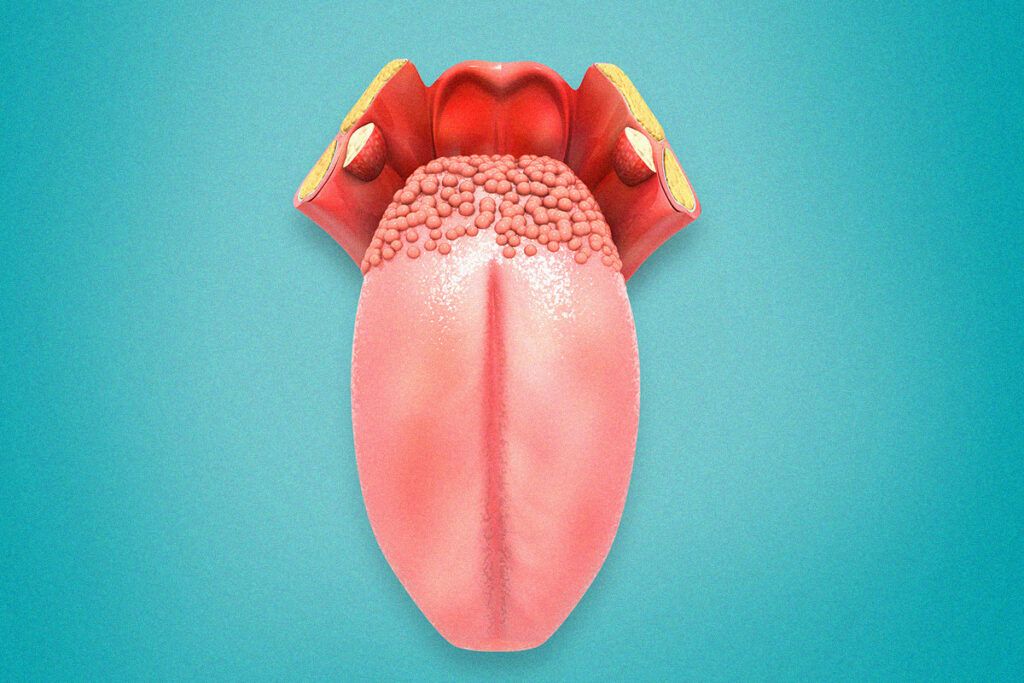
The average human tongue is about 3 inches long and 2.5 inches wide. A tongue noticeably larger than this can indicate an injury or an inflammatory health condition. Enlarged tongues may also be a sign of amyloidosis, a rare disorder that causes clumps of proteins to build up in bodily tissues. 

Advertisement
Advertisement
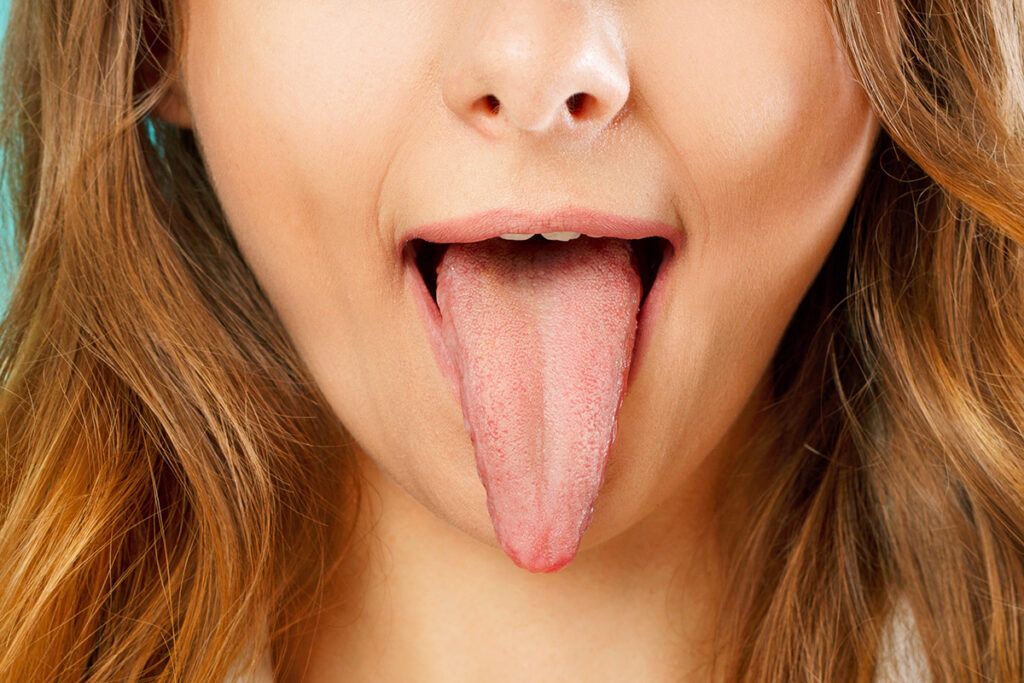
Tongue sticking out
Credit: © Sunny/stock.adobe.com

Shape

The tongue generally has a smooth and somewhat rounded shape. If your tongue is scalloped the edge or displays teeth marks, however, that may be a sign you’re grinding your teeth at night or that your tongue sits abnormally against your teeth. This can also be an indication of sleep apnea, as the tongue may be pushing into the teeth in an attempt to open the airway. Scalloped tongue can also be caused by conditions such as Down syndrome or hypothyroidism.

Advertisement
Advertisement
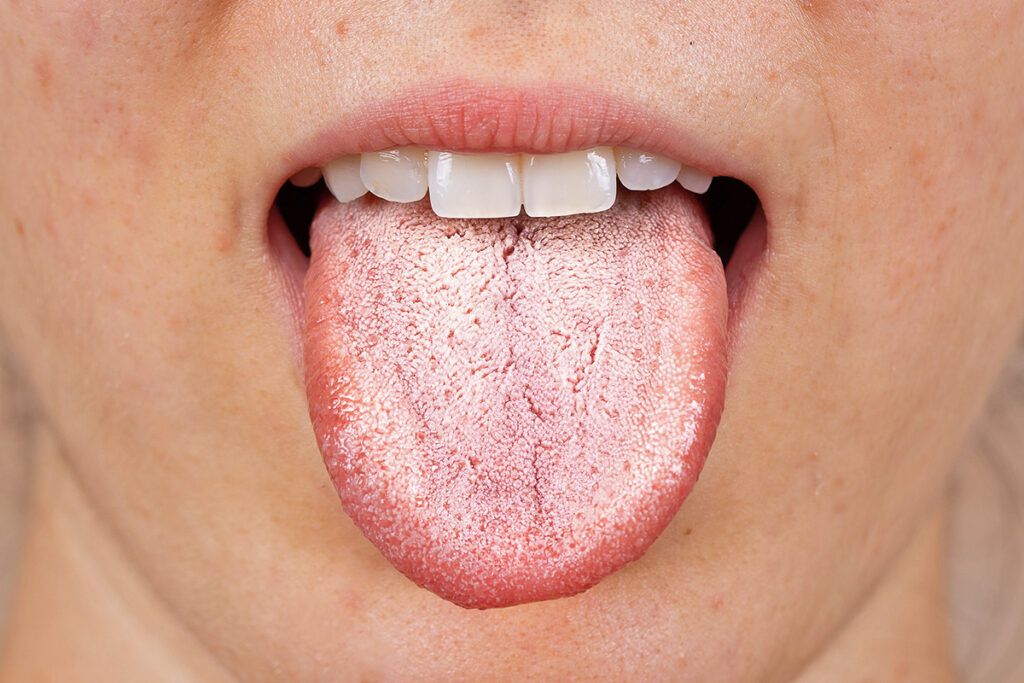
Tongue with white coating
Credit: © Alessandro Grandini/stock.adobe.com

Color

Normally, the tongue has a pinkish-red hue, but variations in its color can indicate various medical issues.

Creamy white patches on the tongue can be a sign of thrush (a fungal infection). If the patches have a lacy appearance, they may be lichen planus (an autoimmune condition). Leukoplakia, a condition that causes flat white patches in the mouth that won’t come off, can be caused by a variety of factors, including irritation in the mouth. The patches are typically benign, but some can show signs of cancer.

Advertisement
Advertisement

Black (or sometimes yellow or brown) discoloration on the tongue can indicate a weakened immune system caused by a condition such as diabetes, heavy tobacco use, or an overgrowth of bacteria and debris, among other causes. A deep red or purple color may be caused by vitamin deficiency, Kawasaki disease (a rare childhood disease that causes inflammation of blood vessels), scarlet fever, or a benign condition called geographic tongue, which causes inflammation in patches that may look like a map. A yellow tongue can be the result of smoking or coffee intake, psoriasis, or sometimes jaundice, while blue tongues are most often caused by oxygen deficiency (so you should call your doctor right away if you’re experiencing this).

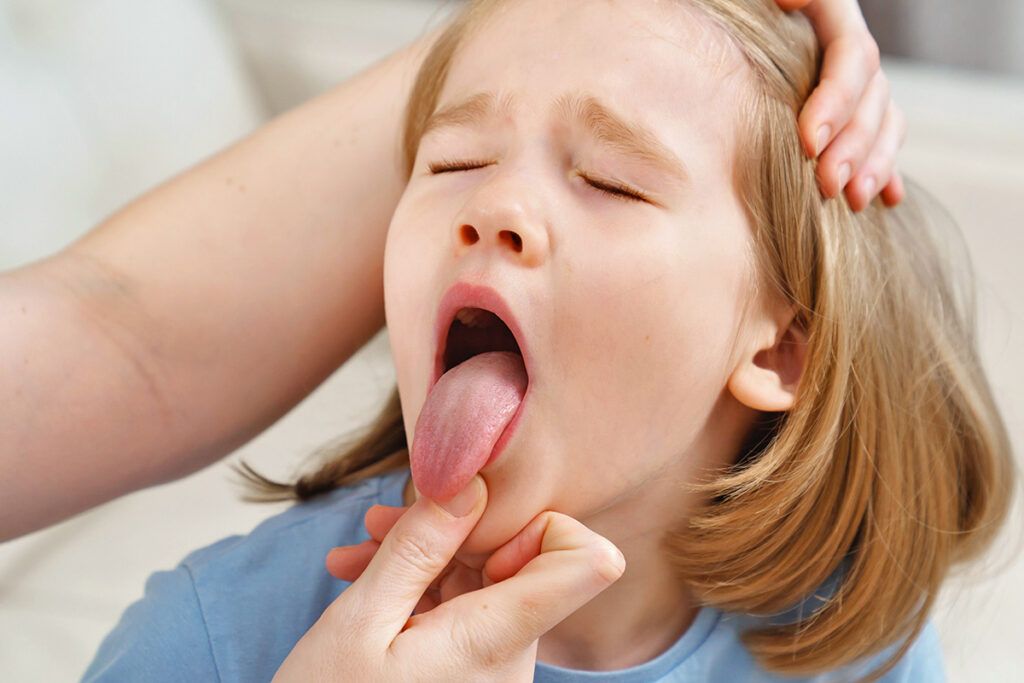
Little girl sticking out tongue
Credit: © andrey/stock.adobe.com

Sensation

Tongue numbness can happen for several reasons, including allergic reactions to food or medicine, nerve damage, vitamin deficiency, or autoimmune disorders. In some rarer cases, numbness or tingling of the tongue can be a sign of a stroke. 

Advertisement

Soreness of the tongue can be caused by minor infections, smoking, sores, or wearing dentures that don’t fit properly. More infrequently, tongue soreness can be a symptom of oral cancer. A soreness that burns may be due to burning mouth syndrome, a condition that’s most common in people who have gone through menopause.

Advertisement
Advertisement

You don’t need to obsessively monitor your tongue, but checking it every now and again can help you keep tabs on your overall health. And while minor variations from day to day can be normal, if you notice any changes in your tongue’s condition or ability to function, it may be a good idea to schedule a visit with a health care professional.

Featured Image Credit: © STUDIO TAURUS/stock.adobe.com

More From Our Network

Better Report is part of Inbox Studio, an email-first media company. *Indicates a third-party property.

Go Retro With This 1960s Fashion Quiz

Quiz Daily

Go Retro With This 1960s Fashion Quiz

True or False: Are You a Master of U.S. Geography?

Travel Quiz

True or False: Are You a Master of U.S. Geography?

5 Reasons You Can Be Denied Boarding an Airplane

Daily Passport

5 Reasons You Can Be Denied Boarding an Airplane

What Did People Do Before Eyeglasses?

History Facts

What Did People Do Before Eyeglasses?

How To Use a Balloon To Clean Up Dust

House Outlook

How To Use a Balloon To Clean Up Dust

11 Shopping Hacks Costco Members Should Know

FinanceBuzz*

11 Shopping Hacks Costco Members Should Know

Share this article

  • Share to Facebook
  • Share to Twitter
  • Copy Url
  • Share to Email
Ali Eldridge
Writer

Ali Eldridge is a writer and editor based in Chicago. Currently the editor of "What on Earth! Magazine," she has also contributed extensively to Encyclopaedia Britannica and published several books for children. She spends much of her free time learning new languages and trading puns with her clever kid.

This article is for general informational purposes only.
Affiliate Disclaimer Medical Disclaimer Financial Disclaimer

Updated: July 1, 2026
Posted In: Health
Hero Image Credit: Better Report
Advertisement

Related Articles

Are the Brown Marks on Your Skin Dangerous?

6 min read

7 Common Meds Seniors Overuse

4 min read

Is It Actually Bad To Wear Your Shoes in the House?

4 min read

15 Dreamy Gifts for a Better Night’s Sleep

11 min read

The 10 Holiday Foods Most Likely To Make You Sick

10 min read
Advertisement

What Your Earlobes Can Tell You About Your Heart Health

Jessica Levy
Health | Updated: April 27, 2026
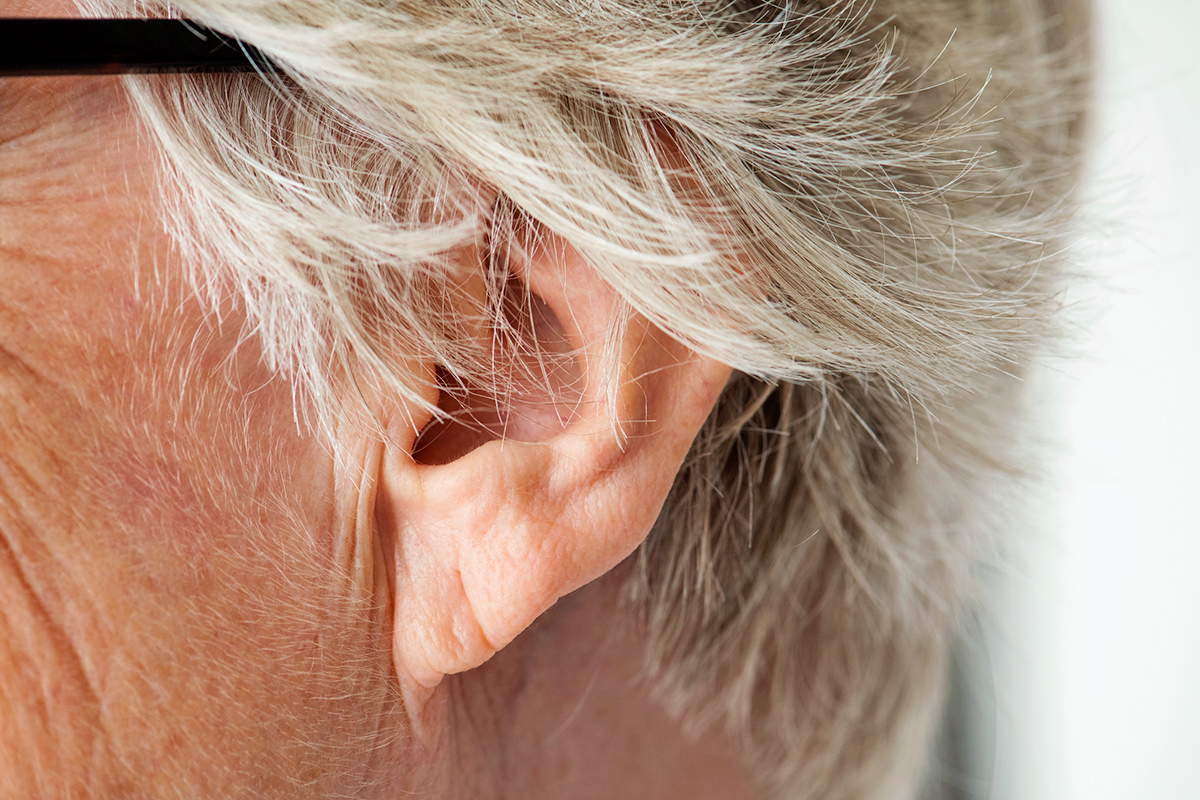
Close up of earlobe with crease
Better Report

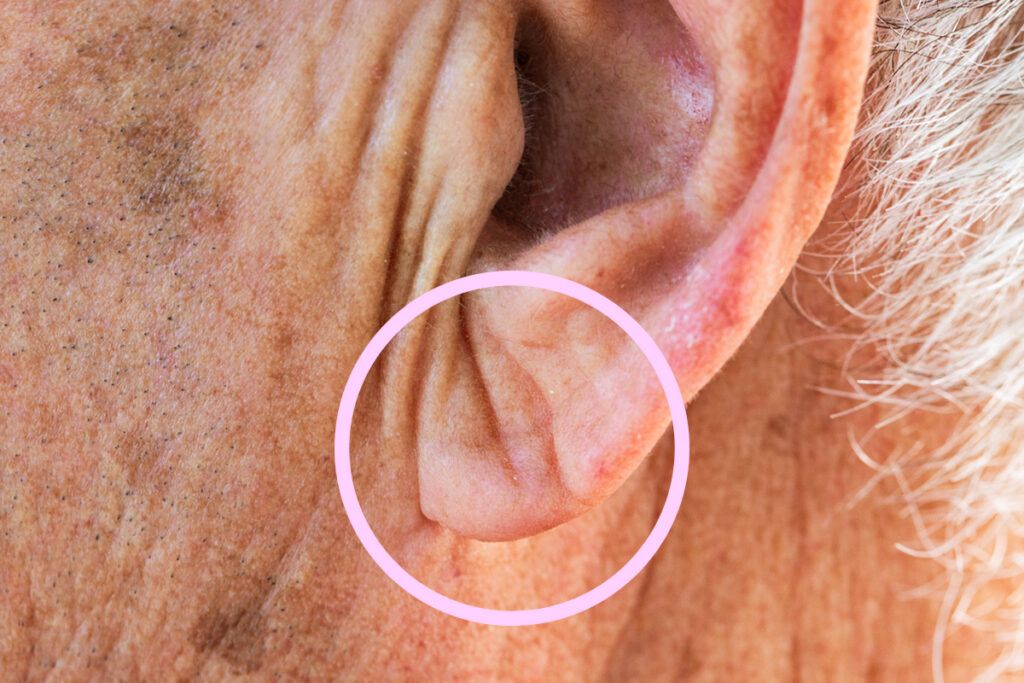
There are some body parts you probably don’t think about that often, like your eyebrows, or your tonsils, or your earlobes. But when it comes to the latter, you may want to reconsider. If your lobes have a particular feature, they could reveal important clues about your health — specifically, your potential for heart problems.  

Advertisement
Advertisement
Close up of ear with crease circled
Credit:© simarik/iStock

A Telltale Crease

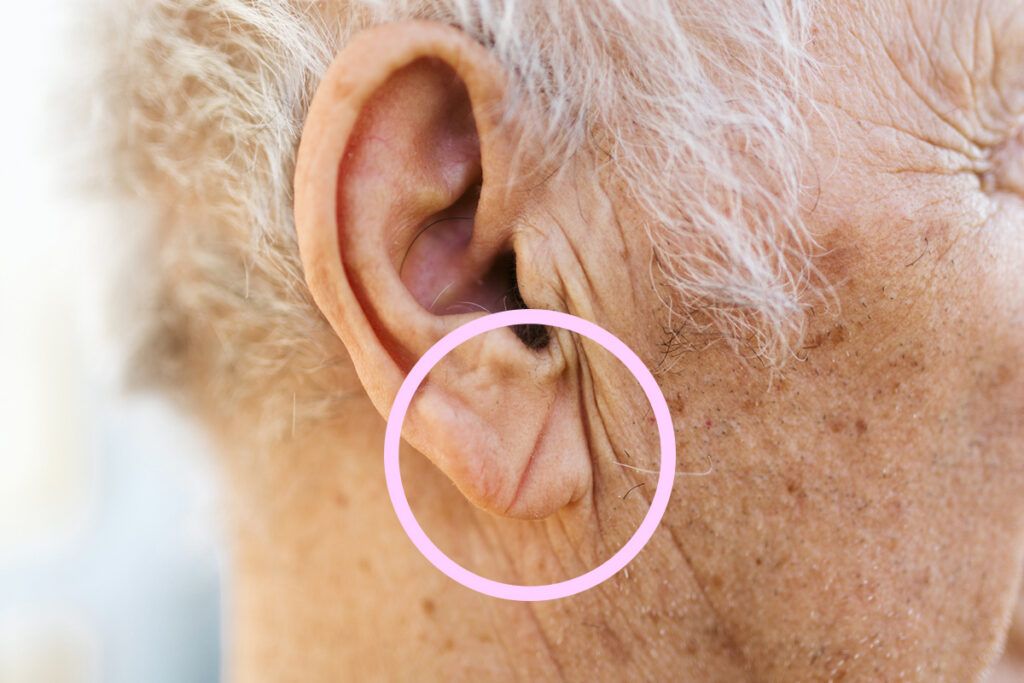
The feature to look for is a diagonal crease on the earlobes called Frank’s sign. It’s named for the pulmonologist who first described it in 1973 after noticing that his patients with symptoms of coronary artery disease also shared the telltale earlobe fold. 

Subsequent studies have shown a strong link between the presence of the crease and heart disease. An early investigation of the relationship found 47% of heart attack patients had Frank’s sign in one or both earlobes, compared to 30% of a control group, while a study conducted some 40 years later showed 43% of people with cardiovascular disease had Frank’s sign in both earlobes, compared to 29% of the controls.

Technically, Frank’s sign is a diagonal crease from the tragus, the little bump of cartilage above the earlobe, to the pinna, the lobe’s outer edge. Physicians categorize the crease into grades, from Grade 1 (a superficial wrinkle) to Grade 3 (a deep skin fold that covers the entire lobe). Some studies have found the crease’s grade, length, and other factors may relate to the severity of cardiovascular symptoms. 

Recommended Articles

  • The Most Dangerous Things You Do With Your Christmas Tree

  • 12 Foods You Shouldn’t Store Together

  • 7 Things You Can Stop Buying To Save Money

  • 13 Stocking Stuffers That Are Actually Useful

Advertisement
Advertisement

Reader Favorites

  • Person washing part of a coffee machine

    18 Surprising Things You Should Never Put Down Your Drain

  • White car on the road

    The Best Cars for Resale Value, According to Auto Experts

  • Person washing hands

    Always Wash Your Hands After Touching These 5 Things

Close up of ear with crease circled
Credit: © themacx/iStock

Let’s Be Frank

So, how does an obscure furrow in one’s earlobe often indicate disease in an entirely different body part? Researchers have a few theories. One is that the correlation comes from the fact that both the earlobe and heart are fed by terminal arteries; when blood flow in these arteries is obstructed, the resulting tissue damage shows up as Frank’s sign. Another theory suggests that the loss of elastic fibers in creased earlobes reflects a similar hardening in the heart’s tiniest blood vessels.

Advertisement
Advertisement

Researchers continue to debate whether Frank’s sign is a predictor of heart issues, a potential marker of heart disease in some but not all people, or a sign of premature biological aging. Frank’s sign and heart disease are both more common in older populations, so the crease may be more useful for pinpointing heart problems among people under 65.

Though its origins and significance are still a bit mysterious, Frank’s sign has been noticed for centuries. Sculpted busts of the Roman emperor Hadrian often reveal a deep crease in his outer ears, and Renaissance painters captured a crease in portraits of Cardinal Ludovico Trevisan and  members of the Medici family. Photos of General Robert E. Lee also show a fold across his right earlobe, and he frequently described heart disease-like symptoms in his letters.

Advertisement
Advertisement

Listen to Your Lobes

All of these studies show only correlations between Frank’s sign and cardiovascular conditions — they don’t prove that heart disease causes the crease, or vice versa. If you think you might sport Frank’s sign, researchers suggest mentioning it to your doctor and discussing your heart health. It also wouldn’t hurt to focus on preventing cardiovascular problems by eating a healthy diet, not smoking, getting enough quality sleep, and exercising regularly.

Advertisement
Advertisement

Featured Image Credit: © Rawpixel/iStock

More From Our Network

Better Report is part of Inbox Studio, an email-first media company. *Indicates a third-party property.

Go Retro With This 1960s Fashion Quiz

Quiz Daily

Go Retro With This 1960s Fashion Quiz

True or False: Are You a Master of U.S. Geography?

Travel Quiz

True or False: Are You a Master of U.S. Geography?

5 Reasons You Can Be Denied Boarding an Airplane

Daily Passport

5 Reasons You Can Be Denied Boarding an Airplane

What Did People Do Before Eyeglasses?

History Facts

What Did People Do Before Eyeglasses?

How To Use a Balloon To Clean Up Dust

House Outlook

How To Use a Balloon To Clean Up Dust

11 Shopping Hacks Costco Members Should Know

FinanceBuzz*

11 Shopping Hacks Costco Members Should Know

Share this article

  • Share to Facebook
  • Share to Twitter
  • Copy Url
  • Share to Email
Jessica Levy

This article is for general informational purposes only.
Affiliate Disclaimer Medical Disclaimer Financial Disclaimer
Updated:
Posted In: Health
Hero Image Credit: Better Report
Advertisement

Related Articles

Are the Brown Marks on Your Skin Dangerous?

6 min read

7 Common Meds Seniors Overuse

4 min read

Is It Actually Bad To Wear Your Shoes in the House?

4 min read

15 Dreamy Gifts for a Better Night’s Sleep

11 min read

The 10 Holiday Foods Most Likely To Make You Sick

10 min read
Advertisement
  • Home
  • Health
  • Wealth
  • Logo
  • Advertise
  • About
  • Contact Us
  • Privacy Policy
  • Terms of Use
  • Your Privacy Choices
x
Thumb Image

Elevate your everyday.

Sign up to receive the practical tips and expert advice you need to pare down the complexities of everyday living right in your inbox.

Sorry, your email address is not valid. Please try again.

Your email is:

Edit Image
Sorry, your email address is not valid. Please try again.
Thank you for subscribing...

By subscribing you are agreeing to our Terms of Use and Privacy Policy.

Close image
Thumb Image
Second Thumb Image

Elevate your everyday.

Sign up to receive the practical tips and expert advice you need to pare down the complexities of everyday living right in your inbox.

Sorry, your email address is not valid. Please try again.

By subscribing you are agreeing to our Privacy Policy and Terms of Use.

Close image