Are 1,000 Thread Count Sheets Really Worth It?
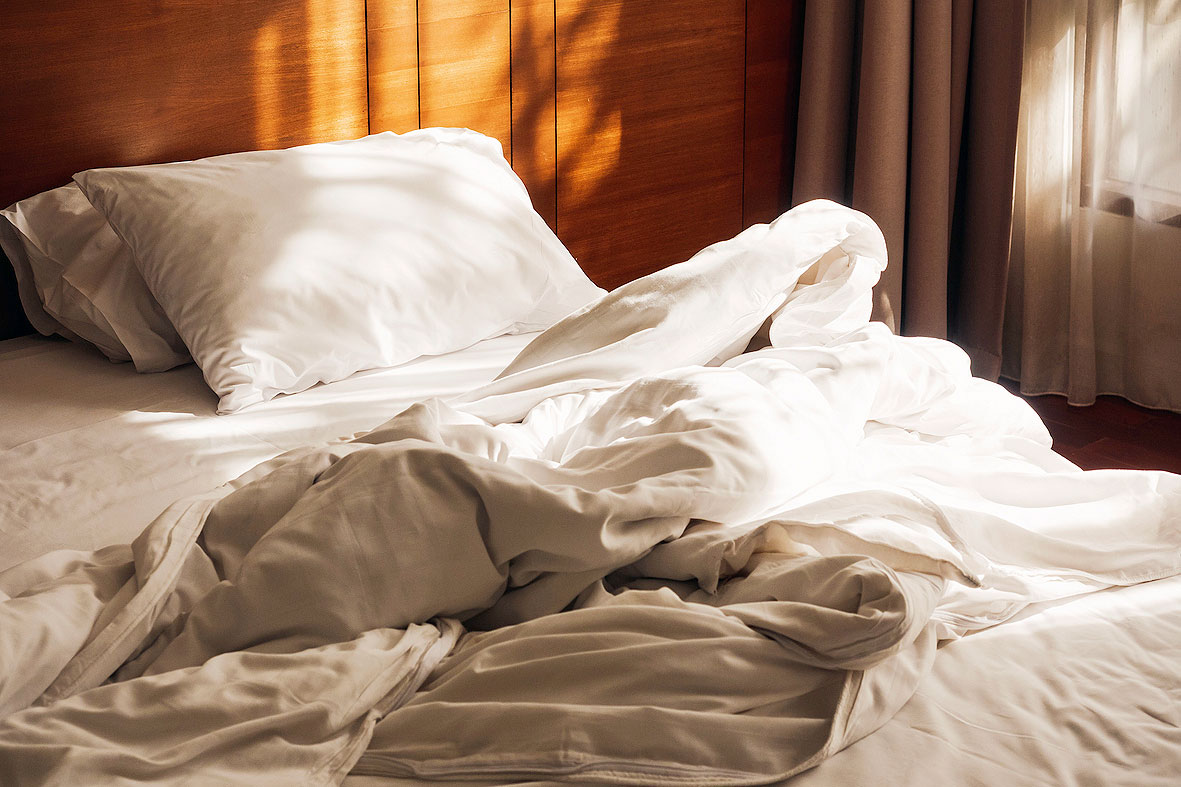
Buying new sheets used to be a straightforward decision, but these days, there are so many different fabrics, sizes, types, and thread counts to choose from. The bedding aisle is overflowing with options, and one of the biggest questions people encounter is, which thread count is the best? Is a higher number better? And does it justify such a high price tag? While there is no singular answer to which thread count to buy, there are guidelines and tips to help you find the perfect set to sleep comfortably in. So before you go searching for those 800, 1,000, or even 1,200 thread count sheets, learn what those numbers really mean and why less can be more.
All featured products and deals are selected independently and objectively by the author. Better Report may receive a share of sales via affiliate links in content.
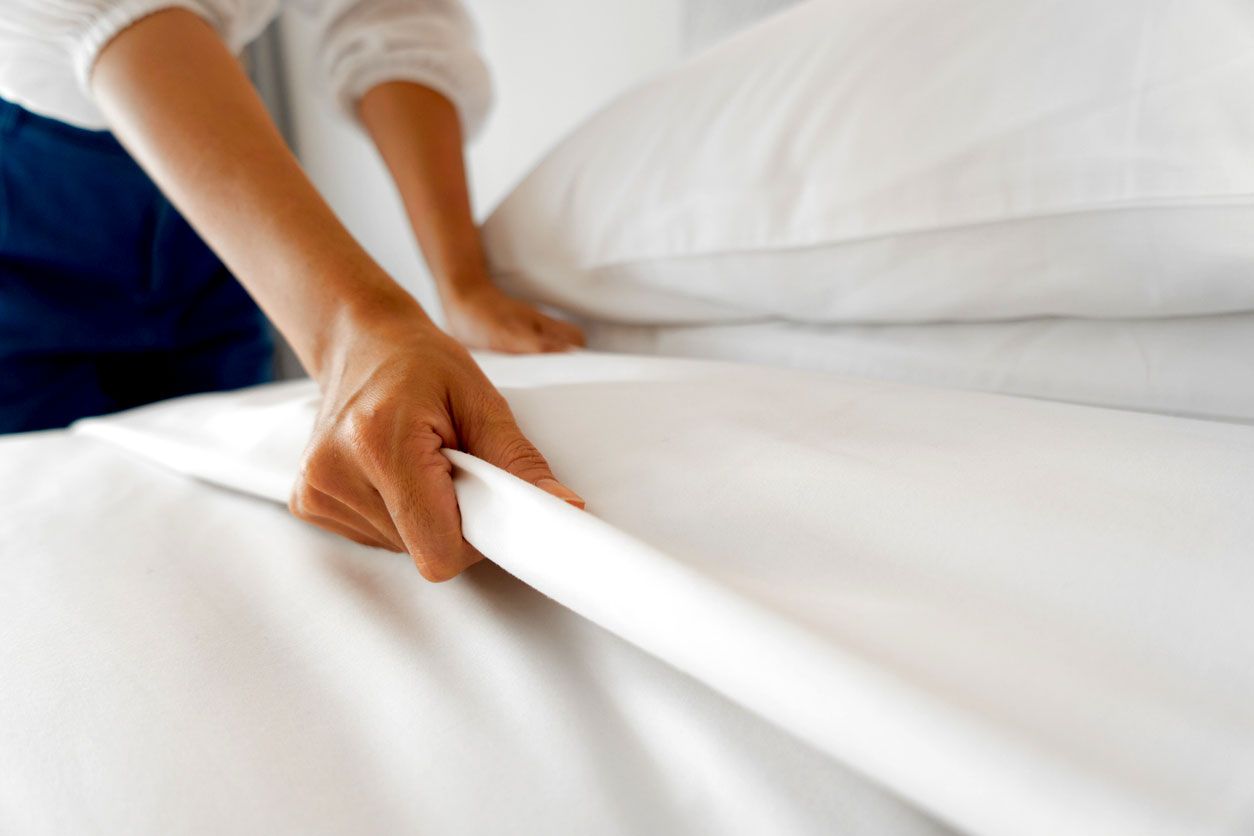
What Is Thread Count?
The “thread count” of sheets is the number of threads per square inch of fabric. It gauges how tightly woven the fabric is, informing how soft the sheets are. Typically, a tighter weave is softer. To calculate thread count, the number of threads that run lengthwise (warp) and widthwise (weft) are added together. For example, 200 threads by 200 threads would be a thread count of 400.

What Is the Best Thread Count?
According to the Sleep Foundation, the best thread count varies depending on the type of material. For example, when purchasing sateen weave sheets, a good thread count would range between 300 and 600, but for regular cotton sheets, 200 to 400 is a good thread count. Generally speaking, anything between 200 and 600 should be comfortable for any material — and a thread count of 400 typically gives you the most bang for your buck because they are comfortable but not too pricey. This recommended count includes fabrics such as cotton, Egyptian cotton, percale weave, sateen weave, and bamboo.
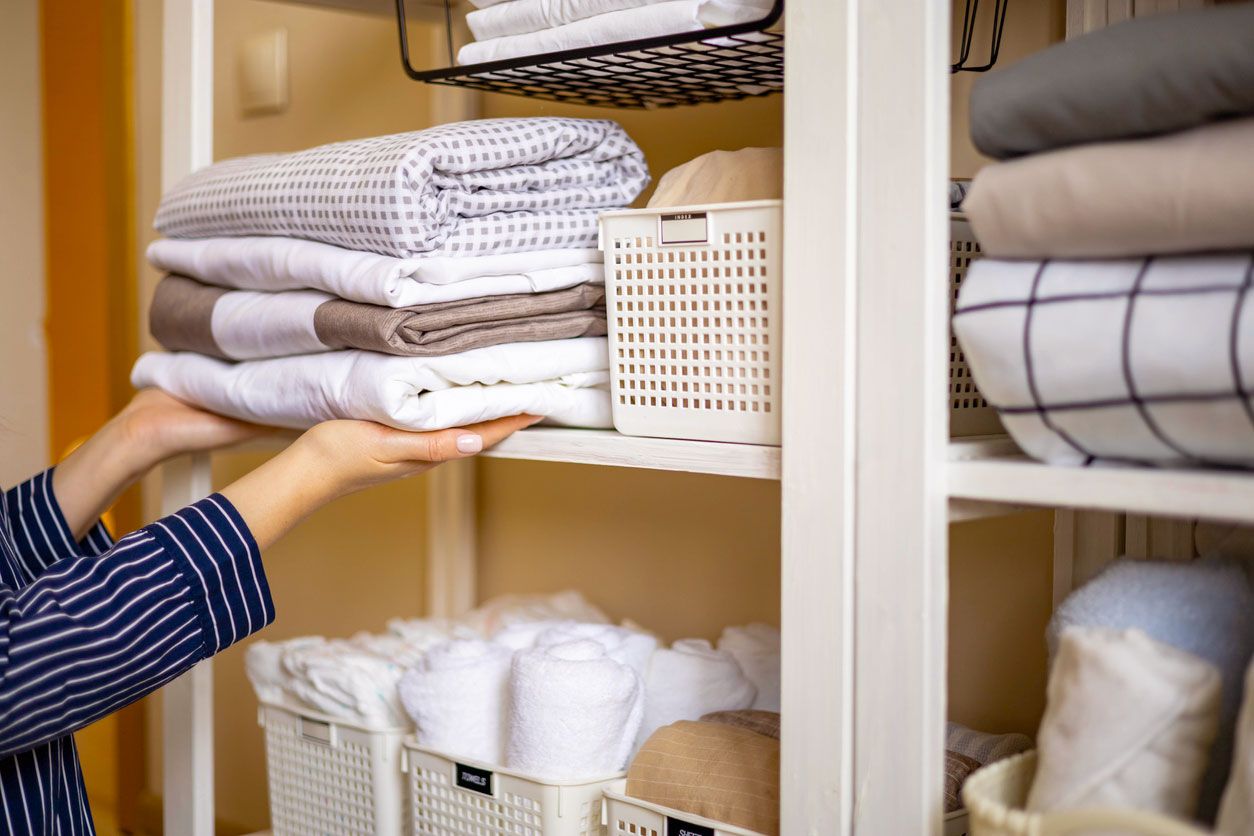
Is Thread Count a Marketing Gimmick?
In short, sometimes. A high-quality 1,200-count set of sheets can set you back several hundred dollars, but it might feel similar to a 600 or even 400-count set (given that the material and quality are the same). Typically, anything over 600 or 800 becomes superfluous. Extremely high thread counts might also be used to trick shoppers. Inflating the thread count using double- or triple-ply, low-quality threads can turn a 200-count sheet into 600, but because the quality is so low, it will not be as comfortable. On the other hand, is it worth saving a little money and purchasing the 100-count cotton sheets? Probably not. These sheets are typically stiff and scratchy, and in the end, you might find yourself buying another new set of sheets and spending even more money.

Reader Favorites



Are All Sheets Measured by Thread Count?
Not all bedding fabric is measured using a thread count. For example, microfiber, flannel, and jersey are measured in grams per square meter (GSM). Look for a GSM of around 100 for microfiber, 150 for jersey, and 170 or more for flannel. Silk is measured in “momme,” or the weight of a piece of silk that measures 100 yards by 45 inches. Silk sheets average around 20 momme.
What Else Matters Besides Thread Count?
Thread count is an excellent starting point when purchasing new sheets, but the following characteristics also significantly impact the softness of a fabric.
• Type of Material: The most common types of bedsheet fabric are cotton, Egyptian cotton, percale weave, sateen weave, bamboo, and linen. Which fabric feels best is based on personal preference.
• Quality of Material: If a set of sheets is made with high-grade cotton, the thread count won’t matter as much, and a 400-count might feel the same as a 600-count. The quality of these materials varies by brand and supplier.
• Ply: Sheets might include the “ply” on their packaging. Two-ply sheets have yarn made of two threads, creating a heavier fabric than a single-ply fabric, but single-ply might feel softer. For this reason, two-ply might be better during winter, while single-ply is a breathable summer option.
• Staple Size: Cotton comes in three staple sizes — short, long, and extra-long — that indicate the length of the fibers. Short staple cotton is used for denim and flannel, while long and extra-long cotton is softer and used for sheets.
Featured Image Credit: VTT Studio/ iStock
More From Our Network
Better Report is part of Inbox Studio, an email-first media company. *Indicates a third-party property.