Should You Always Use a Fabric Softener? Experts Weigh In
When it comes to laundry, few things are more discouraging than ruining a new outfit or a favorite set of bath towels. While bleach stains and shrunken garments are sure to cause washroom woes, there is one less obvious culprit, and it’s been around for decades: fabric softener. Touted as a miracle wrinkle releaser and static cling reducer, fabric softener promises to make our clothes smell fresh and feel buttery smooth. But does this laundry staple actually damage clothing? Cleaning experts believe so. Here’s why you might want to skip the softener during your next load of laundry.
All featured products and deals are selected independently and objectively by the author. Better Report may receive a share of sales via affiliate links in content.
The Drawbacks of Fabric Softener
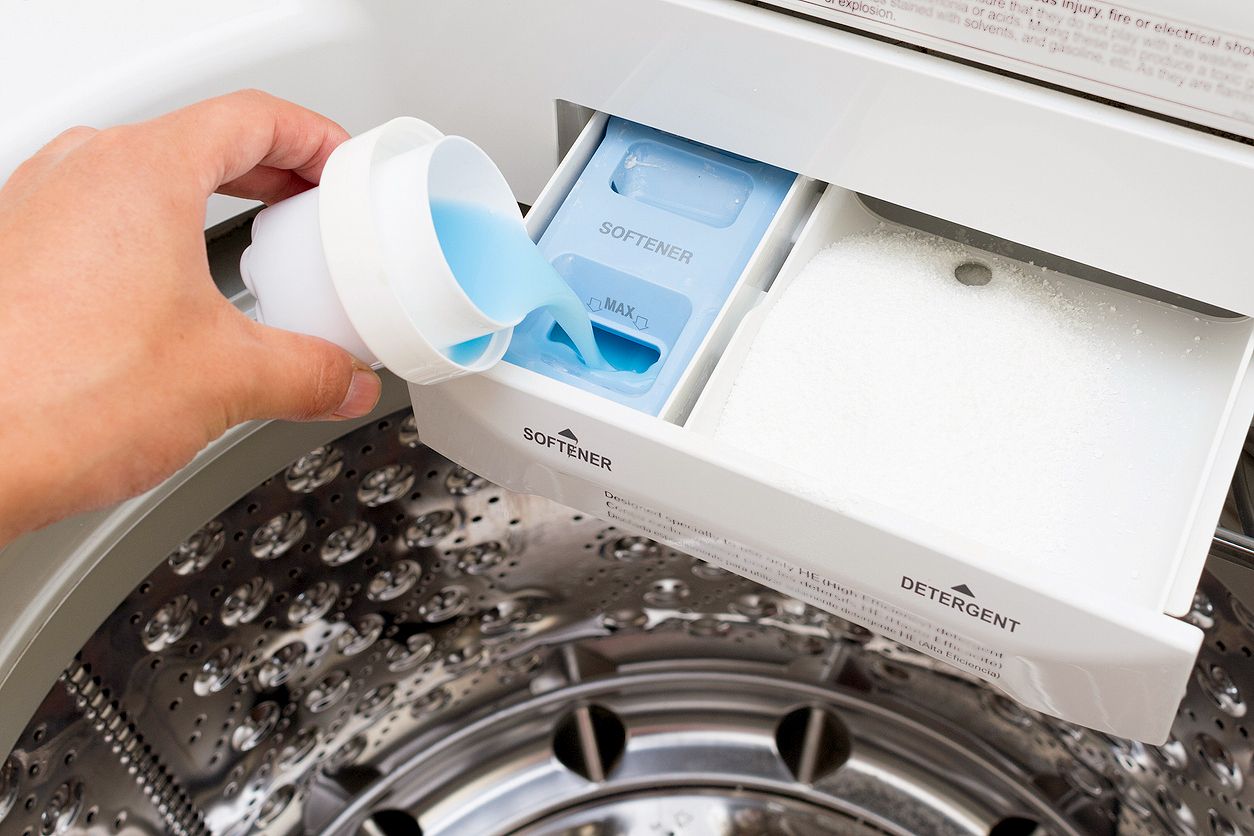
Fabric softener has become a pillar of many laundry routines, but it might do more harm than good. Patric Richardson, the host of The Laundry Guy on Discovery+ and author of Laundry Love, is against fabric softener. “I want my cotton to feel like cotton. I want my linen to feel like linen. I want my wool to feel like wool,” he says. The laundry guru explains that fabric softener creates an artificial softness on fabrics by coating them with a waxy substance. While this residue reduces static and leaves a lasting scent, it has several downsides.
Richardson also says this residue can leave users feeling like their clothes are “covered in a layer of filth.” After just one wash in fabric softener, the waxy substance latches onto the fabric, and it can take up to eight washes without softener to remove the coating. This residue not only makes fabrics feel dirty, heavy, and less fluffy, but according to cleaning expert Kellsie Zapata, the buildup can also make them smell worse over time. As if that wasn’t bad enough, softener can also reduce the effectiveness of detergent and other laundry aids because it forms a layer over dirt and discoloration that stain-fighters can’t infiltrate.
When to Use Fabric Softener
Don’t dump your fabric softener down the drain just yet. It can be a safe laundry tool if used sparingly and on the right types of fabrics. When in doubt about what fabric softener to use, opt for a more gentle formula, such as 9 Elements. This brand is powered by vinegar and essential oils and has a high EWG health safety rating. When using softener, always follow product directions and measurements, and remember to clean your washing machine at least once a month to avoid harmful residue buildup. Here are some general fabric softener guidelines.
• Dos: Natural fibers, especially wrinkle-prone cotton and linen, work best with fabric softener. They aren’t as susceptible to buildup and can benefit from wrinkle-releasing formulas. Still, limit your fabric softener use to once every three or four washes.
• Don’ts: Activewear, microfiber, towels, water-repellent clothes, and flame-resistant clothes should not be washed with fabric softener. The residue can leave terry cloth towels (and other similar materials) 80% less absorbent. Contrarily, moisture-wicking fabrics, such as swimsuits and activewear, lose this ability when exposed to softeners. Flame resistance is also diminished by fabric softeners, which is relevant to parents because children’s clothes and pajamas are made with flame-resistant textiles.
Fabric Softener Alternative: Check Your Pantry
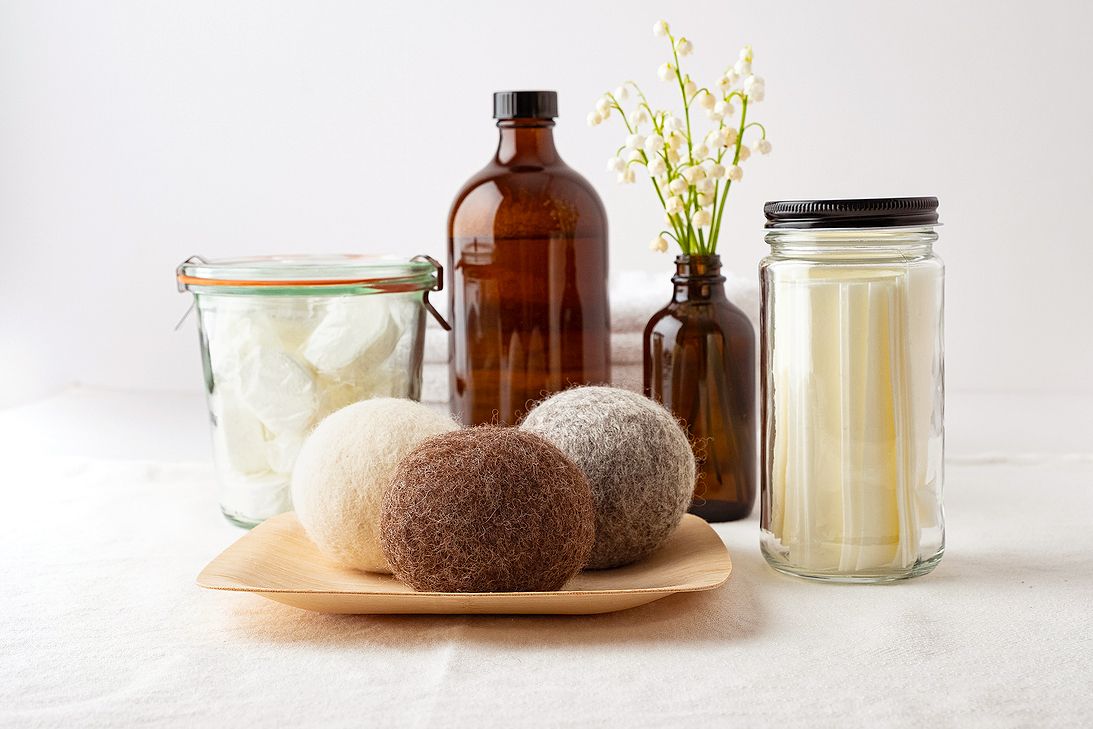
Home cleaning experts, including Martha Stewart, swear by one pantry item as the best natural replacement for fabric softener: distilled white vinegar. The acid softens clothes and reduces static cling without leaving behind a harmful coating. It can also remove soap residue and mineral deposits weighing down your fabrics. Dr. Andrew Ordon of The Doctors uses white vinegar as a non-toxic fabric softener for his towels, explaining that it leaves them “softer, more absorbent, and free of any funky towel odor.” To incorporate white vinegar into your laundry routine, add 1/4 to 1/2 cup to the fabric softener dispenser either when you start a load or just before the final rinse.
We know what you’re thinking — won’t my clothes smell like a sour pickle? Thankfully, that strong vinegar scent dissipates during the washing and drying process, leaving a neutral odor that your detergent overshadows. Here are a few other things you can add to your laundry to improve your results.
• Essential oils: Mix about five drops of essential oils with the vinegar before pouring it into the dispenser. This scent-boosting trick will have your laundry smelling fresh, and the scents are more customizable than store-bought softeners. (Don’t pour oils directly onto fabrics as they might stain.)
•Baking soda: This kitchen staple also works wonders for household cleaning. Baking soda boosts cleaning power, reduces static cling, and softens water in tandem with vinegar. Add 1/2 cup to your clothes just before the rinse cycle to see it work its magic.
Featured Image Credit: Hiraman/ iStock
More From Our Network
Better Report is part of Inbox Studio, an email-first media company. *Indicates a third-party property.