What Actually Happens at the Dry Cleaners?
Dry cleaning: it’s one of life’s great mysteries. We don’t question its methods while reaping its benefits, but it’s time to demystify the process and discover what goes on behind the counter. After all, it is the best way to get fresh, cleanly pressed clothes while avoiding damage. So, shouldn’t we all know how it works? The confusion lies in its name because, contrary to what many people think, dry cleaning isn’t dry. It’s a wet multi-step process involving the careful inspection and machine cleaning of your most delicate items. This is what actually happens when you drop clothes off at the dry cleaners.
What Is Dry Cleaning?
Dry cleaning is one of the most common ways to clean clothes, yet it’s undoubtedly the most mysterious. You might be surprised to learn that dry cleaning isn’t dry at all. The reality is that there’s “nothing dry about it,” says Wayne Edelman, the president of Meurice Garment Care of New York. “The clothes get wet with a solvent,” he explains. The process involves washing clothes in a machine (similar to an at-home washing machine), but chemical solvents and soap are used instead of water.
Here is a step-by-step breakdown of what happens after your clothes are dropped off at the cleaners, according to the pros:
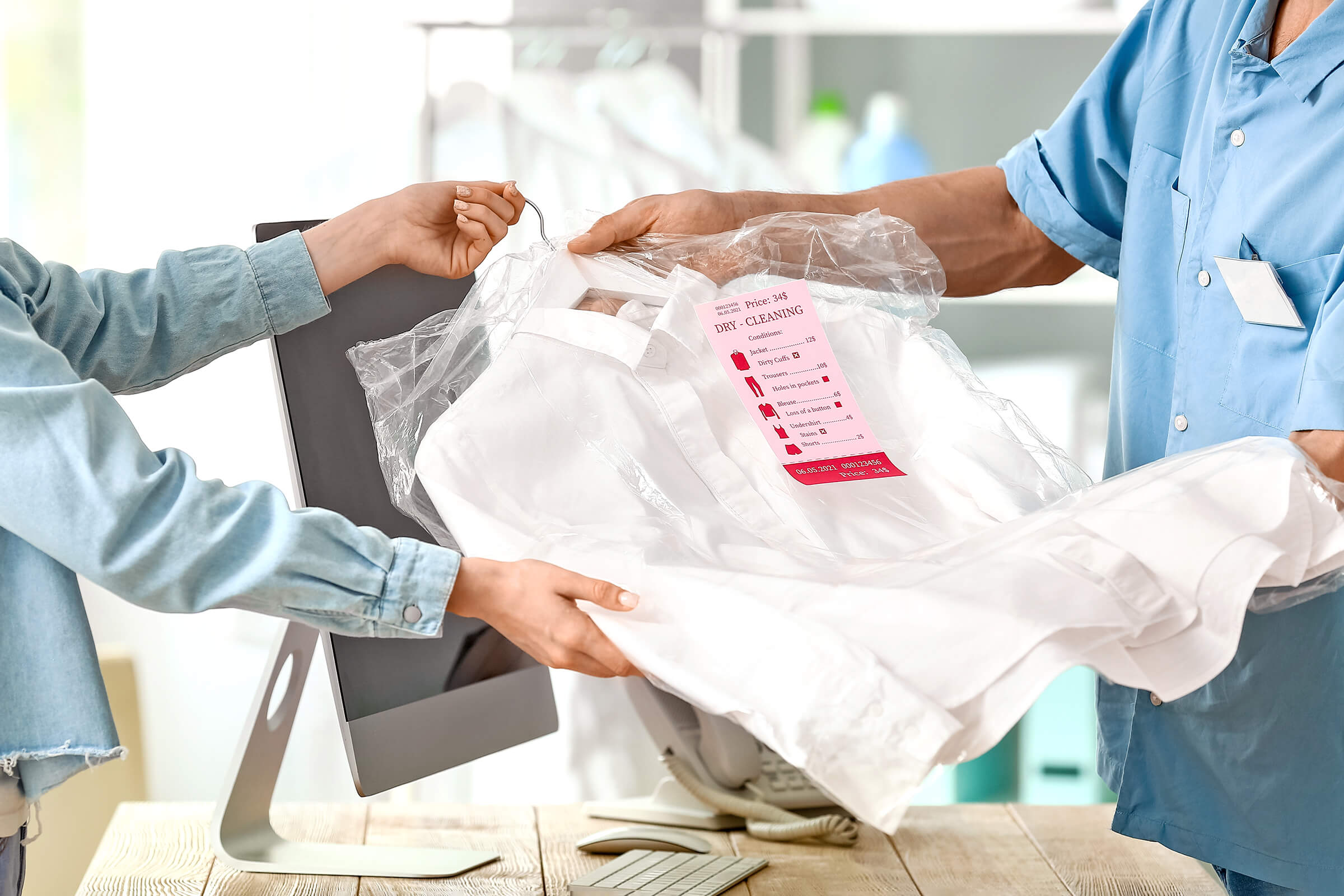
Tagging: Your garments are tagged with your name, contact information, and the type of garment. This helps staffers group garments by material.
Inspection: Cleaning technicians inspect the garment for stains and tears, noting any before they begin cleaning. If the item is too damaged to clean, you’ll be notified. Any buttons or delicate embellishments are removed.
Pretreatment: This stain-fighting boost is used if the technician believes a regular machine cleaning will not do the trick. It’s a chemical cleaner sprayed directly onto the item. Some stains can cause further damage if washed without a pretreatment.
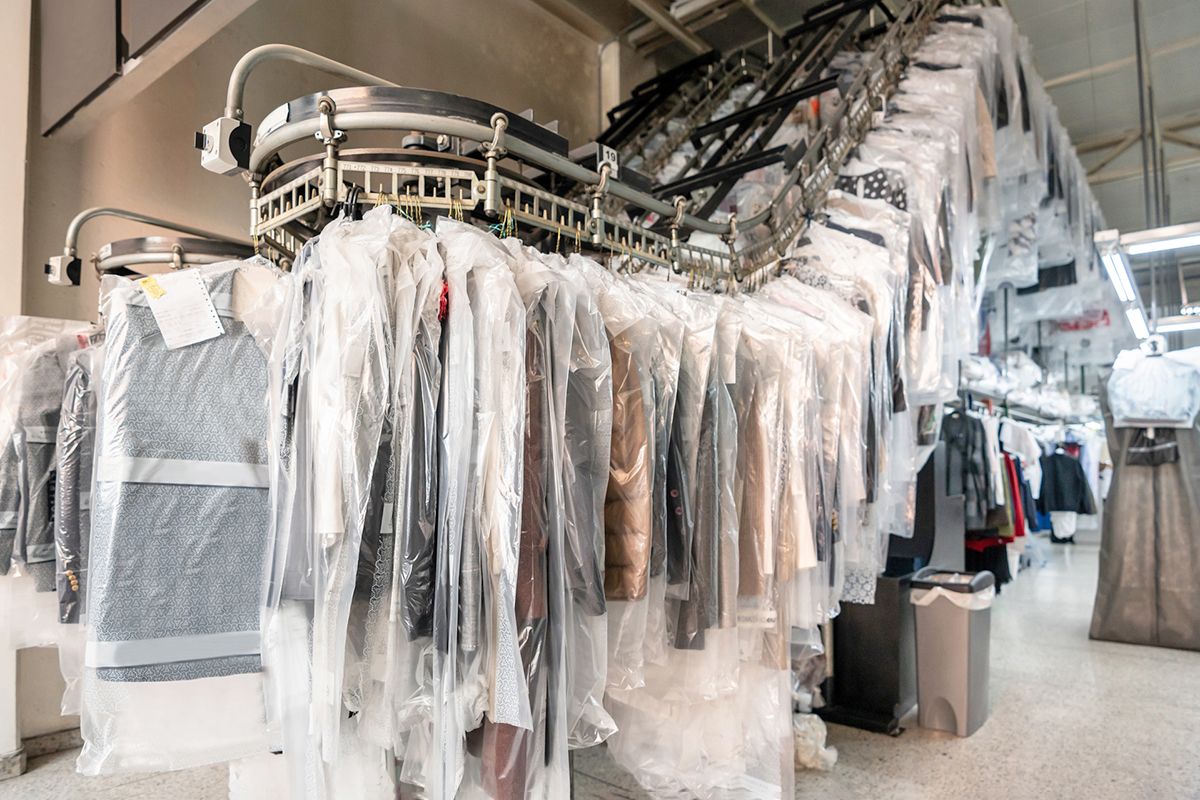
Machine Cleaning: This is the bulk of the dry cleaning process. Clothes are tossed into the heated machine and rinsed with a chemical solvent and soap. The gentle agitation of the machine loosens dirt and grime without damaging the items. The machine then dries the garments using warm air and extracts leftover solvent, which can be recycled and reused.
Post-Treatment: After the machine washing, garments are inspected for stains again. Sometimes, stubborn stains need extra cleaning, typically done by hand.
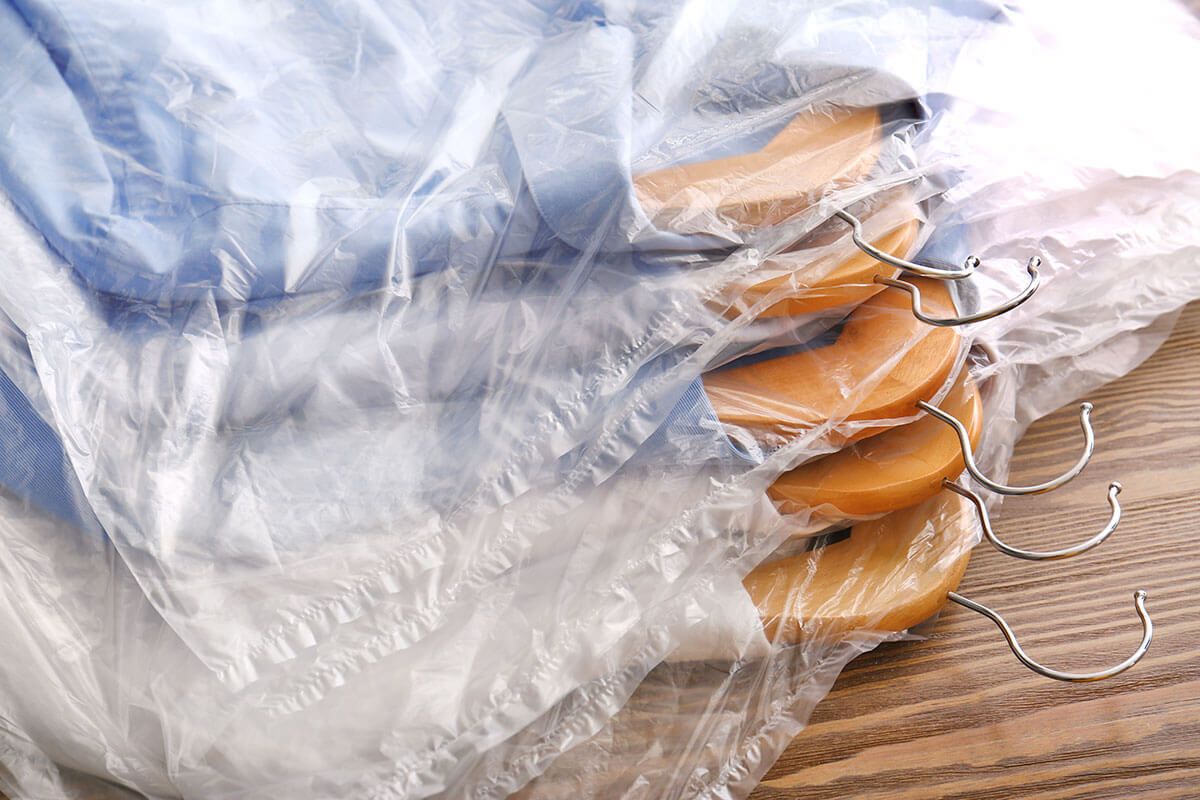
Wrinkle Removal: The technician eliminates wrinkles using an iron or steaming, leaving clothes looking extra fresh.Inspection and Packaging: Items are inspected for stains, buttons are resewn, and notes are made for extra fees. Clothing is packaged into protective bags and placed in the pick-up-ready area.
What Liquid Is Used in Dry Cleaning?
Dry cleaning has come a long way since the 19th century when Jean-Baptiste Jolly spilled a kerosene lamp on a dirty tablecloth, accidentally discovering the solvent’s cleaning properties and inventing dry cleaning as we know it. People began using this flammable liquid to clean clothes and fabrics, but this was an unsafe practice. Today, a much safer solvent is used.
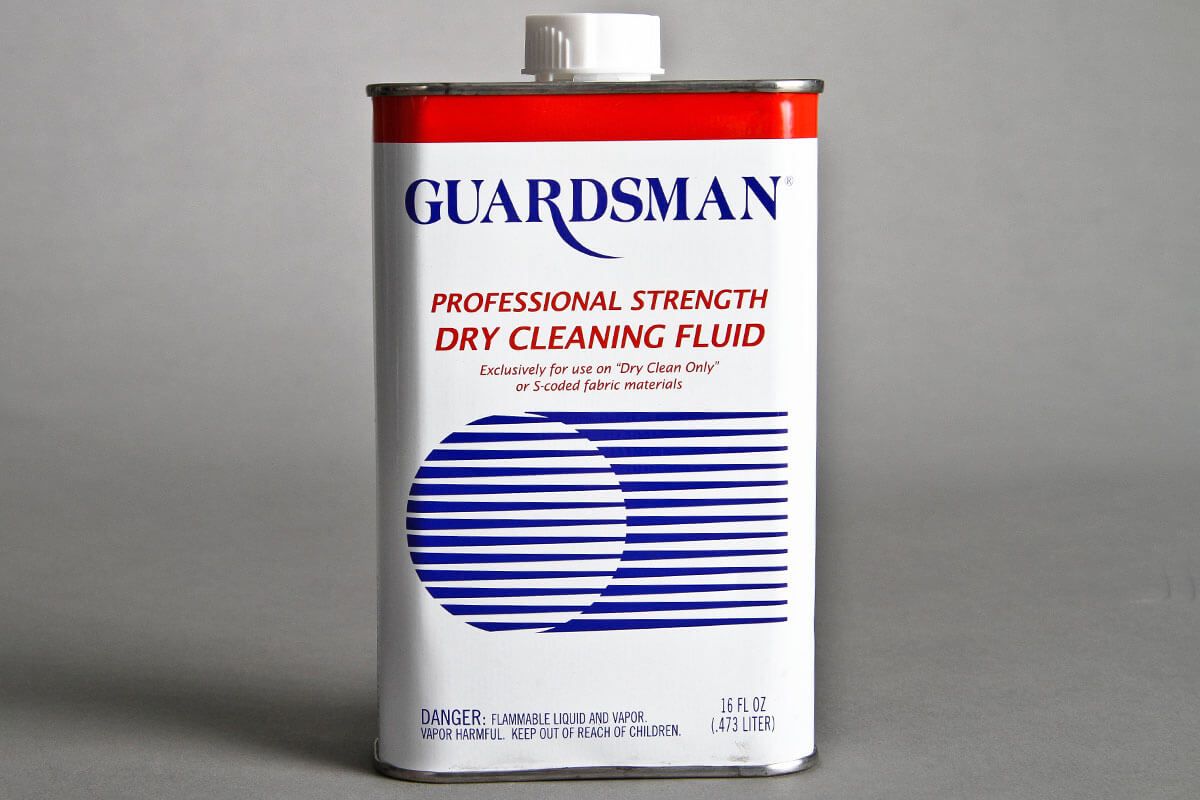
Now, you’re probably thinking, what is this mystery liquid made of? It’s a petroleum-based solvent called perchloroethylene, or “perc.” It’s been used in dry cleaning for nearly a century. However, it’s currently being phased out for less hazardous chemicals like hydrocarbons or alternative solvents like the silicone-based GreenEarth.
Dry Cleaning Tips
Here’s how to get the most out of your dry cleaning. For starters, store your freshly dry-cleaned clothes in a cool, dry, dark place — a closet should fit the bill. Although dry cleaning is the best way to clean delicate items, even this gentle process can damage clothing over time. For this reason, don’t overdo it on the dry cleaning. Try to take clothes in as infrequently as possible. Consider spot-cleaning small stains at home to extend the time between dry cleanings. Lastly, don’t try to remove heavy stains from delicate items at home because this can cause a bigger mess that even the dry cleaners can’t fix. If in doubt, consult your local dry cleaner for advice.

Reader Favorites




At-Home Dry Cleaning
If taking an item to the dry cleaner isn’t possible, try this at-home trick using a heat-activated stain remover and steam in your dryer. These products are designed to remove light stains, odors, and dirt from clothes. The easiest way to try this is with an at-home kit that bundles everything you need to get started. Most kits include a reusable dryer bag and a stain remover solution. Here’s how it works: you pretreat the stains with the provided solution, place the garment in the dryer bag, and put it in the dryer for the indicated time. The heat and steam generated in the bag help remove the stains and freshen the garment.
While this method will leave clothes smelling fresh and appearing less wrinkly, it doesn’t always work well on heavy stains. However, this fast, cost-effective method cleans clothes in 15 minutes for around $1 per item. It works well on sweaters, blouses, jeans, delicates, and even hard-to-clean wool and cashmere. A good rule of thumb is to refresh slightly soiled clothes at home and leave the bigger messes for the professionals.
More From Our Network
Better Report is part of Inbox Studio, an email-first media company. *Indicates a third-party property.