One Thing You Can Do Daily To Benefit Your Brain

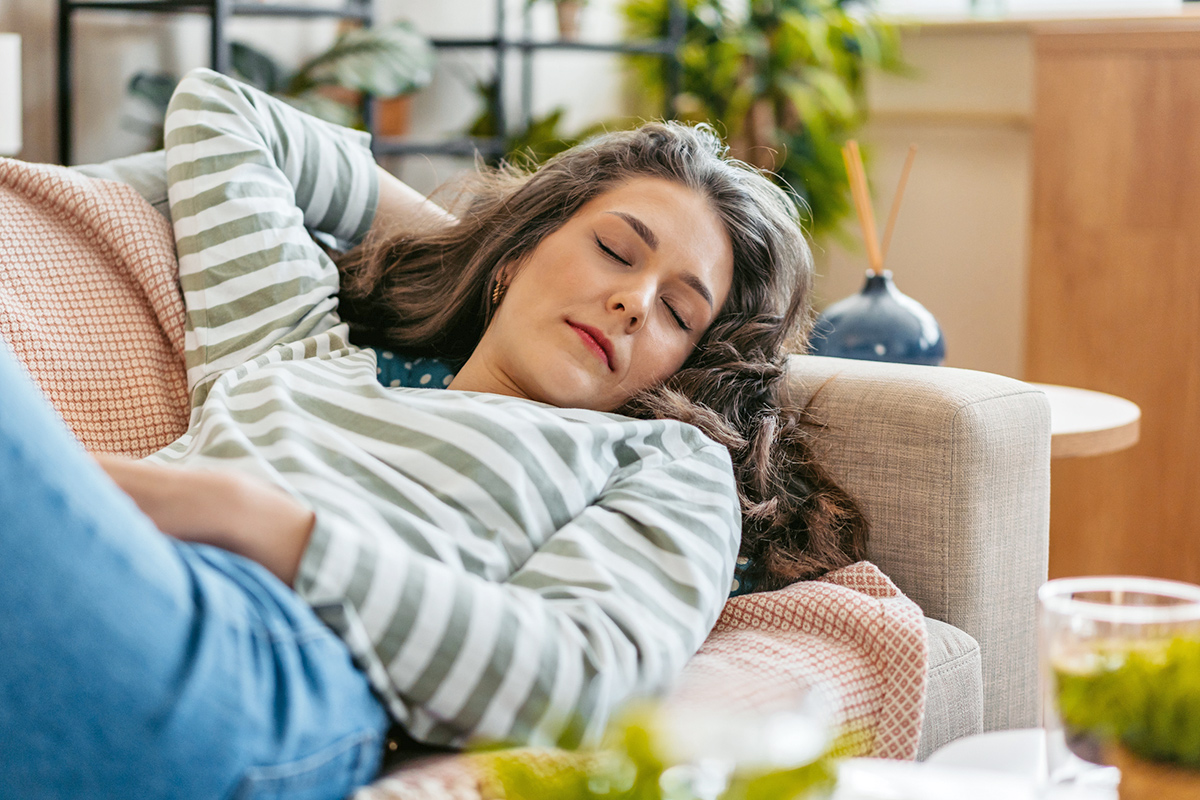
Daytime naps aren’t just for babies and cats. A brief snooze in the early afternoon has the power to boost your energy, improve your alertness, relax your mind, and brighten your outlook on life. Read on to discover more of the surprising perks of napping — and how to set yourself up to maximize the benefits.
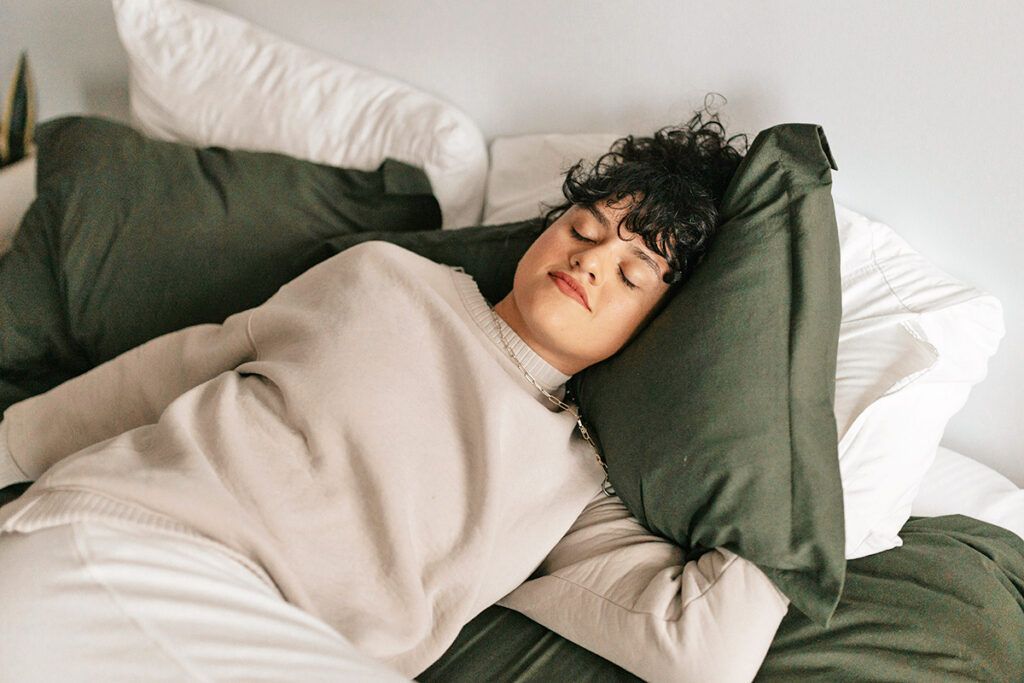
What Is a Nap, Exactly?
“Napping is sleep, but in a shorter time and during the day rather than at night,” says Joseph Dzierzewski, Ph.D., senior vice president of research and scientific affairs at the National Sleep Foundation. You won’t cycle through all four stages of sleep in a 20- to 30-minute nap. Instead, you’ll experience only the first and second stages — in other words, light sleep — and wake up refreshed rather than groggy.
“The brain processes all sorts of information, pruning and cleaning out toxins from the mind” during sleep, Dzierzewski says. Good sleep is a biological necessity for health and well-being, and you can gain a lot of the benefits with a quick nap.

Benefits for Your Brain
If you learn something new and then nap on it, you’ll remember the information better. According to a 2018 study, when young adults spent a morning and afternoon studying, with either a break, a nap, or cramming in the middle, the nappers had the best recall of the information after one week.

Reader Favorites



Napping can also improve your alertness and performance. These abilities are important for paying attention at work or while playing sports, but they become life-or-death matters when you’re behind the wheel. A 2023 study suggested that the risk of a car crash doubles when the driver has had less than five hours of sleep in the previous 24 hours. Napping can restore your sense of vigilance and improve reaction time, reducing your chance of an accident.
Older adults can gain additional cognitive benefits from naps as their sleep efficiency (the quality of sleep versus how much time is spent sleeping) declines with age. A 2016 study of older people found that those who took a post-lunch nap of between 30 and 90 minutes displayed better word recall and figure drawing — indicators of healthy cognition — than participants who took longer naps or didn’t nap at all.

Mood and Energy Boost
Feeling cranky, irritable, or burned out? There’s a nap for that. Short naps can reset your mind and help you deal with stressful or annoying situations more productively. A post-lunch snooze may allow you to retain new skills, gain new perspectives, and boost creativity. Jade Wu, a sleep medicine specialist, told NPR that naps “[make] us less biased towards negative stimuli and more flexible in our thinking.”
Napping also reduces daytime sleepiness so you can tackle tasks after lunch and avoid the afternoon slump. The trick is to take a brief nap of no more than 30 minutes to avoid sleep inertia, that disoriented, confused feeling you may get when waking from a deep sleep.

Help for Your Heart?
Some studies have shown that naps can offer a boost for your heart health, while others have found links between napping and risk factors for heart disease.
According to a 2019 study, naps may help lower blood pressure, a risk factor for cardiovascular disease. A midday siesta seems to decrease blood pressure levels at the same magnitude as other behavioral changes, like reducing salt and alcohol intake, and nearly as much as low-dose hypertension medications.
However, a study published in 2022 found frequent daytime napping was associated with a higher risk of high blood pressure and stroke. Napping in itself is not dangerous, but frequent or extended naps can be symptoms of poor sleep at night. Chronic poor sleep can cause high blood pressure, diabetes, and other heart disease risk factors.
If you find yourself nodding off at different times of the day, or feeling so tired that you can’t avoid a lengthy nap, it’s a sign to ask yourself why you’re feeling so sluggish. It may indicate an underlying health issue that should be evaluated, Dzierzewski says.

How To Take the Perfect Nap
The key thing to remember is that napping shouldn’t impact your regular nighttime sleep. The ideal nap should last 20 to 30 minutes and take place in the early afternoon, such as when you find yourself yawning after lunch. Find a place where you can recline and close the curtains to foster a dark, cool, and quiet environment. And don’t forget to set your alarm. “A small, intentional nap is a booster, not a replacement for your main sleep period at night,” Dzierzewski says.
Featured Image Credit: © urbazon/iStock
More From Our Network
Better Report is part of Inbox Studio, an email-first media company. *Indicates a third-party property.







Kat Long is a freelance science journalist in the Washington, D.C. area. Previously, she was the science editor at Mental Floss and a digital editor at National Geographic. She now writes the Arctic Archives newsletter on Substack. Kat spends her free time birdwatching, road-tripping to historical sites and perusing old manuscripts at libraries.
This article is for general informational purposes only.
Affiliate Disclaimer Medical Disclaimer Financial Disclaimer