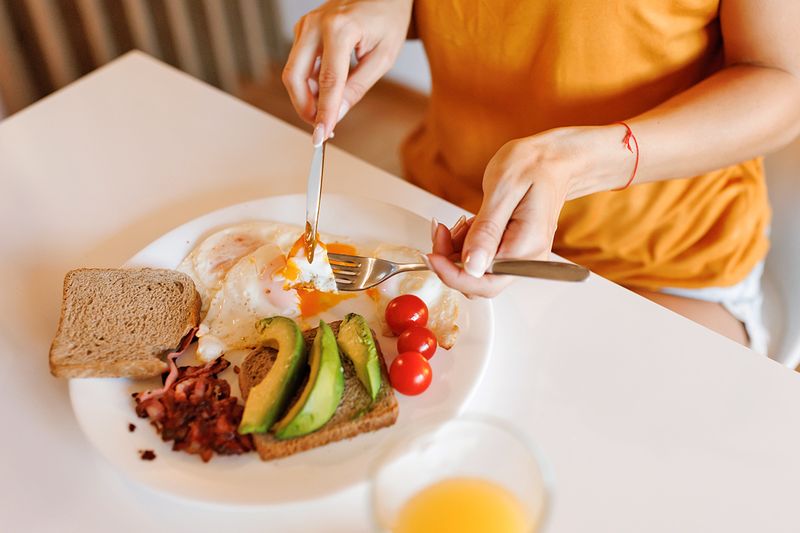
Are Teflon Pans Really That Bad for You?

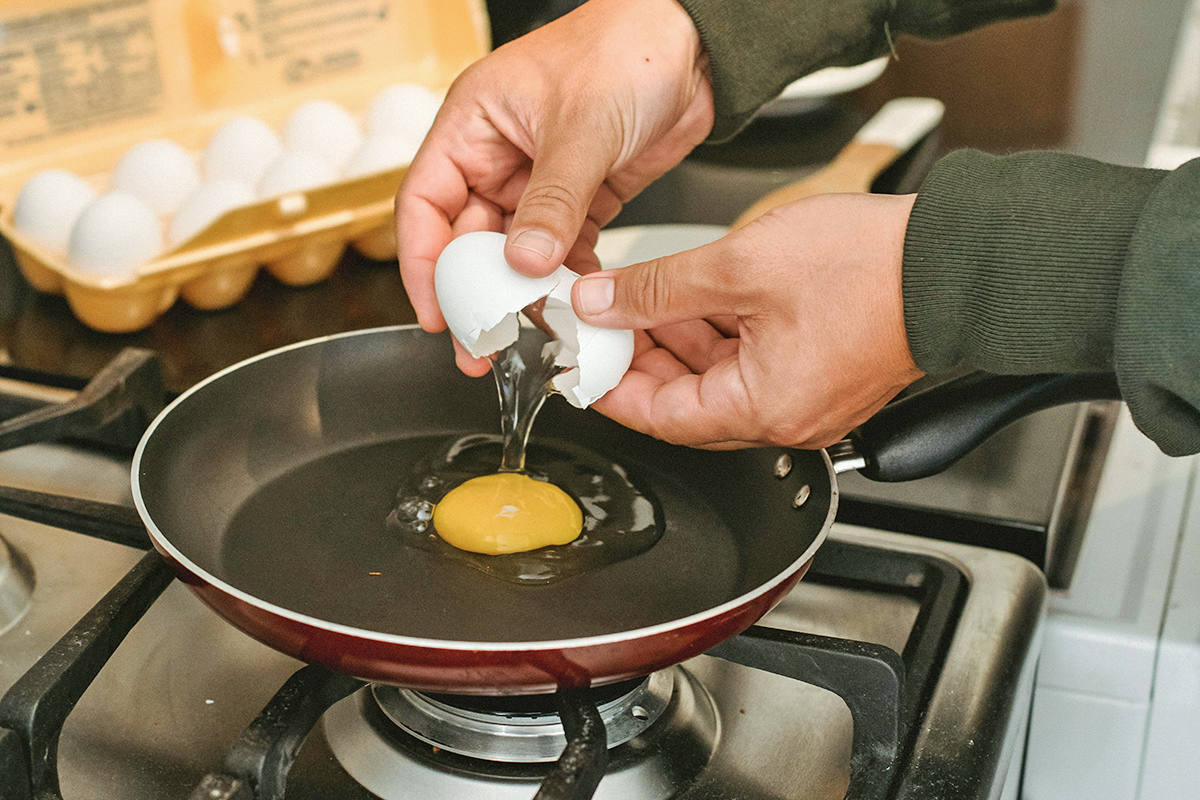
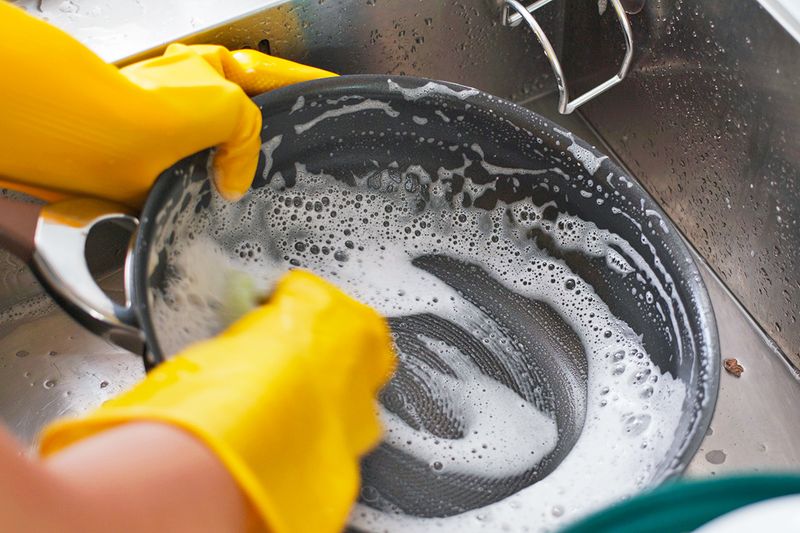
In 1938, a chemist at the DuPont company accidentally discovered an exciting new polymer. It repelled water, it was chemically stable and nonreactive, and nothing stuck to it. The material (brand name: Teflon) has been used in countless consumer products since then to reduce friction between surfaces. Among its best-known applications is in nonstick cookware, allowing home chefs to sauté, pan fry, and bake without a stuck-on mess to clean up afterward.
In the past few decades, however, the chemicals that go into nonstick surfaces have been linked to certain health issues and environmental pollution. A 2025 poll conducted by Consumer Reports found 65% of the cooks and bakers surveyed were “very concerned” or “somewhat concerned” about the presence of the chemicals in nonstick cookware.
Are pans coated in Teflon a health risk? Should you toss the ones you have in your cabinets? Let’s take a look.
Pots, Pans, and PTFE
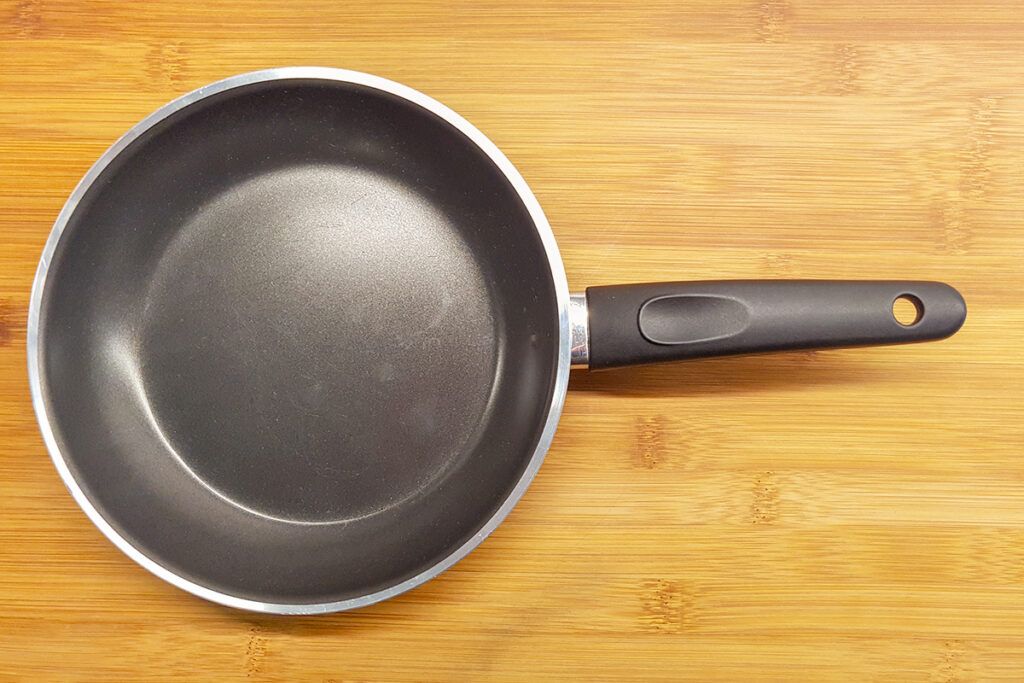
The chemical name of Teflon is polytetrafluoroethylene (PTFE). This incredibly versatile material is inert — meaning it doesn’t chemically react with other substances around it — and it’s highly resistant to breaking down from wear or corrosion.
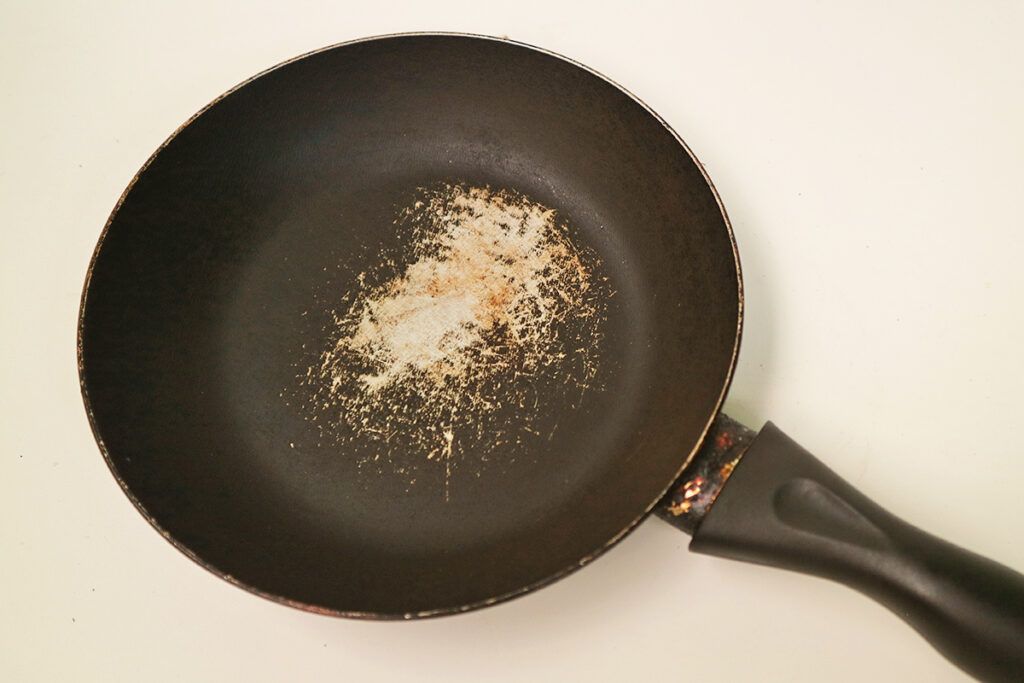
When used according to the manufacturer’s directions, nonstick PTFE-coated pots and pans are nontoxic and will not leach chemicals into food. Even if the nonstick coating gets scratched from a utensil and you happen to ingest small pieces of PTFE, they will pass through your system without being metabolized. (To avoid the possibility of ingesting the plastic, replace scratched cookware promptly.)
That said, using PTFE-coated cookware incorrectly isn’t a good idea. Overheating empty pots and pans to PTFE’s melting point of 327 degrees Celsius (620.6 degrees Fahrenheit) can release fumes that cause “polymer-fume fever,” which can bring on temporary symptoms including fever, sore throat, chills, and headache. People with lung conditions may experience more serious symptoms. Because of this, manufacturers’ recommended maximum temperature for Teflon-coated pans is usually 260 degrees Celsius (500 degrees Fahrenheit). Fortunately, most types of cooking don’t require that level of heat.

Reader Favorites



The Problems With PFAS
Some of the concern with the safety of PTFE-coated pans stems from their relationship to PFAS (per- and polyfluoroalkyl substances), the “forever chemicals” known to pollute and persist in the environment. The extremely widespread use of PFAS in manufacturing means nearly all people on Earth have some PFAS in their blood from exposure to polluted water, soil, or air.
PTFE is considered a PFAS, though one that is less harmful to the environment than others because it doesn’t break down chemically. Instead, it disintegrates into microplastics over decades or centuries in landfills.
The manufacturing process for PTFE-coated cookware used to include a type of PFAS called perfluorooctanoic acid, or PFOA, which would end up in the finished products. PFOA exposure is associated with higher cholesterol levels, weaker immune system response to some vaccines, pregnancy-induced high blood pressure, and kidney and testicular cancer. Studies on animals exposed to high doses of PFOA have shown additional harms, but it’s not clear if these effects translate to humans.
Because of these risks, manufacturers began phasing out production and general use of PFOA in the early 2000s and stopped using it at the end of 2015. Nonstick cookware sold after that year should be free of the substance, though Consumer Reports tested three “nontoxic” pans in 2022 and found one PTFE-coated pan had measurable traces of PFOA and other PFAS due to how the pan was manufactured. The other two pans were ceramic-coated and did not contain any of the 96 PFAS in the test.
Most nonstick pans last between two and five years, so if you have any you think could date back to 2015, toss them. And to be sure your cookware contains no PFAS, uncoated pans may be your best bet. Carbon steel and cast-iron pans won’t have the ultra-slippery coating right out of the box, but seasoning them will eventually build up a suitably nonstick surface.
Featured Image Credit: © Amina Filkins/Pexels.com
More From Our Network
Better Report is part of Inbox Studio, an email-first media company. *Indicates a third-party property.






Kat Long is a freelance science journalist in the Washington, D.C. area. Previously, she was the science editor at Mental Floss and a digital editor at National Geographic. She now writes the Arctic Archives newsletter on Substack. Kat spends her free time birdwatching, road-tripping to historical sites and perusing old manuscripts at libraries.
This article is for general informational purposes only.
Affiliate Disclaimer Medical Disclaimer Financial Disclaimer