The Healthiest Oil To Cook With

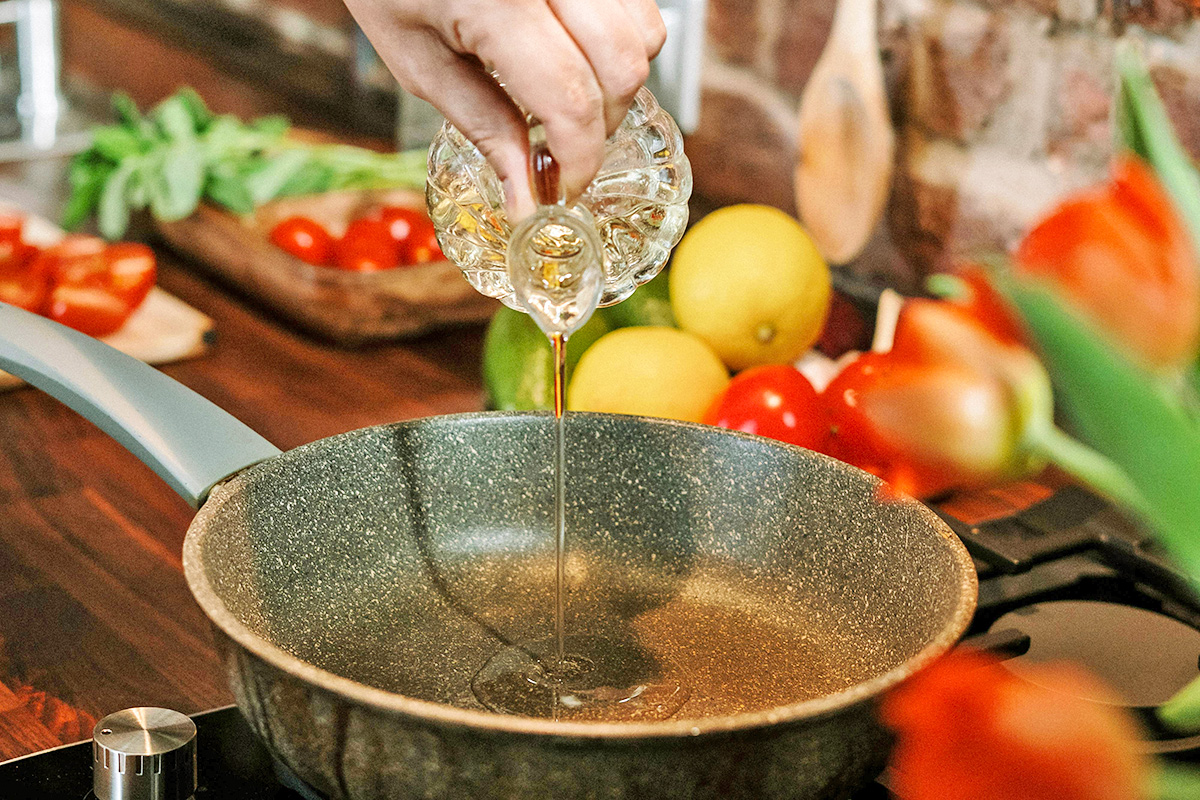
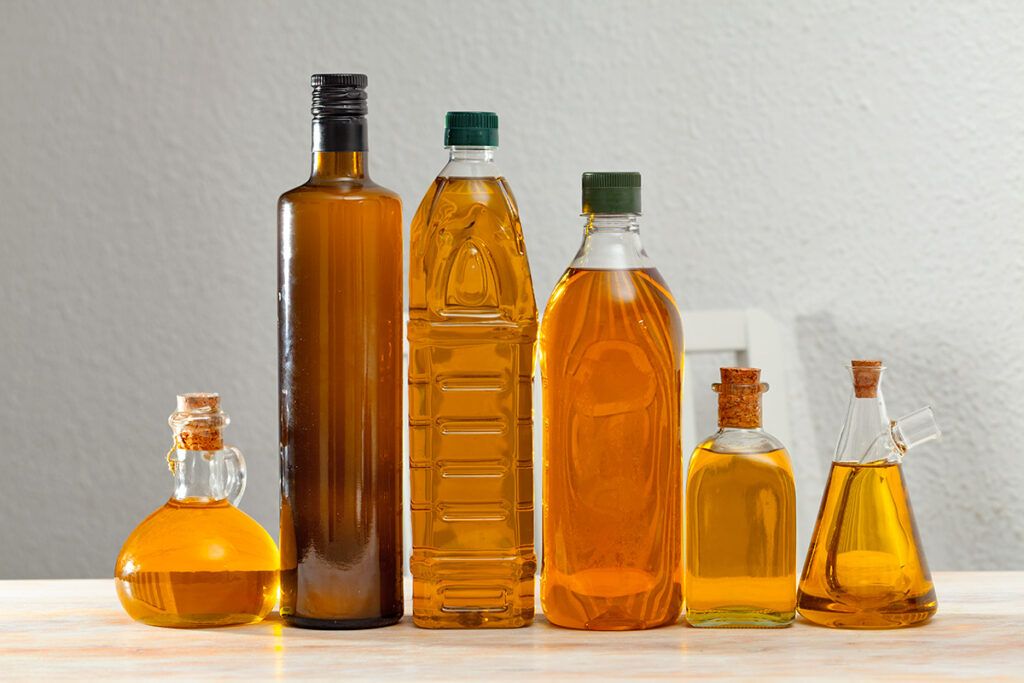
Visit the baking aisle of any grocery store and you’re likely to notice shelves upon shelves of different types of oils, from olive to coconut and beyond. It’s enough to give a shopper decision fatigue: Are all oils created equal? Which is the healthiest one to cook with? How do you know which one to choose?
Here’s how to separate the healthy oils from the not-so-healthy ones, and what you should consider before you get cooking.
“Good” and “Bad” Fats
There are almost as many misconceptions about oil as there are varieties. “People often regard [oil] as ‘fattening’ or unhealthy,” says Lisa Moskovitz, R.D., founder of The NY Nutrition Group and author of The Core 3 Healthy Eating Plan. But that’s not necessarily the case: “The type of fat and how it’s used determines how healthy an oil is,” she says.
According to the American Heart Association (AHA), a good rule of thumb when looking for a heart-healthy oil is to reach for nontropical vegetable oils, which have fewer saturated and trans fats and more “good” monounsaturated and polyunsaturated fats. Canola, corn, olive, peanut, soybean, sunflower, and vegetable oil all fit the bill.

Reader Favorites



Solid fats like butter and lard, as well as tropical oils such as coconut and palm, all have more saturated fats, so you may want to avoid them. Moskovitz says your health history should be a factor in that decision.
The AHA recommends choosing oils with less than 4 grams of saturated fat per tablespoon, and making sure the oil doesn’t contain partially hydrogenated oils or trans fats.
The Healthiest Oil To Cook With
In some cases, which oil you choose to cook with will depend on its flavor: You may opt for a neutral-flavored oil like canola, for example, if you’d prefer to let the flavors of the other ingredients in your dish shine.
Generally speaking, however, olive oil is the healthiest oil to cook with — but not necessarily in every single situation. “It’s important to understand that not all oils are equal when it comes to cooking,” Moskovitz says. “Paying attention to the smoke point is crucial to prevent creating a lot of harmful smoke during cooking. You want to find oils that have a higher smoke point if you plan to cook with it at higher temperatures or for longer periods of time.”
The smoke point of olive oil depends on its quality, grade (such as extra-virgin and virgin), and how fresh it is. It typically falls between 350 and 410 degrees Fahrenheit for extra-virgin olive oil but may go as high as 470 degrees Fahrenheit for more refined olive oil.
There’s a common idea that olive oil degrades when used at higher heats, though a review of the scientific literature by Serious Eats editorial director Daniel Gritzer suggests that there’s a lot of conflicting information on that point. One study analyzing four types of oil, including extra-virgin olive oil, found that the release of toxic volatile chemicals increased significantly when an oil was past its smoke point. That said, “of all the studies I found that specifically compared the heating of olive oil to other oils, the overall message was that olive oil performs decently well under high-heat conditions,” Gritzer wrote.
Still, no one likes a smoky kitchen, and if you’d rather err on the safe side, you may want to use a different oil if you need to cook at high temperatures or for long periods of time. “My second favorite is avocado oil,” Moskovitz says. “Not only is it rich in antioxidant and anti-inflammatory properties, but it can survive higher temperatures.” Its smoke point is between 480 and 520 degrees Fahrenheit. Moskovitz also likes algae oil, which has a smoke point of 535 degrees Fahrenheit, for high-heat cooking like frying.
Oils You Shouldn’t Use for Cooking
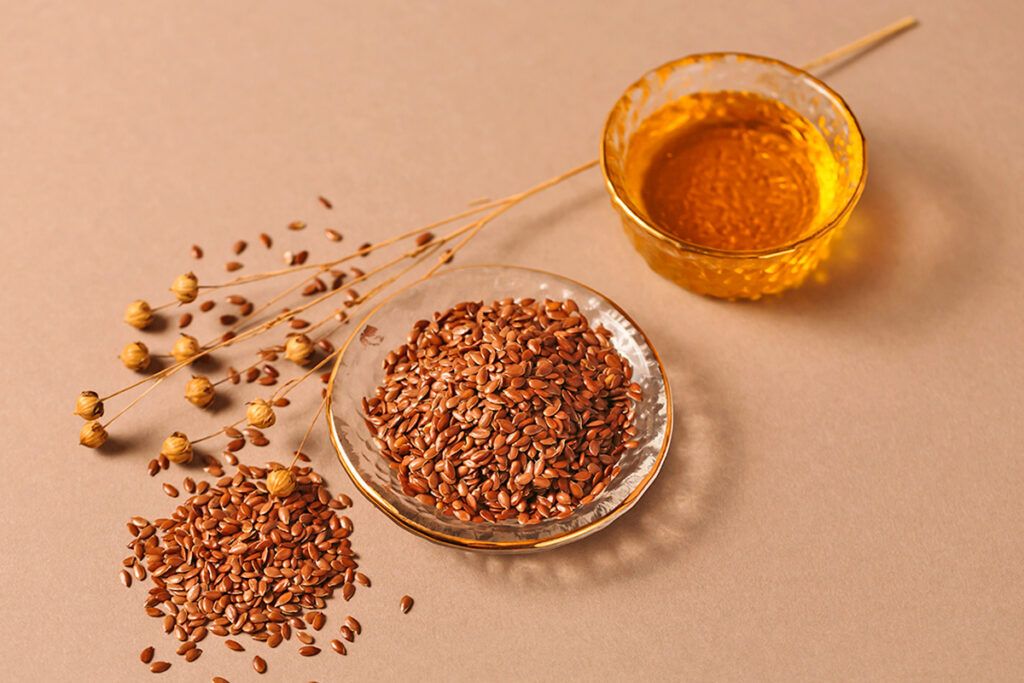
Not all oils are appropriate for cooking. “Certain oils like flaxseed oil are not meant to be used in cooking at all,” Moskovitz says. It has a smoke point of around 225 degrees Fahrenheit, and may lose its flavor and become bitter with cooking. Instead, “use it solely as a dressing or topping.” This is also a good guideline to follow for a number of nut oils, as they have similarly low smoke points and may lose flavor when cooked.
Featured Image Credit: © cottonbro studio/Pexels.com
More From Our Network
Better Report is part of Inbox Studio, an email-first media company. *Indicates a third-party property.







Erin is a writer, editor, and content strategist living in the New York City area. Previously, she was the VP/Editor-in-Chief of MentalFloss.com and an editor at Popular Mechanics magazine. When she’s not working, Erin is hanging out with her cats, reading books from her never-ending TBR, traveling, karaoking, and making sourdough with her starter Stephen Sondheim.
This article is for general informational purposes only.
Affiliate Disclaimer Medical Disclaimer Financial Disclaimer