You Can Reverse a Cavity


All featured products and deals are selected independently and objectively by the author. Better Report may receive a share of sales via affiliate links in content.
It’s possible for cavities to form in anyone’s mouth, whether they practice proper dental hygiene or could stand to brush more regularly. Once one appears, you may assume there’s nothing you can do to prevent a trip to the dentist to drill it out. But some cavities are reversible — you just need to act quickly. Here’s what you should do to stop a cavity from getting worse and reverse its progress altogether.
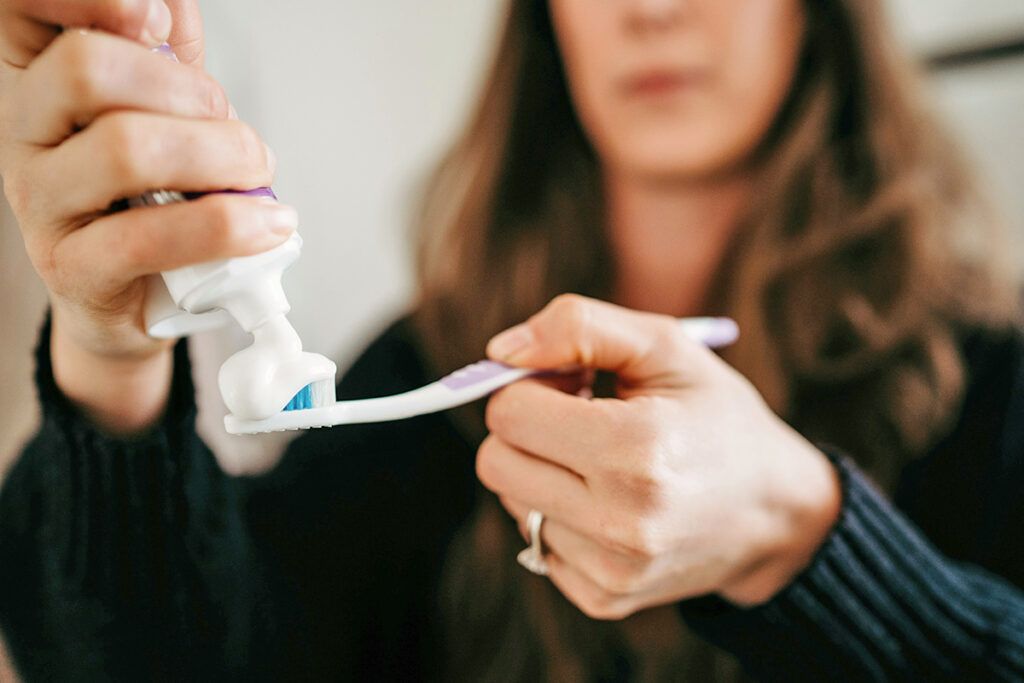
The Main Way To Reverse Tooth Decay
Cavities are holes that form when acids wear down the tooth’s hard outer layer of enamel. If you notice the symptoms of a cavity (including white spots on your teeth, sensitivity, and pain), it’s possible to reverse it so long as the cavity is in its early stages and hasn’t yet spread to the dentin (the tissue beneath the enamel). While there’s no guarantee that you can stop the spread, it’s worth trying — otherwise, you’ll have no choice but to visit the dentist for a drilling and a filling.

Reader Favorites



The best way to improve the odds of reversing a cavity is through fluoride treatments. Fluoride encourages a process called remineralization, in which further mineral loss is prevented and lost minerals are replenished. There are a number of over-the-counter options available online or at your local drugstore, including using fluoride toothpaste, floss, and mouthwash; applying a topical fluoride gel to the affected area; or using chewable fluoride toothpaste tablets. If your community’s water is fluoridated, that will help as well.
If you’re prone to getting or are at high risk for cavities, you may want to contact your dentist for prescription fluoride toothpaste or mouthwash. They contain far more fluoride than what’s available over the counter and are effective in reversing cavities. For instance, Colgate sells a prescription toothpaste containing sodium fluoride that offers 4.5 times the amount of fluoride compared to over-the-counter alternatives.
For the best results, brush your teeth with fluoride toothpaste twice daily and rinse with fluoride mouthwash once per day. If you’re skeptical, just look at the stats. According to the Cleveland Clinic, regular fluoride use reduces the risk of cavities by around 25%. The American Dental Association notes that communities with water fluoridation experience a 25% reduction in cavities on average compared to areas without fluoridated water. (Fluoride has become controversial in recent years, but according to a 2026 study that measured exposure in community water from childhood until the age of 80, there’s no association between fluoride in water and lower IQ scores.)

Other Helpful Tips
While fluoride is the most effective method in potentially reversing tooth decay, it’s also worth making adjustments in other areas. For instance, there are certain foods and drinks that cause cavities and can make them worse. Eliminate sugary drinks, candies, cookies, and coffee, and cut back on snacks in general. This lowers the amount of acids swirling around in the mouth, which allows time for the enamel to repair itself.
Also, consider chewing sugar-free gum. According to the American Dental Association, this increases the flow of saliva, which contains minerals that promote healthy enamel, thus lessening your risk of developing cavities.
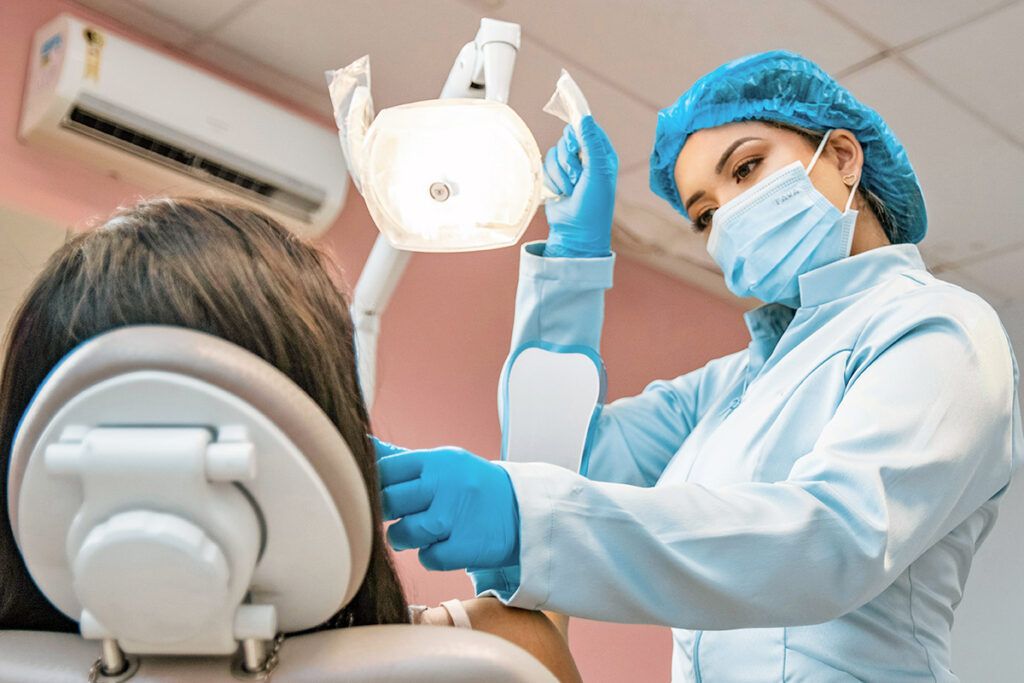
What’s the Timeline?
Depending on the severity of the cavity, remineralization can take weeks to months. For instance, a surface-level cavity may respond to care within a few weeks, while something deeper might take months to heal. Each case is different, though if you’re seeking a more definitive timeline, your dentist may be able to examine you and offer a clearer picture. If the cavity has breached the enamel and made it to the dentin, however, there’s no going back — you’ll need to have it filled.
You should continue to practice these habits even if you notice improvements within a week or two and once the cavity disappears. Using fluoride doesn’t merely reverse extant cavities — it helps prevent new ones from forming down the line.
Featured Image Credit: © Nico De Pasquale Photography—Moment/Getty Images
More From Our Network
Better Report is part of Inbox Studio, an email-first media company. *Indicates a third-party property.







Bennett Kleinman is a New York City-based staff writer for Inbox Studio. He is also a freelance comedy writer, devoted New York Yankees and New Jersey Devils fan, and thinks plain seltzer is the best drink ever invented.
This article is for general informational purposes only.
Affiliate Disclaimer Medical Disclaimer Financial Disclaimer