Are You Eating Your Food in the Wrong Order?
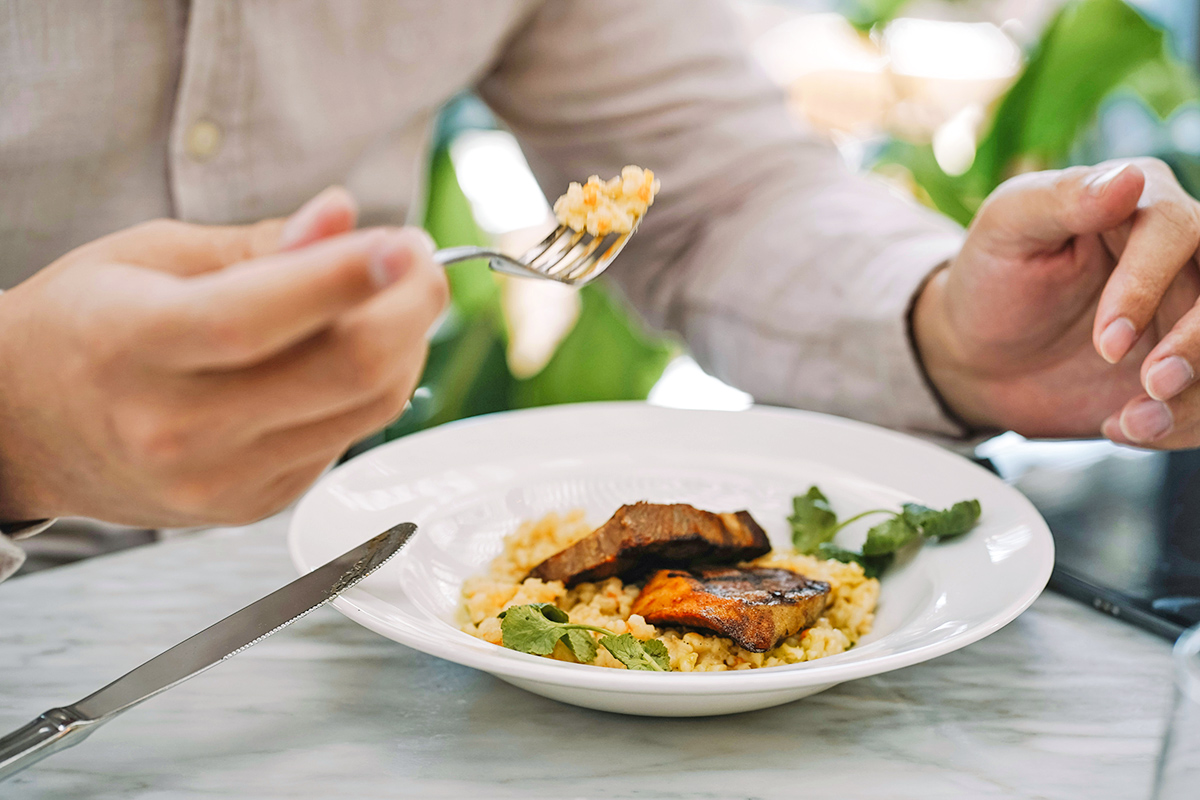
Sometimes, it isn’t just about what you eat, but how you eat it. When looking at a full plate of food, you might instinctively start with your favorite item first — but there could be a better way. “Meal sequencing” (also called “food sequencing”) suggests that, to feel your best, there’s a specific order to follow while clearing your plate. While this approach is particularly helpful for those with diabetes or prediabetes, anyone can benefit from this simple practice. Here’s what you need to know.

What the Research Says
Research suggests that eating non-starchy foods — fiber, protein, and healthy fats — before carbohydrates may reduce short-term glucose spikes by slowing digestion. This results in a more gradual rise in insulin and blood glucose levels, giving you more energy throughout the day while avoiding post-mealtime slumps. This approach may also improve long-term health as large, repeated swings in blood sugar are linked to an increased risk of developing insulin resistance, which can lead to high blood sugar levels, prediabetes, and even Type 2 diabetes.
Clinical studies worldwide have shown promising results. In Japan, one study asked participants to eat the same meal — protein, vegetables, and white rice — on three separate occasions, each time in a different order. Insulin and blood glucose levels were recorded after each meal. The findings revealed that when participants began their meal with a simple carbohydrate (white rice), their post-meal insulin and blood glucose levels were highest.
While meal sequencing is a useful tool, it doesn’t replace overall healthy eating habits, such as maintaining a balanced diet, practicing portion control, choosing whole foods, and limiting processed foods. Instead, it works alongside these habits to support blood sugar levels, helping you feel good throughout the day. Here’s how to incorporate meal sequencing into your routine.

Reader Favorites



Meal Sequencing, Step by Step
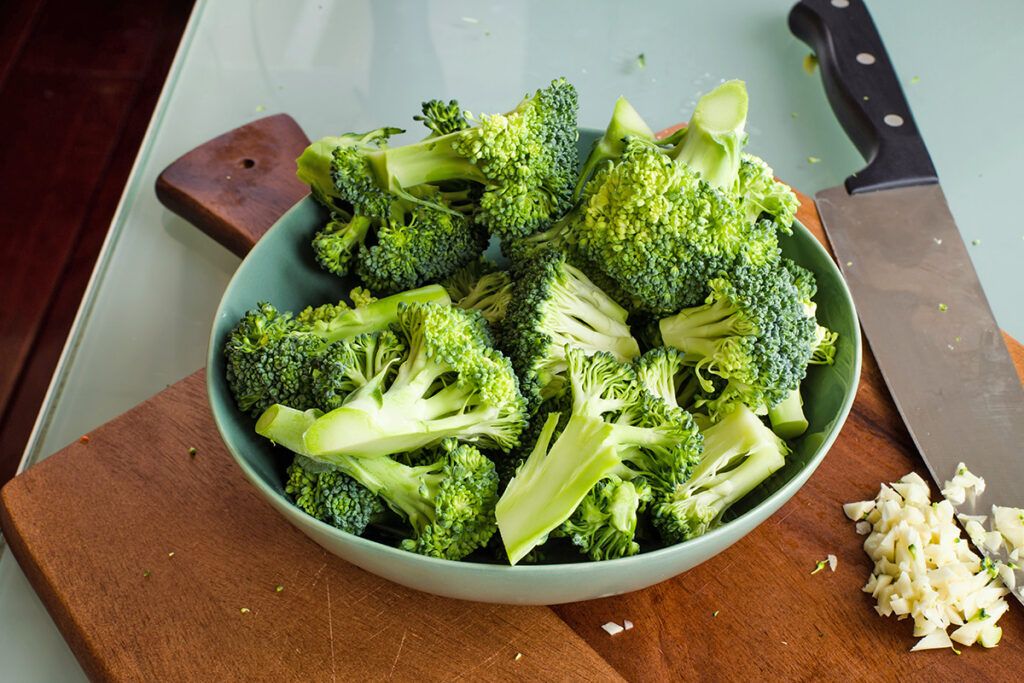
Step 1: Fiber
Begin your meal with fiber-rich foods, which help slow digestion. This supports steadier glucose absorption, leading to a more gradual release of energy into the bloodstream (rather than a single large wave). Keep in mind that some high-fiber foods — such as beans, lentils, grains, and vegetables like corn and potatoes — are also higher in carbohydrates, so you should save them for later in the meal. Instead, start with salads and non-starchy vegetables, including broccoli, tomatoes, mushrooms, onions, cucumbers, and zucchini. For breakfast, choose lower-sugar fruits that are high in fiber, such as avocados, raspberries, strawberries, and blackberries.
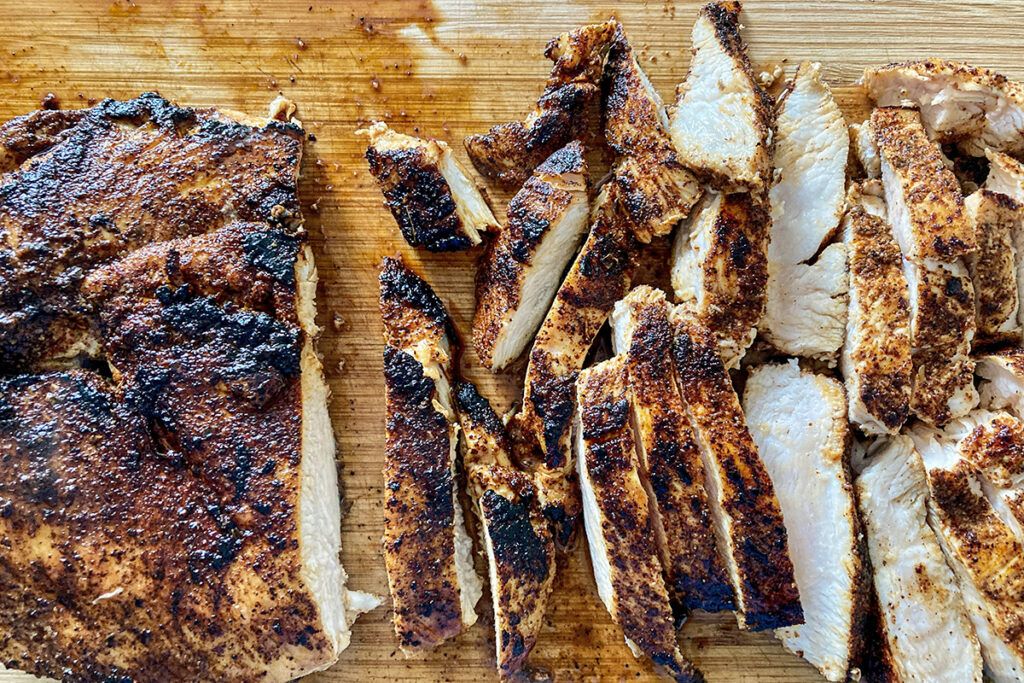
Step 2: Protein
The second item to reach for on your plate is protein. It increases satiety, helping you feel full longer, and improves blood glucose levels by slowing digestion, similar to high-fiber foods. Lean proteins are ideal for supporting blood sugar. They include poultry, such as chicken and turkey, as well as lean cuts of beef and pork. White fish such as cod, haddock, grouper, halibut, tilapia, and bass, as well as shrimp, are also good options.
Low-carb plant-based choices include tempeh, tofu, and edamame, which are all soybean-based. Some popular plant-based proteins, such as beans and lentils, are high in complex carbohydrates, which digest more slowly than simple carbohydrates, preventing sharp blood sugar spikes. In moderation, they can be a good choice for plant-based protein, but low-carb options are better. For breakfast, egg whites, plain Greek yogurt, low-fat cottage cheese, powdered peanut butter, and low-fat milk can work well.
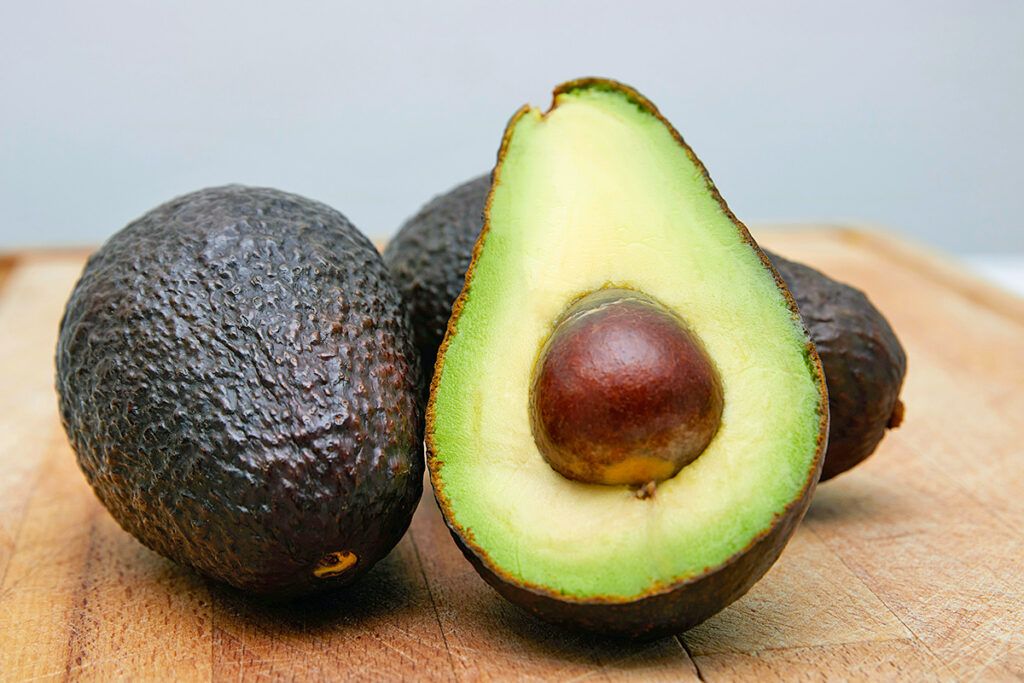
Step 3: Healthy Fats
Healthy unsaturated fats are key to a well-balanced diet and should be incorporated after fiber and protein. They help the body absorb vitamins, increase satiety, boost metabolism, and support blood sugar regulation. Foods with healthy fats you can incorporate include avocados, nuts, and seeds (along with their butters and oils). Some protein sources, such as poultry and fish, also provide healthy fats.
When cooking, consider using oils rich in monounsaturated fats — such as olive, canola, peanut, or sesame oil — in place of butter, shortening, or coconut oil, which are higher in saturated fat. Remember to avoid trans fats, which are found in fried foods, fast foods, and processed snacks.
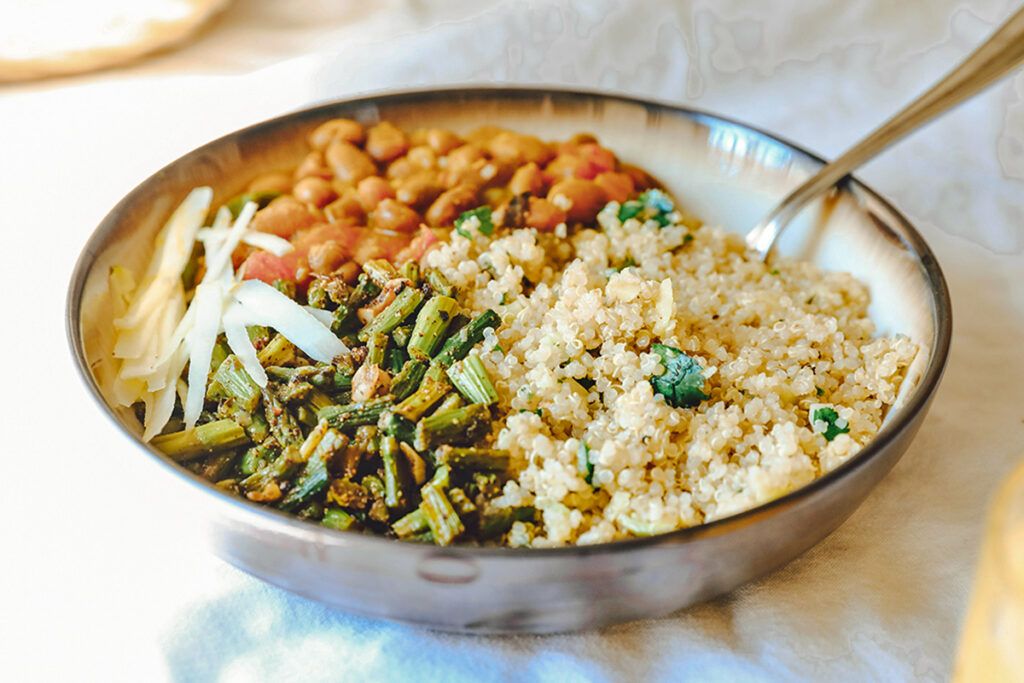
Step 4: Carbohydrates
Finally, it’s time to enjoy some carbohydrates. Eating these foods on a partially full stomach will make your body process them more gradually. For better nutritional value, focus on healthy (complex) carbs, such as whole-grain pastas and breads, quinoa, brown rice, starchy vegetables (potatoes, corn, squash, etc.), and starchy beans (black beans, lima beans, chickpeas, split peas, and lentils).
It’s still best to limit refined, processed carbs such as white flour, added sugars, and sugary drinks, as these foods can cause blood sugar spikes, even if meal sequencing helps reduce their impact.
Featured Image Credit: © Lala Azizli/Unsplash.com
More From Our Network
Better Report is part of Inbox Studio, an email-first media company. *Indicates a third-party property.