Beware of This Social Security Scam

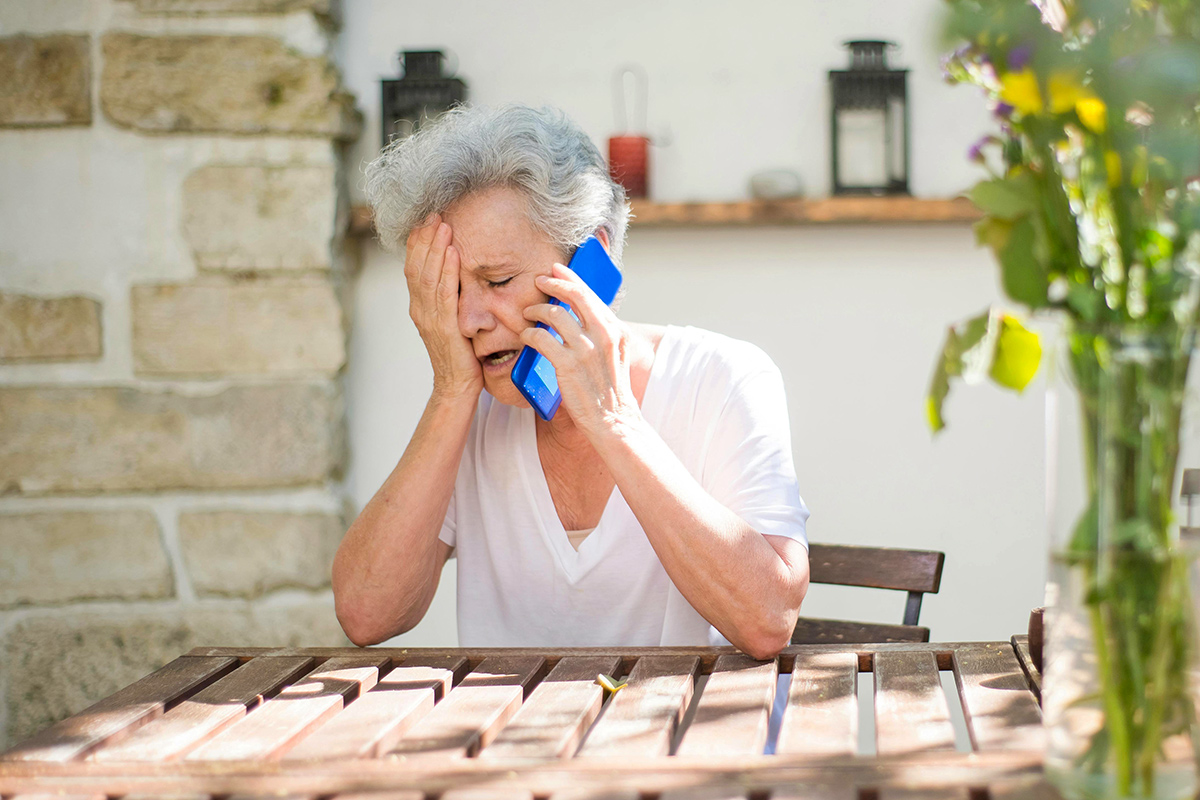
Answering the phone used to feel like a welcome interruption. Now, it can be a risky prospect.
The Social Security Administration (SSA) is warning about a sharp spike in impersonation scams targeting retirees and other beneficiaries, with fraudsters posing as government employees to obtain sensitive information or money. These schemes are increasingly common: Government impersonation scams are now among the most reported types of fraud in the U.S., and complaints surged sharply in 2025, with the Federal Trade Commission logging more than 330,000 incidents — a 25% increase from the previous year.
The scammers’ tactics are simple but effective: They create panic, apply pressure on victims to act immediately, and insist on secrecy, all to keep people from verifying their claims.
“Scammers who impersonate the Social Security Administration prey on fear and a false sense of urgency to steal from hardworking Americans, causing real financial harm to individuals and families,” Michelle L. Anderson, assistant inspector general for audit, said in a recent statement.
Here’s how the scam works — and how to protect yourself from falling for it.
How Social Security Impostor Scams Work
A typical impostor scam usually begins with an unexpected phone call, text, or email from a person claiming to represent the SSA. The message is designed to sound urgent and alarming, often warning you that your Social Security number (SSN) will be suspended or your benefits are at risk. In many cases, the perpetrators even spoof official-looking phone numbers or use the name of a real employee (sometimes even going so far as to create a fake badge or credentials to attach to emails) to make the contact appear more legitimate.

Reader Favorites



Once the fraudster has gained your attention, they immediately escalate the pressure. They insist that you must act immediately to avoid serious consequences, which can range from loss of benefits to potential legal action or arrest. The goal is to create a sense of panic and discourage verification of the information being provided.
At this point, scammers typically request sensitive personal information, such as your SSN or banking details. They may also push for immediate payment through untraceable methods like gift cards, payment apps, or cryptocurrency.
This is where the red flags should be impossible to ignore, as no government agency operates this way. But the speed and intimidation of the interaction are often enough to catch people off guard.
How To Avoid Falling for Social Security Impostor Scams
The best way to avoid impersonation scams is to remain clear-headed and not let panic take over. If you receive a call, text, email, social media message, or even a written letter claiming to be from the SSA, don’t respond with personal information — no matter how official it seems.
The safest move is to independently verify the claim. Hang up and contact the SSA directly using the official phone number listed on SSA.gov — not a number provided in the message you received. Never use links in unsolicited emails or texts, since those often lead to fake websites designed to steal your information. Don’t download any attachments, either. Most importantly, remember that the SSA will never ask for sensitive details like your SSN, bank account information, or onetime verification codes over an unsolicited call or message.
It also helps to be cautious about the information you share publicly. Scammers often gather personal details from social media profiles to make their stories more convincing. Limiting what you post, like your full birth date or address, can reduce your exposure. If something feels off, trust your gut: Taking a moment to pause and verify is often what can save you from becoming a victim.

How To Report a Suspected Social Security Impostor Scams
If you believe you’ve been the victim of an SSA scam, report it online using the SSA Scam Reporting Form or contact the SSA’s Office of the Inspector General hotline at 1-800-269-0271.
Featured Image Credit: © Kampus Production/Pexels.com
More From Our Network
Better Report is part of Inbox Studio, an email-first media company. *Indicates a third-party property.







Jennifer M. Wood has been writing about news, entertainment, culture, and travel for longer than she cares to admit. She lives just outside Philadelphia with her husband and an ever-growing menagerie of rescue pets.
This article is for general informational purposes only.
Affiliate Disclaimer Medical Disclaimer Financial Disclaimer