Why You Should Be Eating Banana Peels

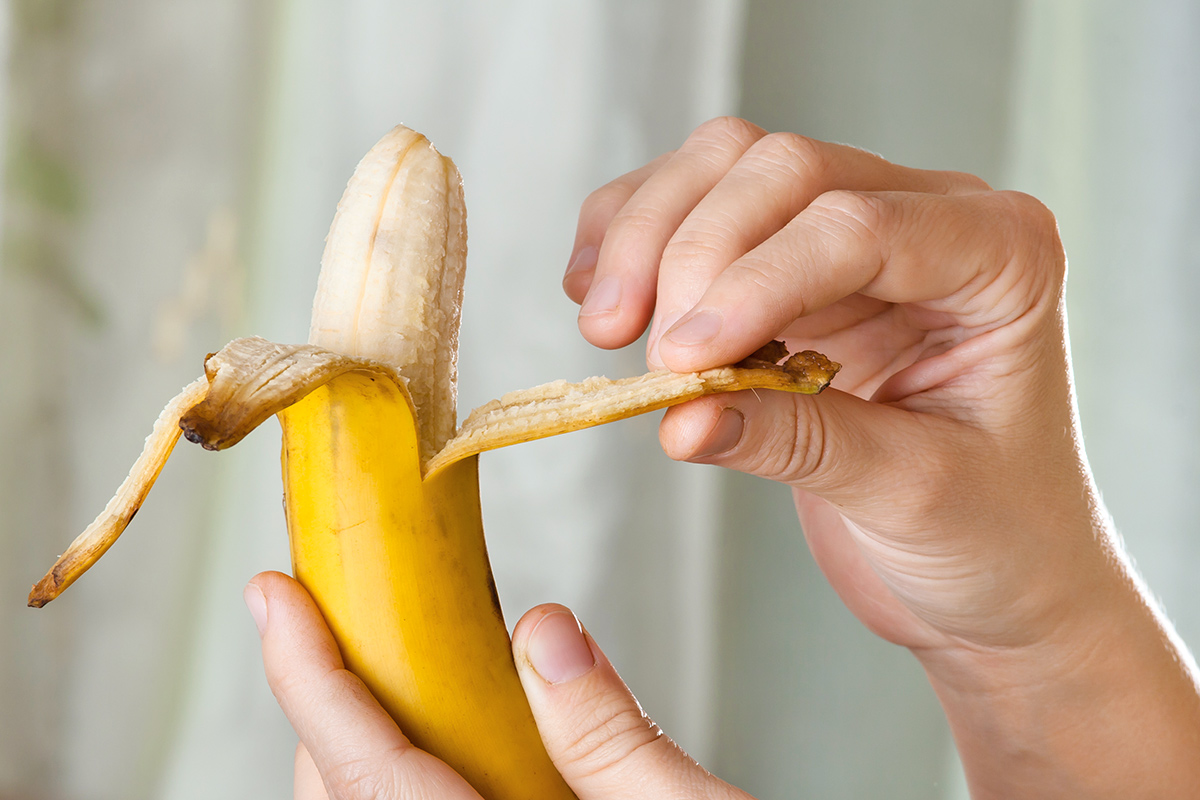
When you eat a banana, chances are you’re consuming the fruit inside and tossing the peel directly in the trash or compost bin. But that may be a waste. Not only are banana peels edible — you can find them in dishes from India, Venezuela, and other countries and cultures — but they’re also full of nutrients. So, if you want to do more with the peel than throw it in the garbage, cause a classic slip-and-fall gag, or rub it on your face as part of the latest skin care trend, here’s what you need to know.
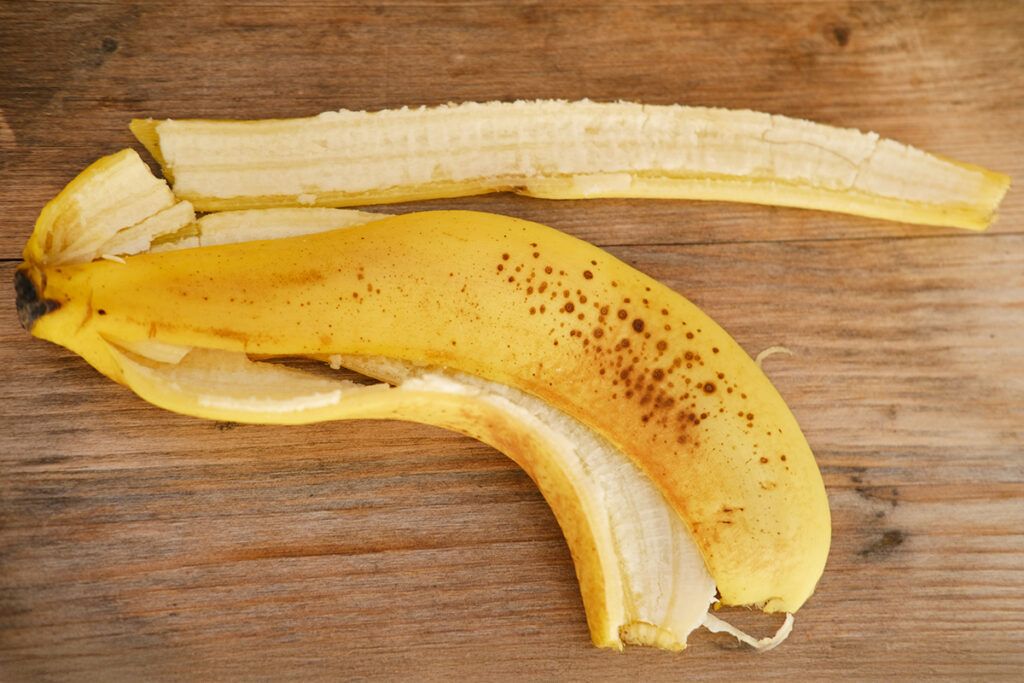
The Benefits of Eating Banana Peels
We’ve all heard that bananas contain lots of potassium and fiber, but the peel is packed with an abundance of nutrients, too.
The peel is rich in both soluble and insoluble fiber, which can support your digestive system and help with constipation or diarrhea. Soluble fiber can slow digestion (which can make you feel full for longer), and insoluble fiber adds more bulk to your stool.
And like the banana itself, the peel contains potassium, a mineral that can minimize the impact of salt, lower blood pressure, improve heart health, balance fluid levels, and support muscle contraction. You can get nearly 40% of your daily potassium from a single banana peel. You’ll also benefit from the other minerals found in the peel, including phosphorus, iron, calcium, and magnesium.
Peels are loaded with antioxidants, too, such as polyphenols and carotenoids, some of which can help reduce your risk of diseases including cancer and Type 2 diabetes. Specific carotenoids are beneficial for vision; you’ll find these benefits especially in unripe green peels. Finally, banana peels are packed with tryptophan and vitamin B6. When tryptophan breaks down, it turns into serotonin, which can give you a mood boost that can help with depression. And vitamin B6 can improve your sleep.
How To Prepare and Eat a Banana Peel
Despite the peel’s nutritional benefits, you need to do some preparation to make it safe to eat. The peel protects the most commonly eaten portion of the banana from pesticides, soil, and handling. Make sure you wash the peel thoroughly before eating, just like you should for any vegetable or fruit with an edible skin.

Reader Favorites



And yes, you can actually eat the raw peel. But if that idea doesn’t sound appealing,there are a few simple cooking methods you can try so you’re minimizing food waste, maximizing your budget, and taking full advantage of the nutrients bananas have to offer.
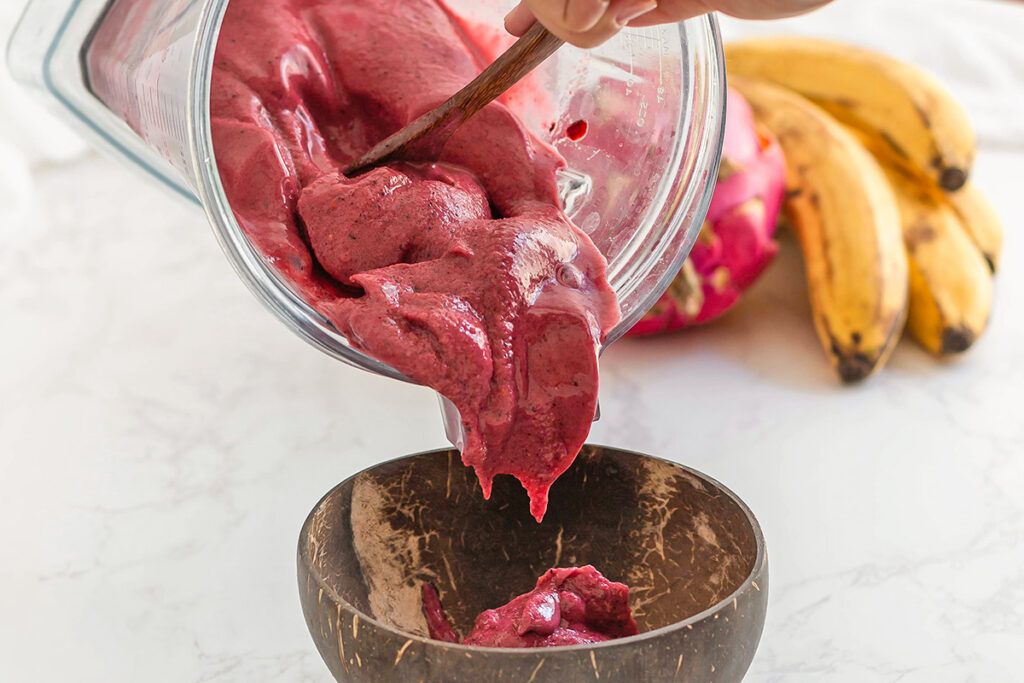
You can make bacon-like strips from banana peels with this recipe by It Doesn’t Taste Like Chicken. It’s ideal if you want to try a healthier alternative to real bacon. If you want to incorporate the nutritional benefits of a peel very easily, put the peel in a blender with the banana and add it to an existing smoothie, bread, or muffin recipe. Finally, the Sleep Foundation has a recipe for banana tea that can potentially help you sleep, likely due to the magnesium, tryptophan, and other nutrients found in the fruit that are known to help people catch z’s.
Featured Image Credit: © PavelRodimov—iStock/Getty Images
More From Our Network
Better Report is part of Inbox Studio, an email-first media company. *Indicates a third-party property.







Based in Portland, Oregon, Nicole Pyles is an experienced freelance writer who writes about home and kitchen, health and wellness, and more. She's written for a variety of outlets, including Better Homes and Gardens, Tom's Guide, Better Report, and more.
This article is for general informational purposes only.
Affiliate Disclaimer Medical Disclaimer Financial Disclaimer