Why You Shouldn’t Use Rubbing Alcohol on Open Wounds

All featured products and deals are selected independently and objectively by the author. Better Report may receive a share of sales via affiliate links in content.
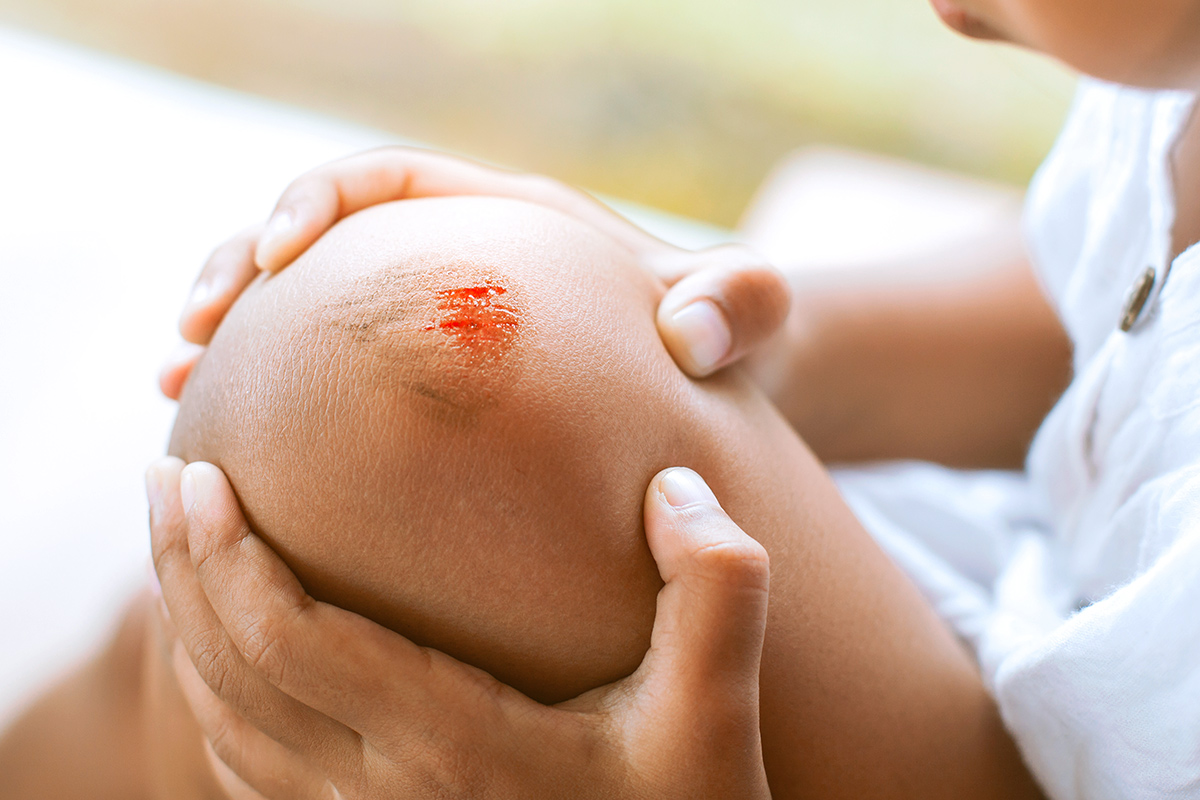
When you were a kid and scraped your knee, the first thing your parents may have done was apply rubbing alcohol to disinfect the wound. But while this home remedy has existed for decades, it may not be as beneficial as once thought. Many medical experts say that putting rubbing alcohol on open wounds is actually a bad idea. Here’s a look at why, and what you should do instead.
There’s the Rub
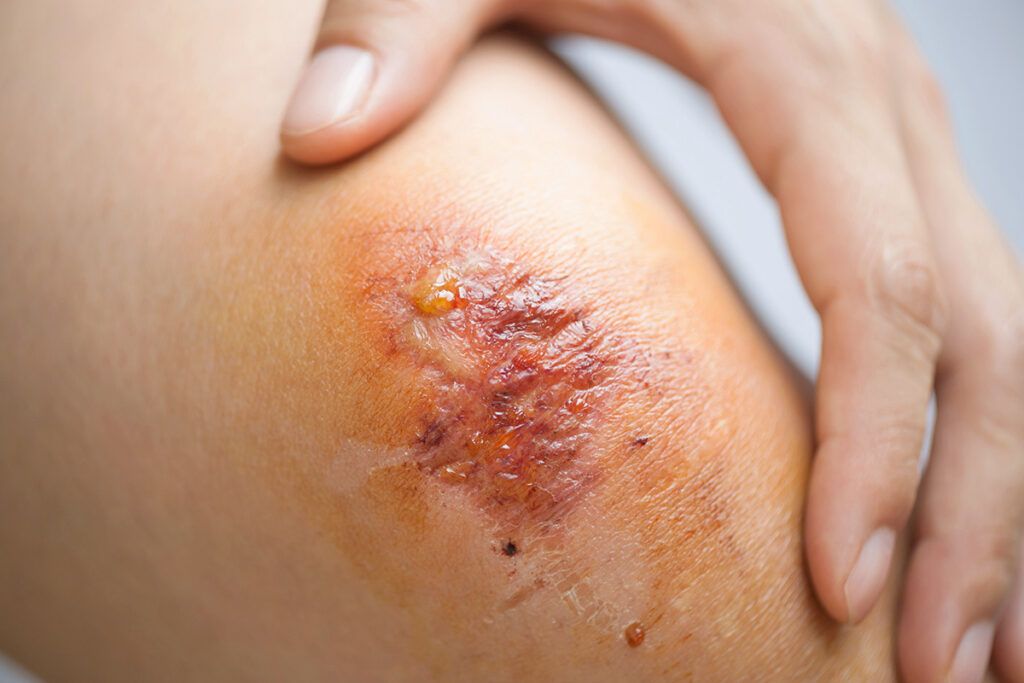
According to WebMD, applying rubbing alcohol (or hydrogen peroxide, for that matter) to an open wound is highly inadvisable. While the substances do kill off bacteria, they also harm the exposed tissue and kill healthy cells that would otherwise play a key role in the healing process. This delays healing and may even result in more scarring. That’s why you should use alternative methods that eliminate bacteria from the wound without causing any additional damage.
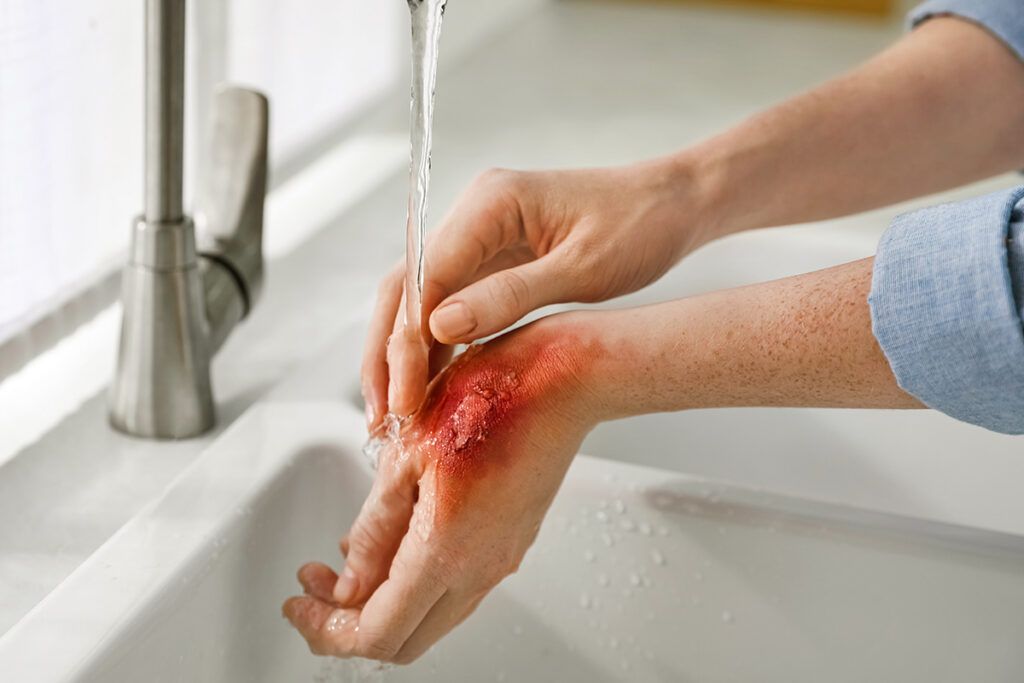
Dr. Nicholas Kman of the Ohio State Wexner Medical Center advises that anyone with a cut, scrape, or minor open wound should clean it using warm, running tap water and soap. The way you choose to do this is your call — you can step into the shower if the cut is on the leg, for example, or run it under the sink if it’s on your forearm. Just be sure to use a mild soap, which will remove bacteria without damaging healthy cells. WebMD recommends rinsing the cut for at least five minutes to adequately flush out any debris or bacteria.
Keep in mind that this advice applies only to smaller cuts that have stopped bleeding. If you’re dealing with a larger, deeper wound that’s gushing blood, then you should consult a medical professional for immediate treatment.
Additional Tips for Treating Wounds
Avoiding the use of rubbing alcohol or hydrogen peroxide is just one thing to keep in mind when it comes to proper wound care. According to the Mayo Clinic, you should always wash your hands before touching a wound — this helps prevent infection. Next, use a clean bandage or cloth to press on the wound until bleeding stops. Then, clean the wound with warm running water and soap, as described above. Don’t scrub.

Reader Favorites


After thoroughly rinsing the wound, apply an antibiotic ointment or petroleum jelly to the affected area. This keeps the wound moist (which is essential for healing) and helps prevent scarring as well.
If you’re dealing with a minor cut or scrape, there’s no need to cover it up. But a larger wound should be covered with a clean bandage or gauze to protect it from coming into contact with additional dirt or bacteria. Be sure to replace the bandage once per day (or if the bandage ever gets dirty or wet) until the wound fully heals.
Featured Image Credit: © pingpao/stock.adobe.com
More From Our Network
Better Report is part of Inbox Studio, an email-first media company. *Indicates a third-party property.







Bennett Kleinman is a New York City-based staff writer for Inbox Studio. He is also a freelance comedy writer, devoted New York Yankees and New Jersey Devils fan, and thinks plain seltzer is the best drink ever invented.
This article is for general informational purposes only.
Affiliate Disclaimer Medical Disclaimer Financial Disclaimer