5 Scary Parasites You Can Get From Your Food (And How To Avoid Them)

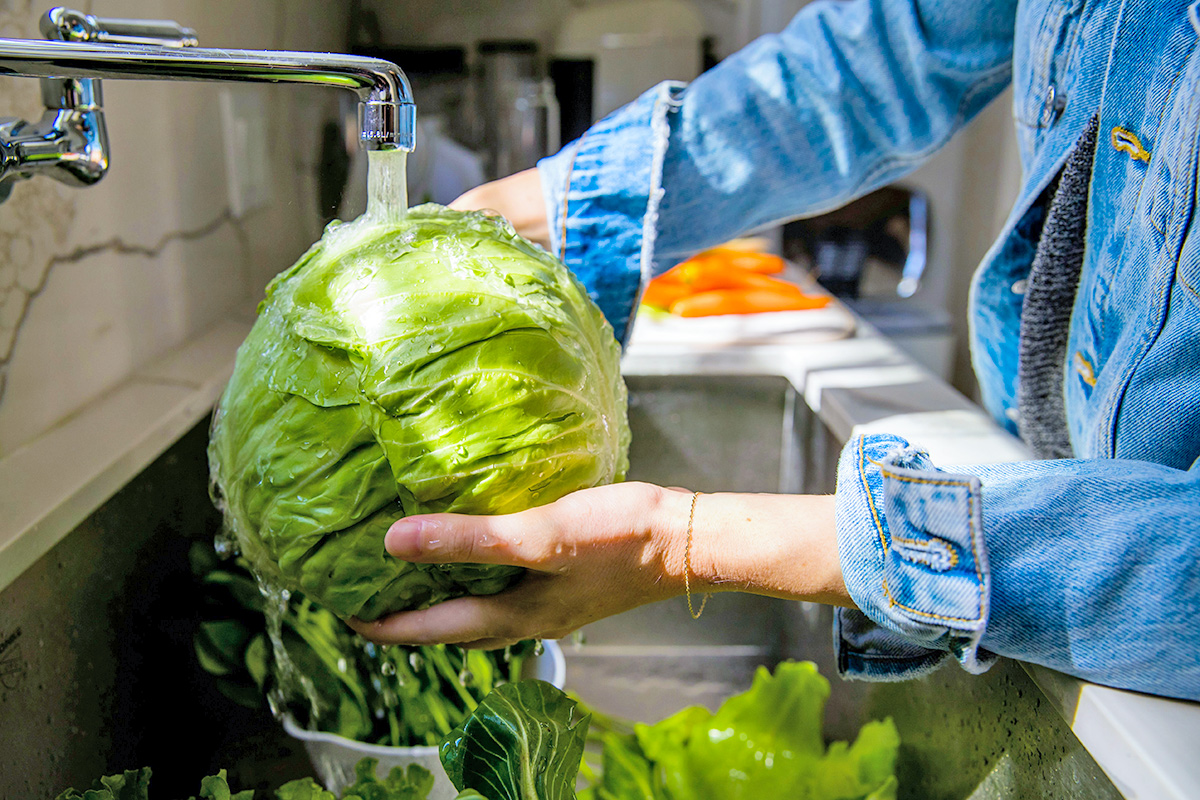
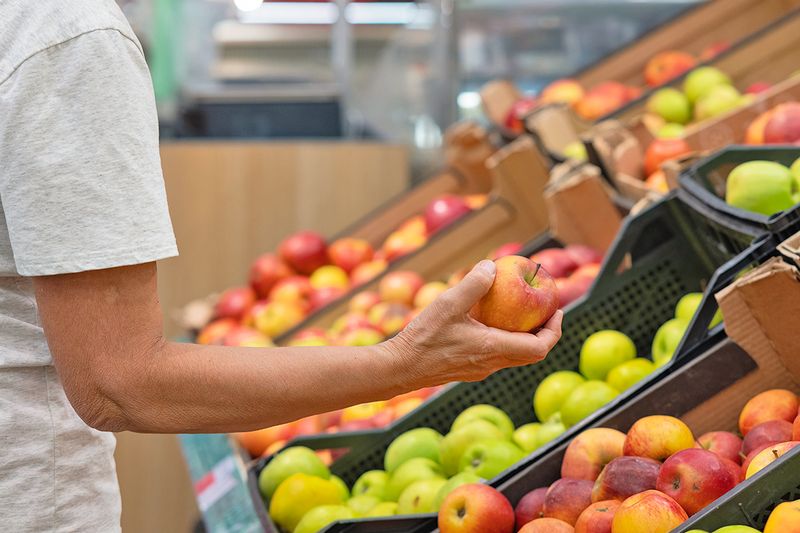
Fresh fruits and vegetables seem so innocent when stacked in dewy rows at the grocery store. But produce and other common foods can be vectors for parasites if proper handling guidelines aren’t followed, and these bugs can make you sick if you’re not careful. Here’s what could be lurking in your lettuce — and what you can do to stay safe.

Giardia
In 1681, when the pioneering microbiologist Antonie van Leeuwenhoek peered through a microscope at a sample of his own feces, giardia stared back at him. This protozoan parasite’s life cycle includes a stage as an infectious cyst that can contaminate food, water, soil, and other substances. When ingested, the cysts colonize the host’s small intestine and change into their active form, allowing them to absorb nutrients and multiply. Eventually the parasites make their way to the host’s colon, turn back into infectious cysts, and exit the host’s body through defecation.
Giardia is the most common intestinal parasite in humans, and it can be found worldwide. Symptoms of infection include frequent diarrhea, gas, stomach cramps, and nausea, and untreated cases can lead to irritable bowel syndrome and other complications.
To avoid this unpleasantness, wash your hands after touching potentially infected substances and before preparing food; wash fresh produce thoroughly with clean water; cook fruits and vegetables to kill any parasites; never drink untreated water from lakes, rivers, or streams; and clean and disinfect any potentially contaminated surfaces.

Cryptosporidium
Like giardia, cryptosporidium is transmitted through the “fecal-oral route”: Hosts (including humans) ingest the microscopic parasites via contaminated food or water, the parasites multiply in the host’s gastrointestinal tract, and then the parasites exit the host in feces. Symptoms of crypto infection range from diarrhea and stomach discomfort to low fever and loss of appetite. Immunocompromised people can experience more severe and long-lasting effects.
People contract cryptosporidium by accidentally swallowing contaminated water while swimming (including at the pool — chlorine can’t kill it), eating contaminated produce or unpasteurized dairy products, or coming into contact with infectious feces (such as when changing an infant’s diaper). The best ways to prevent a nasty bout of crypto are washing produce before consuming it, avoiding unpasteurized foods and untreated water, and frequently washing your and your grandkids’ hands.

Reader Favorites


Cyclospora
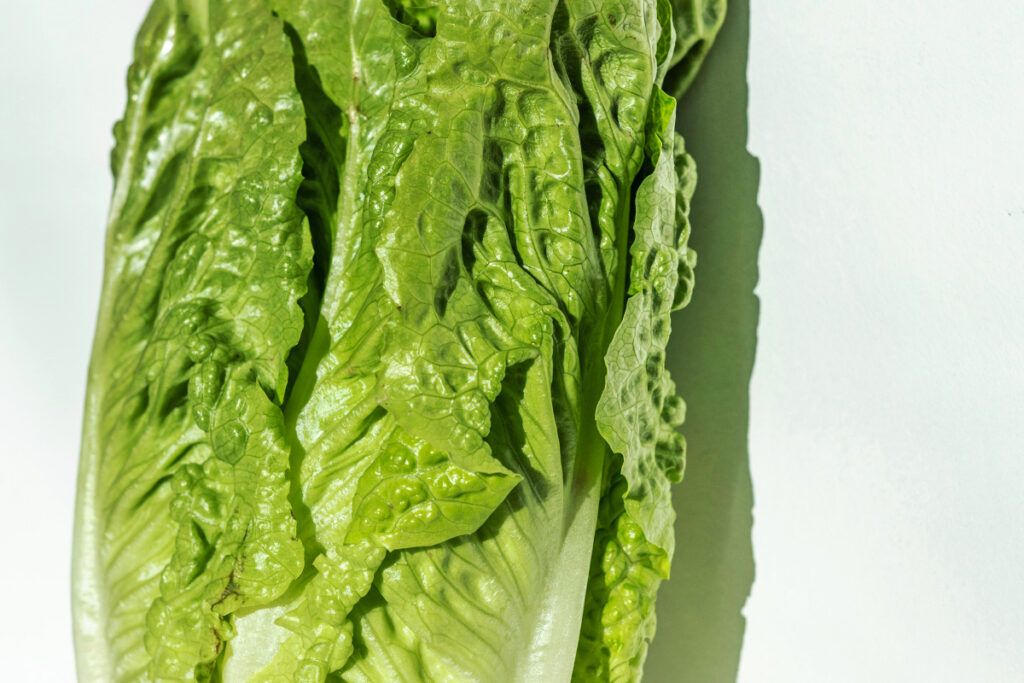
Humans are the only known hosts for cyclospora, which made headlines in July 2026 when an outbreak of the intestinal infection it causes hit several U.S. states. Preliminary results from the Food and Drug Administration’s investigation linked the cases to contaminated iceberg lettuce.
Cyclospora is another microscopic parasite transmitted via the fecal-oral route, most often through produce or water contaminated with human poop. Infections can be asymptomatic, or they may cause gastrointestinal upset, diarrhea (“possibly explosive”), weight loss, bloating, and flu-like symptoms. Health agencies recommend thoroughly washing and peeling raw fruits and vegetables and then cooking them to 158 degrees Fahrenheit to kill potential cyclospora; washing alone, especially with a bit of dish soap, may reduce the number of parasites clinging to produce but may not eliminate them completely. Experts also suggest drinking only purified or bottled water when traveling outside the U.S. where sanitation practices are less rigorous and cyclospora is endemic.
Toxoplasma gondii
For a single-celled parasite, Toxoplasma gondii can lead to a lot of problems. T. gondii causes toxoplasmosis, an illness with a constellation of symptoms ranging from mild muscle aches in healthy people to damage to the eyes, brain, and other organs in immunocompromised people. Pregnant people are particularly at risk because the parasite can cause miscarriage or congenital toxoplasmosis in babies, leading to further health issues down the line.
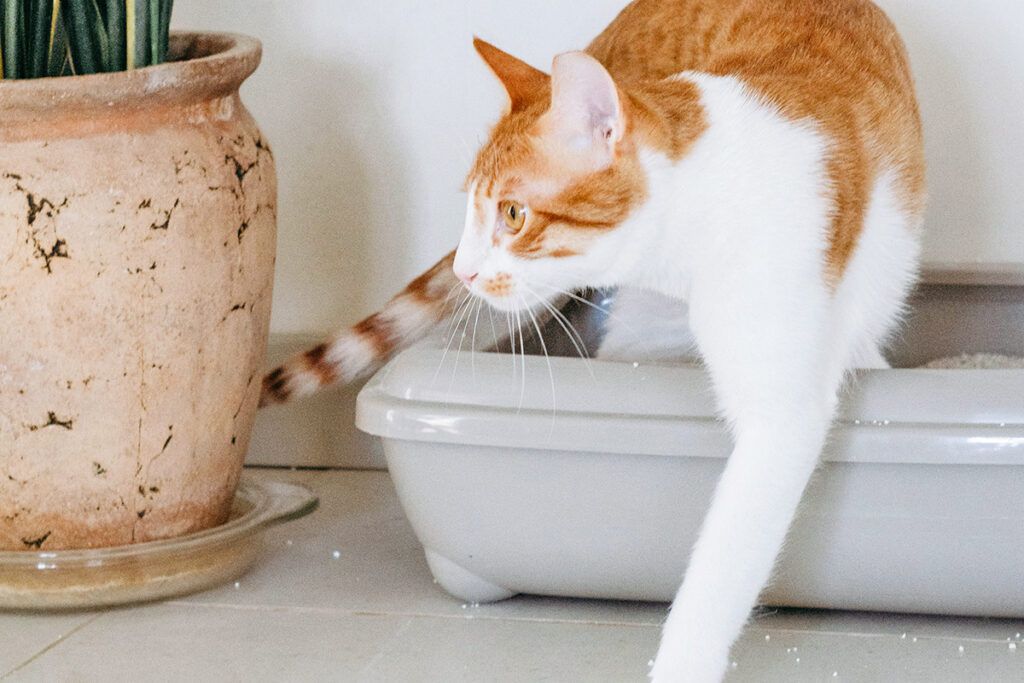
Cats are T. gondii’s primary hosts. The parasite colonizes feline intestines, and people usually contract toxoplasmosis by ingesting undercooked meat (including shellfish), as well as produce, soil, or water contaminated by cat feces. Dealing with your cat’s litter box is another common mode of transmission. To avoid getting sick, wash hands and all food prep surfaces and utensils before and after use. Wash and peel fruits and vegetables before eating them and don’t consume raw shellfish or raw dairy. Don’t forget to wear gloves when gardening and emptying your cat’s litter box.

Trichinella
Trichinella — a genus of roundworms — is conveyed in raw meat. People usually contract trichinellosis by eating raw or undercooked wild game, including deer, moose, seal, or bear, or pork purchased “on the hoof” (in other words, a whole animal bought directly from a farmer, then butchered for personal consumption), that contains trichinella larvae. After being consumed, the larvae grow into adult worms in the host’s small intestine. Females then release new larvae that migrate to the host’s striated muscle tissue. Symptoms at this stage include swelling and inflammation around the eyes, fever, joint aches, and muscle pain.
The easiest way to avoid trichinella is to cook wild game to a safe temperature using a meat thermometer. Cuts of pork less than 6 inches thick can be frozen at 5 degrees Fahrenheit for three weeks to kill T. spiralis, the species of roundworm found in domestic pigs (though freezing at any temperature doesn’t work on game, which usually carries T. nativa, a hardier species). Be sure to wash and disinfect any surfaces that come into contact with raw meat, including your hands.
Featured Image Credit: © Getty Images/Unsplash.com
More From Our Network
Better Report is part of Inbox Studio, an email-first media company. *Indicates a third-party property.







Kat Long is a freelance science journalist in the Washington, D.C. area. Previously, she was the science editor at Mental Floss and a digital editor at National Geographic. She now writes the Arctic Archives newsletter on Substack. Kat spends her free time birdwatching, road-tripping to historical sites and perusing old manuscripts at libraries.
This article is for general informational purposes only.
Affiliate Disclaimer Medical Disclaimer Financial Disclaimer