The Least Healthy Alcoholic Beverages

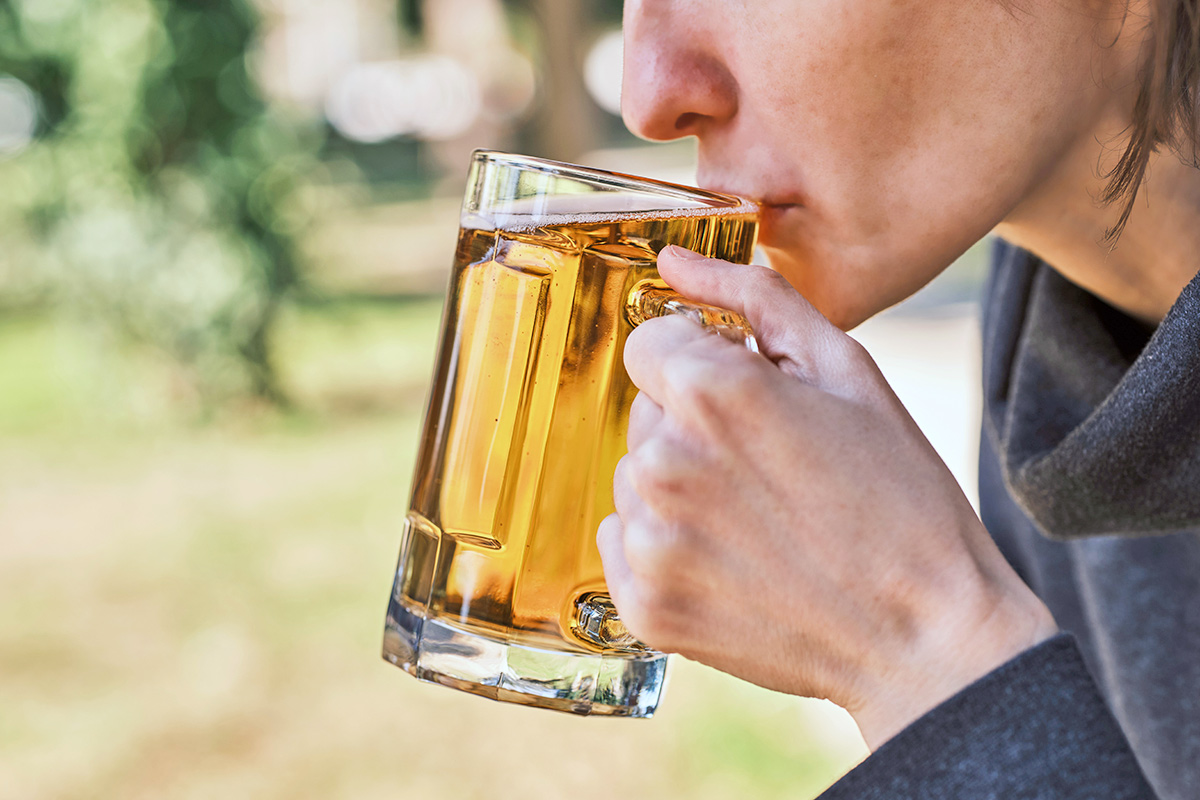
Most of us know that drinking alcohol isn’t the healthiest choice. “People who cut back or quit alcohol often find they feel better about their energy, sleep, mood, and well-being,” says Kristy Thomas, a registered nutritionist at Prowise Healthcare.
The fact is, there is no safe level of alcohol consumption: The World Health Organization (WHO) lists alcohol as a Group 1 carcinogen alongside things like radiation and tobacco. In the body, the ethanol in alcohol breaks down into acetaldehyde, a carcinogen that damages DNA — and when DNA is damaged, it can prevent cell repair, increasing your risk of cancer. WHO notes that “alcohol causes at least seven types of cancer … any beverage containing alcohol, regardless of its price and quality, poses a risk of developing cancer.”
The best option is to avoid alcohol completely — after all, “no drinking means no alcohol-related risks, such as liver damage, sleep problems, and heart or cancer issues,” Thomas says. But it isn’t always so simple, because everyone’s lifestyle is different. “If abstaining from alcohol means you avoid social situations and instead spend time on screens or feeling lonely, this is not likely the healthiest route,” says nutritionist Amelia Winslow, M.S., MPH, VP of marketing at Pop & Bottle.
So, if you do indulge in an alcoholic beverage, you want to make the healthiest choice possible. And there are certain drinks you sip with dinner or after a long day that can harm your health more than others, whether it’s because they include ingredients that carry their own negative impact or because they inspire you to drink more than you should. Here are a few of the most harmful selections to avoid the next time you’re ordering or pouring yourself a drink.
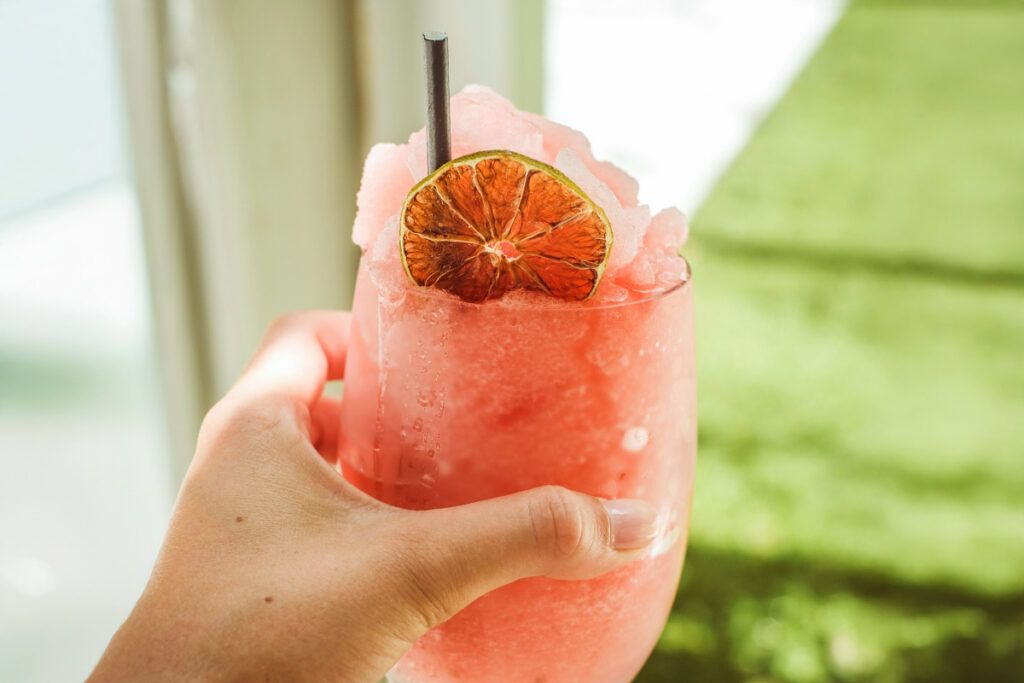
Sugary Cocktails
According to Thomas, alcoholic drinks that are high in sugar are the worst option. “Some of the least nutritious include piña colada, mudslide, Long Island iced tea, and frozen daiquiri cocktails, which are often loaded with syrups, cream, sweetened juices, and liqueurs,” she says. She would also include ready-made cocktails in this group. The added sweeteners in these drinks mask the flavor of alcohol, which could cause you to consume more booze that you realize. These drinks are also high in calories: Not only does alcohol contain 7 calories per gram, Thomas notes, but the ingredients also contain calories.
Winslow concurs: “You’re guzzling down many unnecessary calories, sometimes 500+ in a single drink,” she says.

Reader Favorites



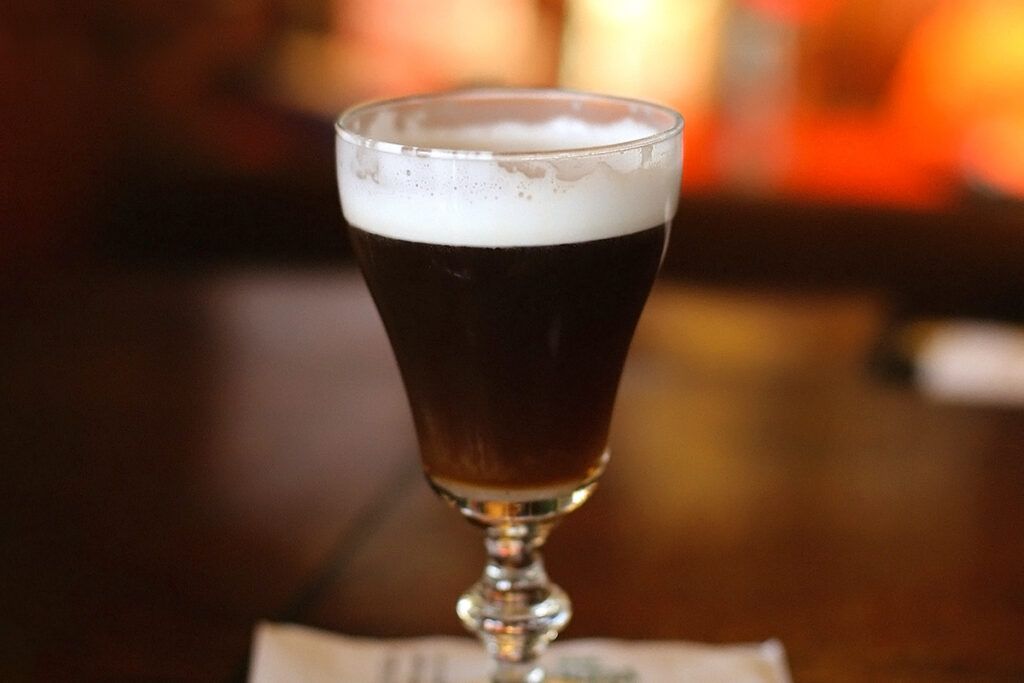
Creamy Liqueurs
Both Thomas and Winslow agree that creamy liqueurs such as Irish coffee or spiked eggnog are unhealthy choices. “You’re getting calories from sugar and saturated fat, on top of calories from alcohol,” Winslow says. These cream-based drinks can also be tough on the stomach — and if you’re taking GLP-1 medications, they can potentially trigger nausea due to their high-fat, high-sugar content.
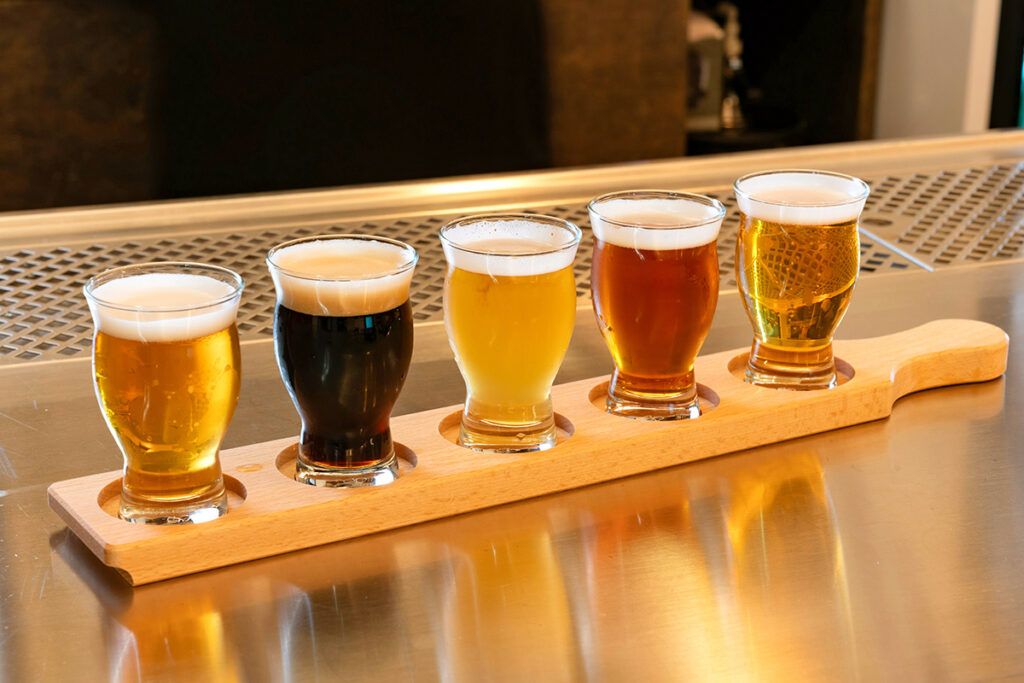
High ABV (Alcohol by Volume) Craft Beers
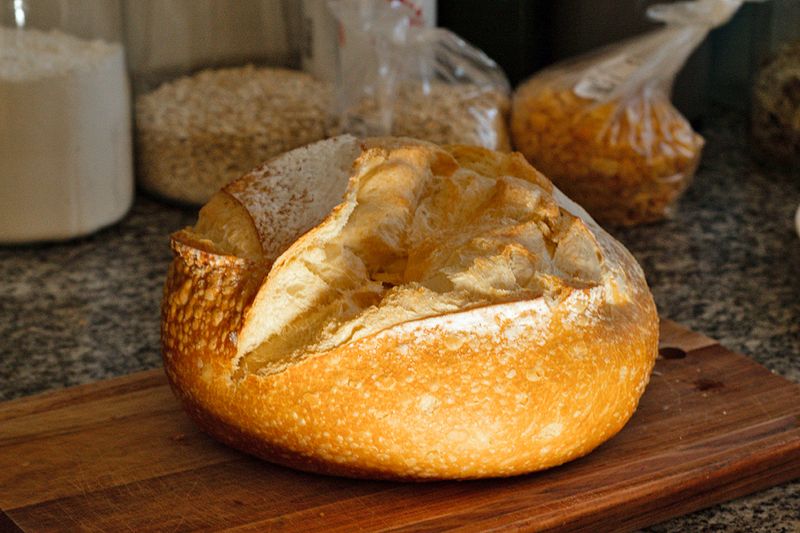
Both Winslow and Thomas advise skipping the craft beers with high alcohol volume. While most standard beers have roughly 4% to 6% ABV, others can be as high as 40%. Plus, standard beer averages about 150 calories per bottle. Higher ABV craft beers “have more calories and alcohol per serving,” Winslow explains. “It can leave you feeling like you ate a loaf of bread in one sitting.”
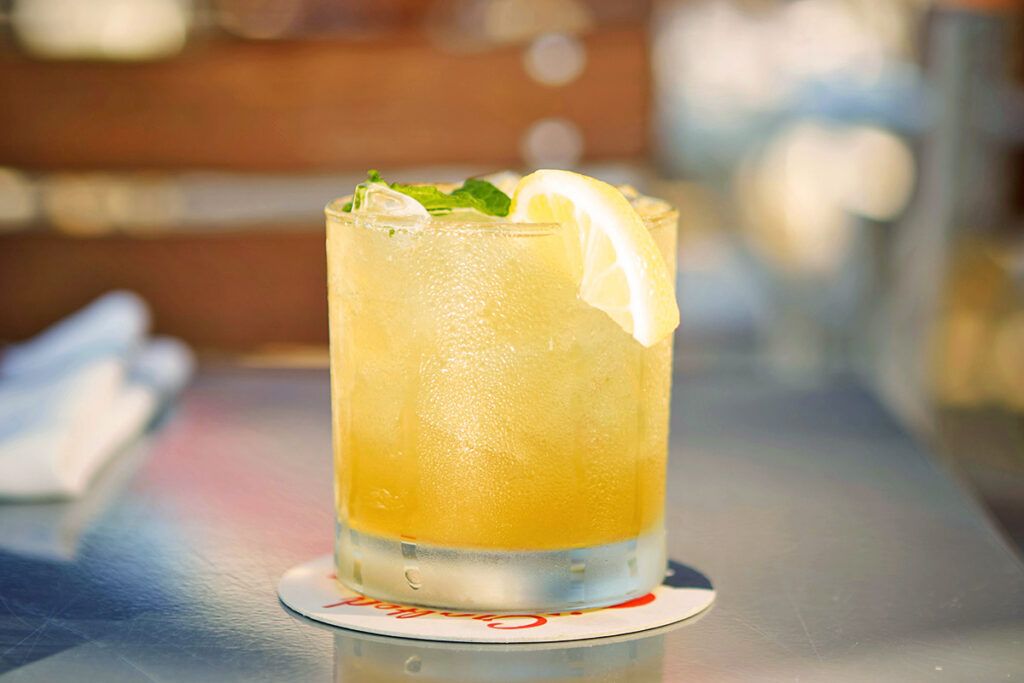
Skinny Cocktails
Skinny cocktails sound tempting because they’re lower in calories — a fact that can often cause you to drink more. “If drinking something ‘skinny’ makes you think you can have five drinks instead of one,” Winslow says, “you’ll be doing more damage than good by choosing the light option.”
And if your goal is to consume fewer calories, it’s important to note that alcohol can trick your brain into making you feel hungrier. A low-cal cocktail or two can lead to more calories for that reason alone. That said, if you can limit yourself, “you’re likely skipping hundreds of calories and a potential hangover” with a skinny cocktail, Winslow says.
Caffeine-Based Cocktails
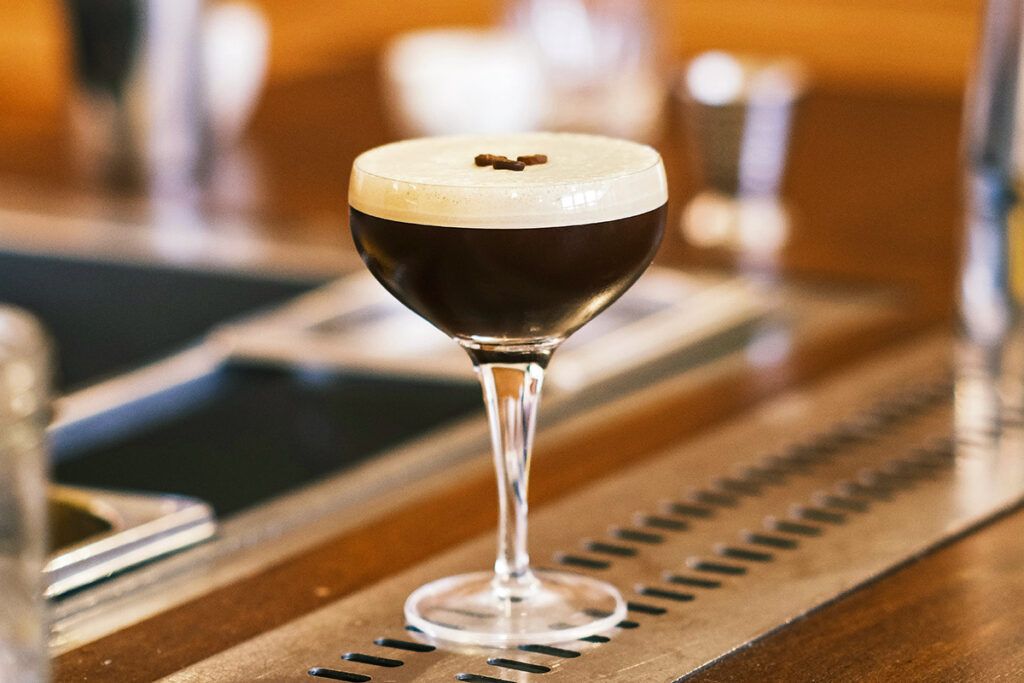
If your go-to cocktail of choice is the popular espresso martini, we have some bad news: According to Thomas, combining coffee with booze “can make individuals feel more alert without diminishing the effects of alcohol. This state of mind can make people think they are doing well, and so they end up drinking more than they know is good for them.” The same is true, she says, of other cocktails that contain an energy drink or caffeine. On top of that, due to the added ingredients, an espresso martini is one of the higher-calorie cocktails — some recipes have more than 200 calories per drink.
The Best Choices To Make When It Comes to Alcohol
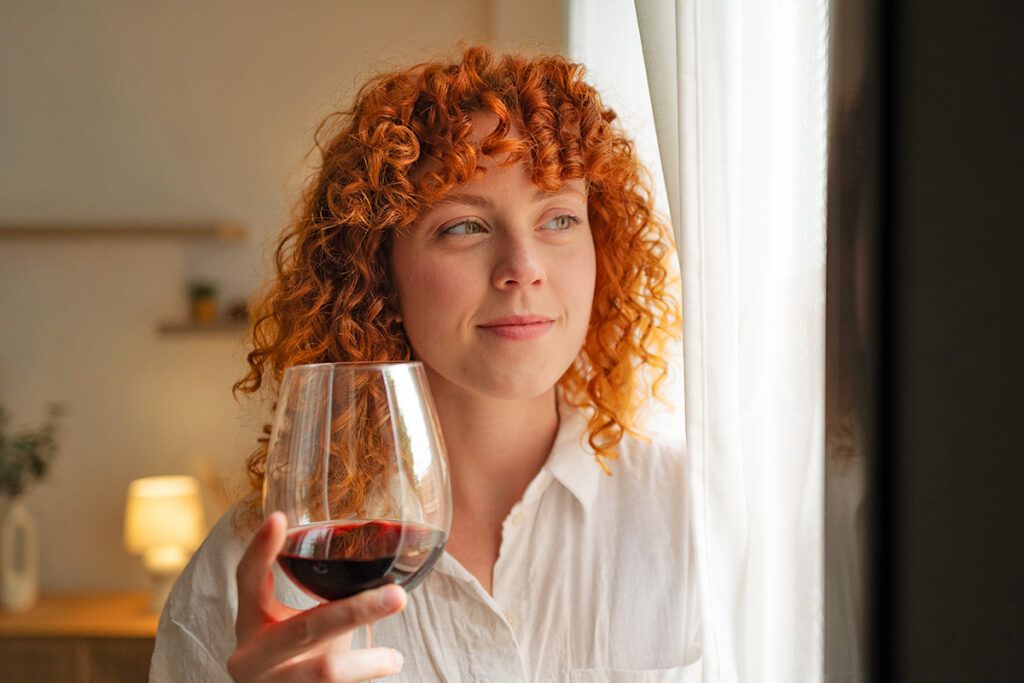
In general, the best way to mitigate the risks of alcohol is to “drink in moderation, drink plenty of water, and don’t drink on an empty stomach,” Thomas says. And if you opt for an alcoholic beverage with dinner, or to wind down at night, she suggests sticking to simpler drinks. “A glass of wine … or a light beer … limit[s] the amount of sugar and calories consumed.”
As Winslow says, “Drink what you can sip on leisurely, in good company, without overdoing it.”
Featured Image Credit: © Engin Akyurt/Pexels.com
More From Our Network
Better Report is part of Inbox Studio, an email-first media company. *Indicates a third-party property.





Based in Portland, Oregon, Nicole Pyles is an experienced freelance writer who writes about home and kitchen, health and wellness, and more. She's written for a variety of outlets, including Better Homes and Gardens, Tom's Guide, Better Report, and more.
This article is for general informational purposes only.
Affiliate Disclaimer Medical Disclaimer Financial Disclaimer