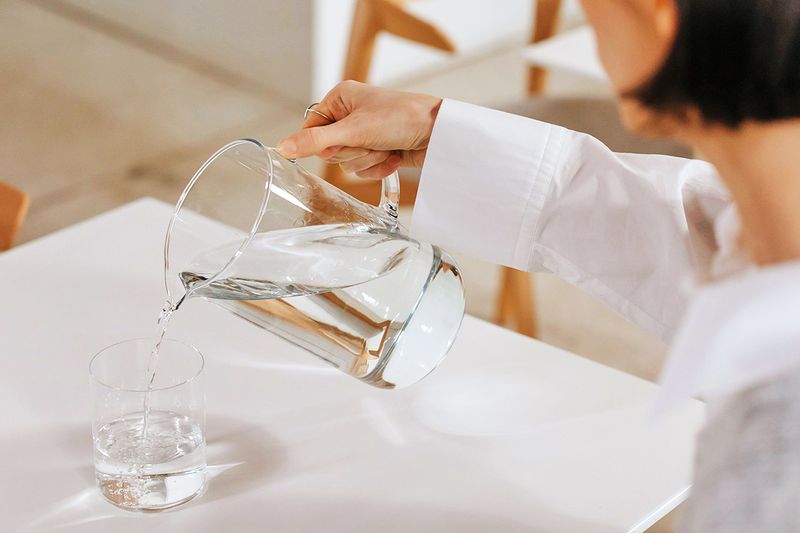
Your Calcium Supplement May Not Be Doing You Any Good


Calcium supplements are a $6.4 billion global industry — and demand is increasing. According to the market research firm Future Market Insights, a major driver behind the continuing growth of calcium supplements is their “established use in [the] daily bone-health routines” of millions of consumers.
But studies have shown that calcium supplements don’t do much to prevent osteoporosis or bone fractures in healthy people. (Some clinical studies have demonstrated that supplements can help older people at high risk of fracture or developing osteoporosis, but more research is needed.)
“Supplementing implies deficiency,” says Kendall Moseley, M.D., medical director of the Johns Hopkins Metabolic Bone and Osteoporosis Center in Baltimore. If you’re eating a balanced diet and getting enough calcium from food, “why supplement when you’re getting it naturally?” she adds.
Here’s what the latest research has found.
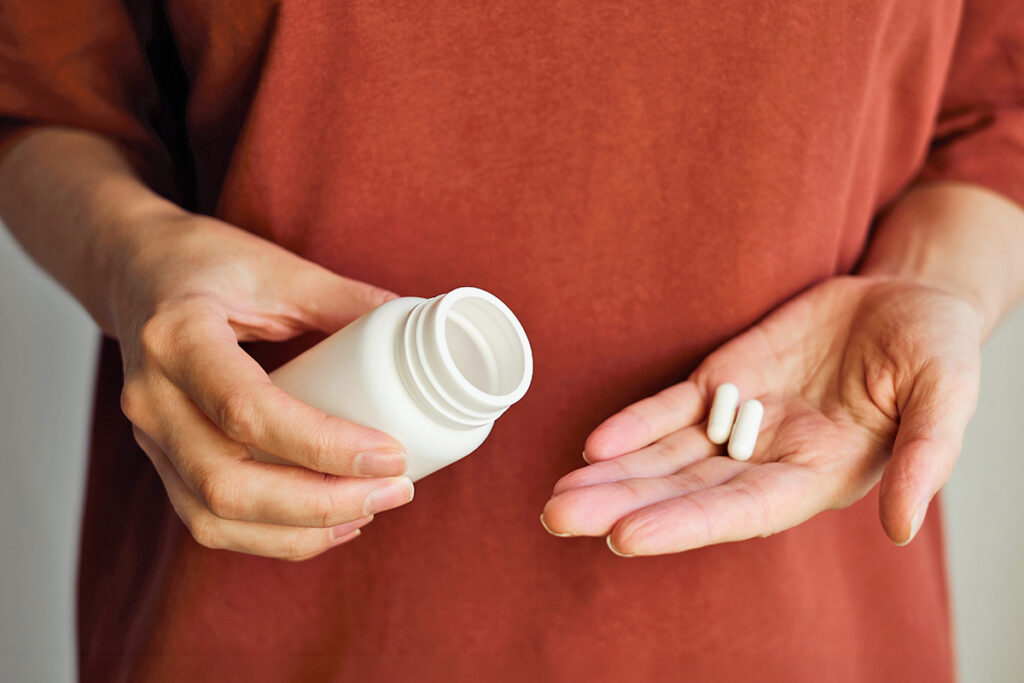
Little Benefit for Healthy People
A recent study from Canadian researchers published in The BMJ found “little to no benefits” from taking supplements of calcium, vitamin D, or a combination of both to prevent falls and fractures in a healthy population. Calcium is the main building block of bone, and vitamin D helps the body absorb calcium.

Reader Favorites



The researchers conducted a meta-analysis and systematic review of 69 randomized controlled trials, encompassing 153,902 adult participants, that studied the effects of calcium, vitamin D, or combo supplements against a placebo or no treatment to reduce falls and fractures. A majority of the participants were older (with a median age of about 71), were not at high risk for falls (73%), and were not living in a nursing home or long-term care facility (87%). None was taking medications for osteoporosis.
Because the study population largely wasn’t calcium- or vitamin D-deficient, it’s not surprising that supplements had little impact on reducing falls and fractures, says Andrea Singer, M.D., division director of women’s primary care and medical director of bone densitometry at MedStar Health Georgetown University Hospital in Washington, D.C. “The results reinforce the concept that supplementation in low-risk populations is unlikely to make a difference in preventing falls and fractures,” she says.
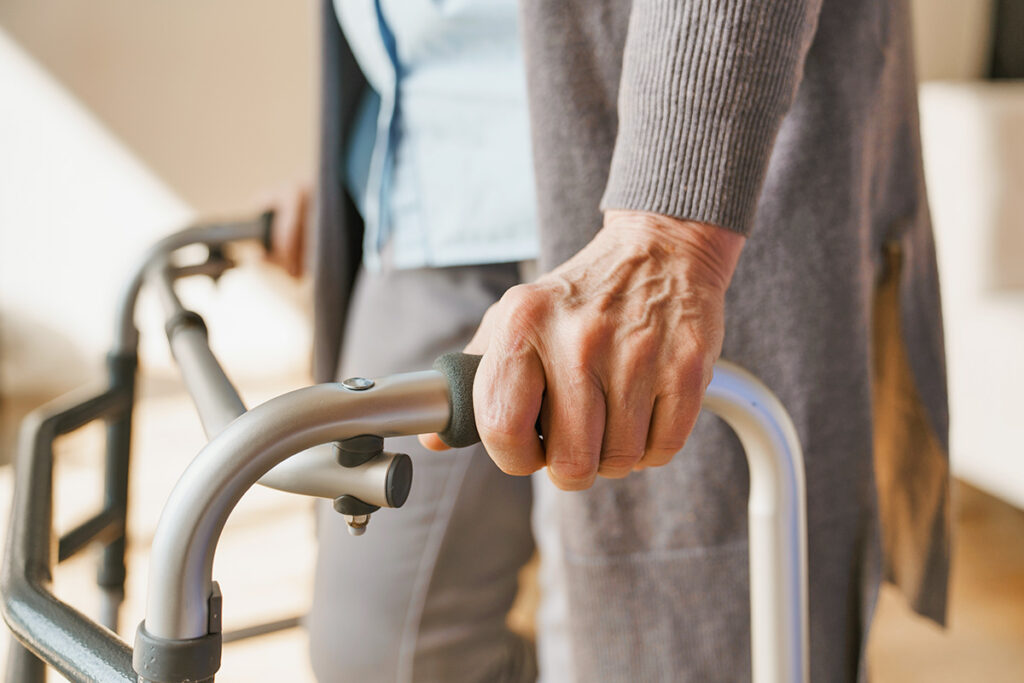
Age-Related Risks
The study authors note their results may not apply to people with “specific bone disorders or to those receiving drug treatment for osteoporosis,” who may have a high risk for falls and fractures.
As we age, we lose bone and muscle mass, which can affect balance and gait. Unsteadiness can lead to falls, and if bones are weakened due to osteoporosis, fractures can occur. Women tend to lose bone mass and density at an earlier age and at a faster rate than men due to menopausal hormone changes; about 80% of the 10 million Americans with osteoporosis are women. But not everyone experiences the same level of risk as they age, Moseley says. Genetics, family history, previous injuries, and other factors can contribute to your chance of falls.
Among older people, fractures from falls can lead to long recovery periods or further complications like infections, blood clots, or pneumonia, impacting quality of life and independence.
Before popping any supplements, Moseley advises asking your health care provider about your risk of developing osteoporosis or experiencing falls, and doing a risk assessment first. A full rundown of your diet and all the vitamins and supplements you take should always be a part of the discussion, she says, because some multivitamins already contain supplemental calcium or vitamin D, and you don’t want to overdo it.
That’s because there are some side effects of taking too much calcium, Moseley says. Megadoses of the mineral can cause brain fog, cognitive dysfunction, abdominal pain, nausea, and constipation. You could also experience kidney stones or even kidney failure as the organs work overtime to excrete the extra calcium. You and your doctor can decide whether additional calcium or vitamin D intake would be useful along with other treatment options.

The Importance of Strong Bones
There are steps people can take to ensure bone health earlier in their lives before age-related issues arise.
A healthy diet including sufficient amounts of calcium and vitamin D “is always our first go-to,” Singer says. Recommended daily intakes range from 1,000 to 1,200 milligrams of calcium (depending on sex and age) and 15 micrograms of vitamin D for adults up to age 70 or 20 micrograms for those 70 and older. Younger people need between 200 to 1,300 milligrams of calcium and 10 to 15 micrograms of vitamin D per day, depending on age. Foods containing both calcium and vitamin D include whole eggs, cheese, canned fish with bones (like sardines and salmon), and D-fortified milk and yogurt. Calcium is also abundant in dark leafy greens, broccoli, and edamame.
Weight-bearing or resistance exercise is essential for healthy bones because it strengthens both the bones and the muscles that support them, helping to grow and repair tissue throughout your lifespan. Older people can add balance exercises for building strong bones and reducing falls, Singer says. Of course, it’s important to speak with your health care provider before beginning any diet or exercise plan.
Featured Image Credit: © Alexandr Kolesnikov—Moment/Getty Image
More From Our Network
Better Report is part of Inbox Studio, an email-first media company. *Indicates a third-party property.







Kat Long is a freelance science journalist in the Washington, D.C. area. Previously, she was the science editor at Mental Floss and a digital editor at National Geographic. She now writes the Arctic Archives newsletter on Substack. Kat spends her free time birdwatching, road-tripping to historical sites and perusing old manuscripts at libraries.
This article is for general informational purposes only.
Affiliate Disclaimer Medical Disclaimer Financial Disclaimer