Is Hard Water Ruining Your Clothes?


All featured products and deals are selected independently and objectively by the author. Better Report may receive a share of sales via affiliate links in content.
If your freshly washed clothes look dull or feel stiff, your laundry routine may not be the problem. The culprit could be something less obvious: the water coming into your washing machine. More specifically, you could be dealing with hard water, which contains higher levels of minerals, mainly calcium and magnesium. Here’s how to tell if you have hard water — and what you can do if it’s ruining your clothes.
How Hard Water Affects Your Clothes
It’s estimated that 85% of water in the U.S. is hard. Just how hard depends partly on where you live, since local water supplies pick up different amounts of minerals from soil and rock. You may not even realize it’s an issue until you notice common signs such as mineral buildup around faucets and showerheads, spots on glassware, or soap that doesn’t lather well.
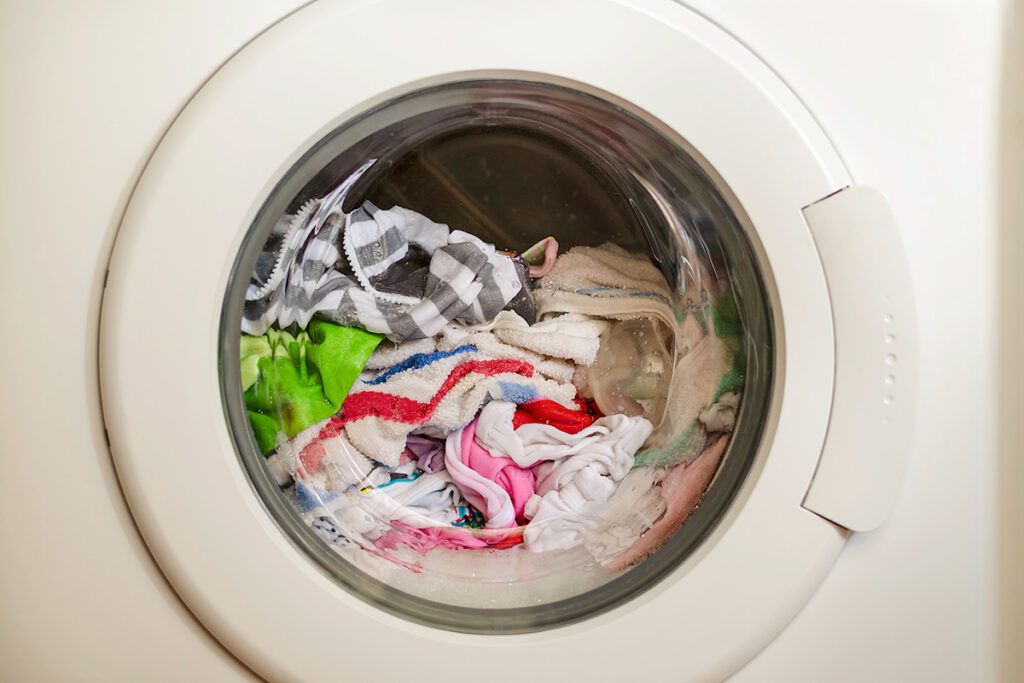
Likewise, the effects of hard water on your laundry may not be obvious right away, but after repeated washes, the minerals settle into the fabric fibers and whites start to look dingy, colors may fade, and fabrics can lose their softness and begin to tear and fray. Hard water can also react with the detergent, causing it to be less effective at removing dirt and body oils; it may even leave residue or streaks on fabric and cause your clothes to smell.
Items that are washed frequently, such as towels, sheets, and everyday clothing, may show these changes sooner simply because they’re exposed to hard water more often. Over time, otherwise good clothing and linens end up looking older than they are.
What You Can Do About Hard Water
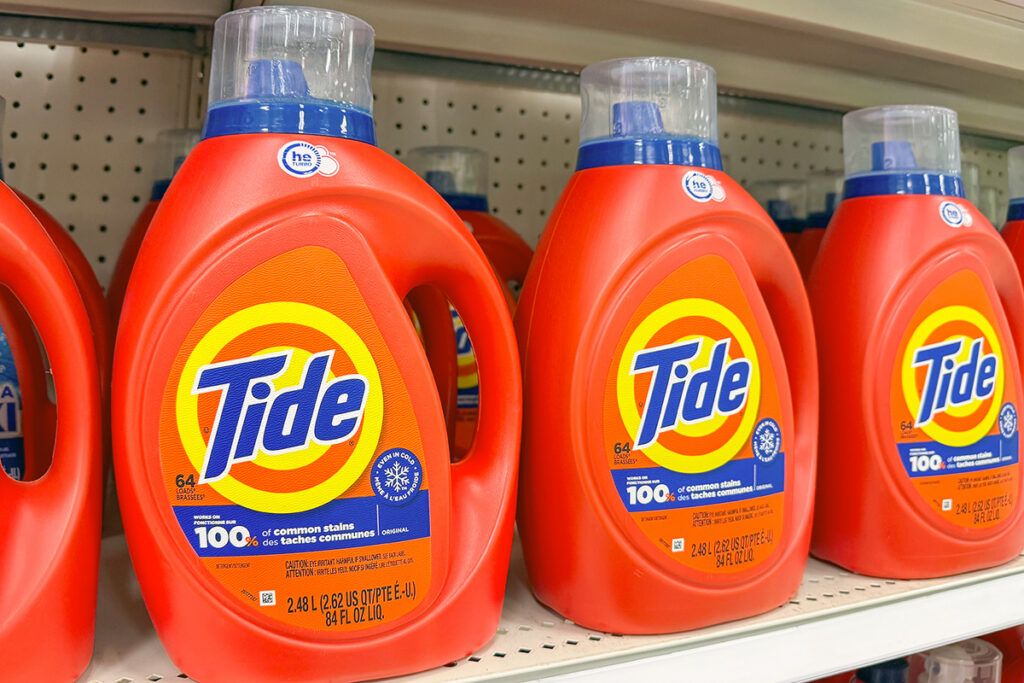
To get clothes cleaner in hard water, start with a detergent that can handle the extra minerals. In Consumer Reports’ testing, Tide’s detergents came out on top for handling hard water, including Tide Free & Gentle detergents (a liquid and a pod, respectively). Ingredients matter, too, which is why experts recommend looking for detergents that contain citrates such as sodium citrate, which bind to minerals and help soften water, allowing the detergent to clean more effectively.
The formula is only part of the equation, though: Make sure to follow the instructions on the detergent packaging rather than simply adding more detergent, since excess detergent can leave behind residue.

Reader Favorites



For particularly hard water, adding a water conditioner to the wash can help remove minerals from each load. And if hard water is causing problems throughout your home, you may want to go a step further with a whole-home water softener, which treats the water before it reaches your washing machine. Most importantly, don’t confuse either with fabric softener — sure, it can make clothes feel softer, but it won’t soften hard water.
Finally, it could be worth checking your water’s hardness level with your local water utility or a home water hardness test kit. The results can help you decide whether you need to make any changes to your laundry routine.
Featured Image Credit: © Andrej Lišakov/Unsplash.com
More From Our Network
Better Report is part of Inbox Studio, an email-first media company. *Indicates a third-party property.







Lauren Dana Ellman is a New York–based writer and editor specializing in lifestyle, travel, food, and shopping. A graduate of Syracuse University’s SI Newhouse School of Public Communications, she covers everything from destinations and hotels to fun product finds and personal essays. Her work has been featured in Condé Nast Traveler, AARP, Travel + Leisure, Time Out, The Knot, and more lifestyle-oriented publications.
This article is for general informational purposes only.
Affiliate Disclaimer Medical Disclaimer Financial Disclaimer