Is It Rude To Ask for Leftovers at Fancy Restaurants?

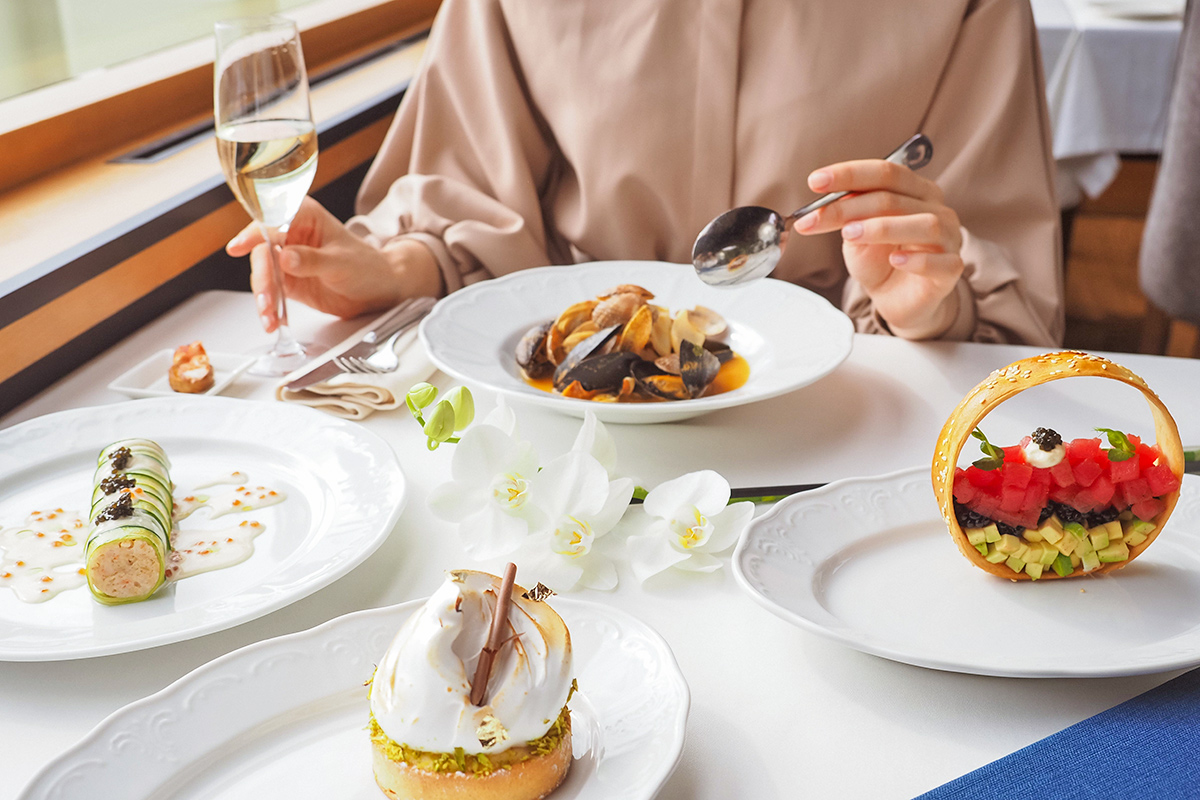
One of the biggest perks of dining out is leaving with leftovers. You gain delicious next-day lunch options, get your money’s worth, and minimize food waste — which is abundant in the United States, where, according to the USDA, 30% to 40% of our food supply is wasted.
But if you’re dining at a fancy restaurant, you may hesitate to request a box for your uneaten food. Will asking for a doggy bag raise eyebrows or earn a look of disapproval?
Fortunately, you no longer have to worry about looking ill-mannered when asking for leftovers, even in the swankiest of establishments. “A restaurant is the one place we treat food we have already paid for as embarrassing to keep,” says David Jubé, founder of The Gourmet Host. “That discomfort is [a] social habit rather than an actual rule.”
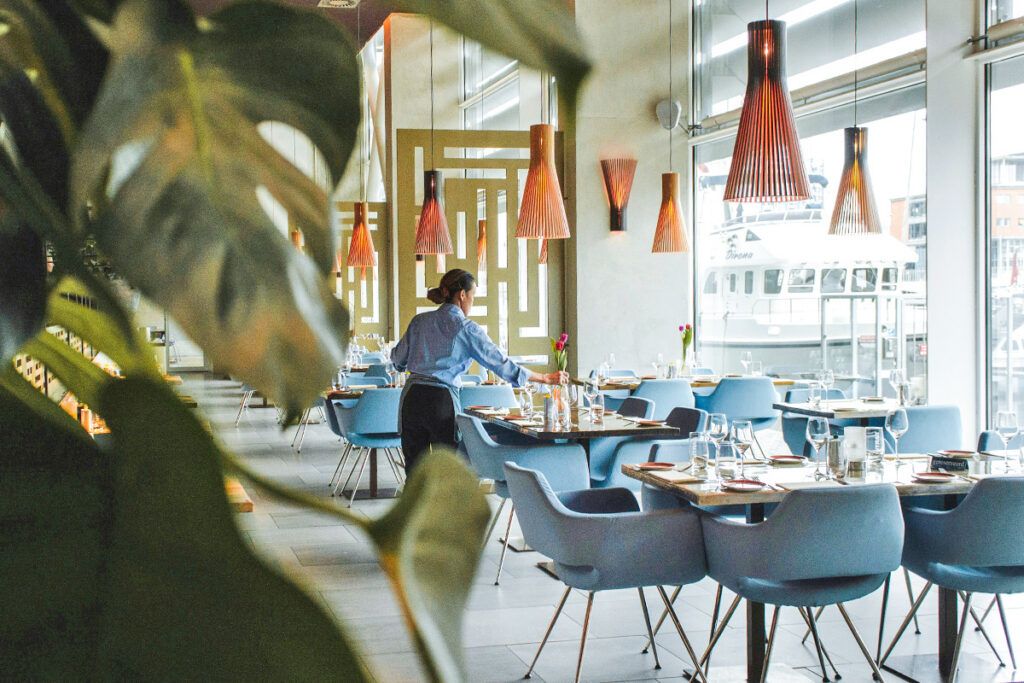
Why We Hesitate To Take Home Fine-Dining Leftovers
According to modern-day etiquette expert Genevieve Dreizen, COO and co-founder of Fresh Starts Registry, fine dining became more widely available in the post-World War II era. At that time, she says, “It was seen as déclassé to bring a doggy bag home.”
That may be because those who could previously afford sit-down dining didn’t care about leftovers, Dreizen explains. “This might have been because of portions, prices, or the experience of dining, or that the classes that had had access to fine- [and] sit-down dining before this time were not interested in getting their money’s worth,” she says. “I believe the idea of looking down at someone for not wanting to waste money and literally throw away uneaten, paid-for food was rooted in classicism and an intentional disregard to say, ‘So what if I’ve paid for it?’”
That sentiment seems to be a thing of the past. According to Jubé, one reason we may hesitate now is fear of judgment by the server, or by those around us. But rest assured: They’re not judging you. Instead, “[t]he awkwardness is almost always self-generated,” he says, “and it usually comes from worrying about looking cheap in front of the people you are eating with.”
Helpful Guidelines for Requesting Leftovers
There’s no right or wrong way to request your leftovers, Dreizen says. As she puts it, “Quite literally, get that bag.” But she and Jubé do have some suggestions for how to feel as suave as possible when requesting a to-go bag.
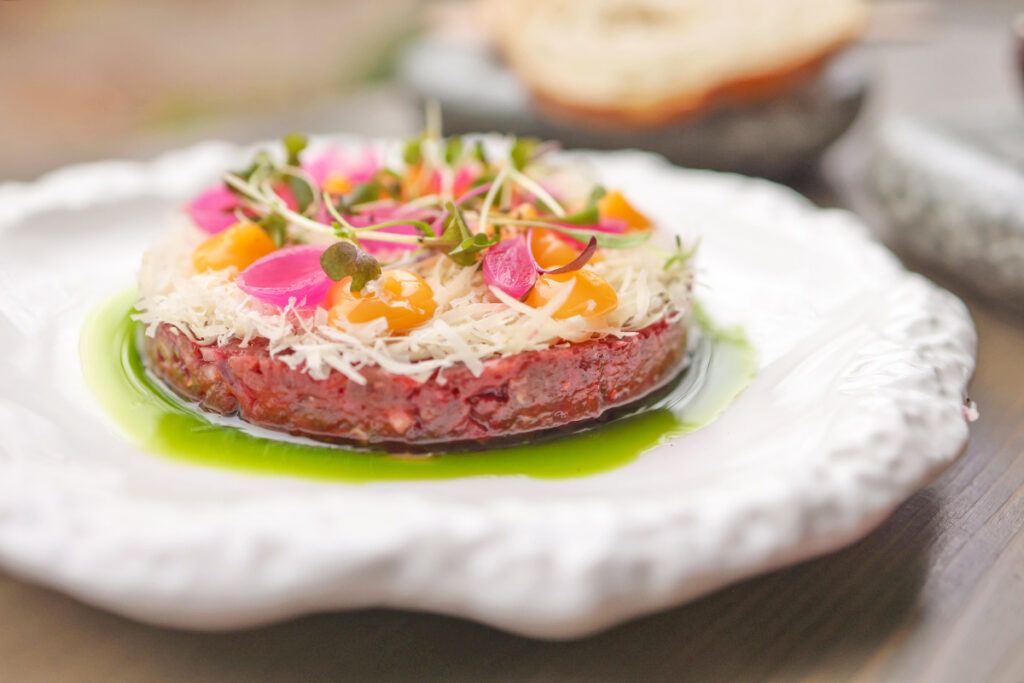
Avoid Taking Home Certain Foods
Almost any food is fair game, but both Jubé and Dreizen caution against taking certain dishes home. Don’t ask for food that’s meant to be hot and won’t reheat well, such as “seafood, soufflés, [and] delicate sauces that’ll break or separate,” Dreizen says.
Jube suggests leaving “anything raw or barely cooked: oysters, tartare, sushi, rare shellfish.”
Dreizen says that “appetizers … that everyone’s already had a fork in, are also better left behind,” unless “you’re sharing with your spouse, kids, or close family and friends.”
Jubé also recommends leaving any food that has been out throughout a long dinner or won’t survive the trip home. This may include “dressed salad, fried food, a sauce finished at the table, or a dessert built to be eaten the moment it lands.” Tasting menu courses also box up badly, he says.

Reader Favorites



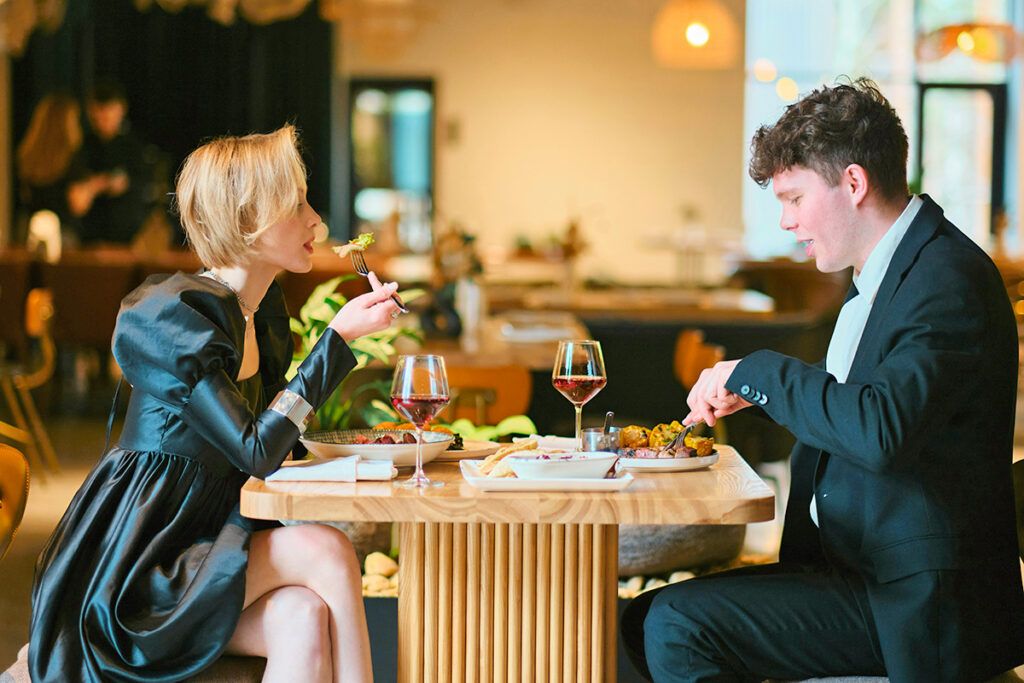
Be Mindful of Your Fellow Diners
Who you’re dining with may also determine whether or not you ask to take home leftovers. “You might not want to ask for your leftovers if you’re at a business meal or on a date,” Dreizen says. “You might want to consider if you need those three fries and the two bites of burger [that] are mostly bun.”
Jubé notes that “[w]hoever pick[s] up the bill sets the tone, so if you invited the table, ask [for leftovers] first, and you have quietly given everyone else permission.”
Both Dreizen and Jubé advise against claiming another person’s leftovers. And Jubé says you should never claim a shared dish without asking others first.
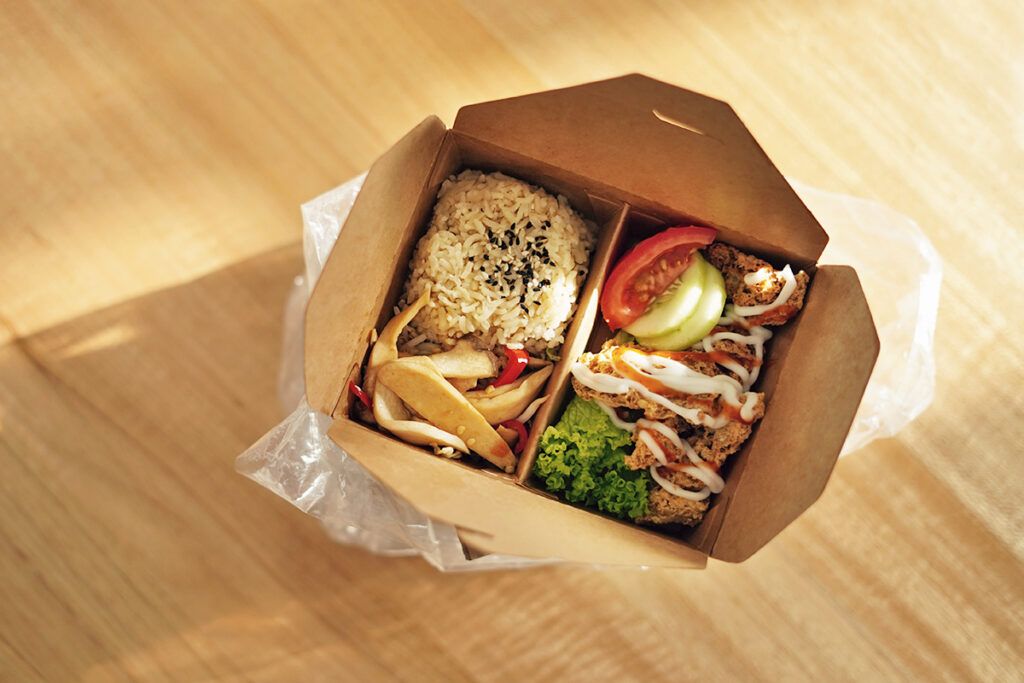
Skip the DIY Approach
According to Jubé and Dreizen, it’s totally fine to bring your own container to take food home in. But there’s a right and a wrong approach. Don’t try to pack the food yourself — or worse, wrap it with a noisy sheet of foil. “What people actually notice is foil rustling at the table, not the container itself,” Jubé says.
Instead, take along a clean, sealed container that’s small enough to put into your bag. “Give it to the server closed, at the moment you would otherwise have asked for a box,” Jubé advises, and say: “‘Would you mind putting it in this?’” This makes the whole thing a nonevent: “The only version that lands badly is the one performed for an audience,” he says.
It’s important to know, however, that your server may refuse to use your container due to health concerns. “It opens them up to potential issues, such as your packaging introducing germs to their food,” Dreizen says. That could become a problem for them if you then get food poisoning.
So, if the answer is no, “take the box and don’t turn it into a negotiation,” Jubé says. “Then use your own container when you get home.”
Feature Image Credit: © Nadin Sh/Pexels.com
More From Our Network
Better Report is part of Inbox Studio, an email-first media company. *Indicates a third-party property.





Based in Portland, Oregon, Nicole Pyles is an experienced freelance writer who writes about home and kitchen, health and wellness, and more. She's written for a variety of outlets, including Better Homes and Gardens, Tom's Guide, Better Report, and more.
This article is for general informational purposes only.
Affiliate Disclaimer Medical Disclaimer Financial Disclaimer