Does Dish Soap Go Bad?

Dish soap gets a workout in most kitchens, tackling everything from greasy pans to stacks of dirty plates. But you probably don’t ever think about how long that bottle has been sitting at the sink, or whether it’s still good.
Turns out, dish soap is one of several household items that lose their punch over time — and while it may not spoil in the traditional sense, as food does, it can decrease in cleaning power. A few telltale signs reveal when it’s past its prime.
What To Know About Expired Dish Soap
Dish soap breaks down grease and food residue, but that’s not its only job. It also helps get rid of bacteria and viruses on dishes. Although it doesn’t kill them, the surfactants in soap, which break the chemical bonds that make grease and germs stick to dishes, help to lift them from the surface, and water flushes them away. The surfactants weaken with age and when exposed to oxygen, which is why an old bottle of soap doesn’t work as well.
Estimates of the shelf life of dish soap vary, but according to Brian Nagele, CEO of Restaurant Clicks, it expires in two to three years. Soap may degrade faster once the bottle is opened, so you should use it within 12 to 18 months.
Expiring dish soap can be easy to miss. Maybe it doesn’t lather as well as it did before or it smells funky; maybe you need to use more soap than usual to get the same results, or the soap looks watery or lumpy. All are signs that its ingredients may be waning and losing some of their grease-cutting power, and it’s time for a new bottle.
Dishwasher pods and tablets can also expire. Tablets will last around a year and a half, while some detergent pods can start declining in as little as six months. Over time, a pod’s outer casing thins and the liquid inside seeps out. Tablets can also lose effectiveness faster if left out or stored in an unsealed package.

Reader Favorites



Soap Storage Tips
To make your opened dish soap last as long as possible, tightly seal the bottle to prevent air from getting in. Keep it at room temperature (50 degrees to 75 degrees Fahrenheit), away from direct sunlight and heat sources like the stove. A bottle left in the cold may thicken or separate, but should return to normal after warming to room temperature. Write the date you opened it on the bottle so you can be sure to use it within its shelf life.
Other Uses for Dish Soap
Expired dish soap has plenty of other uses around the house, so there’s no need to toss out a half-empty bottle immediately.
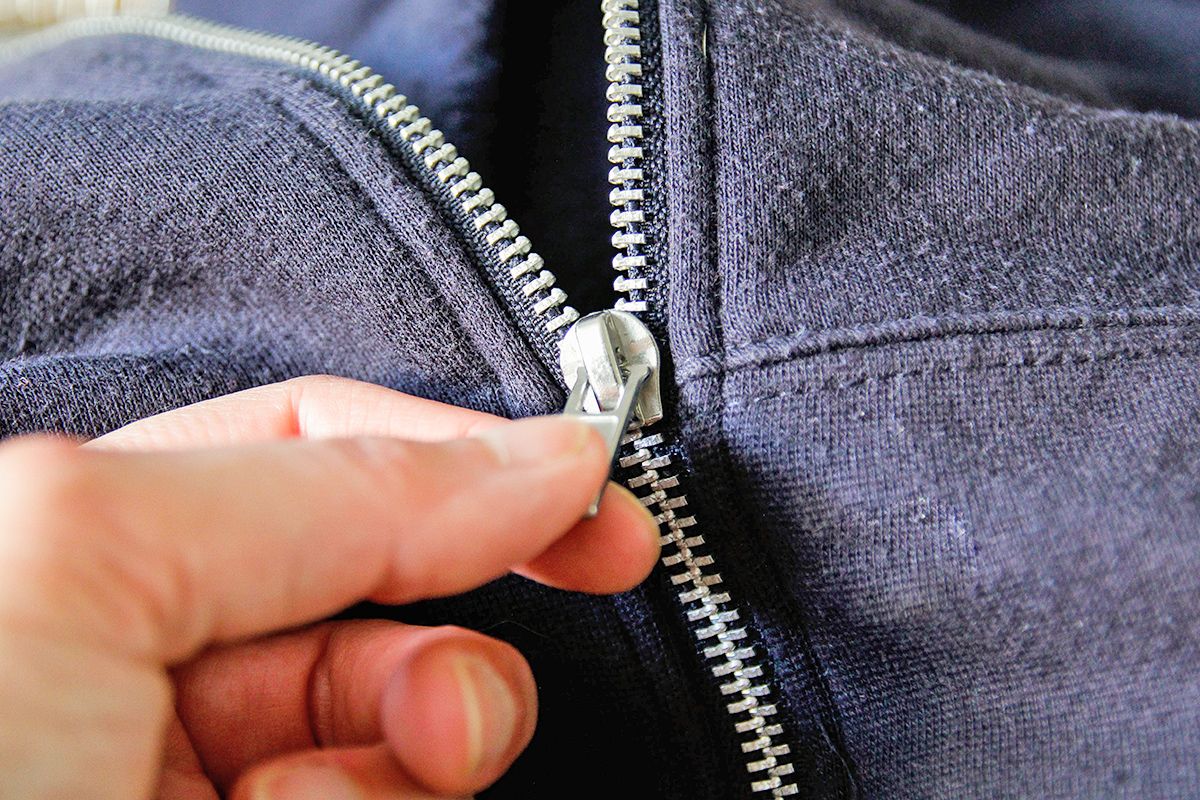
For example, you can use dish soap to lubricate a stuck zipper — simply rub the liquid on the teeth and work the zipper back and forth until it releases. You can also quiet a squeaky door hinge with a few drops of dish soap or use the rest of your expired bottle to make a DIY ice pack.
If you can’t get rid of the rest of the bottle with alternative uses, disposing of dish soap is usually easy. The American Cleaning Institute says you can pour water-soluble cleaning products such as dish soap down the drain with running water so long as the label doesn’t note special disposal instructions. Empty containers can be recycled or thrown in the household trash.
Featured Image Credit: © Nattakorn/stock.adobe.com
More From Our Network
Better Report is part of Inbox Studio, an email-first media company. *Indicates a third-party property.






With a nursing background and a passion for making health information accessible, Monica Romano brings a unique clinical perspective to her freelance writing. Based in the Pacific Northwest, she covers health, wellness, and everyday living with warmth and authority. Her work is featured in Woman's World magazine and across top health and wellness platforms.
This article is for general informational purposes only.
Affiliate Disclaimer Medical Disclaimer Financial Disclaimer