Is Cottage Cheese Actually Good for You?

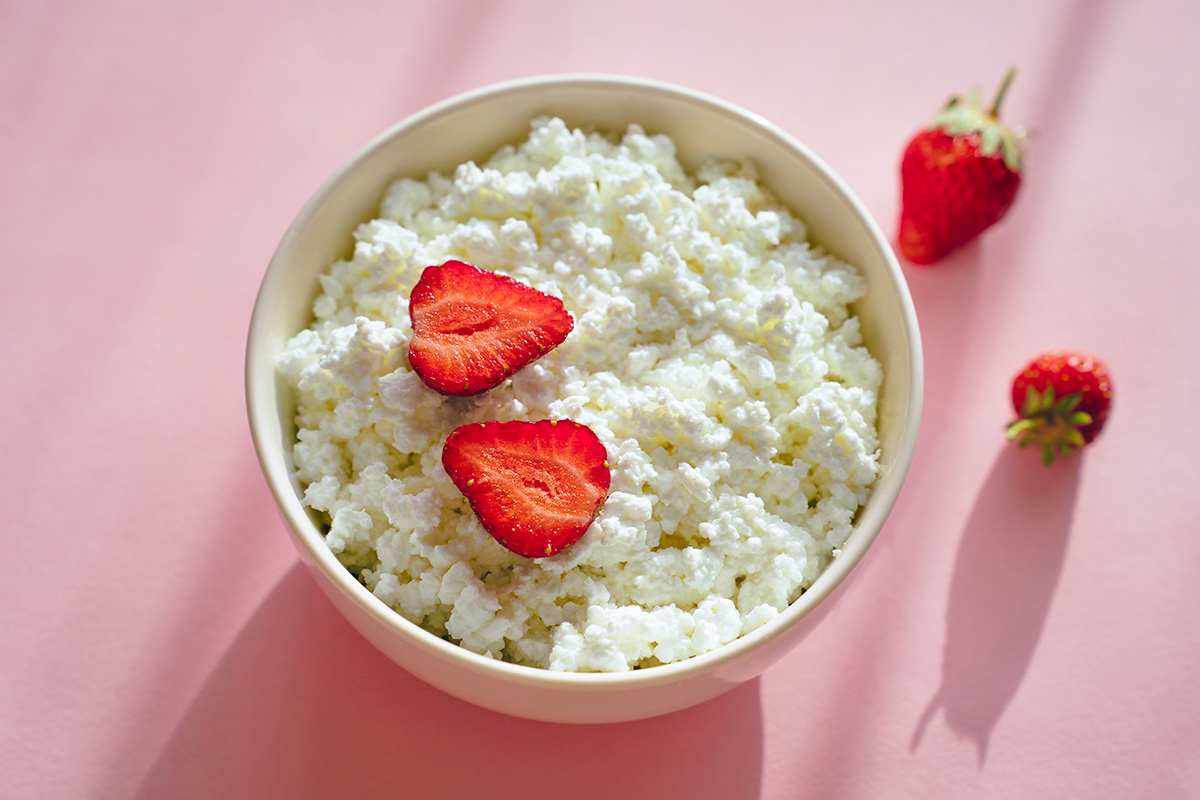
Cottage cheese is having a moment. Fitness and health influencers are using it in just about everything. Sales topped $2 billion in 2025, and cottage cheese-seeking shoppers are frequently finding empty shelves due to a shortage.
Not bad for something that until relatively recently was considered “old people food.”
According to Vanessa Imus, registered dietitian nutritionist and owner of Integrated Nutrition for Weight Loss, cottage cheese’s first health fad occurred from the 1950s through the 1970s, thanks to the fact that it was “inexpensive, low in calories, and high in protein.” People ate it plain, topped it with canned fruits, or used it as a veggie dip. “But not everyone enjoys the texture or flavor of plain cottage cheese,” she explains, “and for years, it lost its popularity.”
These days, though, it’s back in the spotlight, and Imus gives full credit for that to chefs, fitness influencers, and health creators on social media. “They’ve not only highlighted its nutritional benefits, but also shown people entirely new ways to enjoy it,” she says. “People have been excited to try it blended into ice cream, added to pancake recipes, mixed into pasta sauces, and used in countless other creative ways. This culinary diversity combined with a strong push for more protein has helped revive the popularity of cottage cheese with a whole new generation.”
Social media popularity is one thing. But is cottage cheese actually good for you? Let’s investigate.
The Health Benefits of Cottage Cheese

It’s High in Protein
One of the most well-known benefits of cottage cheese is its high protein content: Depending on the brand and fat content, a 5.3-ounce serving can have as much as 20 grams. “My busy clients love it because it doesn’t require any prep — you can just open it up and enjoy it as is, which makes for an easy way to fill those protein gaps,” Imus says.
Cottage cheese contains about 80% casein protein (which creates the curds that give cottage cheese its lumpy texture). This specific type of protein takes longer to digest, which helps you remain full longer. It also contains nine essential amino acids — the building blocks of proteins that help your body function — that we can’t make on our own. Amino acids can maintain and build muscle, improve energy, boost your immune system, and help you get better sleep. Because of how long it takes to digest casein, you get a prolonged release of amino acids.

Reader Favorites



It’s a Good Source of Calcium and Phosphorus
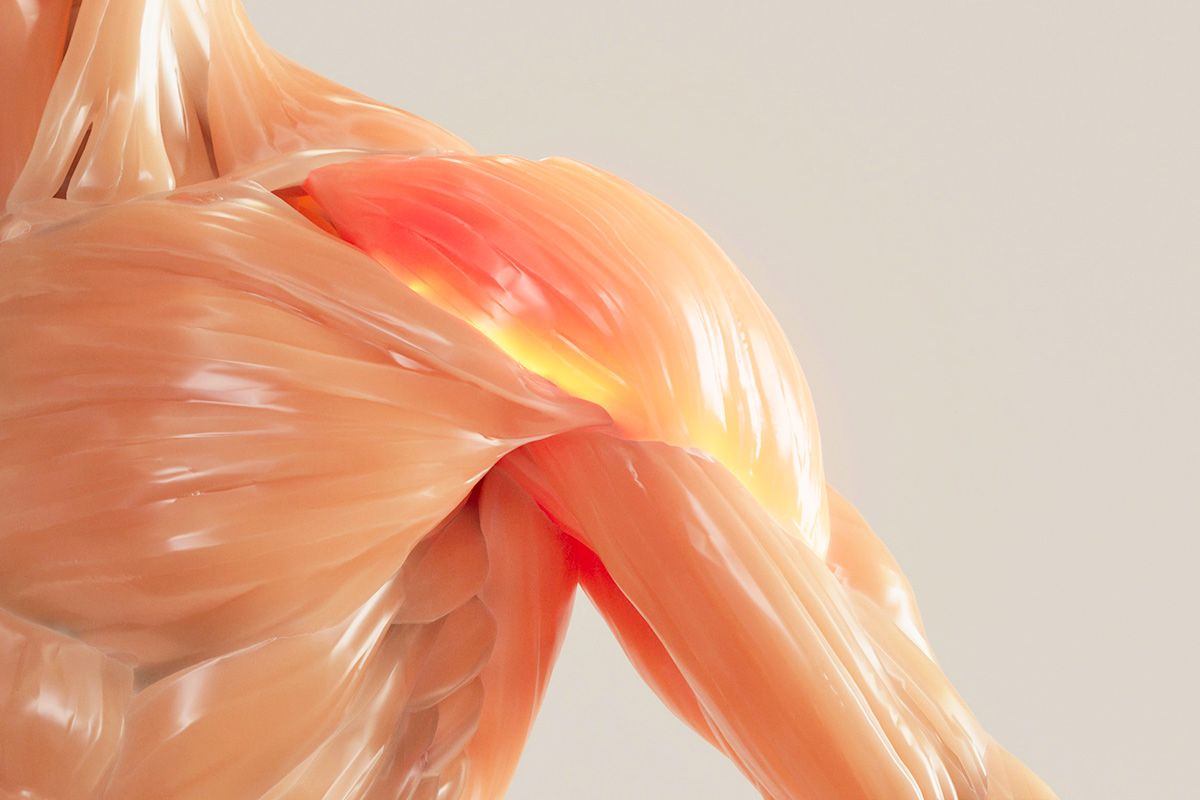
Cottage cheese is also a good source of calcium and phosphorus, nutrients that can help “build and maintain strong bones,” Imus says. And that’s not all they do: Phosphorus helps regulate your nerve and muscle function, and it’s better absorbed by the body when it comes from an animal protein versus a plant-based one. And research has also suggested that increasing calcium intake, when combined with calorie restriction, can help with weight loss goals.
It Can Improve Gut Health
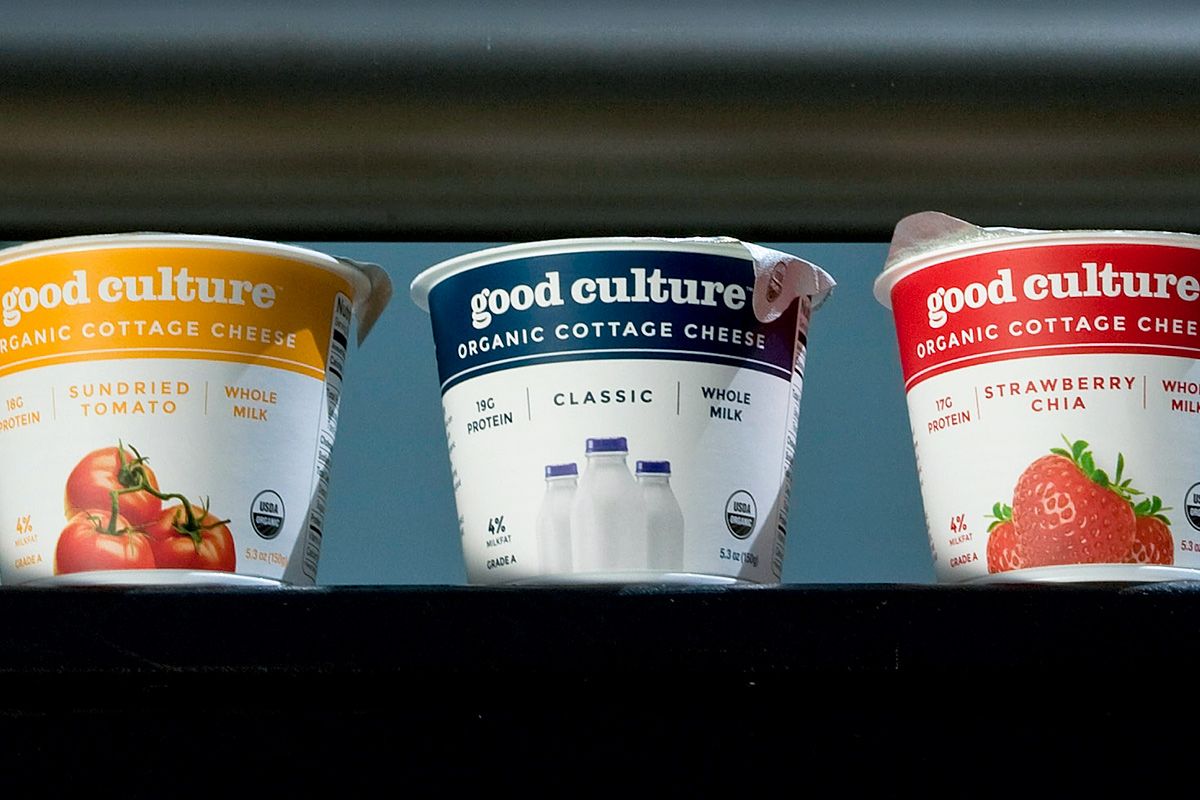
Certain brands of cottage cheese, such as Nancy’s Cottage Cheese or Good Culture, come with the added benefit of live cultures. “These beneficial bacteria help improve gut health, which can support digestion, absorption, immune function, and more,” Imus says. However, not all cottage cheese brands contain live cultures, so if you know you want them, make sure to check the ingredients list or packaging description for “live and active cultures.”
What To Watch for in Cottage Cheese
Despite the many benefits of cottage cheese, there are some not-so-great things about it that you should keep in mind when incorporating it into your diet.
It’s High in Saturated Fat
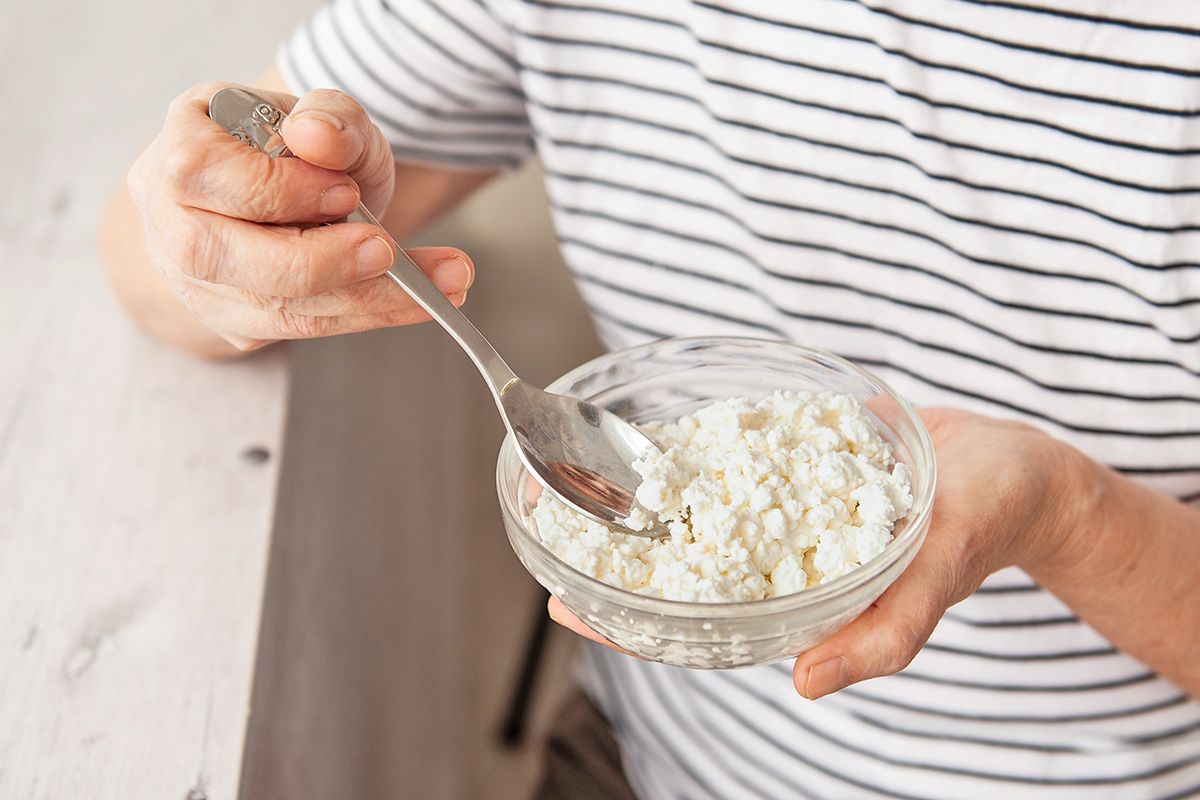
“If you prefer the whole-milk, full-fat variety of cottage cheese, you’ll want to be cautious with how much you’re consuming daily in order to limit your saturated fat intake,” Imus says. Instead, she recommends opting for low-fat or 2% cottage cheese, which “still include some fat for better taste, texture, and fat-soluble vitamin absorption.”
It Has a Lot of Sodium
Cottage cheese is also high in sodium, reaching about 500 milligrams per serving. At that level, you’re looking at “nearly a quarter of your daily (2,300 mg/day) sodium budget,” Imus warns. And some brands can go even higher. So be sure to keep an eye on the sodium levels as you choose your cottage cheese.
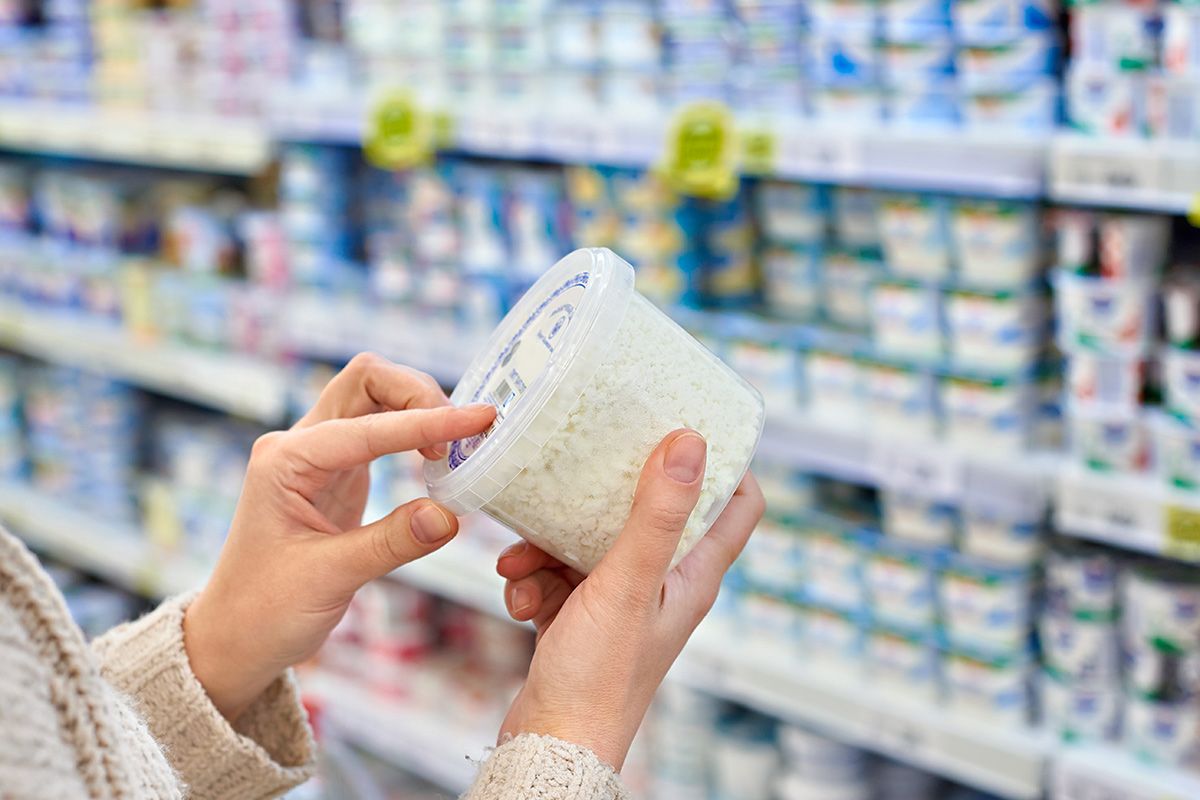
How To Pick the Right Cottage Cheese
So, you’ve decided to incorporate cottage cheese into your diet. How do you know which to choose? Here’s what to know about each option:
Fat Content: Cottage cheese comes in fat-free, low-fat, and full-fat (which is usually about 4% fat content) varieties. Opting for 1% to 2% selections will get you the nutrient absorption Imus mentioned as well as more grams of protein without going overboard on saturated fat.
Large or Small Curds: This is a matter of personal preference — the size of the curds doesn’t affect nutrition levels. Large curds give cottage cheese a heartier texture, while small-curd cottage cheese is less lumpy.
Probiotic: Cottage cheese noted as being probiotic or listing live and active cultures in the ingredients can benefit your gut health.
Lactose-Free: If you’re lactose intolerant, your body may not be able to handle dairy-based cottage cheese. You can incorporate lactose-free selections to enjoy the benefits of cottage cheese without unpleasant side effects.
Simple Ingredients: The best cottage cheeses will have simple ingredients such as milk, cream, and salt. You may want to steer clear of ones with additives like thickening agents, which indicate that it’s more processed. And whenever possible, avoid those made with added sugars and syrups.
Featured Image Credit: © Anna Blazhuk—Moment/Getty Images
More From Our Network
Better Report is part of Inbox Studio, an email-first media company. *Indicates a third-party property.







Based in Portland, Oregon, Nicole Pyles is an experienced freelance writer who writes about home and kitchen, health and wellness, and more. She's written for a variety of outlets, including Better Homes and Gardens, Tom's Guide, Better Report, and more.
This article is for general informational purposes only.
Affiliate Disclaimer Medical Disclaimer Financial Disclaimer