Why You Should Never Put Your Utility Bills on Autopay

If given the choice between making one-time payments for all of their utilities every month or having those bills taken care of via autopay, many are likely to choose the latter option. That way, they never have to worry about missing a payment deadline, or fork over any late fees that may be associated with that.
But for all the time-saving and convenience that autopay affords, it isn’t always the best option. Here’s a look at the reasons to forgo autopay and why you should pore over utility bills before paying them.
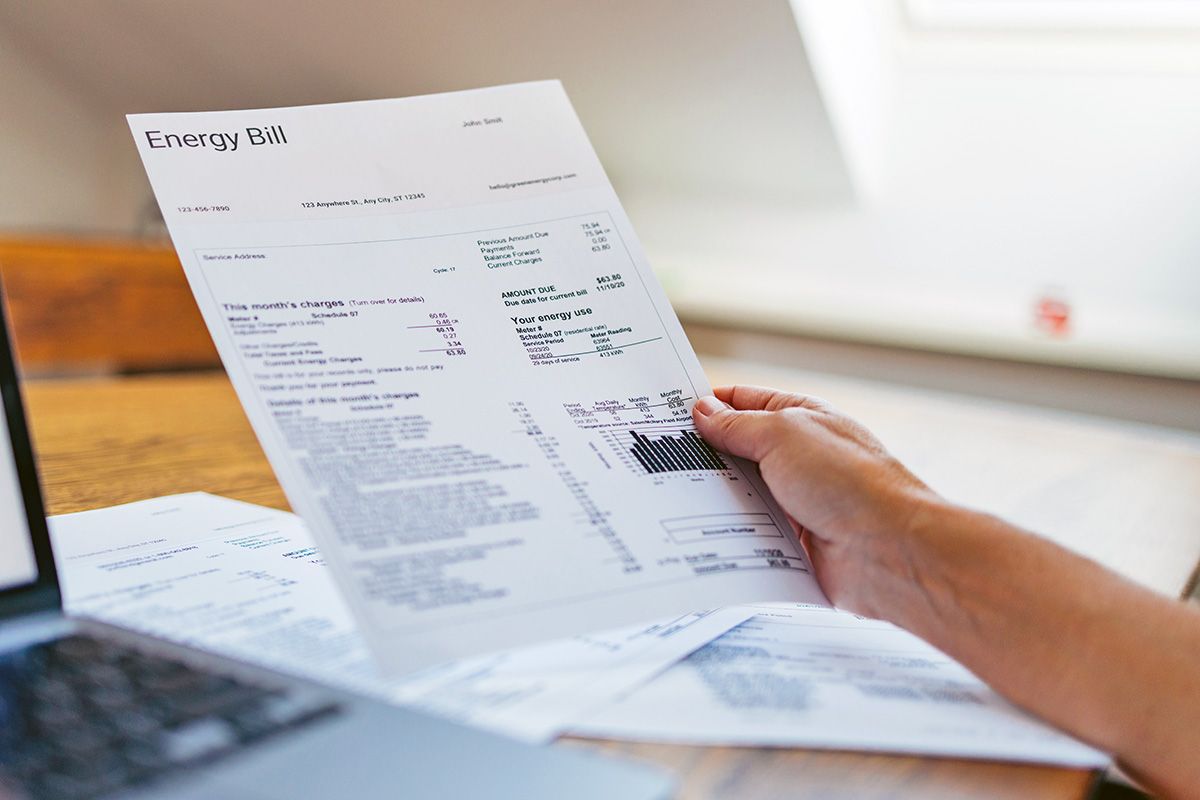
The Problems With Autopay
There are a few reasons to avoid using autopay for bills related to water, electricity, gas, and other utilities, but they all come down to the same overarching concern: spending more money than you need to. If you opt into autopay, you’re giving utility companies the right to take the full amount necessary to pay off your bills, even if it’s unexpectedly higher than usual. By the time you notice something is awry, that money may be difficult, if not impossible, to recoup.
Fluctuating Costs
Monthly utility bills can vary wildly because total cost fluctuates based on usage and other factors. So if, for instance, you run your heater more often during an unseasonably cold month, the total cost of your bill will likely be higher than in the previous month. And if you have your bill set to autopay, you may not notice that spike in cost until it’s taken from your bank account.
That could be an issue if you have limited funds in your account, which can then end up overdrawn. If you opt out of autopay, it gives you a chance to inspect the bill before paying it, and to move around cash if necessary so you don’t incur overdraft penalties.

Reader Favorites




Surcharges and Hidden Fees
Another concern is that utility providers may slip in surcharges and hidden fees that inflate the bill. Often these charges take the form of line items that have to do with service improvements, operational expenses, or other fees. In some cases these charges are legit, but critics of the practice say it’s more about ensuring that utility companies can turn a profit.
A 2012 AARP study found an increase in surcharges, noting that “besides increased costs to consumers, surcharges can also result in such additional undesirable consequences as reducing utility incentives to control costs and shifting utility business risks away from investors and onto customers.” In 2019, Consumer Reports surveyed more than 2,000 people and found that “at least 85 percent of Americans have encountered an unexpected or hidden fee over the past two years for a service they had used …. And two-thirds of them say they are paying more now in surprise charges than they did five years ago.”
So, you should always check your bill before paying to see if any unfamiliar fees are present. If anything seems amiss, contact your utility provider for an explanation. In the worst-case scenario, they explain the reason for the fees and you have to pay them; in the best-case scenario, the charges may be waived.
Billing Errors
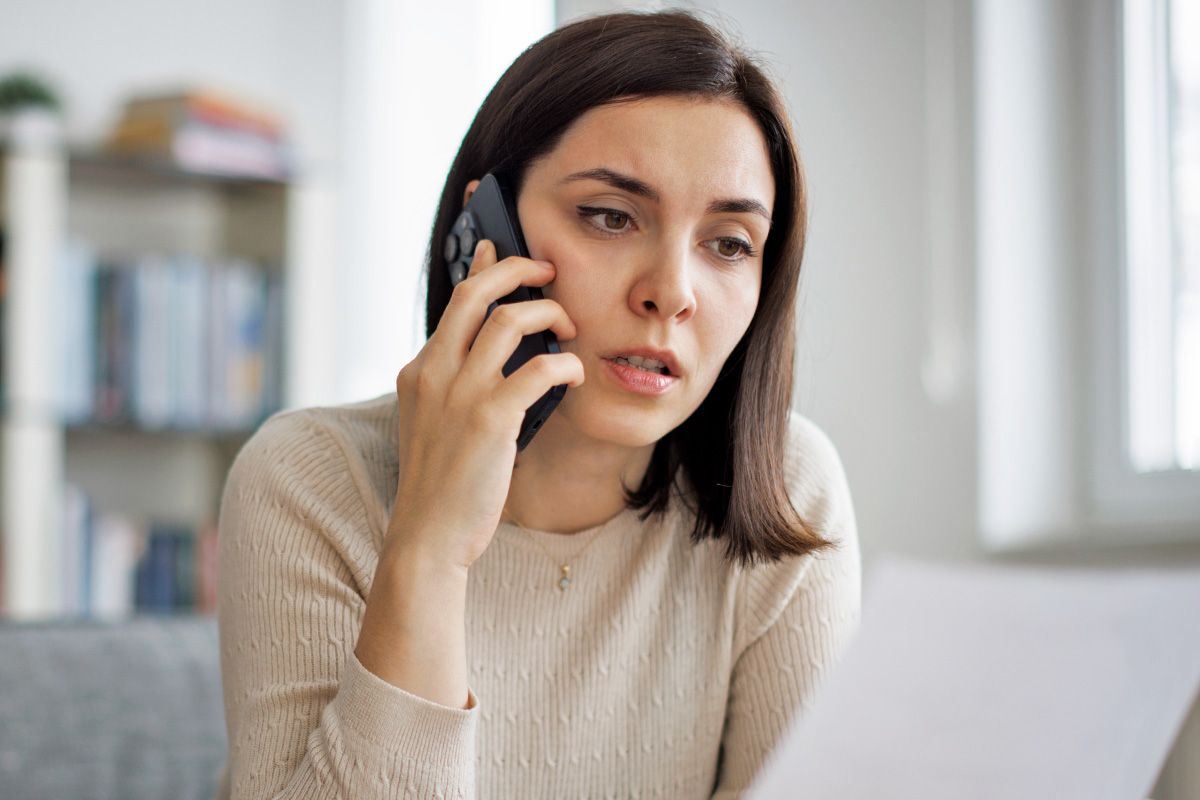
Another issue to be aware of is the potential for billing errors, which are more common than utility providers care to admit. Whether it’s a misread meter, a duplicate charge, or a classification problem , billing errors do happen and may result in charges that you shouldn’t have to pay. If your bill is set to autopay, it’s likely you wouldn’t notice a billing mistake until you’d lost a lot of money, and a statute of limitations may prevent you from getting back what you paid in error. But by closely examining your bill before paying it, you can note any errant charges and then contact the utility company to have the problem remedied.
Why It Pays To Review Your Bill
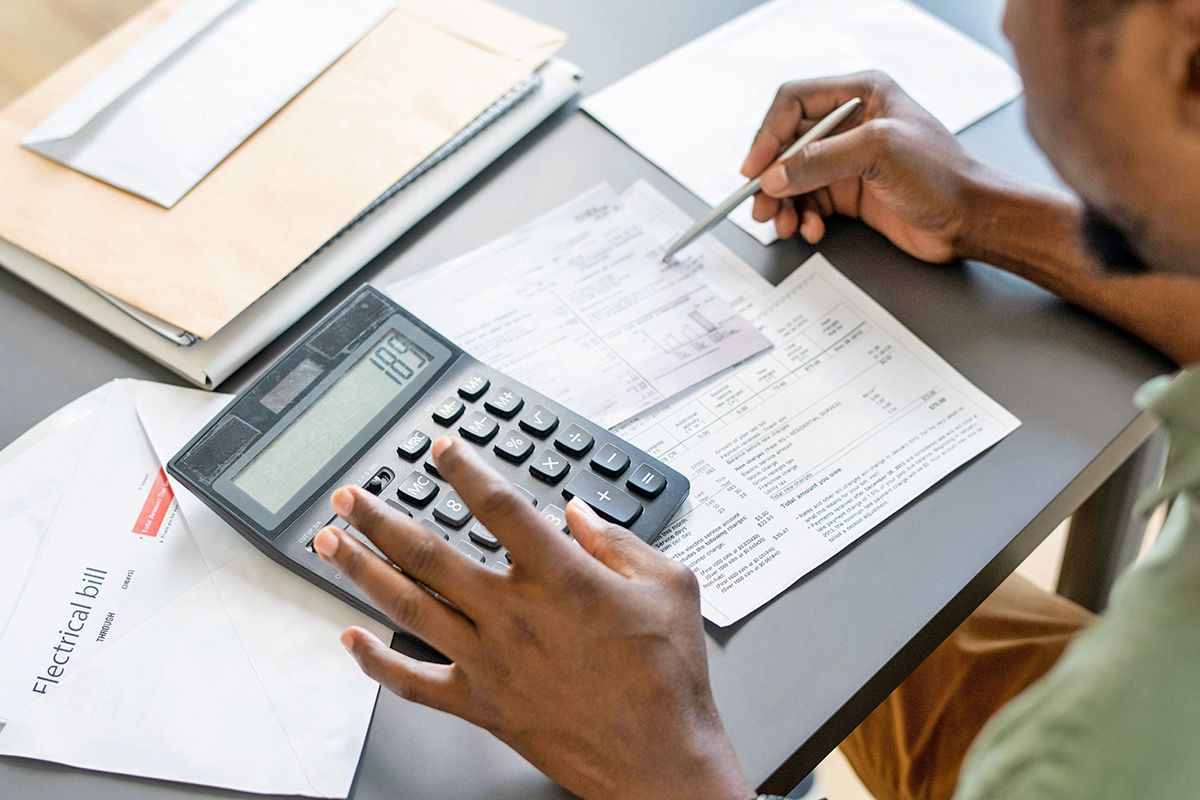
Feel free to use autopay for bills that remain the same every month, but for those that fluctuate, it’s best to opt out. Taking five minutes per month to scan over your utility bills not only can ensure you’re paying only what’s necessary, but also may reveal issues in your home you wouldn’t have been aware of otherwise. (A larger-than-normal water bill, for example, could indicate a small leak in your home that would cause expensive damage if left unaddressed.) Usage spikes, new fees, and billing errors are the three main factors to look out for, though you should keep an eye open for any other unusual charges as well, and contact your utility provider with any concerns.
Featured Image Credit: © Dimensions—E+/Getty Images
More From Our Network
Better Report is part of Inbox Studio, an email-first media company. *Indicates a third-party property.





Bennett Kleinman is a New York City-based staff writer for Inbox Studio. He is also a freelance comedy writer, devoted New York Yankees and New Jersey Devils fan, and thinks plain seltzer is the best drink ever invented.
This article is for general informational purposes only.
Affiliate Disclaimer Medical Disclaimer Financial Disclaimer