Is It Safe To Drink a Glass of Water That Sat Out Overnight?

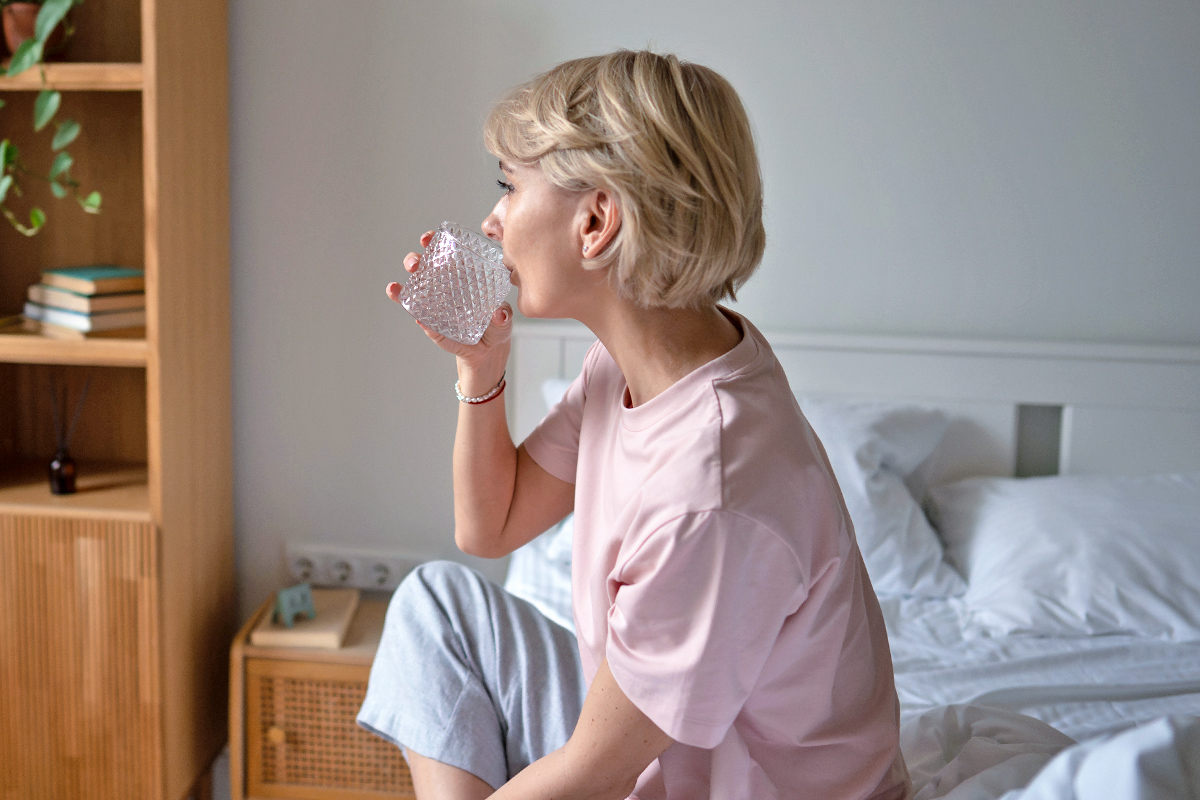
A lot of people pour themselves a glass of water before heading to bed, but not everyone finishes their drink before conking out. When you wake up, you may reach for a sip, but is it safe to drink that water that’s been sitting out all night? Or is that late-night beverage now something you should pour down the drain?
The short answer is that plain drinking water left out overnight is generally safe. But there are a few reasons you might want to think twice before taking that next sip.
Why Your Water Tastes Stale
Your glass of water won’t suddenly go bad after it sits out all night long. But it probably won’t taste as good as it did the night before. That’s because utility companies treat tap water with low levels of a disinfectant such as chlorine to destroy deadly pathogens that would otherwise make us sick. As your glass of water sits out, the chlorine dissipates. At the same time, tiny bits of carbon dioxide and other gases dissolve into the water, which start to change the taste.
Microorganisms like bacteria also play a role, particularly when water has been sitting out for a few days. Even treated tap water has microbes, and they’re also in the cup, in the air — and on you. When you take a drink, microorganisms from your saliva get into the water, too, and they can multiply depending on factors like how clean the water and glass are. And if your glass doesn’t have a lid, it’s exposed to dust, dander, and airborne particles (not to mention things like insects). All of that gets into your water, and all of it contributes to that stale taste.

Reader Favorites



Temperatures may also affect the chemical properties in that glass of water. Most current research, however, examines bottled water, including a 2021 study published in Applied Water Science. The results confirm that a rise in temperature alters the physical and chemical properties of bottled water, including pH, fluoride, and chloride.
A separate analysis of 11 tap waters reported that participants noticed room-temperature water had a much more mineral taste when compared to cold water. That means warmer water can make minerals taste more obvious, and temperature affects how we judge the water’s taste.
Signs You Should Toss Your Water
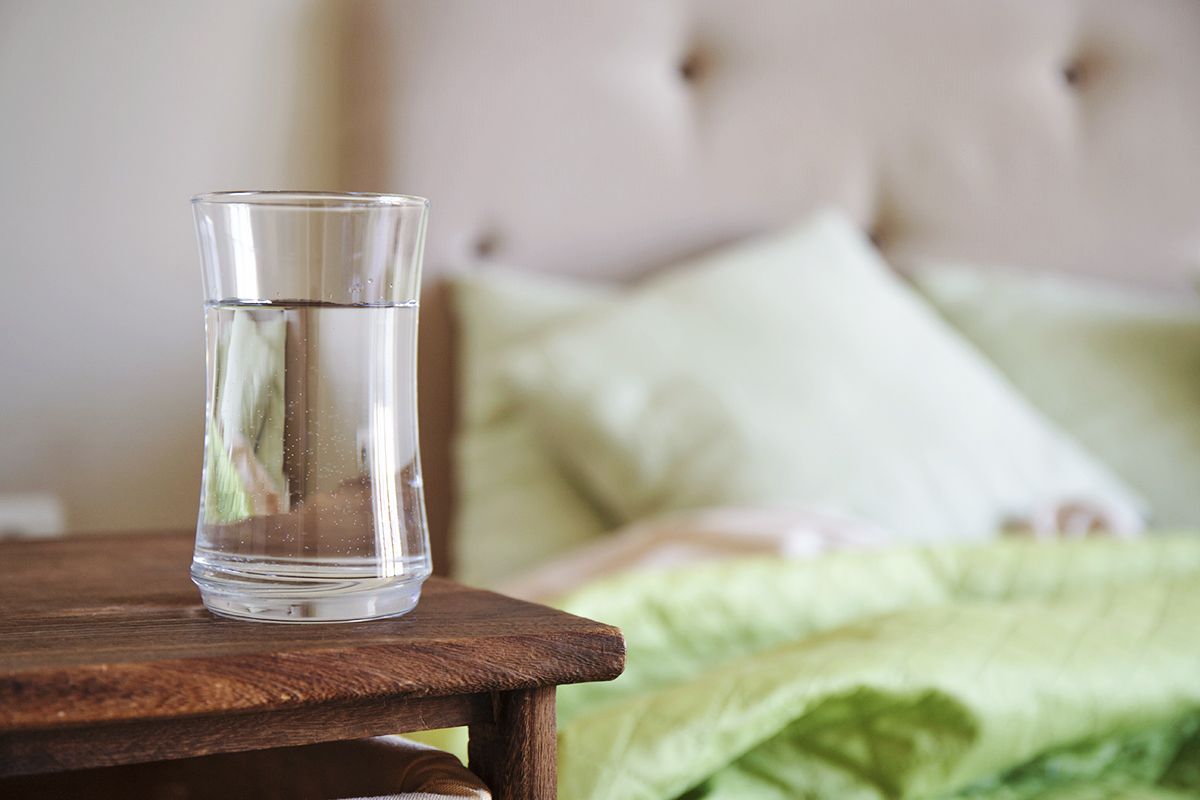
None of this is to say drinking that day-old glass of water is dangerous — your risk of getting sick is pretty low. In fact, according to Healthline, “Tap water can be stored and consumed for up to [six] months with minimal risk of adverse side effects as long as it has been stored properly.” (Bottled water typically has an expiration date, and though that’s more about quality than safety, it’s not a good idea to drink water that’s well beyond that date, as plastics from the bottle may leach into it.)
For the safest sip, always use a clean glass and cover it when possible. And if the water looks cloudy, smells off, or has visible particles, definitely don’t drink it. Keep in mind, though, that you can’t always see or smell harmful contaminants. So, if your water sat out overnight, it’s probably safest to pour it down the drain and get a new, fresh glass. It will absolutely taste better.
Featured Image Credit: © DimaBerlin/stock.adobe.com
More From Our Network
Better Report is part of Inbox Studio, an email-first media company. *Indicates a third-party property.



Sarah Gleim is an Atlanta-based freelancer with more than 25 years of experience writing and producing explainers and features about history, science, food, and health for media outlets like AARP, WebMD, The Conversation, History.com, HowStuffWorks, CNN, and others. She’s also the editor of several cookbooks for Southern Living and Cooking Light.
This article is for general informational purposes only.
Affiliate Disclaimer Medical Disclaimer Financial Disclaimer