How To Spot a Fake Amazon Review

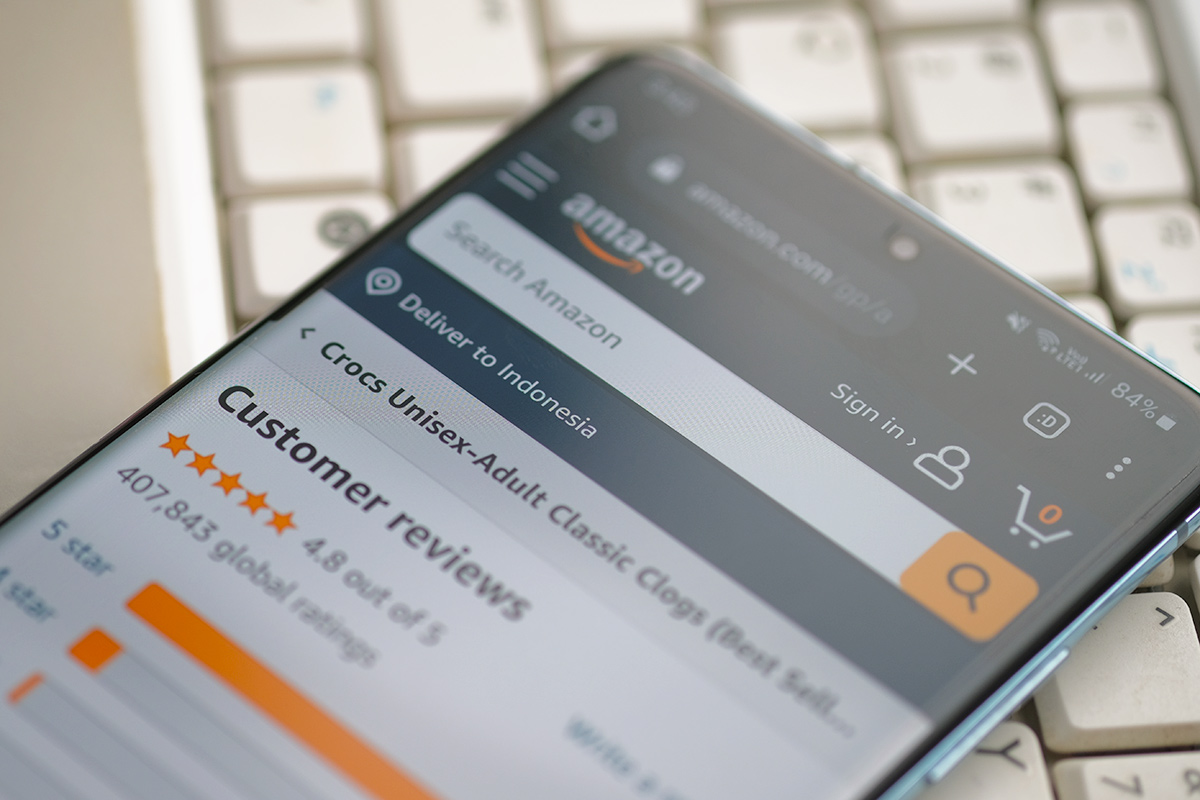
Shopping online can sometimes feel like flying blind. With a dizzying selection of products to choose from, it’s not always easy to know which ones are worth your money — especially when you’re shopping for someone whose tastes don’t necessarily align with your own (think: grandkids). For many people, that’s often where customer reviews come in.
While feedback from fellow shoppers can be incredibly helpful, not every glowing five-star review is as trustworthy as it seems. Some are fake, paid for, or otherwise manipulated to make a product seem better than it really is. Fortunately, there are a few telltale signs that can help you separate genuine feedback from fiction on Amazon and other e-commerce websites.
The Reviews Sound Too Good To Be True
There’s nothing wrong with a product earning a five-star rating — really, that’s what you’re hoping to find. But when nearly every reviewer makes an inexpensive gadget sound like a life-changing discovery, it’s worth taking a closer look.
Fake reviews are often designed to boost a product’s overall rating and make it appear more popular than it actually is. They can also sound more like advertisements than personal experiences. Watch for vague praise such as “Amazing product!” or “Excellent quality!” without any explanation of what makes the item so wonderful.
Another warning sign? Multiple reviews that use nearly identical wording. As Reviewed has reported, suspiciously similar language can be a clue that reviews aren’t entirely independent.
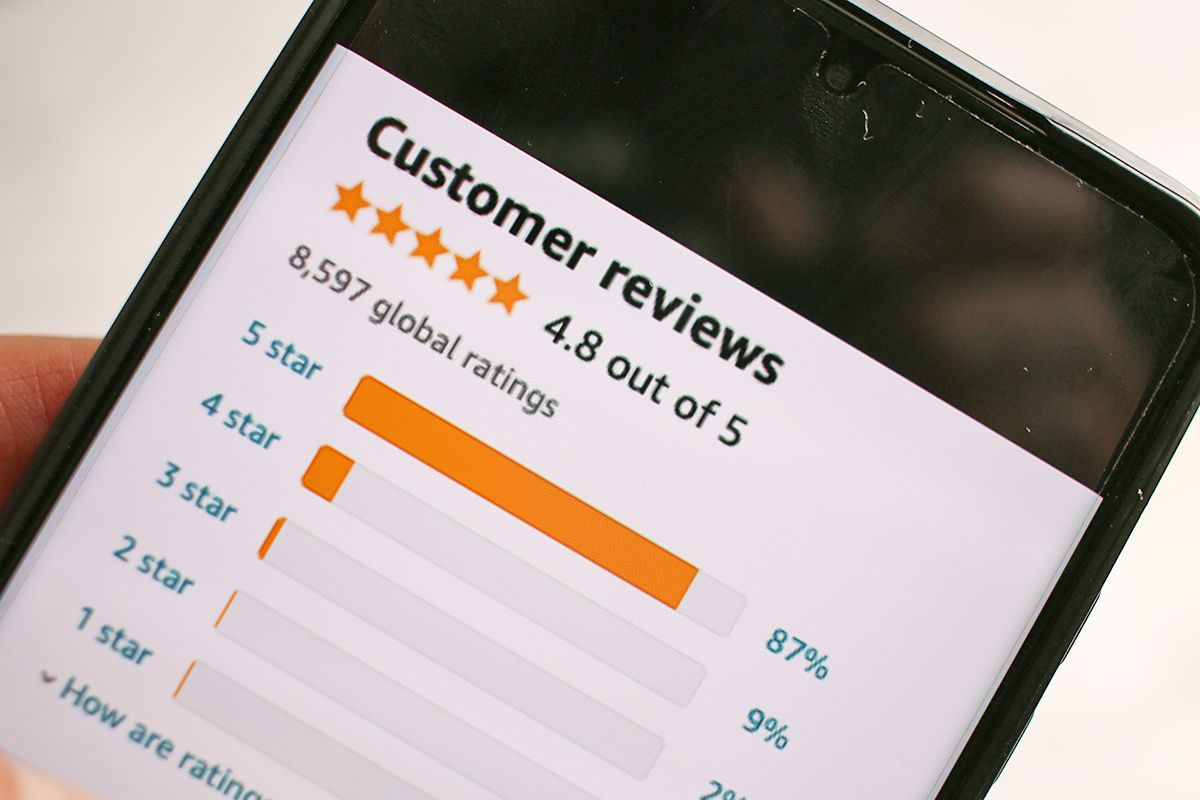
That’s why it’s worth looking beyond the overall star rating. Scroll down and read a few of the less enthusiastic reviews. Two-, three-, and four-star reviews can offer a more balanced perspective, including details about a product’s shortcomings that five-star reviewers might overlook. Just remember that no star rating is a guarantee of authenticity.
You shouldn’t necessarily trust negative reviews, either. WIRED reports that some sellers take the opposite approach, paying people to post negative reviews of competing products. These typically take the form of one-star ratings that exaggerate a product’s shortcomings, sometimes while conveniently recommending a different brand. So even a scathing review deserves a little skepticism, particularly if it seems more interested in steering you toward another product than evaluating the one at hand.

Reader Favorites




A Bunch of Five-Star Reviews Appeared at Once
The timing of a glowing review can be just as revealing as its wording. If a product has dozens of five-star ratings posted within a day or two of each other, particularly shortly after its launch, consider that a potential red flag. (To see when a product was added, search the page for “Date First Available.” Not all listings have this information, however, and you may need to log out of your account to see it.)
Sellers looking to boost their ratings may arrange for multiple positive reviews to appear within a short period. A sudden burst of praise followed by weeks or months of relative silence can be especially telling.
Instead of simply looking at Amazon’s featured reviews, sort them by “Most Recent” to get a better sense of when customers posted their feedback. A steady stream of reviews over time is generally more reassuring than a sudden avalanche of perfect scores.

The Reviewer Has a Questionable Track Record
Sometimes the best way to evaluate a review is to investigate the person who wrote it. As ABC7 New York notes, examining a reviewer’s history is one way to help identify potentially misleading feedback. Clicking on a reviewer’s name may let you see their public profile and previous reviews, depending on what information they’ve made available. A single enthusiastic review isn’t necessarily suspicious, but a reviewer who has rated dozens of unrelated products in a short period — and given every one five stars — may deserve a little extra scrutiny.
The Reviews Don’t Match the Product
Imagine shopping for a phone case and discovering that several reviewers are raving about a completely different accessory. It might seem like a harmless mix-up, or maybe a technical glitch, but it could also indicate something more concerning.
One way sellers manipulate Amazon product listings to make an item appear more popular is known as “review hijacking,” which involves exploiting Amazon’s system for grouping similar products together or repurposing an existing listing with positive reviews. As a result, reviews originally written for one product may end up attached to a completely different item, artificially inflating its overall rating. That means those impressive five-star reviews might have nothing to do with the product you’re considering.
Before buying, make sure the reviews you’re reading actually apply to the specific product, model, size, or variation in your cart. If a listing offers multiple options, use Amazon’s review filters to narrow the feedback to the version you want.
A “Verified Purchase” Badge Doesn’t Guarantee an Honest Review
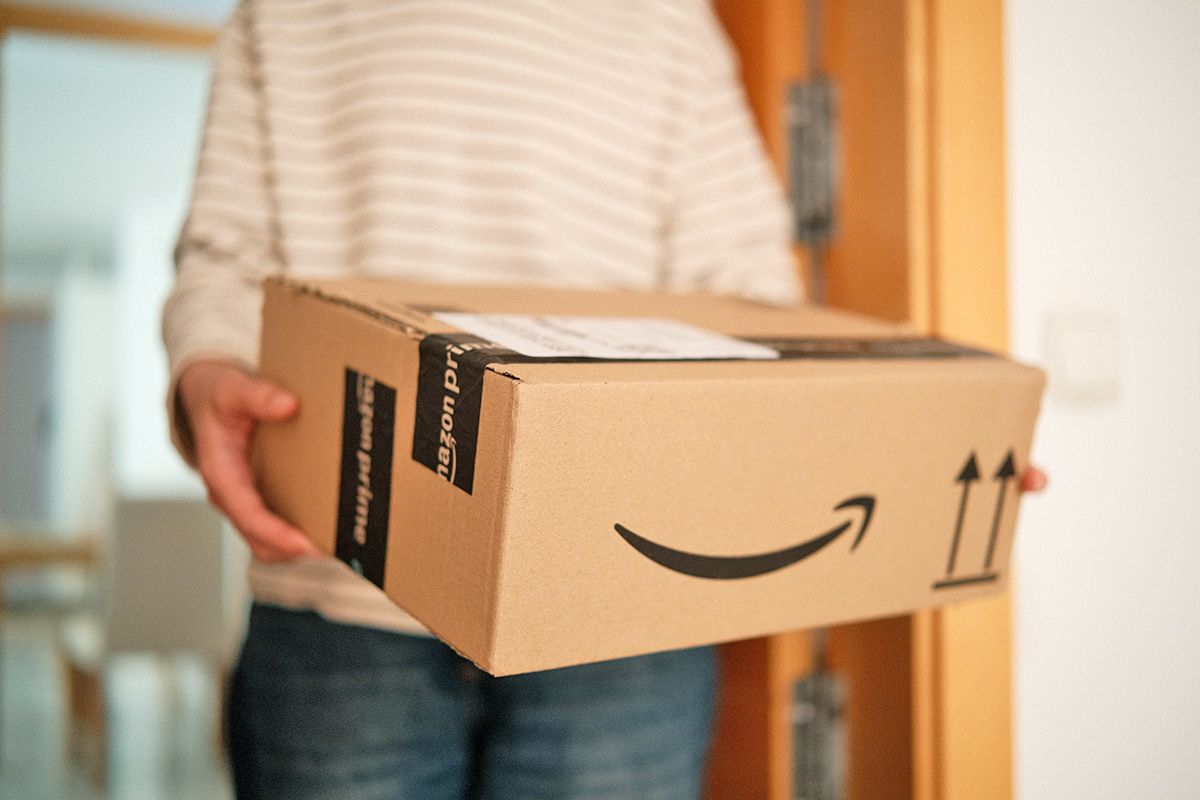
Amazon’s “Verified Purchase” label can provide some reassurance that a reviewer actually bought the item through the platform, but it isn’t a guarantee that the review is honest.
Some sellers have found ways to manipulate the system by reimbursing customers for purchases or offering other incentives in exchange for positive feedback. That means someone can technically purchase a product and still leave a misleading review.
There’s also Amazon’s Vine program, which provides selected reviewers with free products in exchange for honest feedback. These reviews are labeled, but receiving a free product doesn’t automatically make someone’s opinion unreliable.
The takeaway? Consider badges and labels useful pieces of information, but don’t treat them as substitutes for reading the review itself.
The Product Seems To Exist Only on Amazon
If a product has thousands of rave reviews but practically no online presence beyond its Amazon listing, it’s worth doing a little outside research.
Search for the brand’s official website, look for independent product reviews, and see whether customers have discussed the item on other platforms. YouTube demonstrations can be particularly helpful for products where seeing something in action matters more than reading a description.
This doesn’t mean every unfamiliar brand is suspicious, of course; plenty of smaller companies sell perfectly good products. But if you can’t find any independent information to back up those impressive Amazon ratings, you may want to think twice before making a purchase.

Can a Website Help You Spot Fake Reviews?
If manually investigating reviews is starting to make a generic gift card sound like an increasingly appealing option, there are tools designed to help.
For years, shoppers relied on services such as Fakespot and ReviewMeta to analyze Amazon reviews for suspicious patterns. But Fakespot shut down in July 2025, and ReviewMeta has also become unavailable.
Newer options, including FakeFind, claim to use artificial intelligence to analyze reviews and assess their authenticity. But these tools aren’t foolproof. Even a suspicious-looking review might be genuine, and increasingly sophisticated fake reviews — including those created by AI — can slip past automated detection.
The best strategy is to combine a little skepticism with a few minutes of research. Check the language, look at the timing, read some middle-of-the-road reviews, check out the photos (paying close attention to weird glitches that indicate it may have been created by AI), and investigate anything that seems off. After all, a rave review is useful only if you can trust the person who gave it.
Featured Image Credit: © wisely/Shutterstock
More From Our Network
Better Report is part of Inbox Studio, an email-first media company. *Indicates a third-party property.






Jennifer M. Wood has been writing about news, entertainment, culture, and travel for longer than she cares to admit. She lives just outside Philadelphia with her husband and an ever-growing menagerie of rescue pets.
This article is for general informational purposes only.
Affiliate Disclaimer Medical Disclaimer Financial Disclaimer