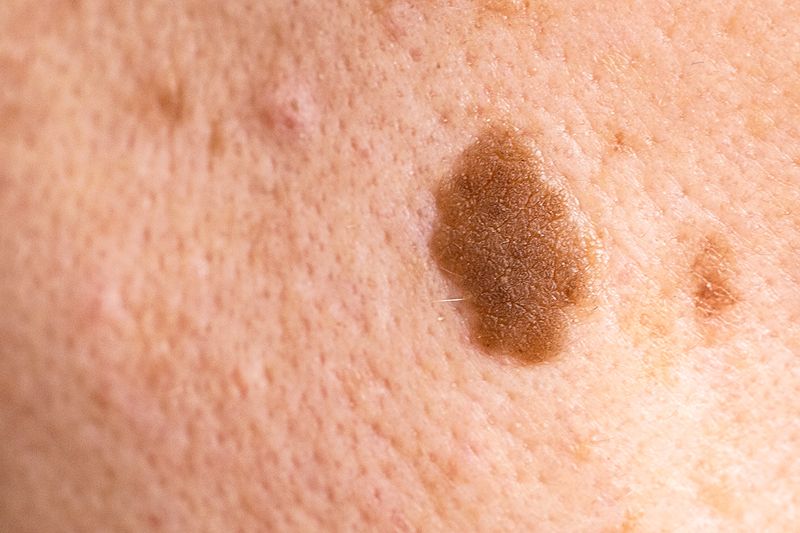
A Warning Sign for Heart Attack and Stroke Could Show Up on Your Face

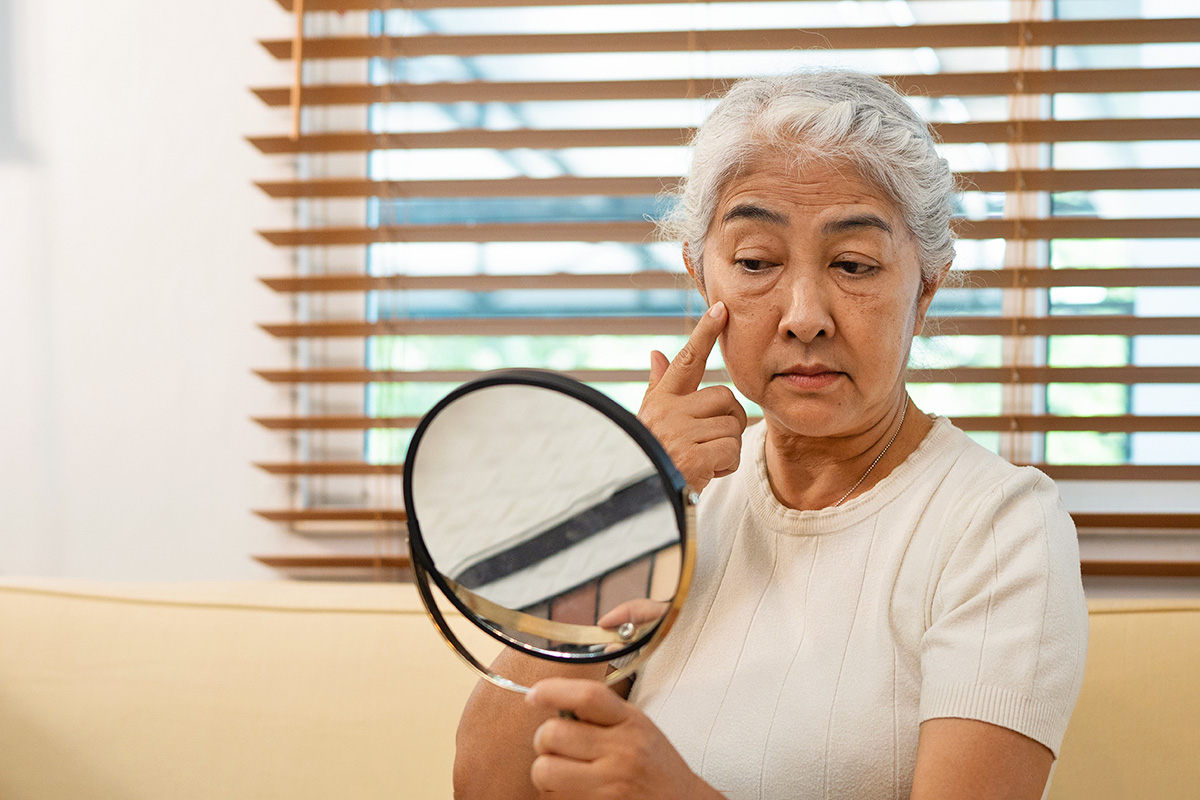
Sometimes, your body may try to tell you something in a pretty bizarre fashion. A fold of the earlobe known as Frank’s sign, for example, has been associated with a greater risk of cardiovascular disease, though scientists aren’t quite sure how they’re connected. Now, a new study in the journal Atherosclerosis reports that another seemingly innocuous condition may be a marker for a higher risk of heart attack and stroke — and this one appears on your face. Let’s take a look at this unusual link.
Early Warning Sign
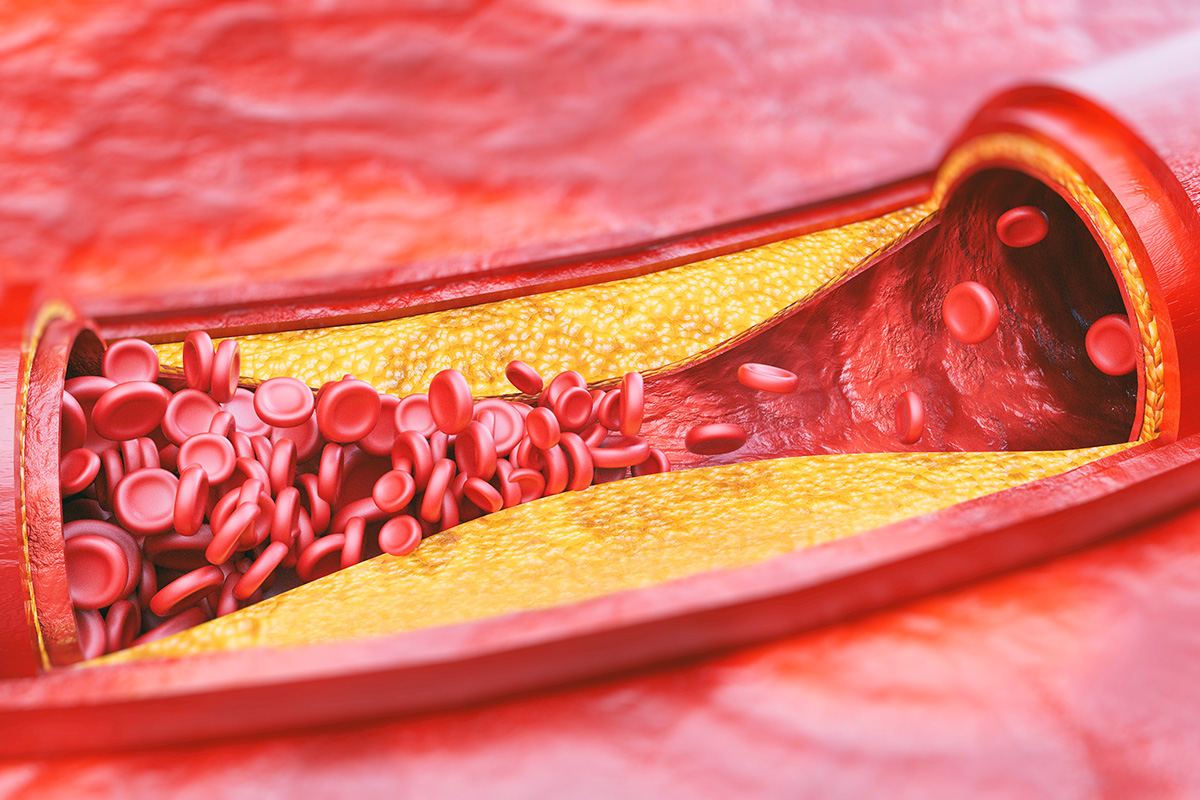
In the U.S., more than half of middle-aged and older men, and a third of women in the same age range, are estimated to have atherosclerosis: a buildup of fats, cholesterol, and other gunk (collectively known as plaque) in the arteries. The plaques can clump together and stiffen arteries over time, limiting blood flow throughout the body. It’s a leading cause of vascular disease around the world. But many people don’t realize they have it until it becomes serious and results in coronary heart disease, peripheral arterial disease, heart attack, or stroke. That makes early diagnosis of atherosclerosis important — and the presence of xanthelasma palpebrarum (XP) on the face may be one helpful warning sign.
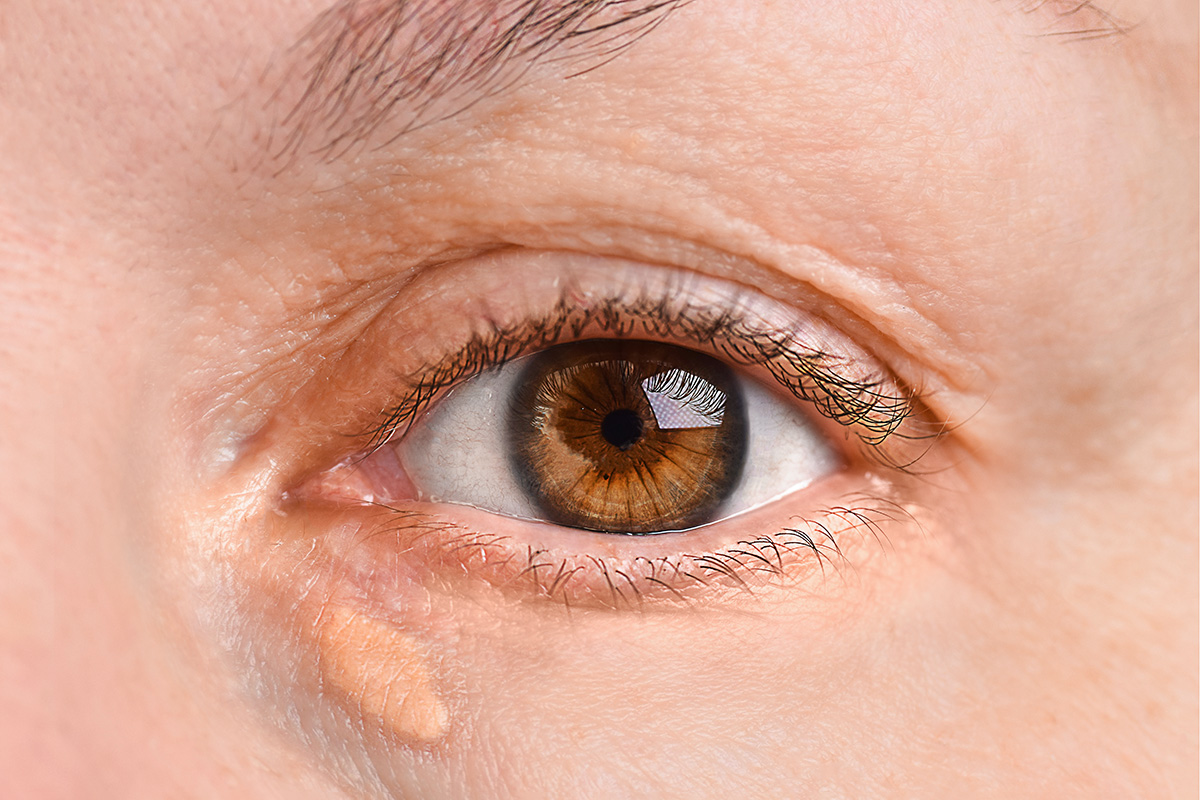
XP manifests as puffy, yellowish deposits on the eyelids or near the inner corners of the eyes. These deposits are basically cells filled with cholesterol and are harmless and painless. However, about 50% of people with XP also have high total cholesterol or high LDL (“bad”) cholesterol in their blood, inherited from their parents, two well-known risk factors for atherosclerosis and heart disease.
Elevated Risks
For the new study, researchers wanted to understand how closely XP is associated with a later incidence of heart attack or stroke. Using electronic health records from a large database, they assembled a cohort of 17,925 people diagnosed with XP and a control group of 1,133,084 people diagnosed with age-related farsightedness, which ensured those participants had undergone an eye exam and did not have XP. None of the participants had a history of heart attack or stroke prior to being diagnosed with their condition.
Researchers selected 17,770 people per group who shared similar baseline characteristics and then evaluated them after one year. The XP cohort clearly showed a higher incidence of cardiovascular issues:
| Outcome After One Year In | Heart Attack | Stroke | Transient Ischemic Attack (Mini-Stroke) |
| XP Group | 178 | 170 | 108 |
| Control Group | 63 | 53 | 34 |
After five-year and 10-year periods, the risk of major cardiovascular events was still elevated in the XP group, indicating XP’s “value as a clinical marker” for identifying people at risk for heart problems and introducing preventive measures, the authors wrote.

Reader Favorites



What You Can Do
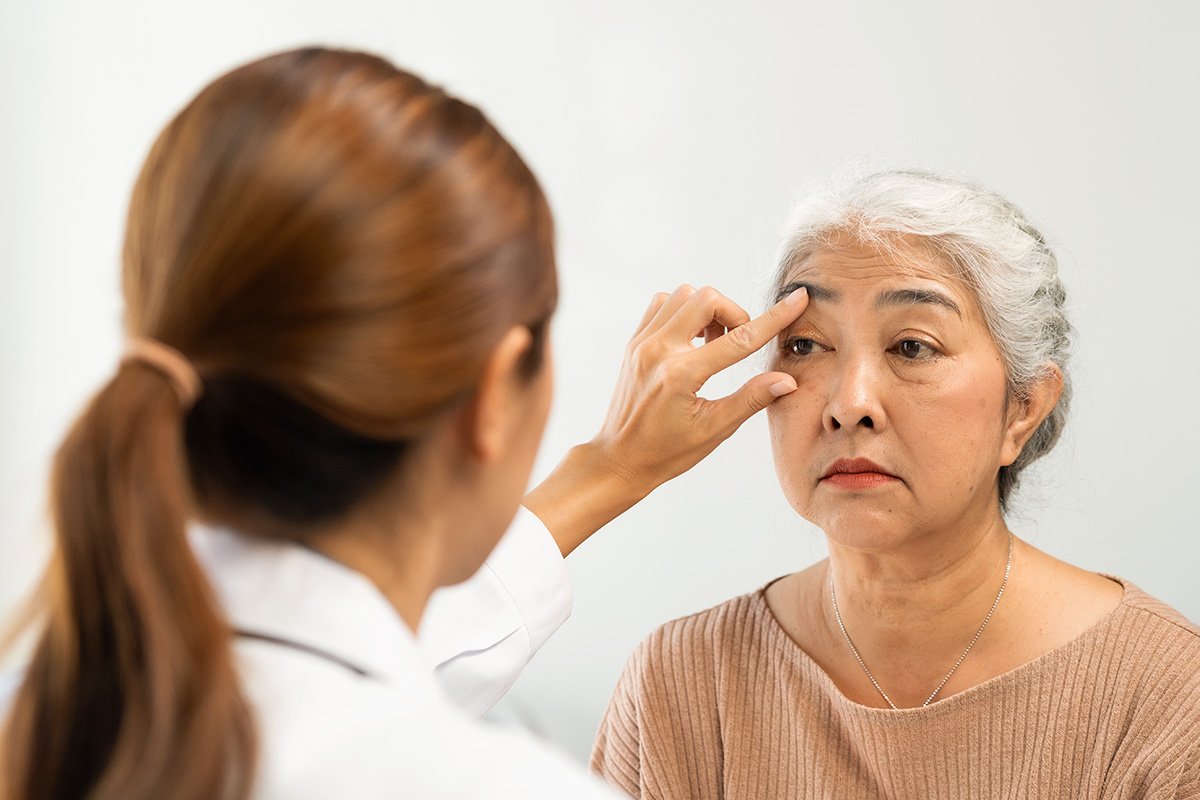
If you think you might have XP, your doctor can usually make a diagnosis by visually examining your eye area, but they may do additional tests to check your cholesterol levels or underlying issues that could contribute to your specific case.
XP doesn’t go away on its own — that means trying to pop the puffy deposit like a pimple won’t work, and may even cause inflammation, bleeding, or infection. Instead, health care professionals can remove the deposits through simple surgery or noninvasive options, such as applying a topical acid or freezing agent.
Some of these treatments may cause scarring, and getting rid of XP by these means won’t do anything to lower your cardiovascular risk factors — so trying to maintain healthy cholesterol levels and prevent XP in the first place is your best bet. You can help do this by eating a balanced, low-fat diet; doing cardio exercise at least 150 minutes a week; not smoking; and taking statins if they’re prescribed by your doctor.
Featured Image Credit: © Stella 16/stock.adobe.com
More From Our Network
Better Report is part of Inbox Studio, an email-first media company. *Indicates a third-party property.







Kat Long is a freelance science journalist in the Washington, D.C. area. Previously, she was the science editor at Mental Floss and a digital editor at National Geographic. She now writes the Arctic Archives newsletter on Substack. Kat spends her free time birdwatching, road-tripping to historical sites and perusing old manuscripts at libraries.
This article is for general informational purposes only.
Affiliate Disclaimer Medical Disclaimer Financial Disclaimer