How Much Americans Are Tipping Right Now

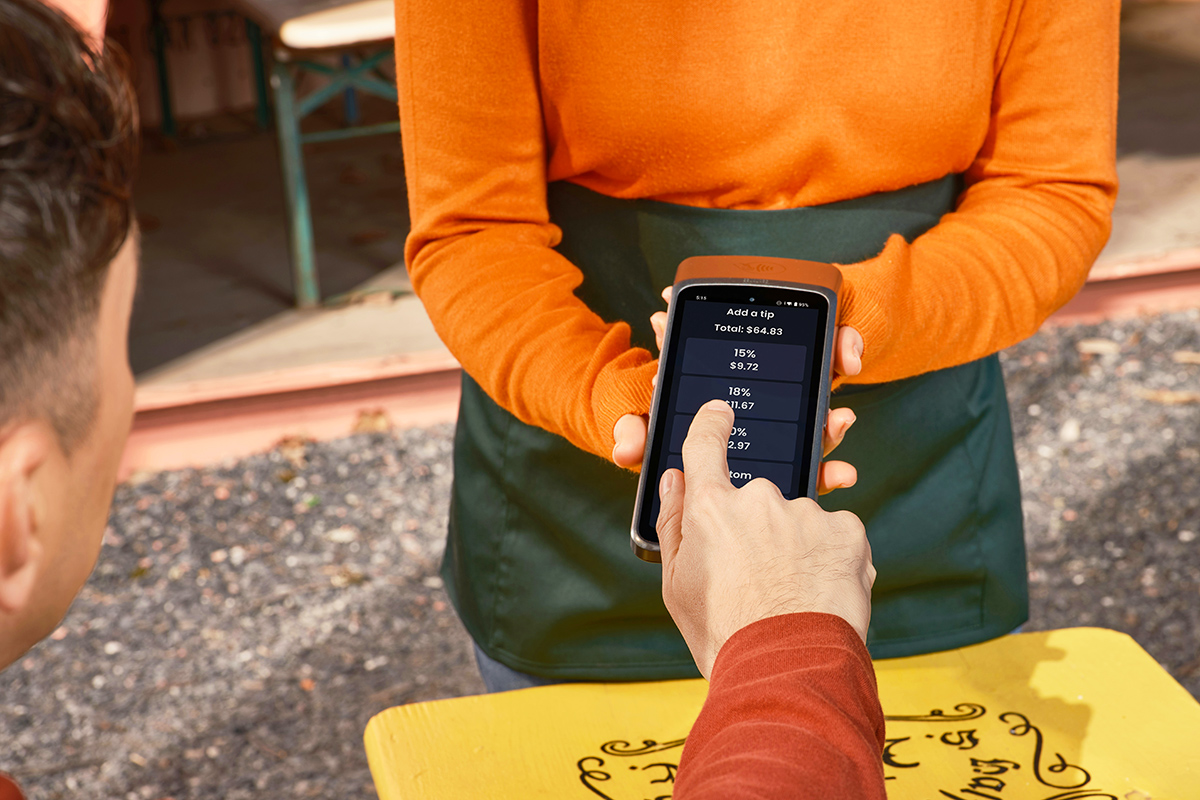
Americans are feeling the pinch of higher prices, but that hasn’t stopped businesses from asking them to spend a little extra. The expectation to leave a tip has expanded well beyond traditional sit-down restaurants, leaving many consumers frustrated by what feels like a never-ending stream of requests for gratuities.
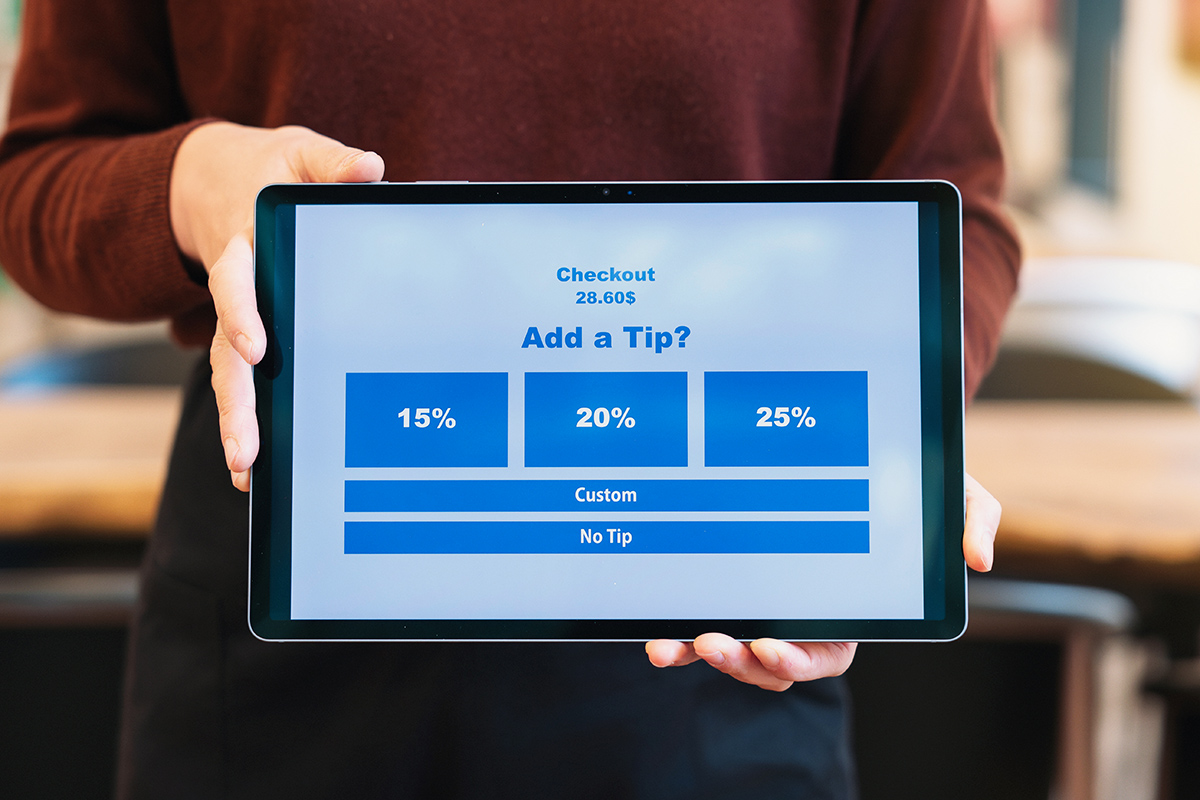
Digital payment screens have only added to the pressure, with suggested tips sometimes starting at 20% or higher — even for transactions that involve little or no personal service. With tipping prompts popping up in increasingly unexpected places, it’s enough to make anyone wonder: How much are other people actually tipping these days?
According to a recent report from restaurant technology company Toast, the answer hasn’t changed much. Despite years of complaints about tipping culture, Americans are leaving roughly the same percentages they have for years.
The report analyzed card and digital transactions where a tip was added at restaurants using Toast’s platform, which served approximately 180,000 locations nationwide as of June 2026. Although the figures don’t include cash tips, they offer an interesting snapshot of how much Americans are willing to spend on gratuities — and where they’re drawing the line.
How Much Are Americans Tipping?
Not all tips are created equal. How much Americans leave depends largely on the kind of service they’re receiving.
Sit-Down Restaurants: 19.1%
Traditional full-service restaurants continue to receive the highest average gratuities. According to Toast, diners tipped an average of 19.1% in the second quarter of 2026, down slightly from 19.3% in the previous quarter.
That figure is remarkably consistent with historical tipping habits. Over the past two years, the average gratuity at full-service restaurants has fluctuated between 19.1% and 19.4%, suggesting that the familiar 20% tip remains a widely accepted standard.

Reader Favorites


Quick-Service Restaurants: 15.8%
Counter-service restaurants, fast-casual chains, and other quick-service establishments receive noticeably smaller tips, averaging 15.8%.
That number has remained unchanged for seven consecutive quarters, even as digital payment systems have made it easier than ever for businesses to request gratuities.
The difference may come down to how much personal service customers receive. At a sit-down restaurant, servers take orders, deliver meals, refill drinks, and attend to guests throughout their visit. At a counter-service establishment, customers often handle many of those tasks themselves.
Takeout Orders: 13.8%
Picking up dinner instead of dining in? Americans who leave a tip on takeout orders give an average of 13.8%, according to Toast.
There’s an important distinction here: That figure doesn’t mean everyone picking up food tips nearly 14%. Instead, it reflects takeout transactions where customers actually left a gratuity.
Tipping for takeout is generally considered optional. The Emily Post Institute recommends considering around 10% when an order requires extra service, such as curbside delivery, or involves a particularly large or complicated request.
Delivery, Coffee Shops, and Other Services
Toast’s figures don’t cover every situation where customers encounter a tipping prompt. For those, etiquette guidelines offer a useful starting point.
According to Delish, etiquette experts recommend tipping food delivery drivers at least $5, even for smaller orders. Customers should consider tipping more for longer distances, bad weather, heavy orders, or deliveries that require extra time and effort.For bartenders, the recommendation is $1 to $2 per drink or 15% to 20% of the tab.
Coffee shops are less clear-cut. There’s no obligation to leave a tip simply because a payment screen asks for one, although $1 or $2 can be a thoughtful gesture for a complicated order or particularly helpful service.
Where Are Americans Tipping the Most?
Location also makes a difference.
According to Toast’s latest figures, Delaware leads the country with an average restaurant tip of 21.4%, followed by West Virginia at 20.7% and New Hampshire at 20.5%.
At the opposite end of the spectrum is California, where diners leave an average of 17.1%. Washington state and Washington, D.C., also rank among the lowest, at 17.6% and 17.3%, respectively.
But those differences don’t necessarily mean Delaware residents are more generous than Californians. As Food & Wine notes, state laws governing tipped employees’ wages may influence how much customers leave.
In California, employers must pay tipped workers the full state minimum wage before gratuities. Delaware, meanwhile, allows employers to count employees’ tips toward meeting minimum-wage requirements. That distinction may influence customers’ expectations about how much servers depend on tips.
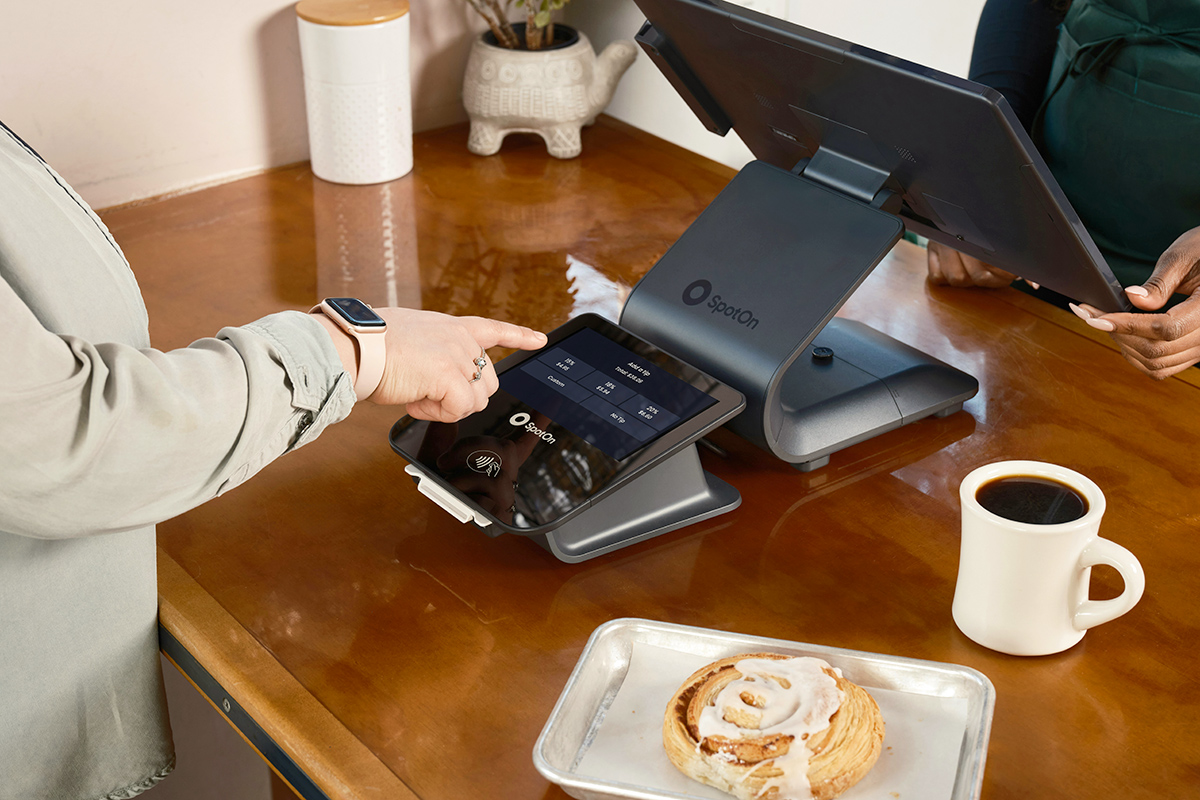
Americans Are Experiencing Tipping Fatigue
Despite the relatively stable numbers in Toast’s analysis, Americans aren’t necessarily happy about how often they’re being asked to leave gratuities.
The phenomenon known as “tipping fatigue” has become a familiar frustration, particularly as digital payment systems introduce gratuity requests in places where tipping wasn’t previously expected, such as self-service kiosks and retail checkout counters.
It’s one thing to leave 20% for a server who has spent an hour attending to your table. It’s another to be presented with a 25% tipping option after grabbing a bottled drink from a counter.
Yet the frustration doesn’t appear to be translating into substantially smaller restaurant tips. In fact, tipping remains a powerful social expectation. Customers may be cutting back on how often they dine out, but when they do visit a restaurant, they’re generally continuing to tip at familiar rates.
Payment technology may also reinforce those habits. When a screen automatically presents 18%, 20%, and 25% as the suggested options, customers may be more inclined to choose one of those amounts rather than enter their own.
Still, it’s worth remembering that a suggested tip isn’t a requirement. Particularly for counter service and takeout, customers can decide what makes sense based on the service provided and their own budgets.
What About Holiday Tipping?
Come the holiday season, there’s another category of gratuities to consider: year-end tips for the people who provide services throughout the year.
Unlike everyday restaurant tipping, holiday tipping is generally less about a percentage and more about showing appreciation for someone whose work makes your life easier.
According to the Emily Post Institute and Fidelity holiday tipping guides, suggested amounts include:
| Occupation | Suggested Tip |
| Housekeeper or cleaner | Up to one week’s pay, or a small gift |
| Hairstylist, colorist, or barber | Up to the cost of one appointment |
| Regular manicurist/pedicurist | The cost of one appointment |
| Dog walker | Up to one week’s pay, or a gift |
| Petsitter/groomer | Up to the cost of one session, particularly if you use the same person regularly |
| Regular babysitter/nanny | Up to one evening or one week’s pay, along with a small gift from your child |
| Daycare staffer | $25 to $75 per caregiver, depending on how many days per week your child attends |
| Personal trainer | Up to the cost of one session |
| Home health aide/in-home caregiver | One week’s pay |
| Landscaper/groundskeeper | One week’s pay |
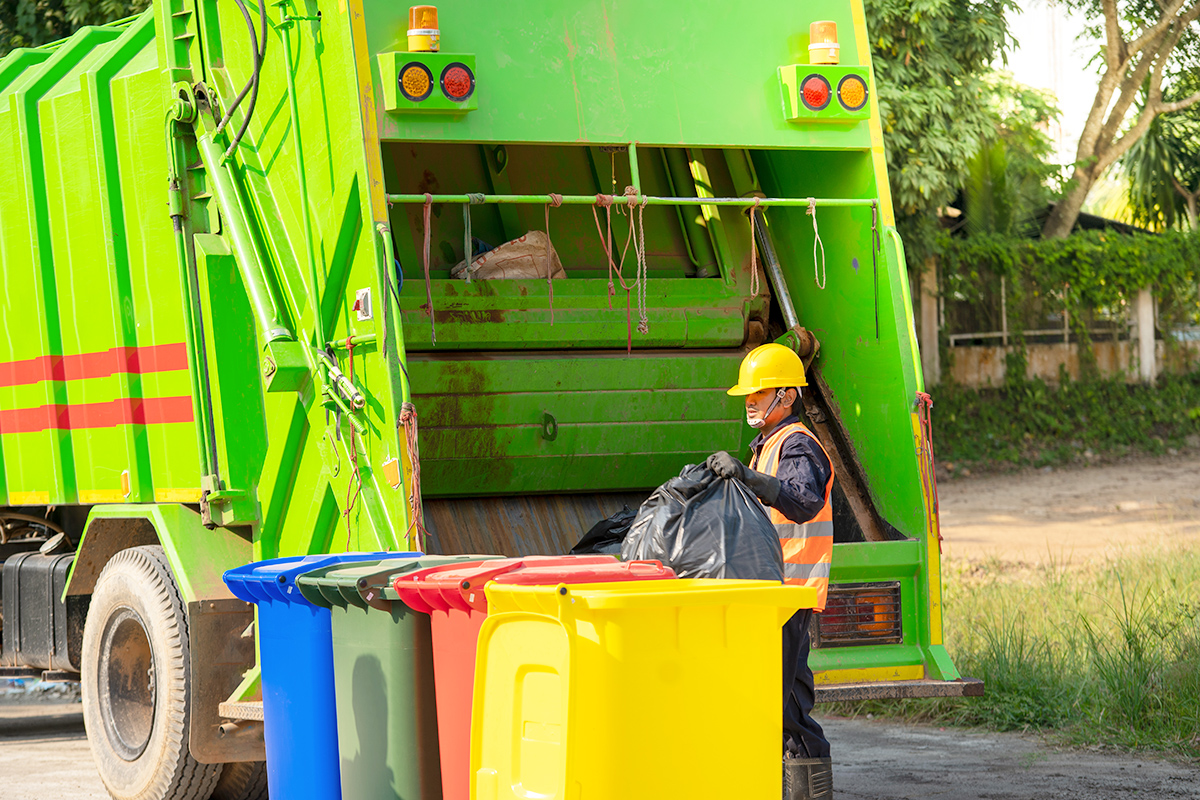
| Trash/recycling collectors | $10 to $30 apiece |
| Newspaper delivery person | $10 to $30 |
| Building doorman | Approximately $15 to $80, depending on the relationship and level of service |
| Building superintendent/manager | $150 to $300 |
| Garage attendant | $25 to $75 |
There are also important restrictions to keep in mind. U.S. Postal Service mail carriers, for example, cannot accept cash, checks, or gift cards. Small noncash gifts worth no more than $20 are generally permitted.
Of course, these are suggestions, not obligations. If you already tip someone generously throughout the year, there’s no expectation that you must also provide a substantial holiday bonus.
And if your budget is stretched thin, a handwritten thank-you note, homemade treats, or another thoughtful gesture can be just as meaningful.
Ultimately, the most useful tipping guideline may be the simplest one: Recognize good service when you can, but don’t let social pressure or a glowing payment screen dictate how much you spend.
Featured Image Credit: © SpotOn/Unsplash.com
More From Our Network
Better Report is part of Inbox Studio, an email-first media company. *Indicates a third-party property.







Jennifer M. Wood has been writing about news, entertainment, culture, and travel for longer than she cares to admit. She lives just outside Philadelphia with her husband and an ever-growing menagerie of rescue pets.
This article is for general informational purposes only.
Affiliate Disclaimer Medical Disclaimer Financial Disclaimer