12 Fruits and Vegetables You Should Always Wash
The benefits of eating fresh fruits and vegetables are far-reaching. They are tasty, versatile, and packed with essential vitamins, minerals, and other nutrients, making them vital to a healthy diet. Unfortunately, there is a downside to fresh produce: pesticides. Your freshly picked berries, Honeycrisp apples, and perfectly ripe peaches are all at risk. You can’t see pesticides, but they’re lurking on the surface, and they could make you sick. Learn more about which produce contains the highest levels of pesticides and what you can do about it to help keep you and your family safe.
The Dirty Dozen
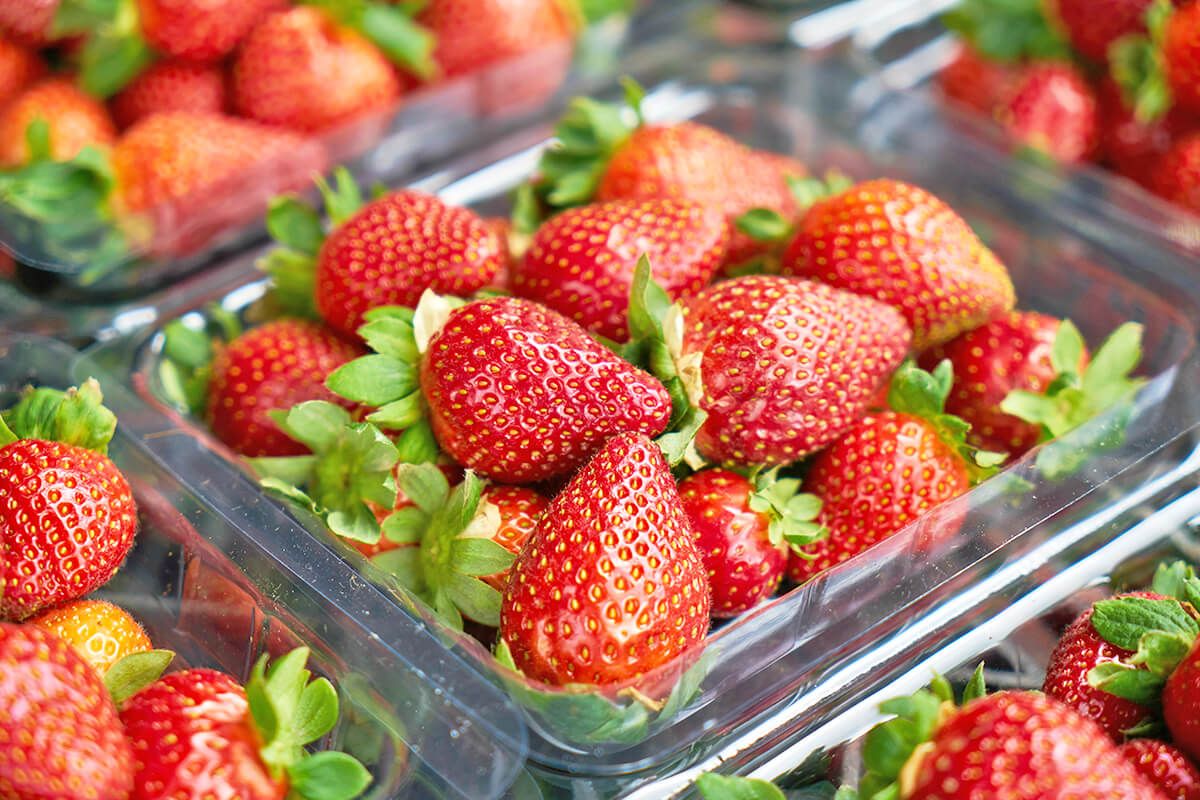
Current health guidelines recommend at least five portions of fruit and vegetables per day. This serving size looks like seven strawberries or one whole apple. That adds up to a lot of fruits and veggies. Unfortunately, this can also mean ingesting a lot of pesticide residue if you don’t properly clean your produce. Pesticides can harm human hormone systems, and according to the latest research from the Environmental Working Group, a select group of produce has a lot more residue than others. This group, dubbed the “Dirty Dozen,” is cause for concern.
The EWG’s 2024 “Dirty Dozen” list included 12 types of produce that are most contaminated with pesticides. In order, these include:
- Strawberries
- Spinach
- Kale, collard, and mustard greens
- Grapes
- Peaches
- Pears
- Nectarines
- Apples
- Bell and hot peppers
- Cherries
- Blueberries
- Green beans
During the EWG’s test, 209 pesticides were found on the crops listed above. Worse, more than 90% of the sampled strawberries, apples, cherries, spinach, nectarines, and grapes tested positive for two or more pesticides. This means that nine would have pesticide residue if you purchased a bag of 10 apples. Some of the pesticides discovered by the EWG have been banned by the European Union or the U.S. Environmental Protection Agency due to health concerns. This alarming information is causing consumers to wonder how to keep their families healthy and safe.
The Downside of Pesticides
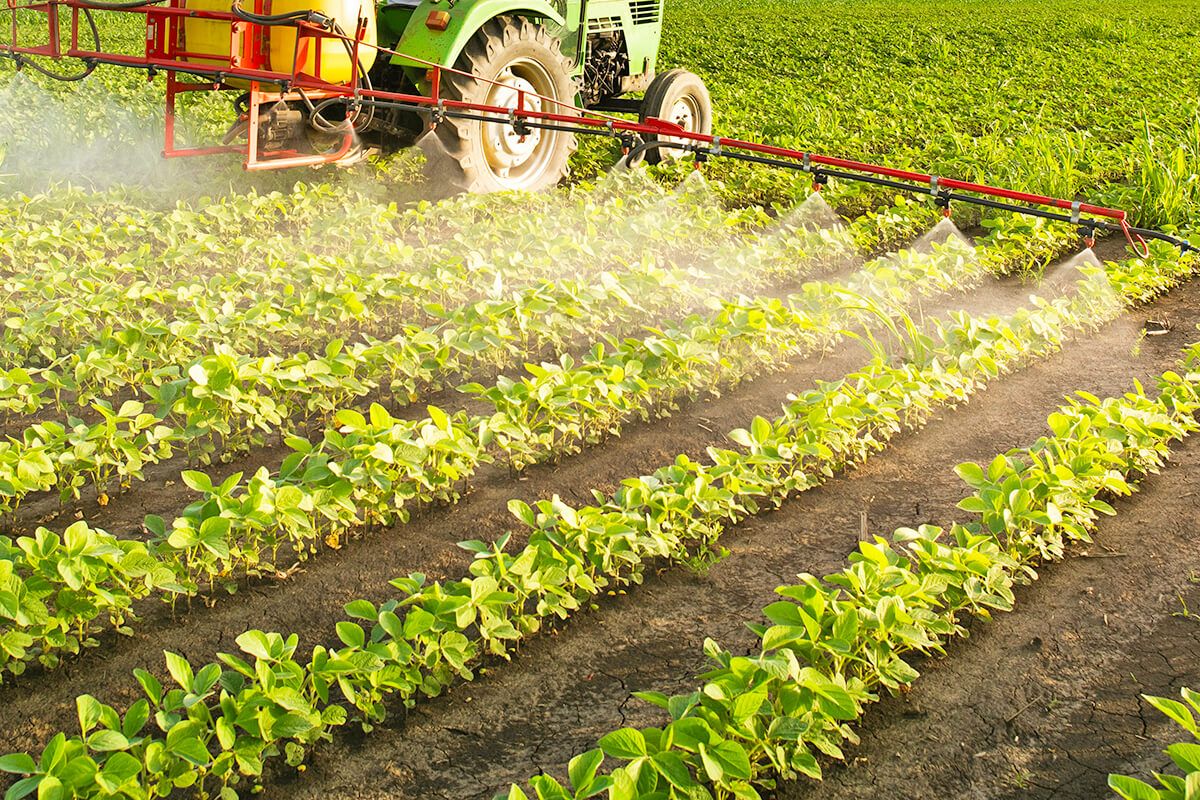
Pesticides are essential to the success of commercial farming by reducing insects, rodents, and fungi. However, pesticide residue remains on some crops’ surfaces even after being processed and stocked in grocery stores. It’s essential to avoid ingesting this residue. According to the World Health Organization, pesticides are potentially toxic to humans and cause various adverse health effects. This can include cancer and issues with the reproduction, immune, or nervous system, to name a few. While this news is unfortunate, there are ways to ensure your produce is clean and safe to eat.
Cleaning the Dirty Dozen
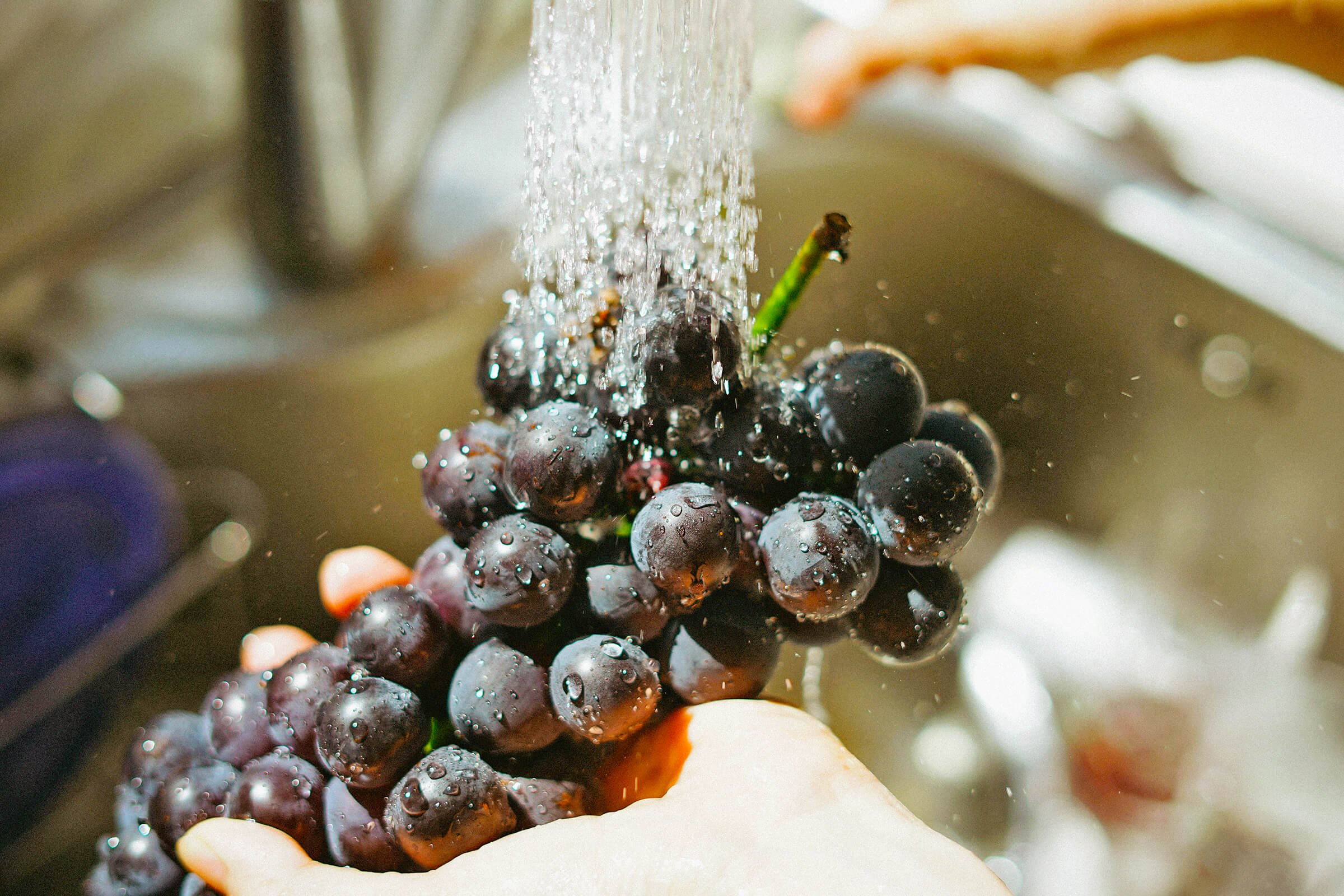
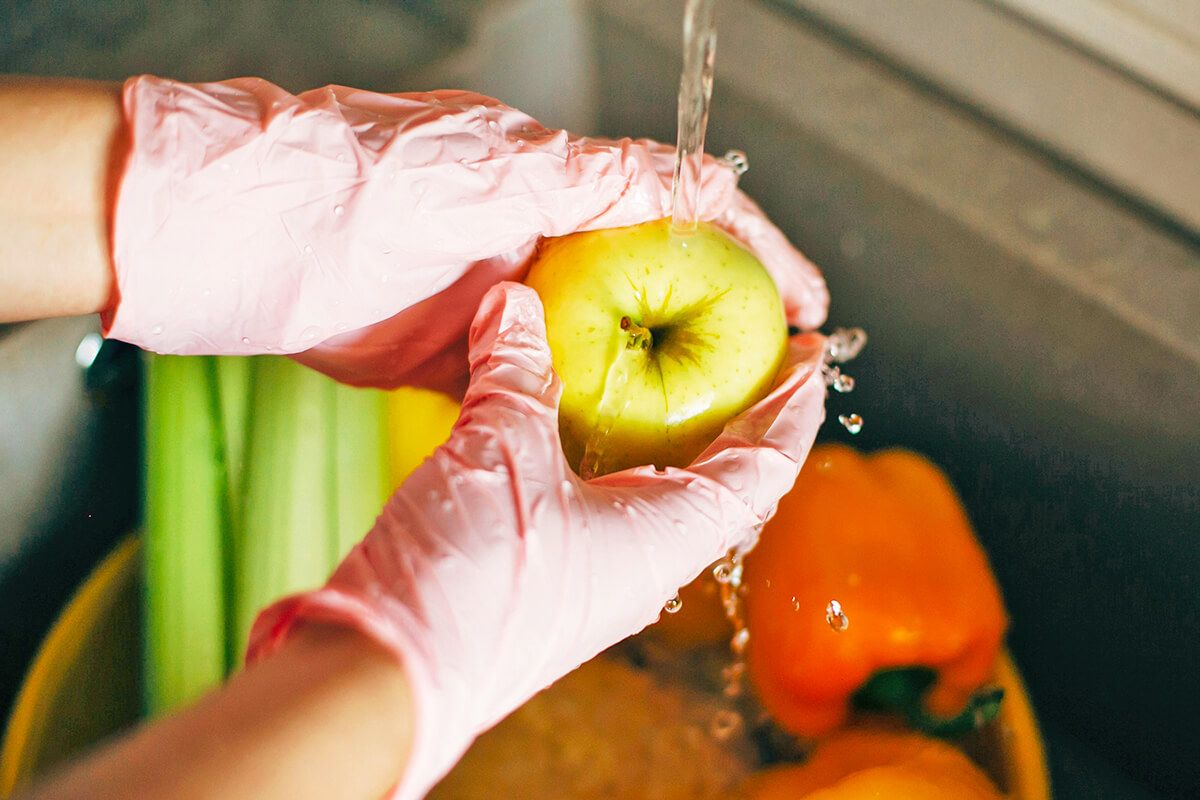
Rest assured, a 2022 study on the effectiveness of different washing strategies on pesticide residue removal found that washing the produce under running tap water is the most successful method. The USDA recommends using a brisk scrubbing motion with your hand. For firm produce like melons, you can even use a scrub brush. Washing under running water even works for leafy greens such as spinach, which are especially tricky to clean. Do not use very hot or cold water — it should be no more than 10 degrees colder than the produce. Remember to rinse the skin of fruits and vegetables even if you don’t plan on eating them so that pesticides aren’t transferred during food preparation.
The FDA recommends avoiding soaps, household detergents, and commercial washes. This is because produce is porous and can absorb cleaners, which might make you sick. After washing with plain water, dry the produce immediately with a clean towel. According to the FDA, produce labeled “pre-washed and ready to eat” is safe without rinsing at home. It’s essential to follow these guidelines for all produce — not just the Dirty Dozen — including homegrown and farmers’ market produce, and even the produce listed on the EWG’s Clean 15 list, the produce with the least amount of pesticide residue. This way, all produce in your home is clean and ready to be enjoyed.
More From Our Network
Better Report is part of Inbox Studio, an email-first media company. *Indicates a third-party property.