Does One Moldy Berry Ruin the Whole Bunch?

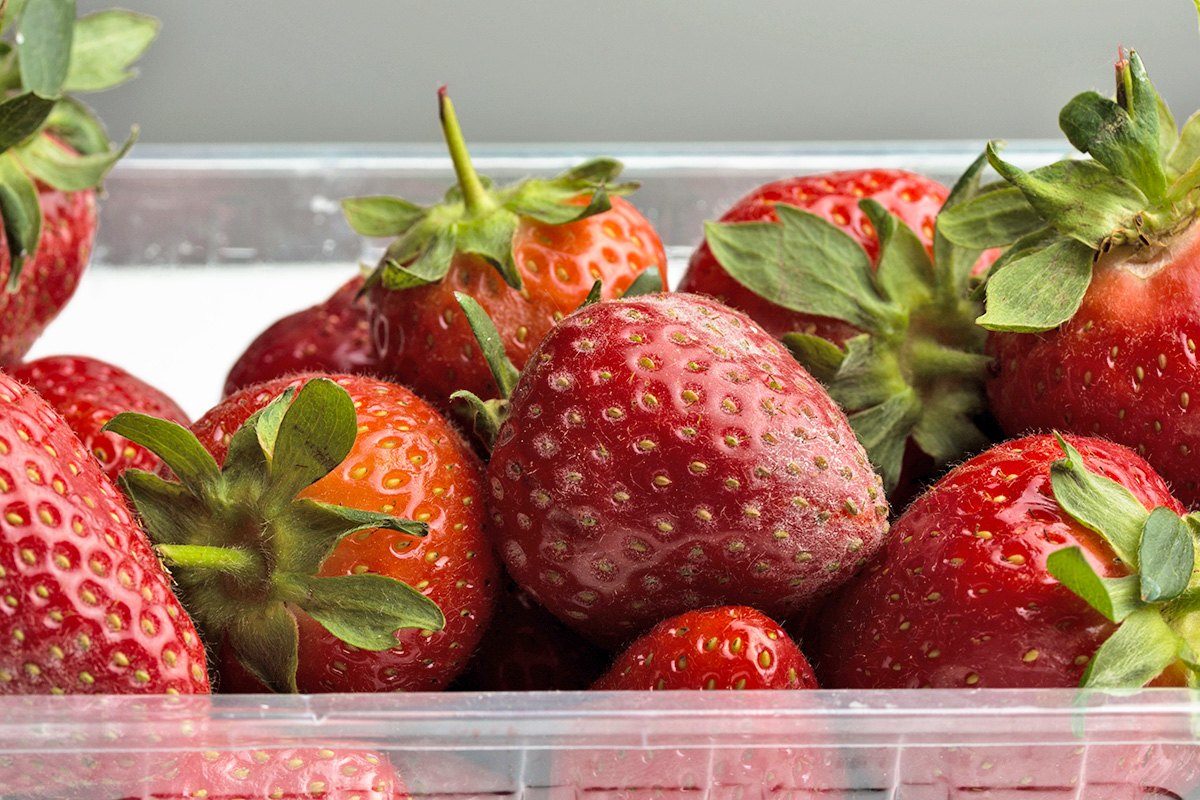
If berries are a regular part of your diet, you already know that they can be sneakily expensive — which makes it especially frustrating when you’re unpacking your groceries and spy a patch of fuzz among an otherwise immaculate bunch of produce. Moldy berries are unsightly and unappetizing, but what about their neighbors? Does spotting one offender in a container warrant tossing out the whole thing?
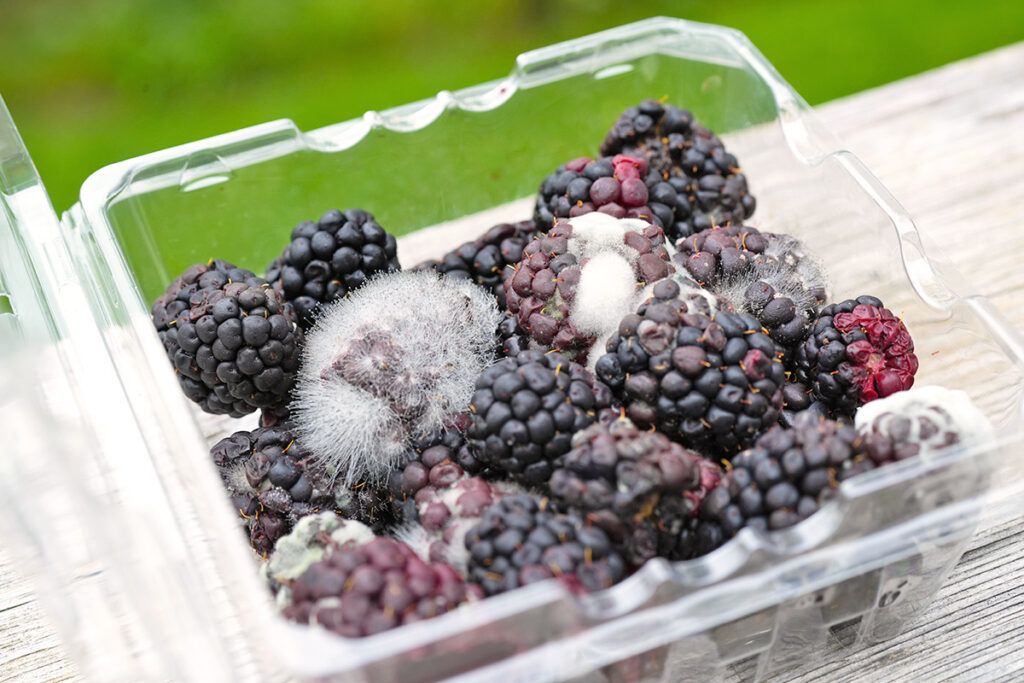
What To Know About Moldy Berries
Good news for your wallet and your breakfast routine: Fresh berries packaged with a couple of spoiled ones are still safe to eat. When it comes to fruits like strawberries, blackberries, and raspberries, pediatric infectious disease expert Dr. Nipunie Rajapakse told the Mayo Clinic, a little mold isn’t the end of the world. She recommends picking out the visibly fuzzy berries as well as whatever fruits they were touching. Give the remaining produce a thorough wash and it should be fine to consume. But if your basket or clamshell is more than a quarter moldy, it’s probably not worth salvaging, according to Dr. Rajapakse.
The reason health experts are fairly lenient when it comes to berries is due to the type of spores they grow. Certain foodborne fungi can cause serious illness, which is why we’ve evolved to turn up our noses at spoiled foods in the first place. According to the U.S. Department of Agriculture, some molds produce mycotoxins that may make us sick; they’re mostly found in grain, corn, dried fruits, nuts, and coffee, but can also pop up on produce such as celery and apples.
The mold commonly found on berries, however, isn’t known to produce toxins, so it doesn’t pose any serious health risks. Even if you were to miss a moldy berry and eat it accidentally, it wouldn’t be pleasant, but it probably wouldn’t send you to urgent care.
It’s a different story with many other grocery items. Foods that are soft and moist with more area for microbes to populate tend to cultivate more dangerous fungi. That’s why if you see a blue speckle on your loaf of bread, health experts say you should throw away the whole thing, because the mold may have already spread to parts you can’t see.
Berries, on the other hand, are less likely to harbor harmful spores due to their small size. But because you can’t tell what molds are toxic by looks alone, you’ll want to throw out any moldy berries just in case.

Reader Favorites

How To Store Berries To Keep Them Fresh Longer
Even if a single moldy berry won’t kill you, you still don’t want the nasty surprise of biting into one. The spores may be less harmful, but it won’t taste very good. Berries are more prone to spoilage in general due to their high moisture content and delicate skins. The best way to prevent mold is by practicing smarter storage habits.
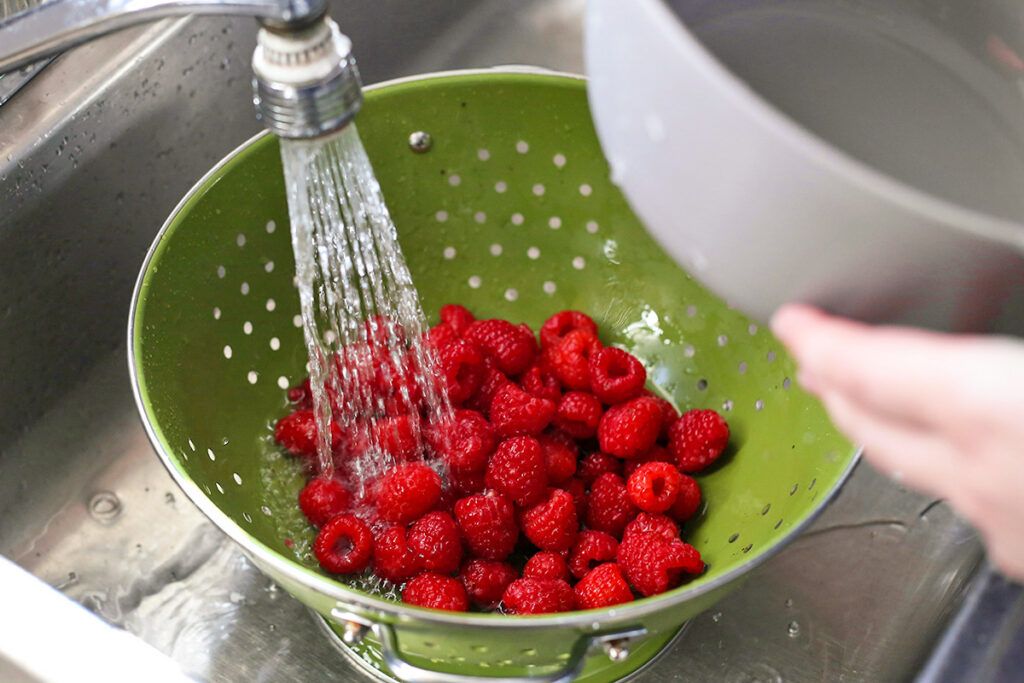
Before refrigerating the fruit, rinse it off in a solution of 3 cups water to 2 tablespoons white vinegar. This will help kill off most of the spores sitting on the surface waiting to become full-blown fungi. Make sure the berries are completely dry before transferring them to a larger container lined with paper towels. This environment will provide your berries some breathing room while absorbing excess moisture, giving them a fighting chance of surviving to see a week’s worth of meals. (There’s an exception to this advice: raspberries. Moisture will make them go bad quickly, so instead, you should discard any moist, moldy, or discolored raspberries before storing them in the container they came in on a shelf in your fridge — not the crisper, which is more humid and will cause the raspberries to dry out. Don’t wash them right until you’re ready to eat them.)
Another option is to freeze your berries after washing and drying them. They can last six to eight months in the freezer, which means if you go overboard at the farmers market this summer, you could still be enjoying peak-season strawberries in January.
Featured Image Credit: © Eigens/stock.adobe.com
More From Our Network
Better Report is part of Inbox Studio, an email-first media company. *Indicates a third-party property.





Michele Debczak is a writer and editor based in Brooklyn, New York. She appears in seasons four through six of History Channel's “The Food That Built America,” and her work has been featured in Mental Floss, Smithsonian Magazine, Eater, and Vice.
This article is for general informational purposes only.
Affiliate Disclaimer Medical Disclaimer Financial Disclaimer