Are Egyptian Cotton Sheets Worth the Splurge?
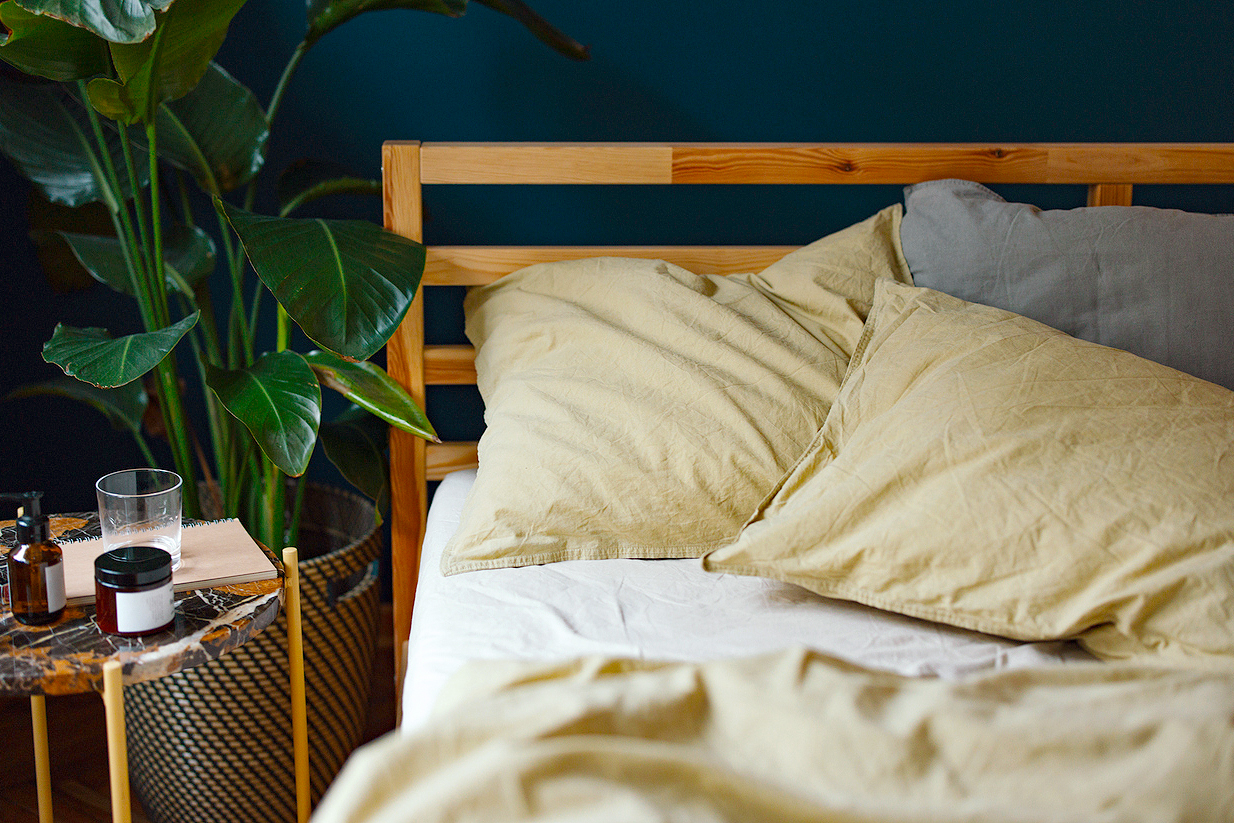
In the bedding aisle, one type of cotton bedding stands out: Egyptian cotton. But are these sheets really all they’re cracked up to be, or is the name just a marketing gimmick? The short answer is that Egyptian cotton sheets can be softer, more durable, and last longer than other types of cotton. However, finding the right kind of Egyptian cotton requires a little research and careful label reading. This guide reveals the ins and outs of Egyptian cotton and other types of luxury cotton bedding.
All featured products and deals are selected independently and objectively by the author. Better Report may receive a share of sales via affiliate links in content.
What Is Egyptian Cotton?
Genuine Egyptian cotton comes from a plant called Gossypium barbadense, also known as “sea island cotton.” It flourishes in Egypt’s Nile River Valley but is native to Central and South America’s tropics and is cultivated worldwide. The plant produces ultra-soft cotton because of its extra-long fiber length, called the “staple” length. Cotton comes in three staple lengths: short, long, and extra-long. The longer the fiber length, the softer and more durable the fabric will be. This means that genuine Egyptian cotton is among the best cotton in the world.
Is Egyptian Cotton Always High Quality?
Any bedding made from cotton grown in Egypt can be marketed as “Egyptian cotton,” regardless of staple size or type of cotton plant. This allows stiff, scratchy, short-staple sheets to be marketed as luxurious “Egyptian cotton.” For this reason, beware of low-priced Egyptian cotton sheets (anything under $100) — these are a ploy to sell substandard fabrics. Sheets made with long fiber cotton should be clearly labeled as such. The sheets might be low-quality if there is no indication of the staple length on the packaging. Thread counts of 200 to 600 are usually best for authentic Egyptian cotton. Anything less will be scratchy, and anything more is probably superfluous. Luxury also comes with a higher price tag. Genuine Egyptian cotton starts at around $100 to $200 per sheet set.
Other Types of Sheets Similar to Egyptian Cotton
If you can’t find genuine Egyptian cotton sheets, or don’t have the budget for these luxury sheets, there are other fabrics that are just as luxurious.
• “Pima,” or “Supima,” cotton is made from the same Gossypium barbadense plant as Egyptian cotton but is cultivated elsewhere. “Supima” is the trademarked name for Pima cotton grown in the United States under the American Supima Association. It is a portmanteau of “superior Pima.” Pima or Supima might also be labeled “ELS cotton,” meaning “extra-long staple cotton.” Genuine Pima/Supima cotton sheets feel as soft as Egyptian cotton, are as durable, and have a similar price tag.
• Turkish cotton also has a superior reputation among bedding fabrics. It is cultivated mainly in the Aegean Sea region, where growing conditions produce excellent-quality cotton balls with long, soft fibers. Egyptian and Turkish cotton are similar in softness and durability, but Turkish tends to dry faster than Egyptian, so it is a popular choice for towels. High-quality Turkish cotton comes from a long-staple variety of Gossypium hirsutum, the most common cotton plant in the world. Still, any cotton can be labeled “Turkish” if grown in Turkey, so the same marketing issues arise. Check the label to ensure it is long- or extra-long-staple cotton.
Featured Image Credit: miniseries/ iStock
More From Our Network
Better Report is part of Inbox Studio, an email-first media company. *Indicates a third-party property.