How To Tell if You’re Brushing Your Teeth Too Hard

All featured products and deals are selected independently and objectively by the author. Better Report may receive a share of sales via affiliate links in content.
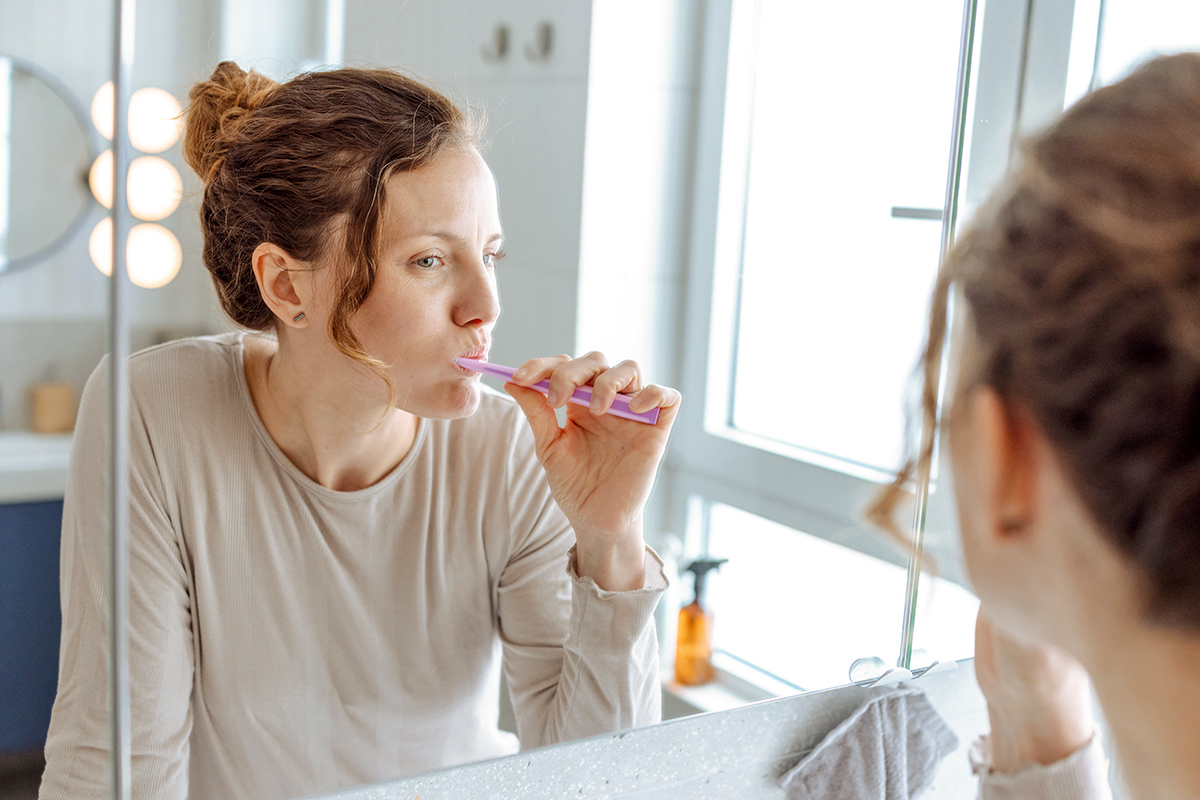
It seems counterintuitive, but brushing your teeth harder won’t make them cleaner — in fact, it can do more harm than good. Brushing too hard can increase your risk of cavities, gum problems, and tooth sensitivity. Curious if your brushing is doing damage? Look for these signs.
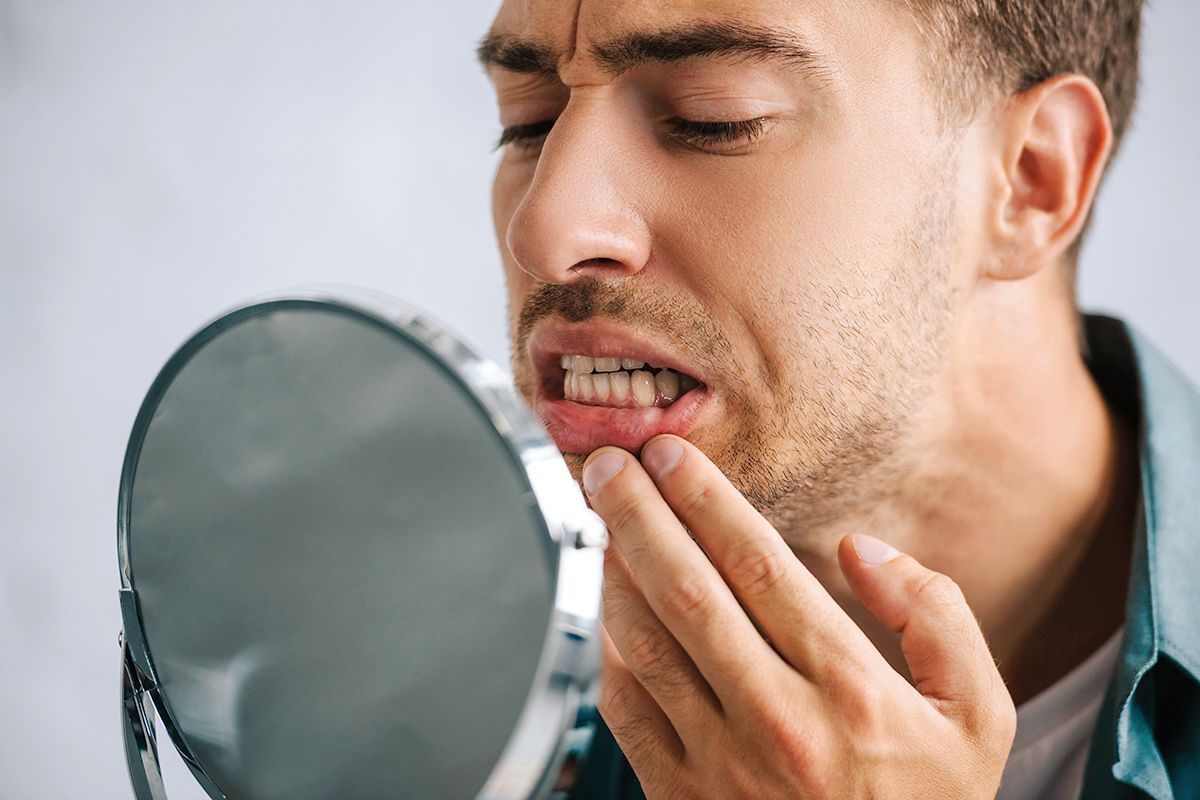
Receding Gums and Tooth Sensitivity
If your teeth suddenly appear longer or you’ve noticed increased sensitivity to hot or cold drinks or food, your gums might be receding. Pressing the bristles too firmly against your teeth near the gumline or aggressively brushing back and forth against your gums can cause them to pull away from your teeth.
Brushing too hard also affects the hard enamel surface of your teeth. This protective outer layer safeguards the sensitive inner tissues, and when damaged, it can increase your tooth sensitivity. So if you wince when biting into an ice pop or taking a sip of hot chocolate, or you notice scraping or indentations near the gumline (also known as toothbrush abrasion), you may want to take it easy with your toothbrush.
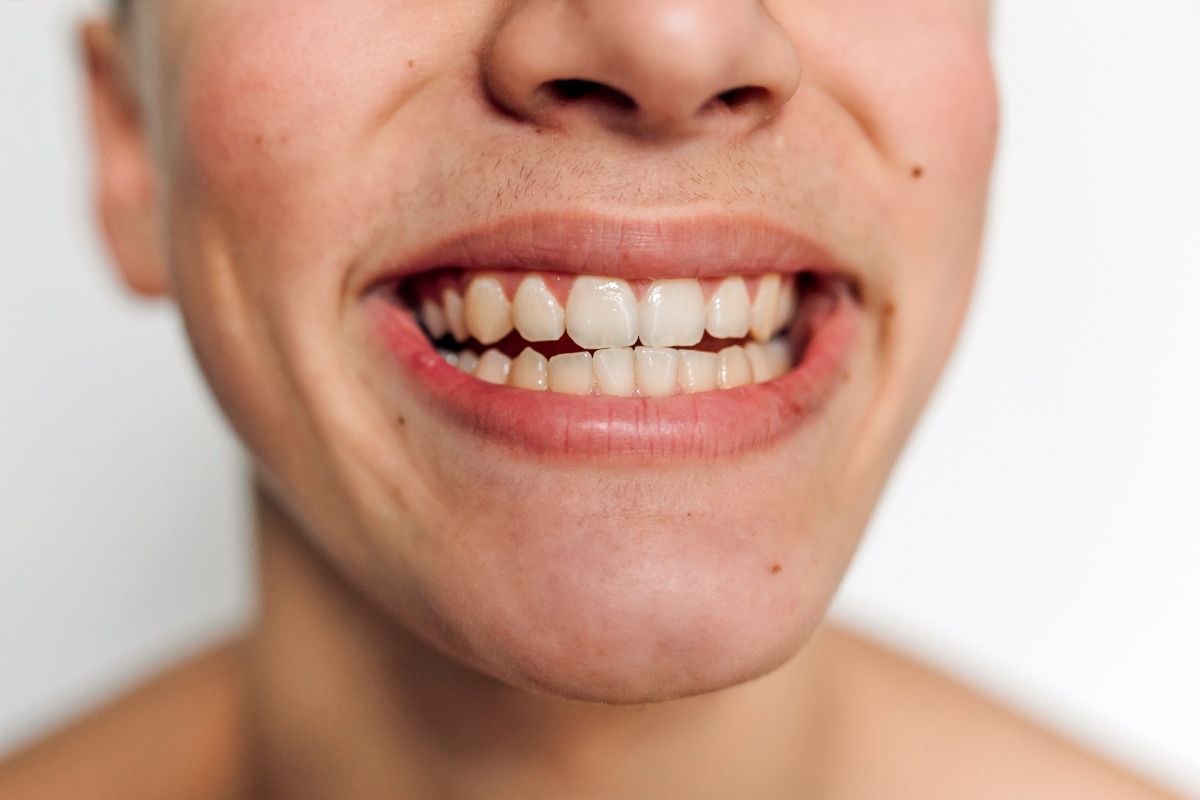
Dull Tooth Color
Teeth don’t necessarily look pearly white all the time unless you whiten them regularly. But if yours look slightly gray or yellowish, it can be a sign that you’re brushing too hard. As the enamel weakens, darker dentin — the middle layer of your tooth — shows through. Discolored teeth can also be caused by stains from tobacco use, medications, or the aging process, or course, but it’s worth considering your brushing habits, too.

Reader Favorites



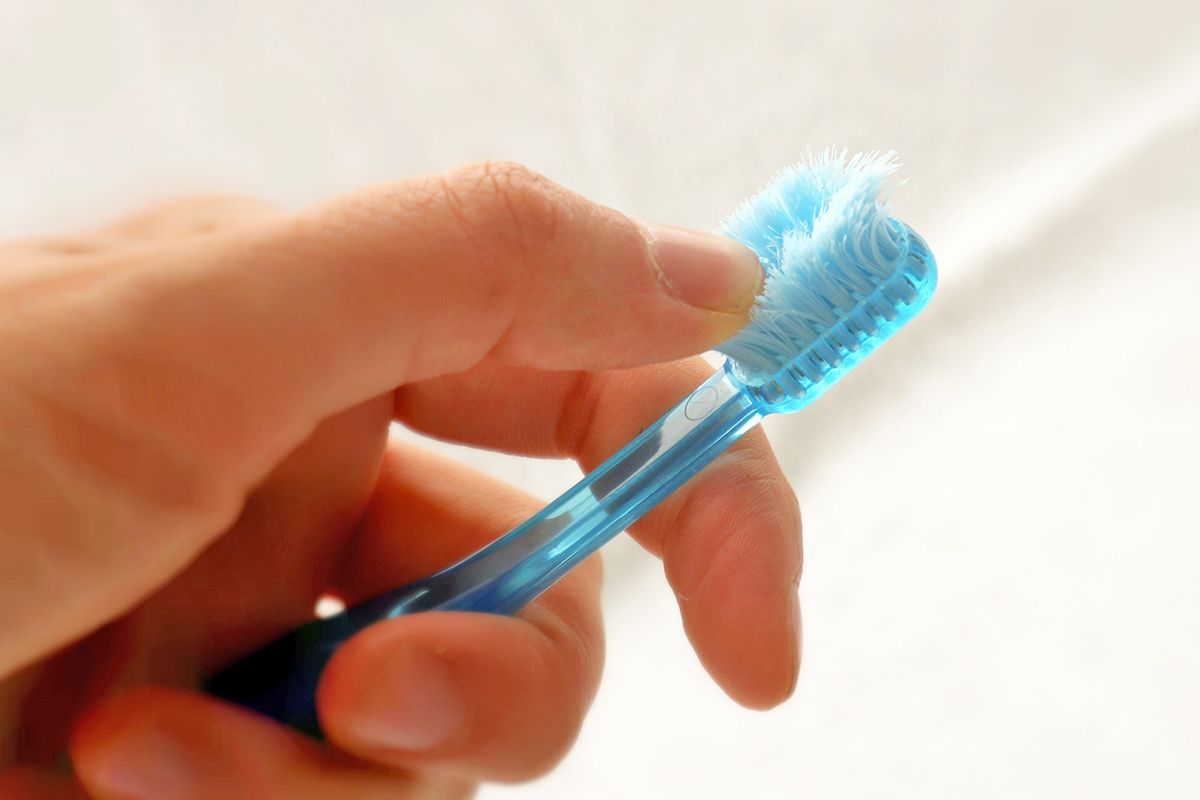
Toothbrush Damage
If you’ve noticed your bristles look frayed or matted down — like you’ve used your toothbrush to scrub the floor — it’s another sign you’re brushing too hard. The American Dental Association recommends replacing your toothbrush every three to four months, but needing to do so more often due to increased wear and tear suggests you’re using it too aggressively.
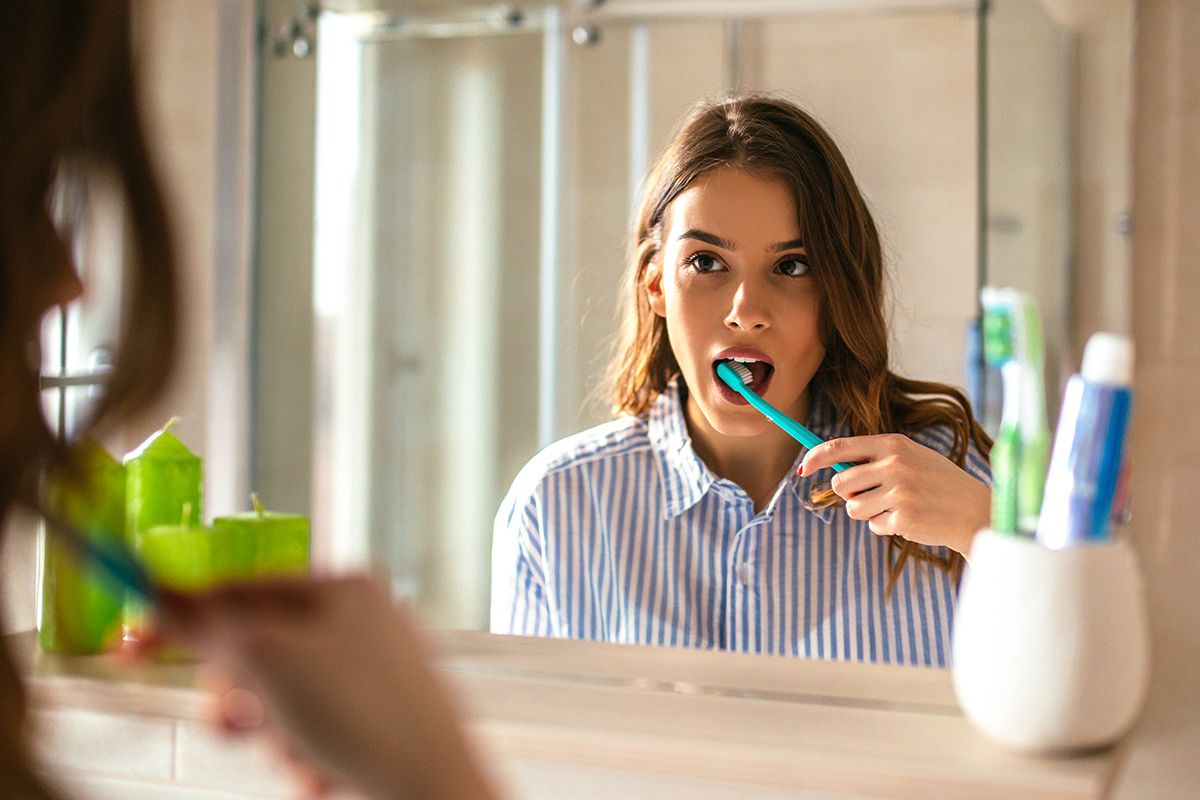
What To Do If You’re Brushing Too Hard
There are a few techniques you can use to lighten the pressure of brushing and make your oral hygiene habits easier on your teeth and gums. Here are a few tips:
• Picture brushing a tomato when brushing your teeth and along your gumline. If the force of your bristles would puncture the tomato, you’re brushing too hard.
• Use a soft-bristled toothbrush. The soft bristles have less of an impact on your enamel than medium or hard bristles. Also, make sure you’re replacing your toothbrush every three to four months. The bristles can harden with age and due to the buildup of toothpaste and other gunk from your mouth. These hardened bristles can scrape your enamel. Brush in gentle circular motions, rather than back and forth horizontally.
• Create a sign. Put a sign up in your bathroom to remind yourself to be careful when brushing your teeth. Even a note reading “Brush gently!” can make a difference.
• Opt for an electric toothbrush with a pressure sensor. Some electric toothbrushes, like the Philips Sonicare Rechargeable Electric Toothbrush, have a pressure sensor that will alert you when you press too hard. It serves as a reminder that your electric toothbrush should be doing the work, not you.
• Brush with your other hand. If you’re still having a hard time breaking the habit of hard brushing, use your nondominant hand to brush instead. It’ll intentionally slow you down and make the process more thoughtful than automatic.
Featured Image Credit: © blackCAT—E+/Getty Images
More From Our Network
Better Report is part of Inbox Studio, an email-first media company. *Indicates a third-party property.







Based in Portland, Oregon, Nicole Pyles is an experienced freelance writer who writes about home and kitchen, health and wellness, and more. She's written for a variety of outlets, including Better Homes and Gardens, Tom's Guide, Better Report, and more.
This article is for general informational purposes only.
Affiliate Disclaimer Medical Disclaimer Financial Disclaimer