How to Protect Your Home During a Power Outage

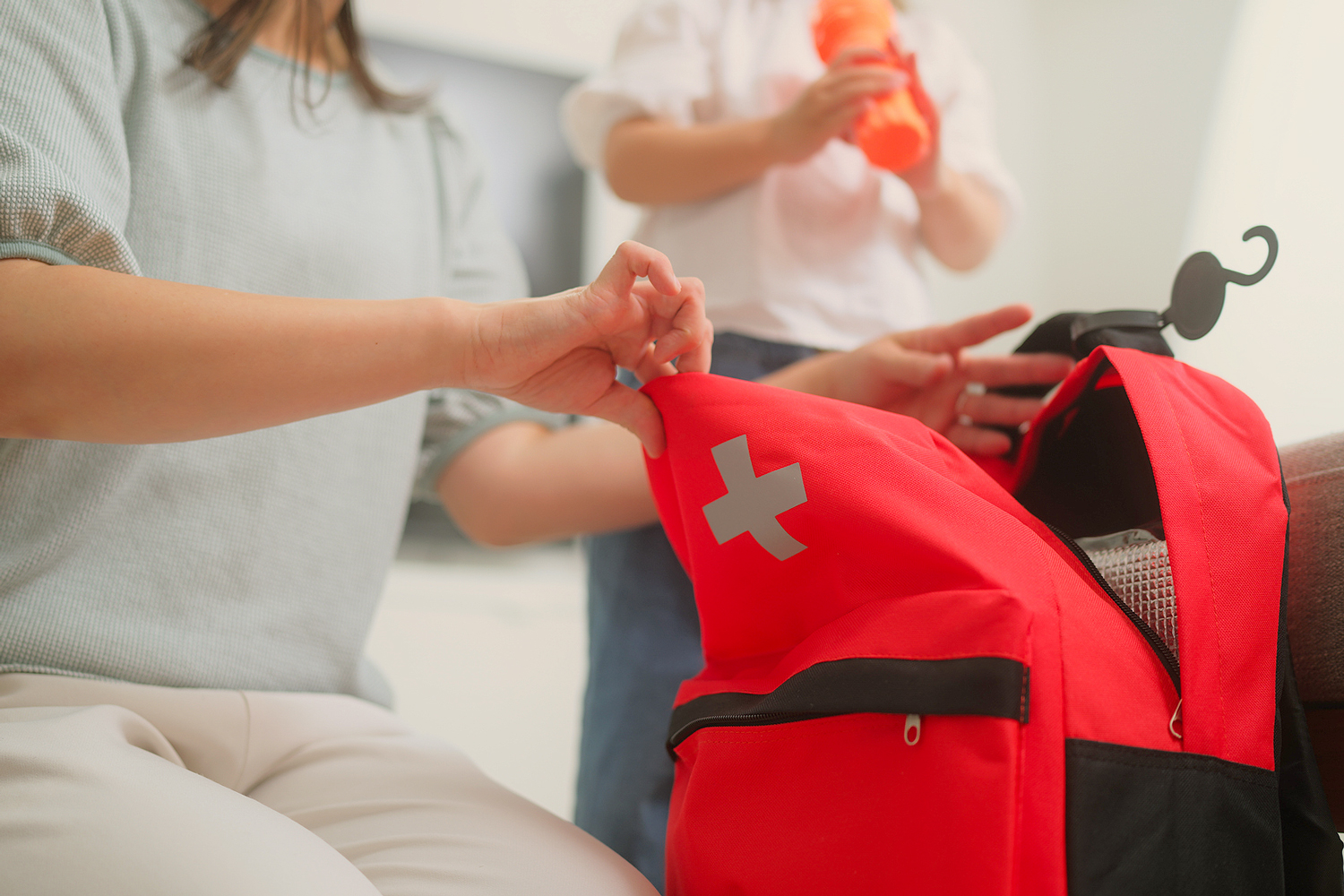
No one enjoys sitting in the dark when the power goes out, though it’s bound to happen. By mid-2025, according to a survey by JD Power, the average length of the longest power outage in the U.S. was 12.8 hours. However, power outages aren’t just an inconvenience — they can cause unfortunate problems inside your home, such as a fridge full of spoiled food or burst pipes requiring cleanup and repair. Here’s how to keep your home — and yourself — safe until the lights return.
All featured products and deals are selected independently and objectively by the author. Better Report may receive a share of sales via affiliate links in content.

Notify Your Service Provider ASAP
First things first: Notify your service provider when the power goes off. While many electric companies can identify power outages for large groups of customers, it’s often difficult for them to discern each home that’s impacted, especially if the interruption is limited to just a few customers. Reporting an outage ensures your home isn’t left in the dark for longer than it needs to be.
Protect Your Home’s Pipes
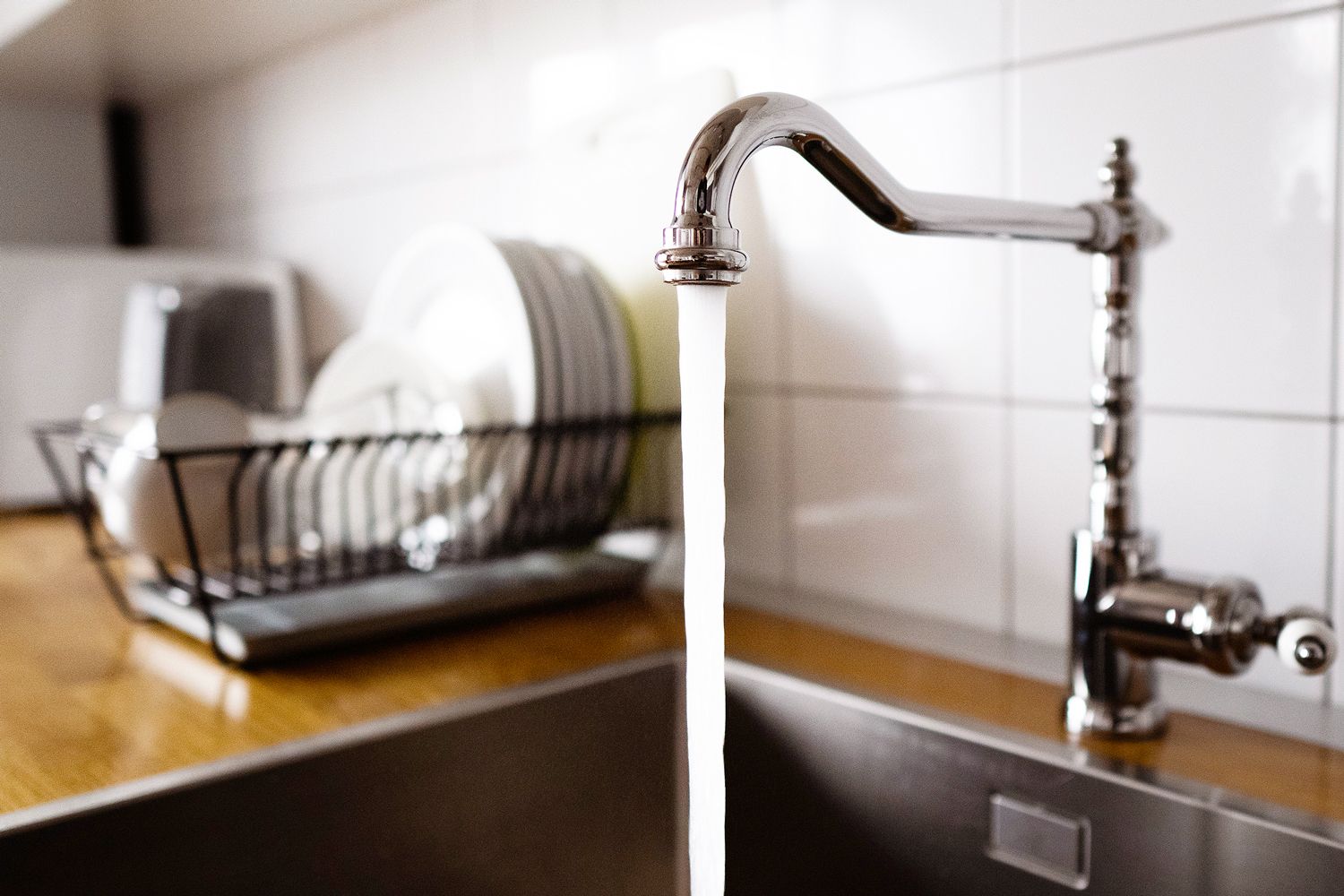
Storms can knock out power any time of year, though power outages during cooler months can add extra pressure on pipes. You can protect your home’s pipes from freezing during extended outages by opening the under-sink cabinet drawers to help warm air circulate. Turning faucets to a trickle also helps since moving water won’t freeze.
Unplug Electronics to Prevent Damage
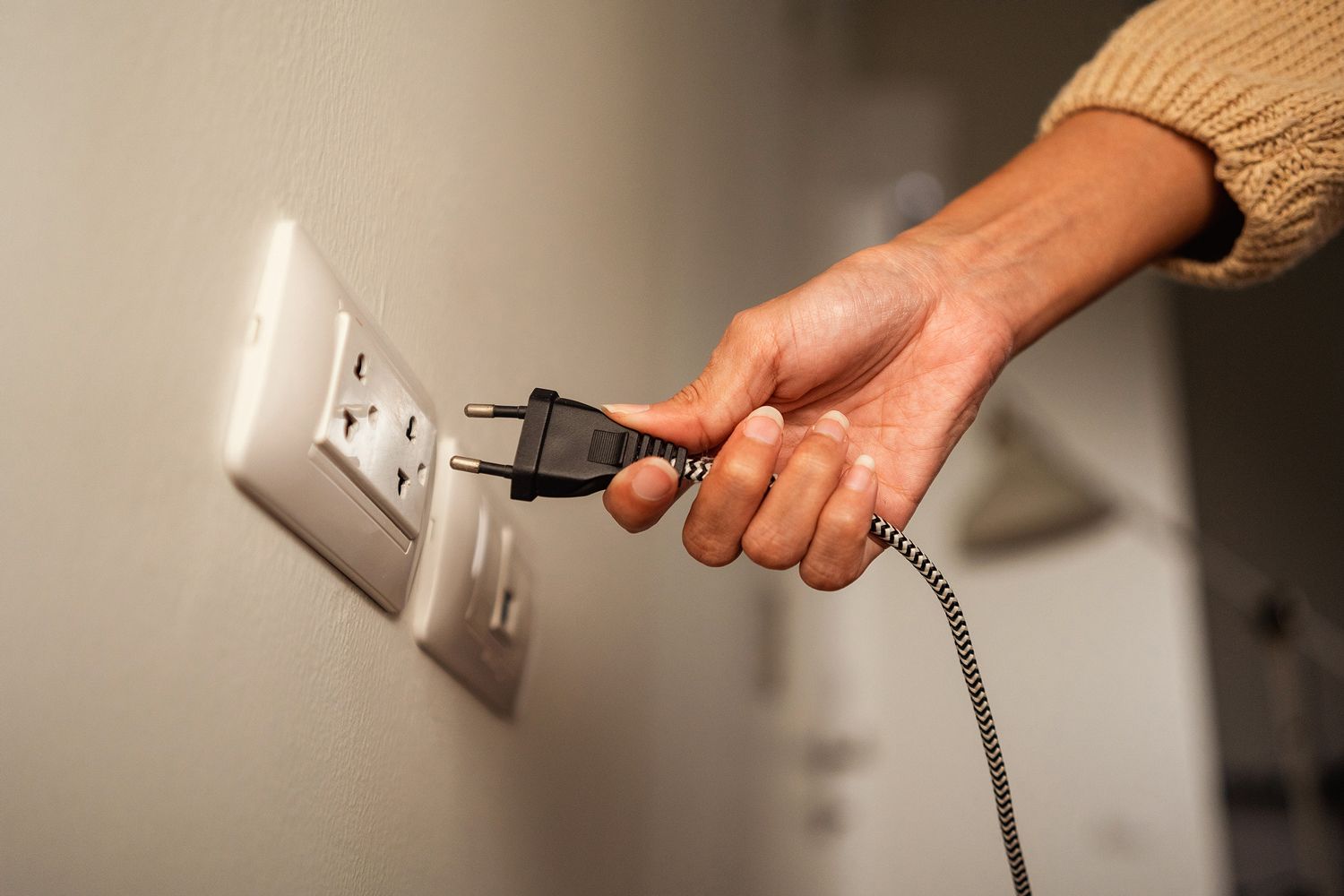
When power is restored, the sudden surge of electricity can damage electronics. During a blackout, it’s best to unplug appliances and disconnect other electronics from wall sockets to protect their delicate sensors and components from damage.

Reader Favorites



Keep Your Refrigerator and Freezer Closed
A typical full-sized refrigerator can keep food cold for about four hours without power, while freezers can hold their chilly temperatures for up to 48 hours. Keeping both units closed locks in cold temperatures for longer. However, you’ll need to take action if your power remains off for more than four hours — that means moving meat, dairy, and other temperature-sensitive foods to a cooler with ice to prevent spoilage.

Have a Backup Plan for Medical Devices and Supplies
Some health equipment and medications rely on electricity, such as breathing machines that need to be plugged in or insulin, which requires refrigeration. Creating a backup plan for alternative power sources before a power outage can keep medically necessary supplies operational. You may consider contacting your utility company to be added to a “priority reconnection service” list, which keeps service providers aware of homes that need power for life-supporting medical devices.

Heat and Cook Safely
Heating a meal or your home during an electricity outage can be tricky. Space heaters powered by a generator and fireplaces can provide some heat, though safety experts warn against using any fume-producing fuel sources inside. Never use a gas stove or oven to warm up; always use camp stoves and grills outdoors.

Use Candles With Care
Emergency candles can help brighten a room, though they’re not the safest light source during a power outage or weather emergency. If you have to use them, safety experts recommend using candle holders to prevent flames from tipping over and keeping candles away from flammable items such as curtains, furniture, and carpeting. A better option? Flashlights and lanterns that operate on batteries are safe to leave on if you exit the room and are easier to move around.
Take Precautions When Using Generators
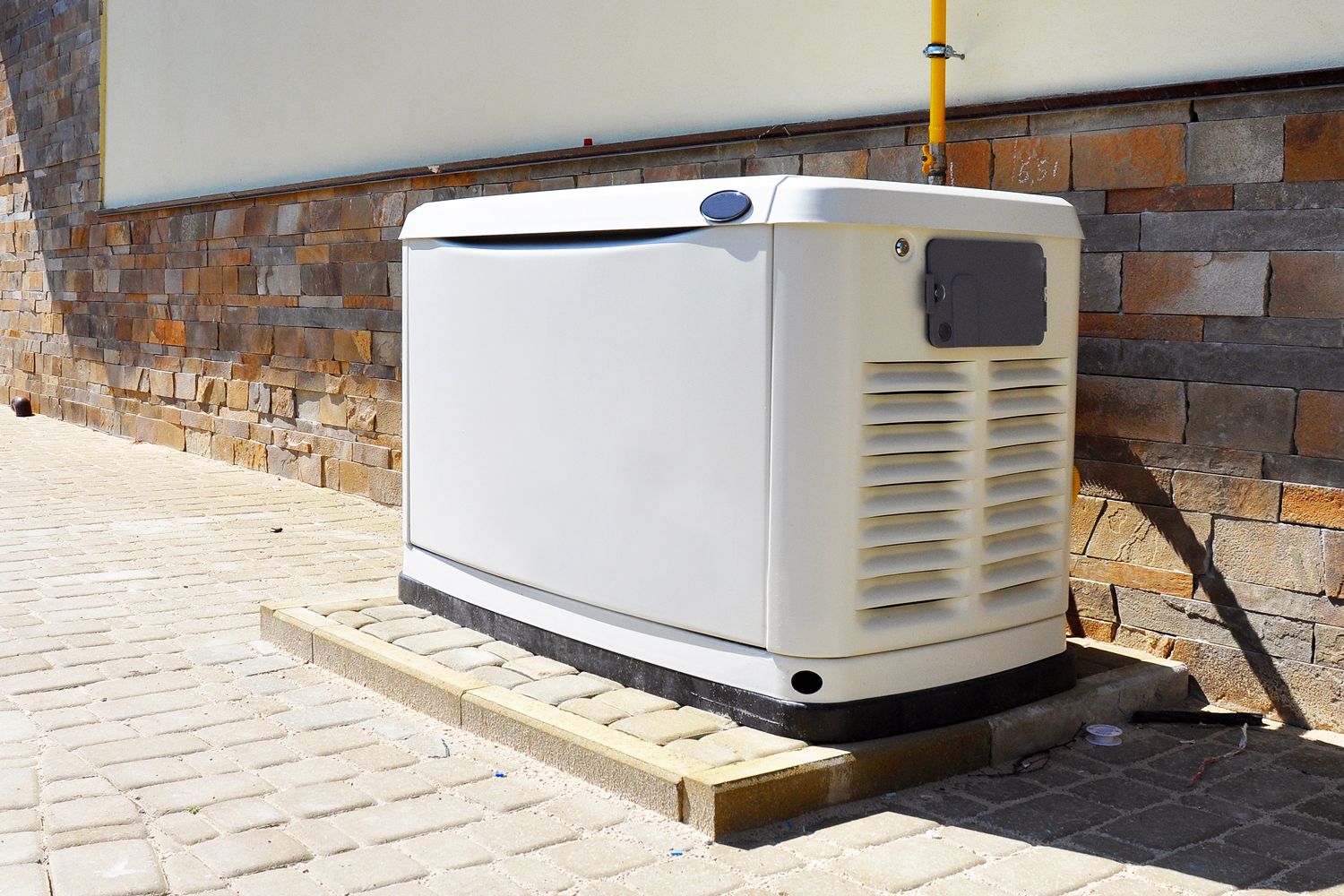
A backup generator is great to have on hand for emergencies, though use it with a few safety tips in mind. Always keep a generator dry and never use one in rainy or flooded conditions. When refueling, always turn off a generator and let it cool before adding more gasoline to prevent accidental fires. Safety experts recommend only operating a generator outdoors (not in a garage) at least 20 feet from windows and doors to keep fumes and carbon monoxide from entering your home.
Invest in an Emergency Radio
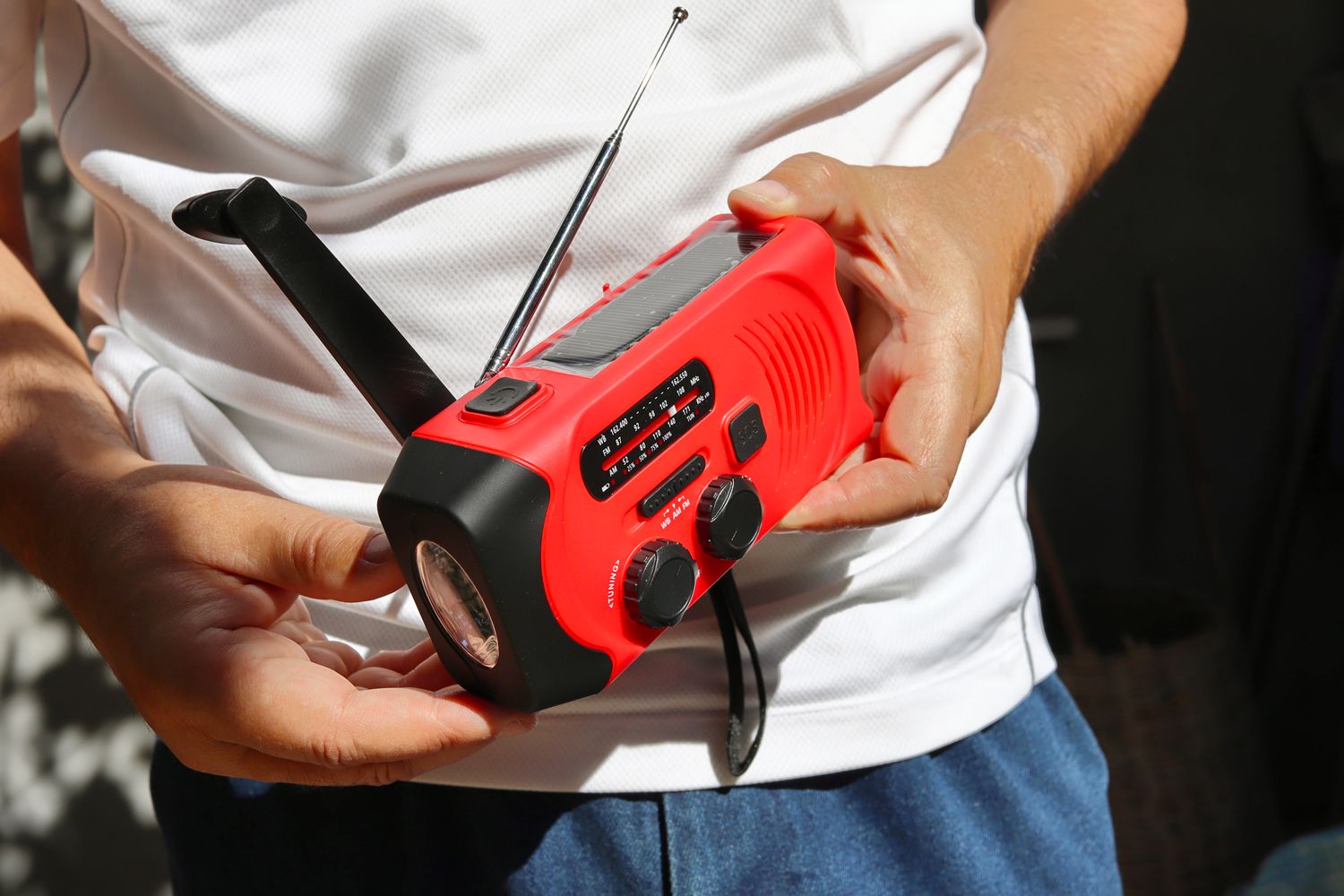
Emergency radios aren’t just for campouts or severe weather — they can help during power outages, too. Consider a model that can charge in multiple ways. Many low-cost models include hand crank, solar, battery-powered, and USB charging options. Most emergency radios can tune into the weather, and AM and FM radio stations, which can provide some entertainment while the internet is out. Plus, newer models often include a USB port, which can charge your phone in a pinch.
Featured Image Credit: recep-bg/ iStock
More From Our Network
Better Report is part of Inbox Studio, an email-first media company. *Indicates a third-party property.






Nicole Garner Meeker is a freelance writer, research editor, and Inbox Studio contributor. Based in St. Louis, she’s an enthusiastic gardener, fiber artist, and connoisseur of fine snacks.
This article is for general informational purposes only.
Affiliate Disclaimer Medical Disclaimer Financial Disclaimer