Should Ketchup Be Stored in the Fridge? How to Store Popular Condiments

You’re not alone if you’ve ever looked for the tiny “refrigerate after opening” print on the back of a condiment bottle. Knowing which condiments to keep in the fridge and which are perfectly safe stored at room temperature can be confusing — not to mention a matter of personal preference. Google no further: Here are the best ways to store the most commonly bought condiments for the best flavor and shelf-life.

Ketchup
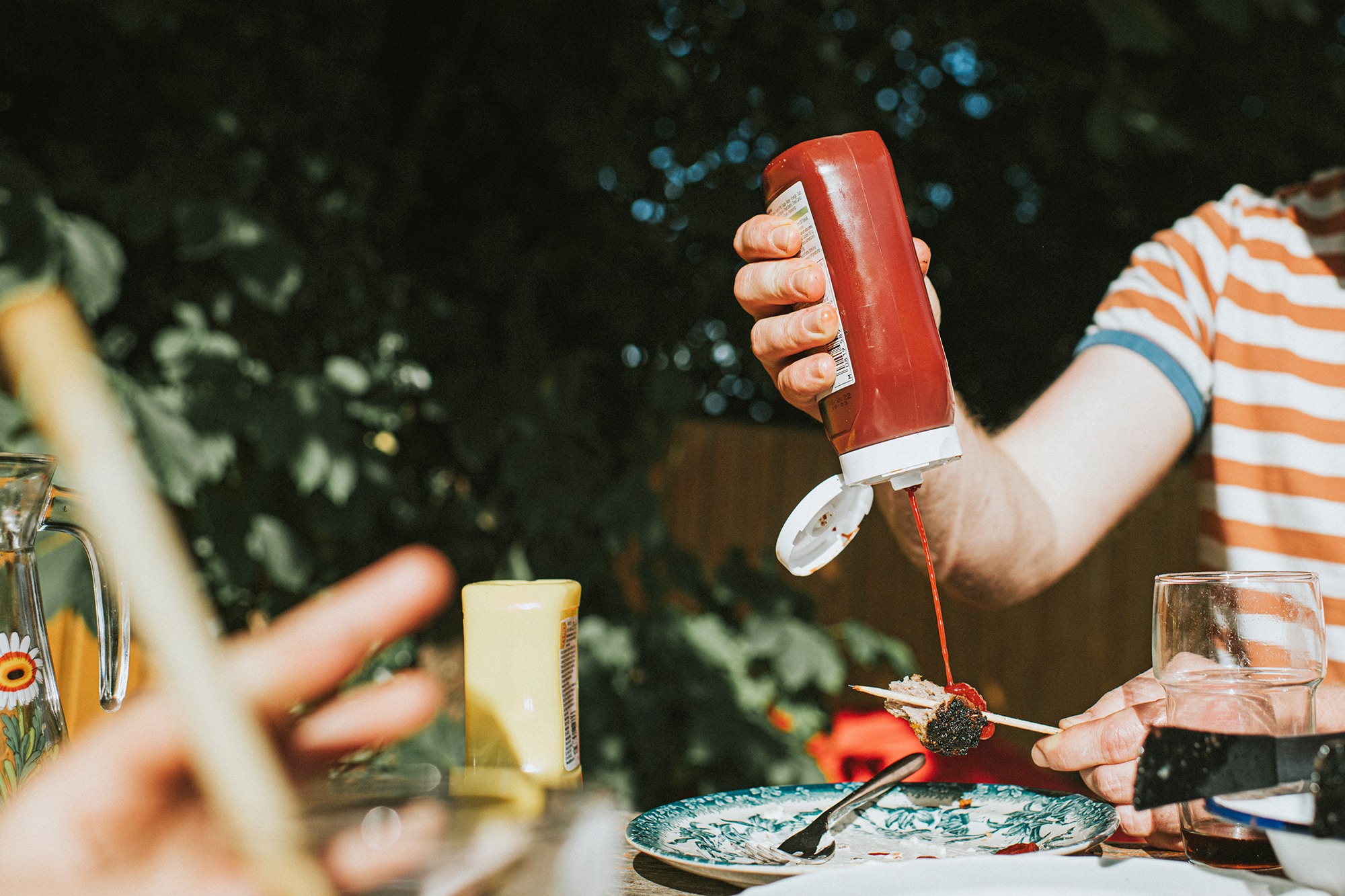
According to the USDA, it’s safe to store unopened ketchup in a pantry or cool cupboard indefinitely, and there’s no need to refrigerate after opening, either. However, you should use it within a month of opening it. To extend the life of your opened ketchup bottle, store it in the fridge for up to six months.
Mayonnaise
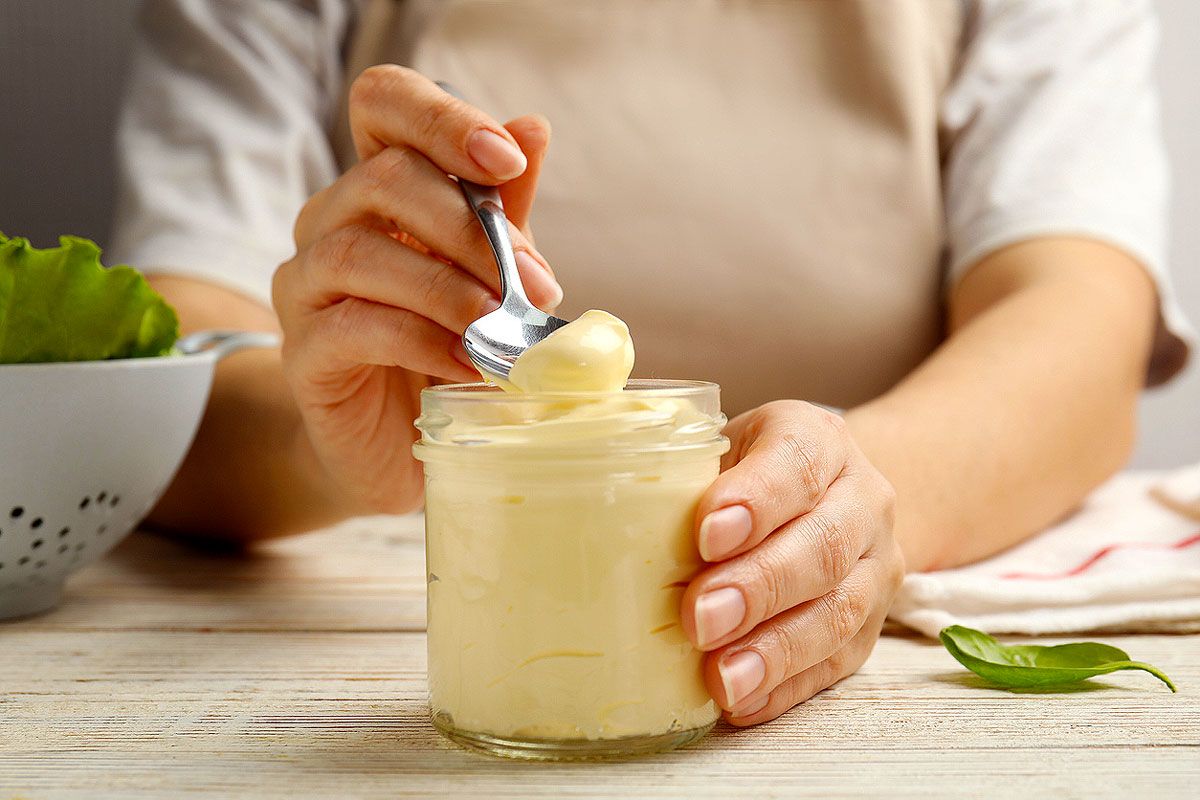
Americans love mayonnaise — the sandwich spread is consistently the top-selling condiment, beating ketchup, mustard, and other condiments. It might seem obvious that this fan favorite should be refrigerated since it contains eggs, but that’s not always the case. Hellmann’s says its jars can be left unrefrigerated for up to a month since the recipe includes vinegar and lemon juice that stunt bacterial growth. However, storing mayonnaise — especially fresh or preservative-free versions — in the fridge is still the best idea since it doubles its lifespan to two months and keeps the flavor tasting fresh.
Mustard
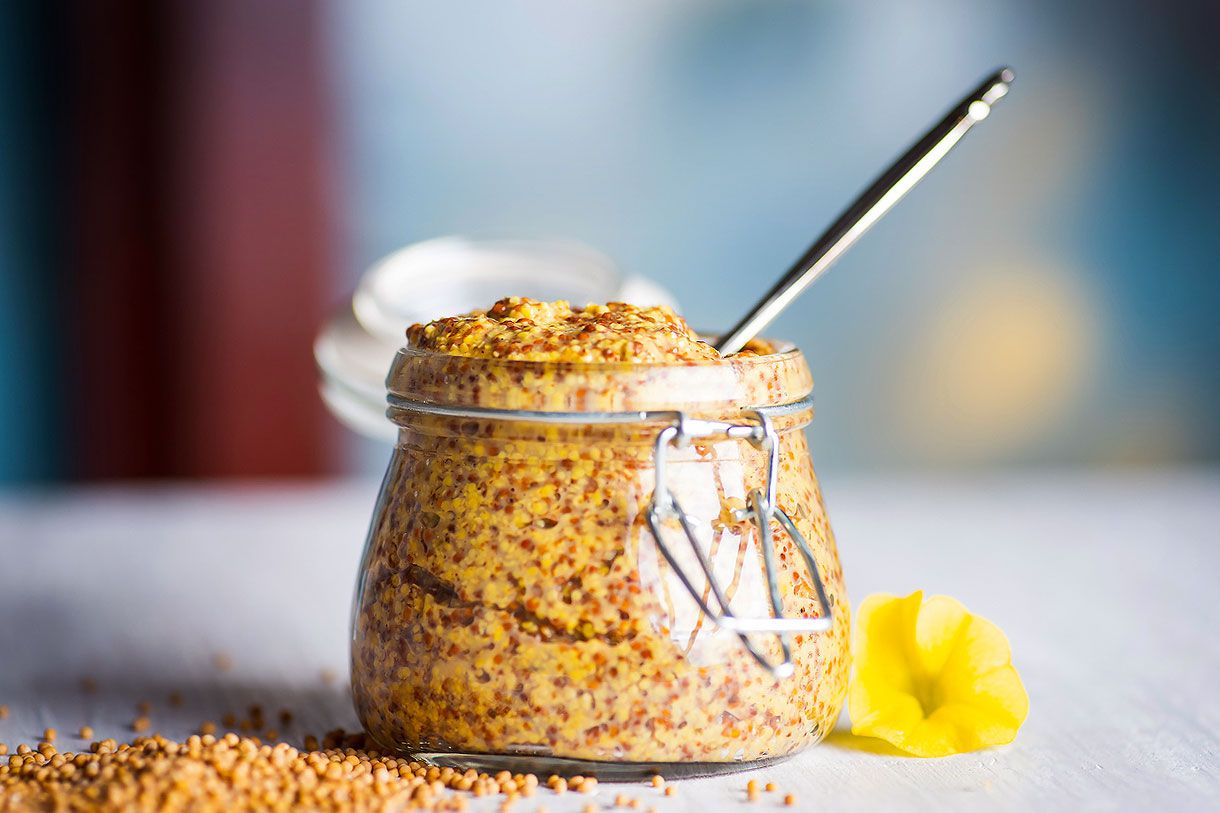
Mustard’s flavorful bite comes from vinegar, which helps keep this condiment fresh and bacteria-free, even if kept in the pantry. Mustard technically doesn’t need to be refrigerated and can last up to two months if stored at room temperature (salty and acidic varieties tend to last the longest). However, refrigeration can help any mustard — yellow, dijon, whole grain, or otherwise — stay fresh for up to a year.

Reader Favorites



Syrup
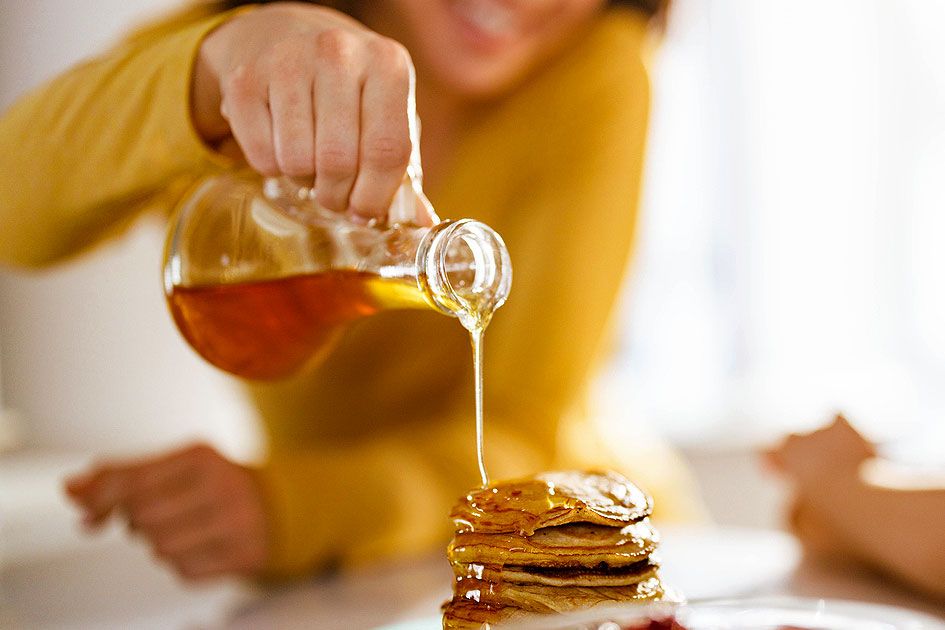
Where you store your syrup depends on what kind you buy. Pure maple syrup — which doesn’t contain preservatives — should be stored in the fridge, which can last up to a year. However, imitation syrups, generally made from cane sugar or high-fructose corn syrup, are shelf-stable and can be kept in the pantry for one year.
Peanut Butter
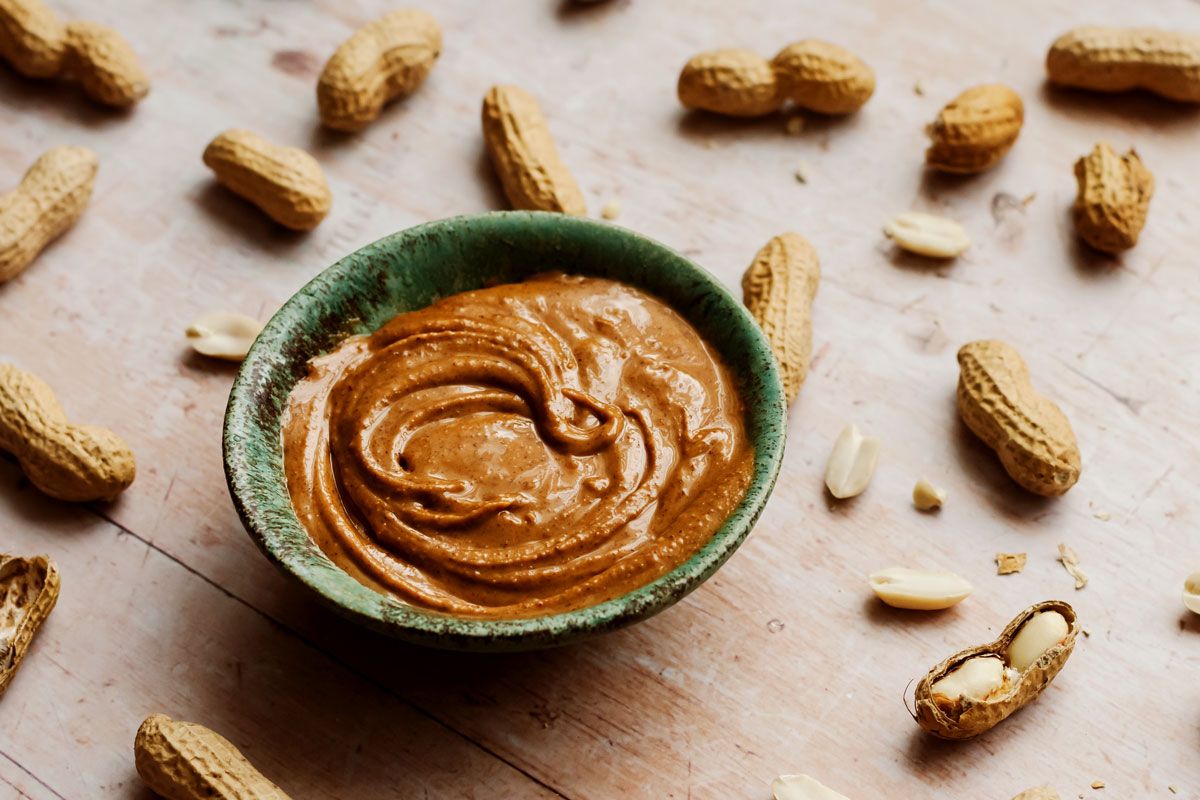
Room-temperature peanut butter is smoothly spreadable for a midday snack, so most people keep it in their pantry. Luckily, food storage experts say this is spot on — there’s no need to refrigerate peanut butter, which stays fresh in a cool cupboard for three months. At that point, unfinished jars can be moved to the fridge, where they’ll gain three additional months of use.
Jams and Jellies
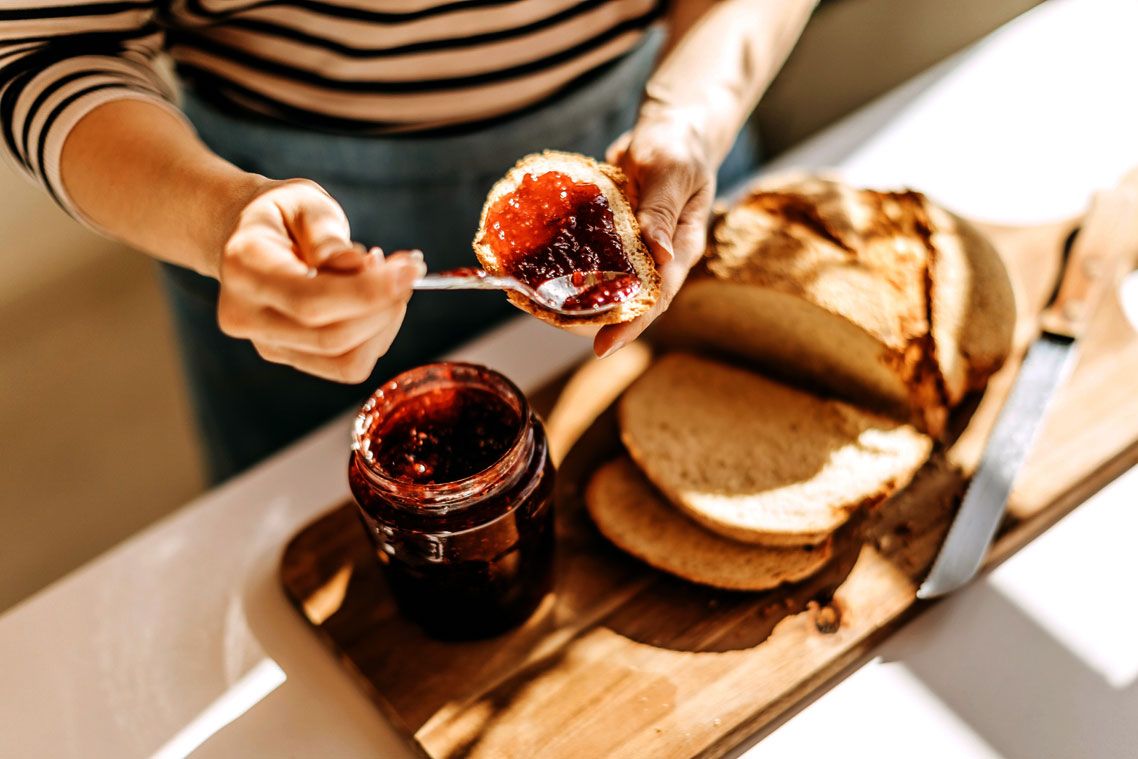
Most condiments can withstand accidentally being left on the counter overnight, though jams and jellies are much more prone to spoilage. Smucker’s recommends tossing any jellies and jams that haven’t made it back into the fridge within 48 hours, to be on the safe side. And don’t let them linger for too long — fruit spreads should be stored in the refrigerator and finished within six months.
Soy Sauce
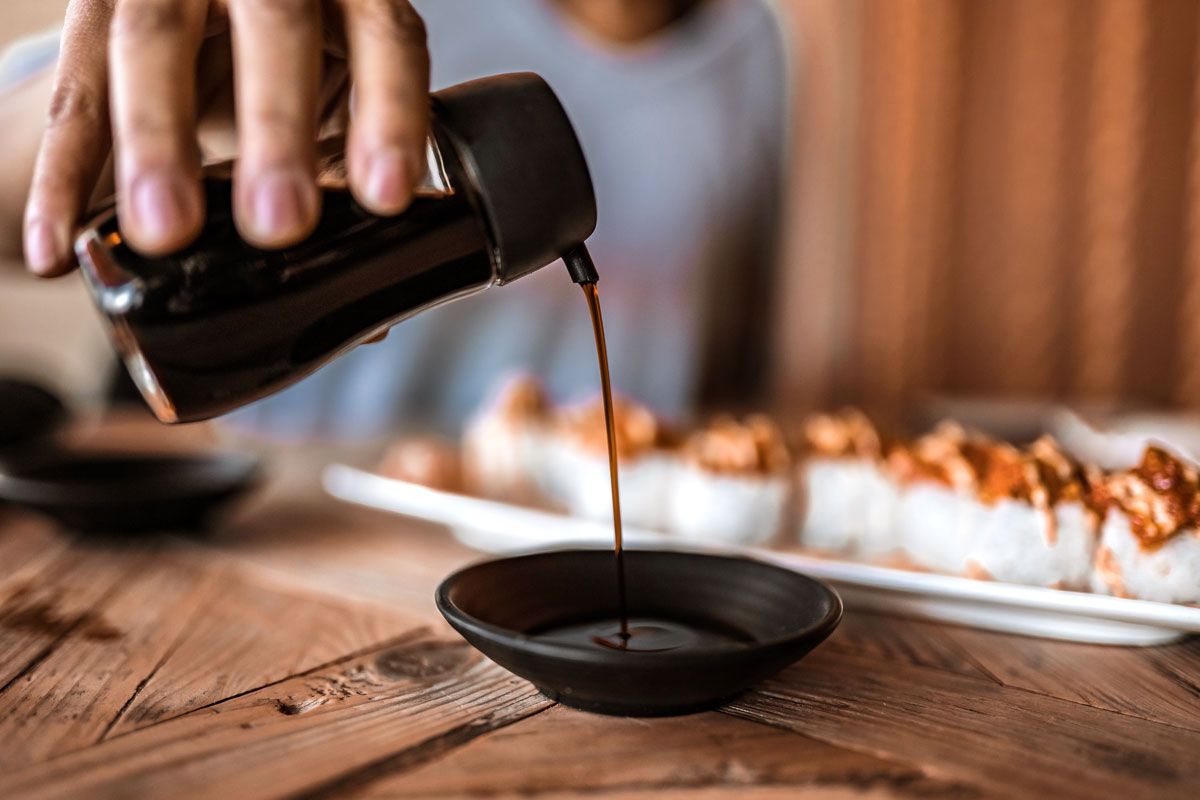
The salt in soy sauce — along with the small amounts of naturally occurring alcohol left behind from fermentation — keep the savory sauce fresh without refrigeration, meaning it’s safe to store at room temperature indefinitely. However, many soy sauce manufacturers recommend keeping bottles in the fridge if it’s not a frequently used condiment, which can maintain its umami flavors for longer.
Honey
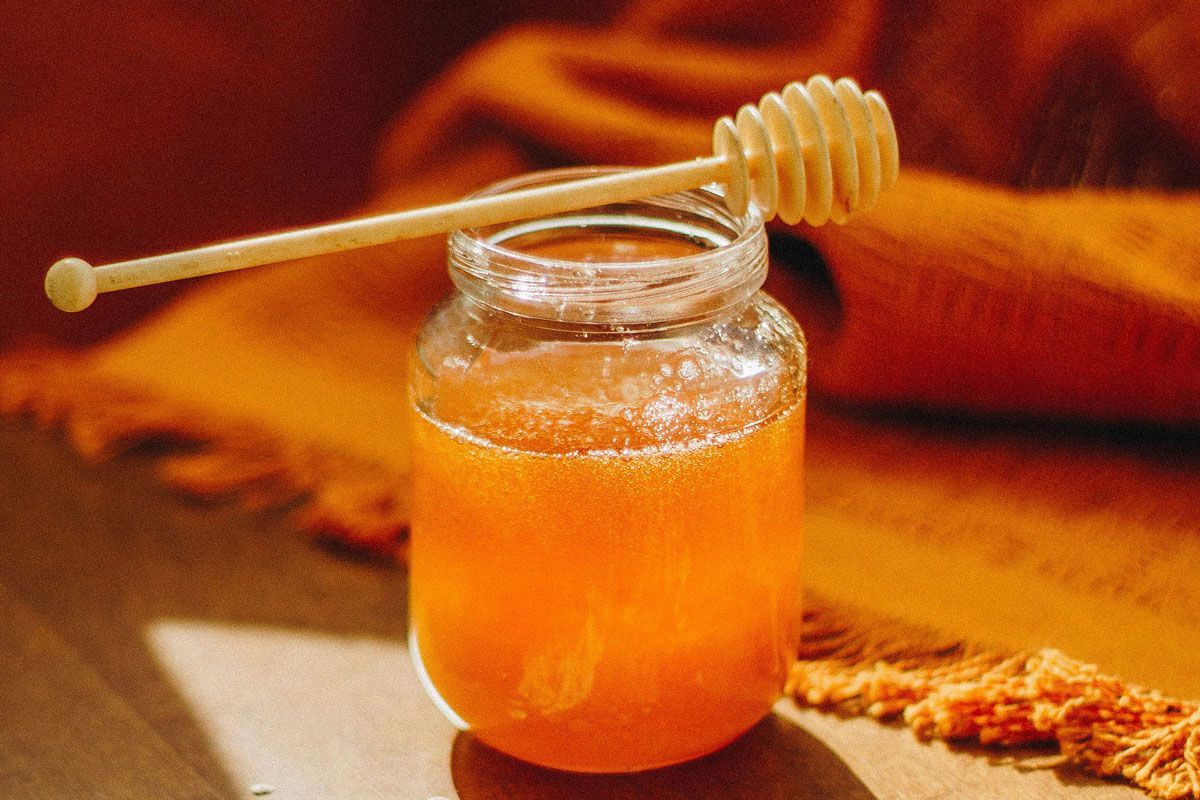
Archaeologists have discovered perfectly preserved honey pots in ancient Egyptian tombs, proving that the sticky, sweet substance doesn’t need refrigeration. Honey is kept best when stored away from sunlight and in a tightly sealed container that prevents moisture loss. However, in a modern kitchen, it’s best consumed within one year for the optimal flavor (and to avoid pesky crystallization).
Featured Image Credit: Isabela Kronemberger/ Unsplash
More From Our Network
Better Report is part of Inbox Studio, an email-first media company. *Indicates a third-party property.







Nicole Garner Meeker is a freelance writer, research editor, and Inbox Studio contributor. Based in St. Louis, she’s an enthusiastic gardener, fiber artist, and connoisseur of fine snacks.
This article is for general informational purposes only.
Affiliate Disclaimer Medical Disclaimer Financial Disclaimer