Skip to content
Better Report
  • Home
  • Health
  • Wealth
8 Low-Maintenance Plants That Thrive on Neglect
  • Search
  • Subscribe
  • Home
  • Health
  • Wealth
  • About
  • Privacy Policy
  • Terms of Use
  • Contact Us
  • SubscribeSubscribe
  • Search
Thank you for confirming your email! Welcome to the community.

Tag: Aging

9 Surprising Signs You’re Aging

Health | Updated: October 29, 2026
Laura Falin
Author
Laura Falin is a freelance writer in Colorado who has written for Business Insider, BabyCenter, Colorado Parent Magazine, and more. She's an avid hiker who loves getting outdoors and taking ridiculously long road trips with her family.
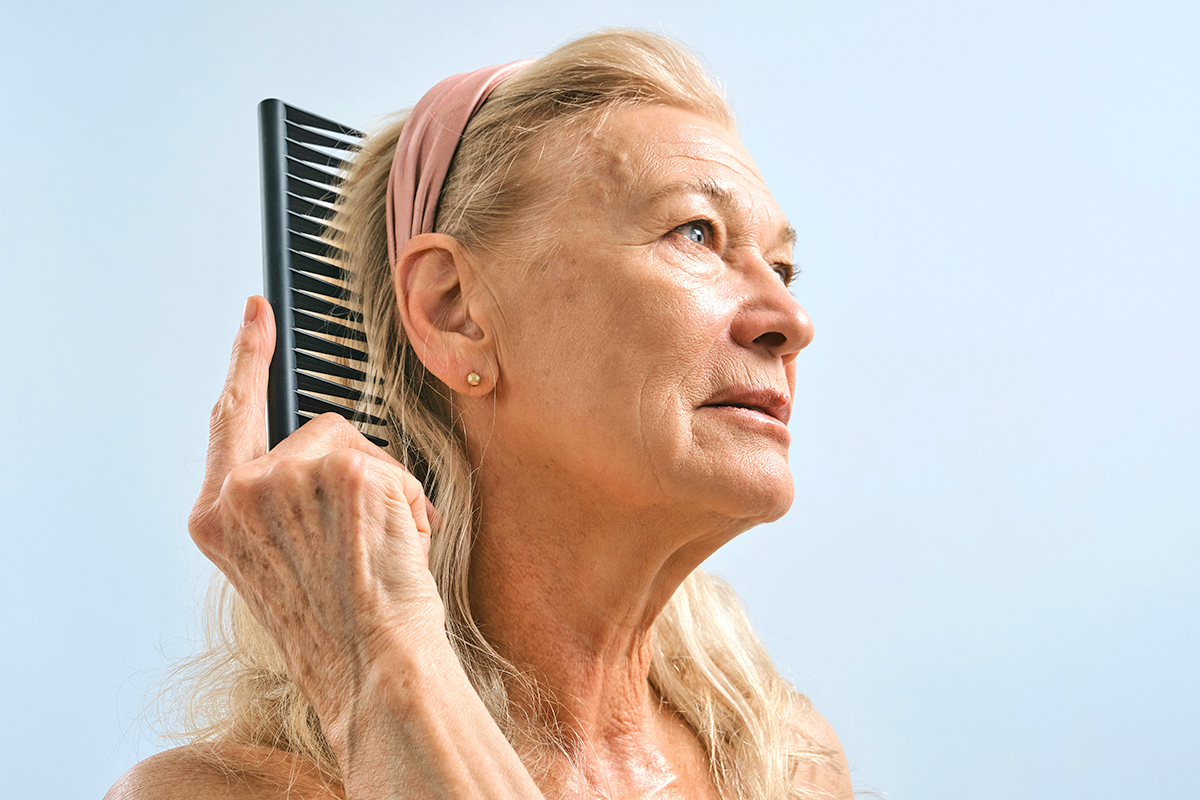
Woman brushing hair
Featured Image Credit: © Andrej Lišakov/Unsplash.com

All featured products and deals are selected independently and objectively by the author. Better Report may receive a share of sales via affiliate links in content.

You’re probably all too familiar with the obvious signs of aging: Your body creaks a little more. You start to smell a bit different. It’s tougher to get out of bed in the morning, and it takes longer to recover after a day of exercise or an injury. But there are some more unusual signs of aging as well. Here are nine surprising things that can happen as you get older.

Shoes
Credit: © CDC/Unsplash.com

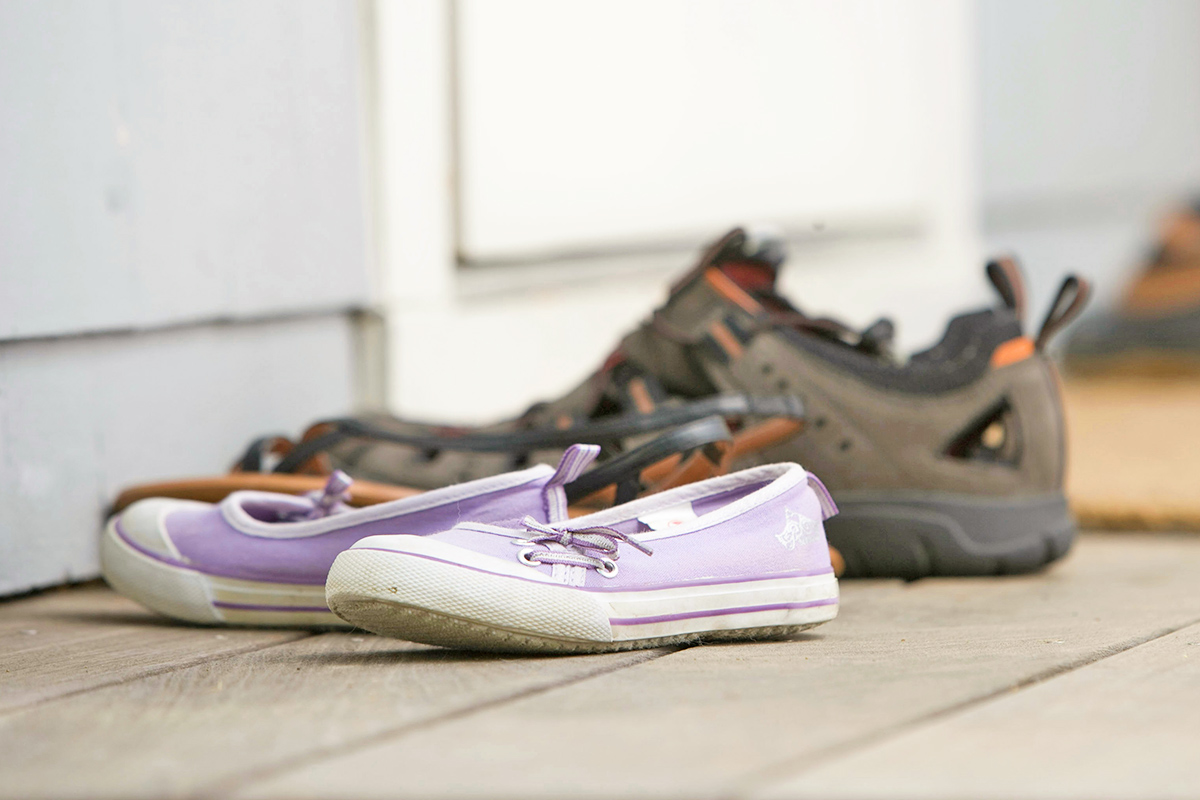
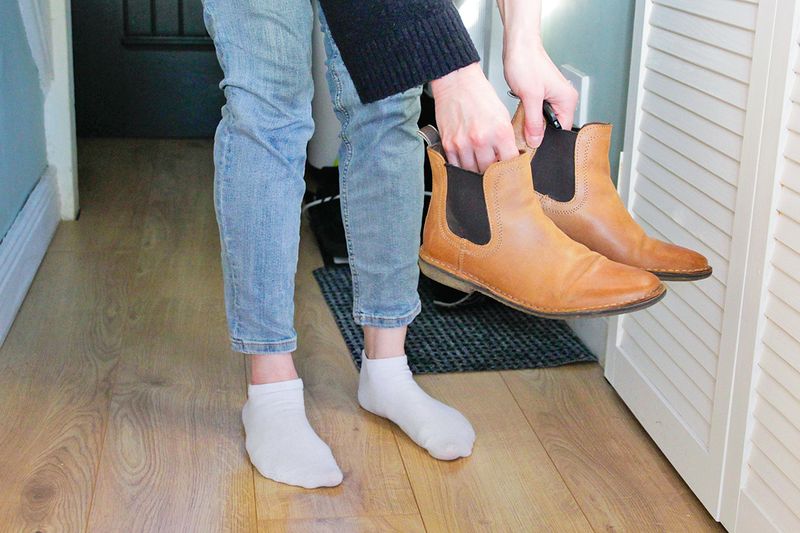
Your Shoes May Stop Fitting

Shoes feeling a little snug lately? That may be due to a natural, if annoying, part of aging: The tissues that support the arches in your feet can get weaker as you get older, and as a result, feet may flatten and become wider and longer. The fat pads that cushion your feet also get thinner with age, so your shoes may feel less comfortable (and you may need a good pair of insoles to help with shock absorption). 

Advertisement
Advertisement
Looking at X-ray of teeth
Credit: © Getty Images/ Unsplash.com

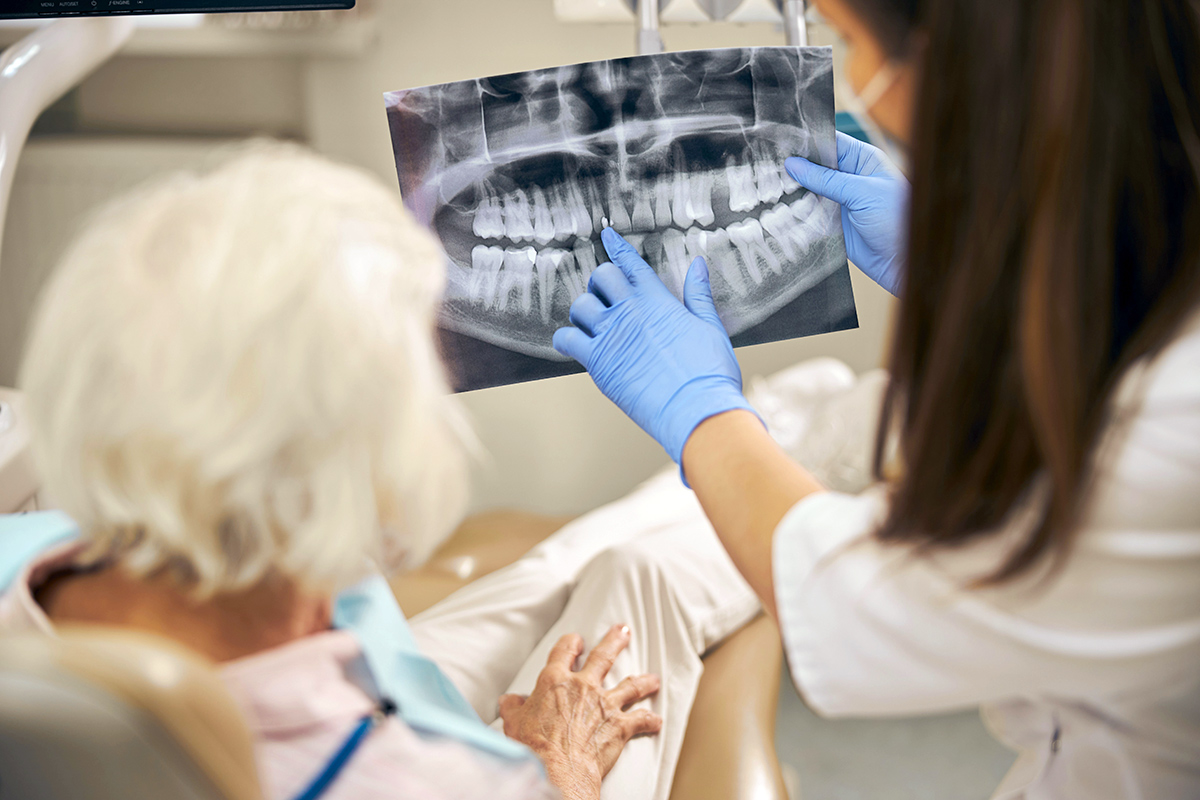
Your Teeth Shift or Look Different

Thanks to things like normal wear and tear, gum and bone loss, grinding, and the fact that teeth naturally creep forward, your smile may change as you age. Your teeth may crowd together or move apart, appear longer due to gum recession, or become shorter thanks to a lifetime of eating or issues such as grinding. Your bite can even change. If you’re experiencing any of these issues, you should consult with your dentist about how to handle them. 

Recommended Articles

  • 6 Holiday Scams To Watch Out For

  • Why Gift Cards Are Actually Terrible Gifts

  • The Strange Reason Why Time Feels Like It’s Moving Faster

  • How To Spot a Fake Amazon Review

Advertisement
Advertisement

Reader Favorites

  • Person washing part of a coffee machine

    18 Surprising Things You Should Never Put Down Your Drain

  • Woman brushing hair

    9 Surprising Signs You’re Aging
  • White car on the road

    The Best Cars for Resale Value, According to Auto Experts

Man on phone
Credit: © Mikel Allica/stock.adobe.com

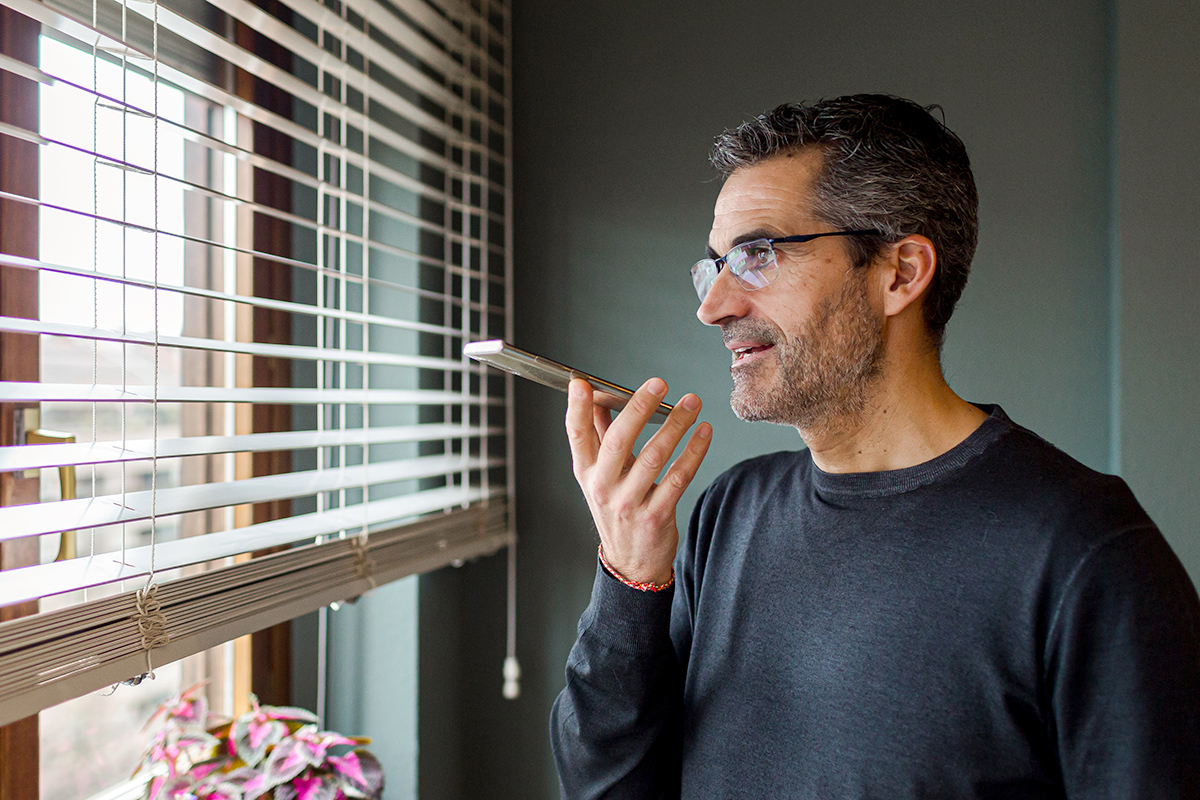
Your Voice May Change

Although your voice may change as you age, there isn’t one uniform pattern to how it may change. The vocal folds get thinner and lose muscle, so your voice may get softer, breathier, or raspier. Women’s voices can also become lower, while men’s can get higher. However, because a change in voice can also indicate a medical problem, it’s best to check with a doctor rather than assuming it’s just a result of aging. 
Advertisement
Advertisement
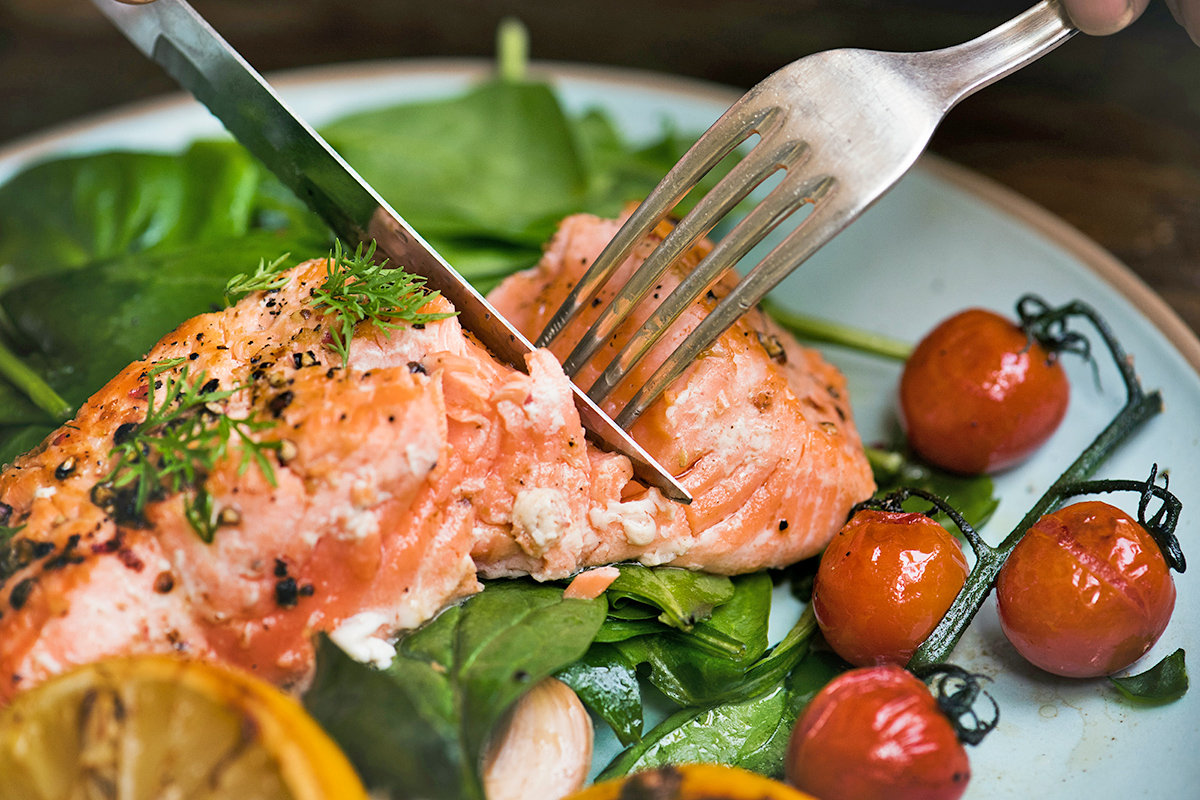
Cutting salmon
Credit: © Curated Lifestyle/Unsplash.com

You May Lose Your Sense of Taste

Detecting flavors in food relies on both your sense of taste and your sense of smell, and both of those senses diminish with age, particularly after 60. Certain medications you may take as you get older can also affect how food tastes. 
Advertisement
Advertisement
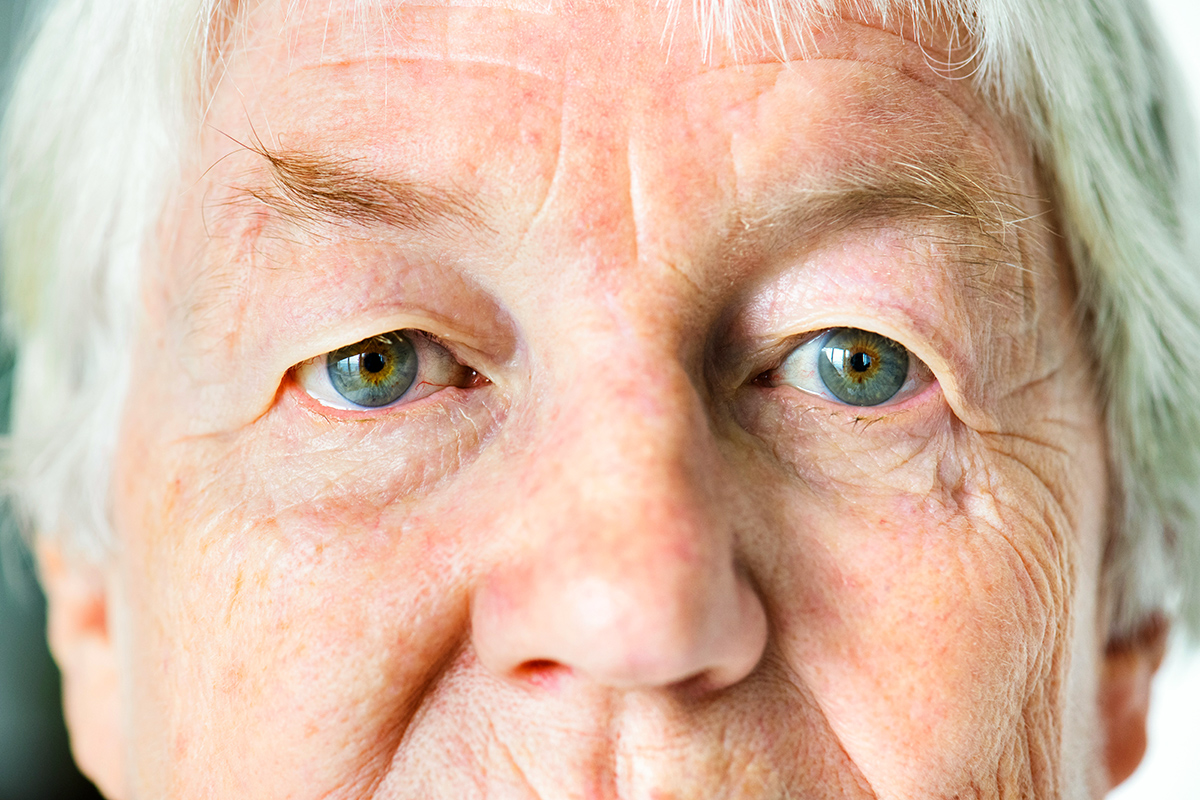
Close up of older person's face
Credit: © Curated Lifestyle/Unsplash.com

Your Skin May Change

With age, skin often produces less oil and gets drier (and itchier). Your body also makes less collagen and elastin, so skin becomes thinner, begins to wrinkle and sag, and bruises more easily. The body also takes longer to heal as you get older, which means that scratches and cuts may stick around longer than they did in your youth. 
Advertisement
Advertisement
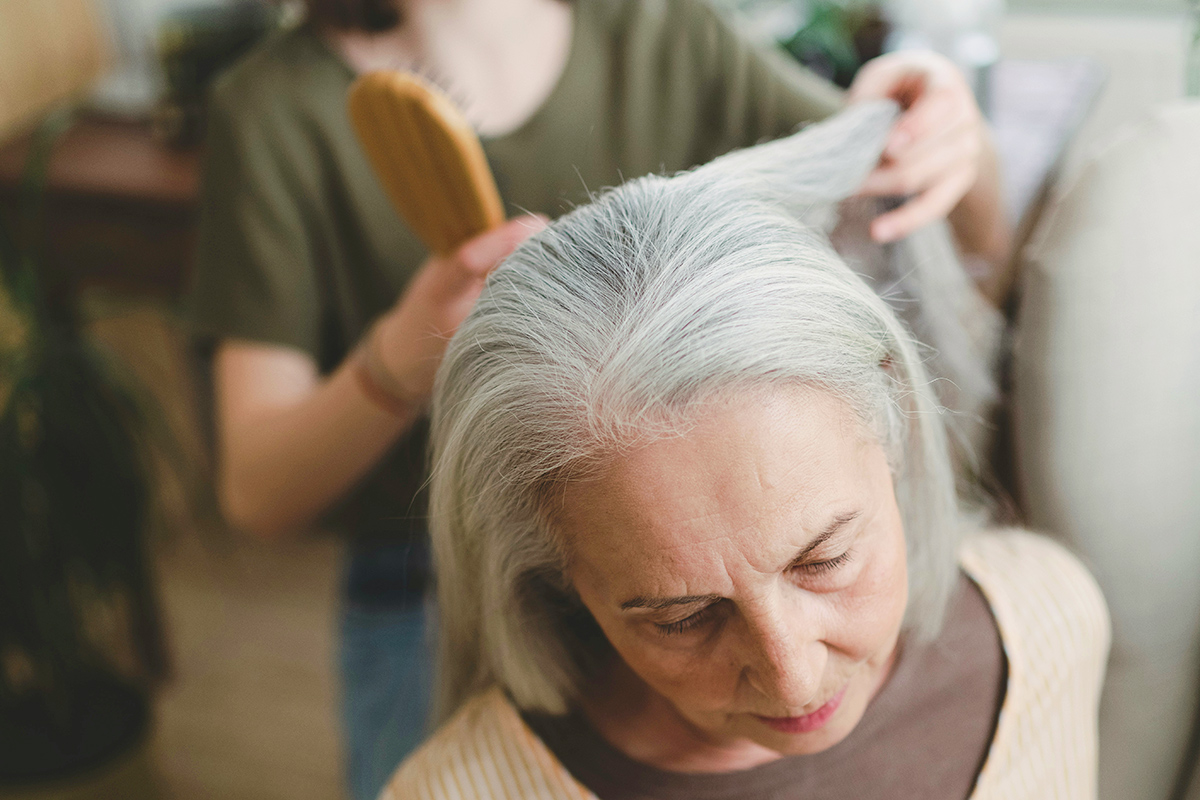
Brushing an older person's hair
Credit: © Getty Images/Unsplash.com

You May Lose Hair … or Grow It in New Places

Getting older means you may lose hair in the places you want it, and find some in new places you don’t. Hair on the head can thin as strands grow more slowly and some follicles stop replacing new hair. People can also develop thicker hairs in the nose and ears and on the upper lip and chin. 
Advertisement
Advertisement
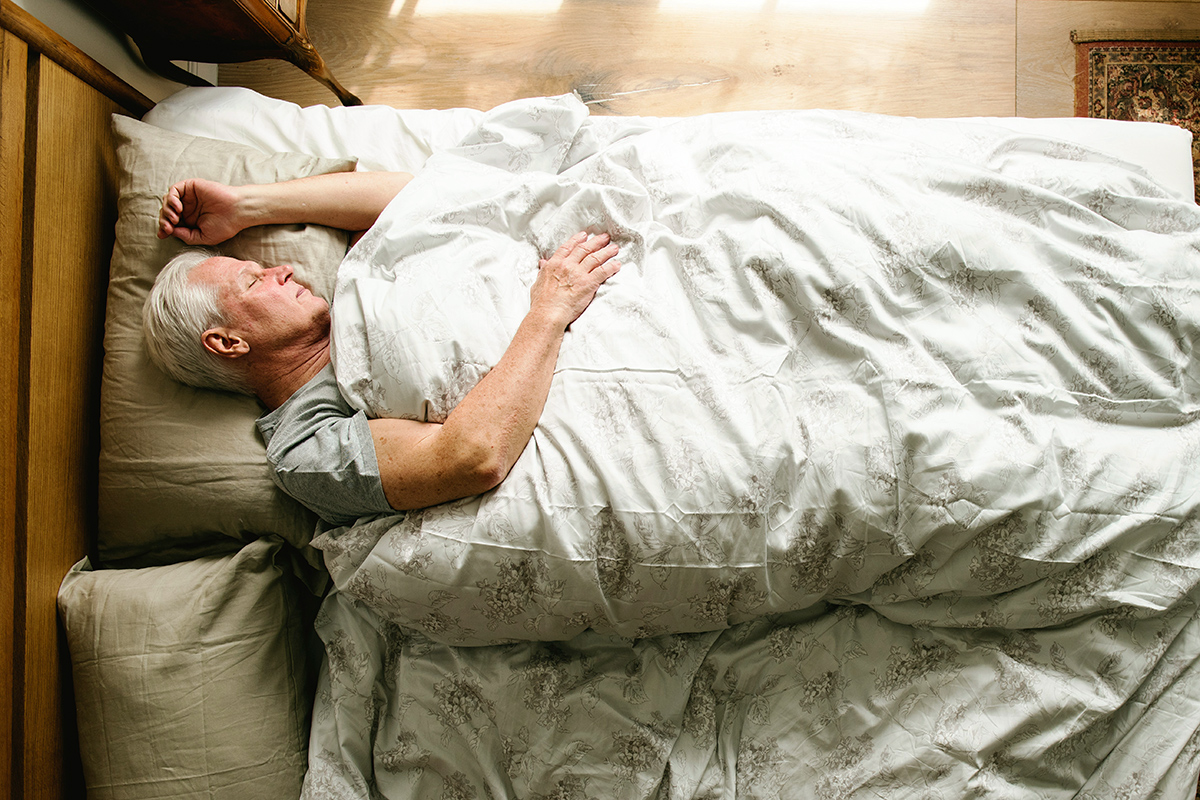
Older person sleeping
Credit: © Curated Lifestyle/Unsplash.com

Your Sleep May Shift

Another thing that tends to change as we age? Our sleep schedules. Older adults often go to bed earlier and wake up earlier in the morning. They may also have a harder time getting to sleep, snooze more lightly when they do, and wake up more often in the middle of the night. This can make getting  the recommended amount of sleep that your body needs — between seven and nine hours — challenging. If you’re having trouble catching z’s, you should talk to your doctor. 
Advertisement
Advertisement
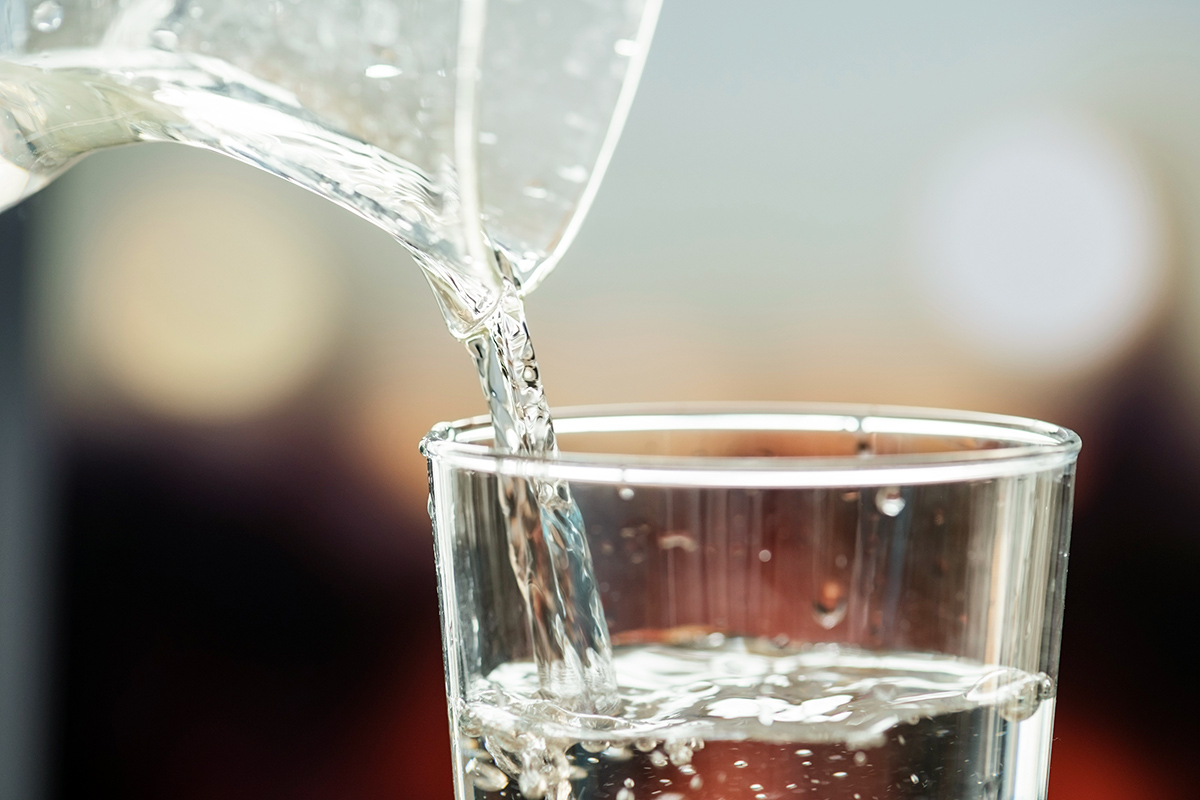
Glass of water
Credit: © Curated Lifestyle/Unsplash.com

You May Be Less Thirsty

As you get older, your sense of thirst weakens, even when you actually need fluids. Your kidneys may also conserve water  less efficiently. Both of these things can contribute to dehydration in older people. 
Advertisement
Advertisement
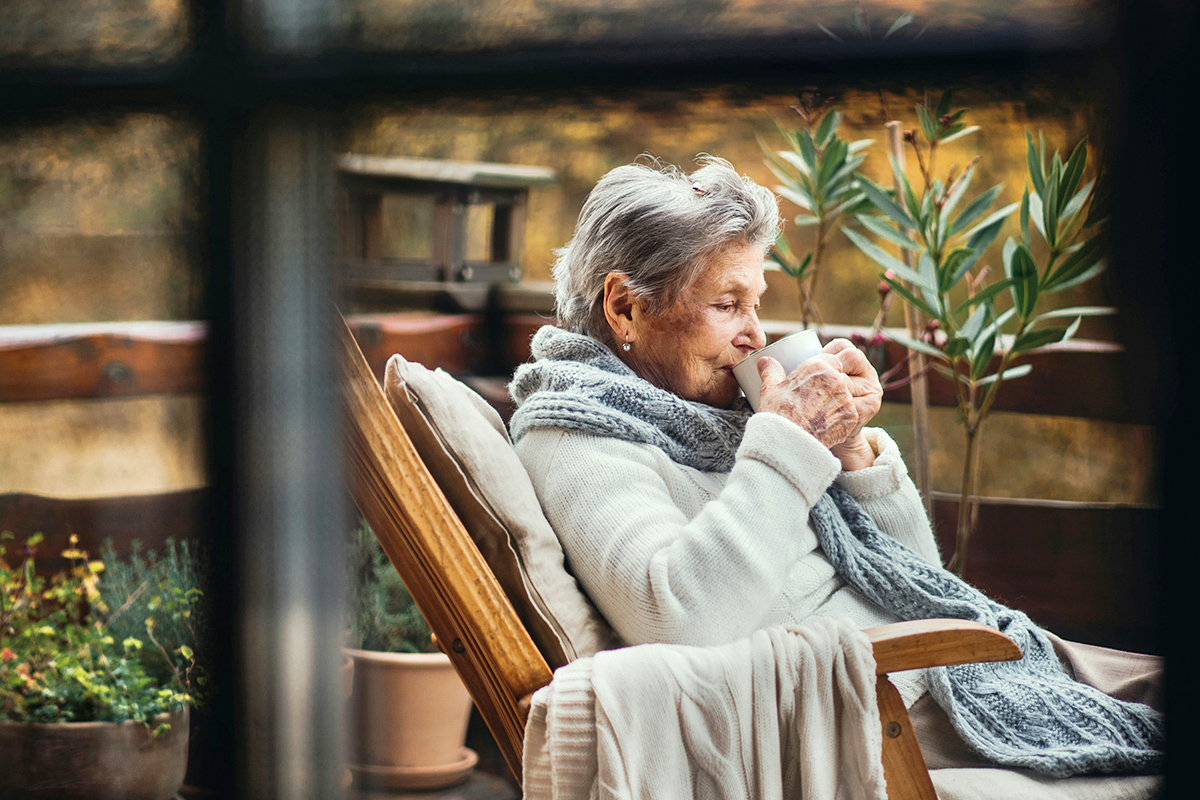
Older person wrapped in blankets
Credit: ©  Getty Images/Unsplash.co

You May Find Heat and Cold Harder To Tolerate

We gain more fat in certain parts of the body as we get older — you may have as much as a third more than you did when you were younger. But that’s not true all over the body. In fact, the fat beneath the skin diminishes as we age, reducing insulation and making us feel colder. At the same time, we experience changes in sweating and circulation that can make it harder to handle the heat. Bodies become less efficient at keeping a steady temperature, which can lead to a bigger risk of heat stroke or hypothermia for older adults. 

Some of these changes are simply quirks of getting older, but others, like a fading sense of thirst, are worth paying attention to for your health. If you have any concerns, be sure to see your doctor.

Featured Image Credit: © Andrej Lišakov/Unsplash.com

Advertisement
Advertisement

More From Our Network

Better Report is part of Inbox Studio, an email-first media company. *Indicates a third-party property.

Go Retro With This 1960s Fashion Quiz

Quiz Daily

Go Retro With This 1960s Fashion Quiz

True or False: Are You a Master of U.S. Geography?

Travel Quiz

True or False: Are You a Master of U.S. Geography?

5 Reasons You Can Be Denied Boarding an Airplane

Daily Passport

5 Reasons You Can Be Denied Boarding an Airplane

What Did People Do Before Eyeglasses?

History Facts

What Did People Do Before Eyeglasses?

How To Use a Balloon To Clean Up Dust

House Outlook

How To Use a Balloon To Clean Up Dust

11 Shopping Hacks Costco Members Should Know

FinanceBuzz*

11 Shopping Hacks Costco Members Should Know

Share this article

  • Share to Facebook
  • Share to Twitter
  • Copy Url
  • Share to Email
Laura Falin
Writer

Laura Falin is a freelance writer in Colorado who has written for Business Insider, BabyCenter, Colorado Parent Magazine, and more. She's an avid hiker who loves getting outdoors and taking ridiculously long road trips with her family.

This article is for general informational purposes only.
Affiliate Disclaimer Medical Disclaimer Financial Disclaimer

Updated: November 14, 2024
Posted In: Health
Hero Image Credit: Featured Image Credit: © Andrej Lišakov/Unsplash.com
Advertisement

Related Articles

The Strange Reason Why Time Feels Like It’s Moving Faster

5 min read

Are the Brown Marks on Your Skin Dangerous?

6 min read

7 Common Meds Seniors Overuse

4 min read

Is It Actually Bad To Wear Your Shoes in the House?

4 min read

15 Dreamy Gifts for a Better Night’s Sleep

11 min read
Advertisement

Why Do We Smell Different As We Age?

Health | Updated: September 30, 2026
Kat Long
Author
Kat Long is a freelance science journalist in the Washington, D.C. area. Previously, she was the science editor at Mental Floss and a digital editor at National Geographic. She now writes the Arctic Archives newsletter on Substack. Kat spends her free time birdwatching, road-tripping to historical sites and perusing old manuscripts at libraries.
Older man with hands on cane
Featured Image Credit: © Getty Images/Unsplash.com

The scent of old books can conjure happy memories of discovering stories in a school library, or rummaging through a used-book store full of buried treasures. A vintage perfume can remind us of the glamorous great-aunt who wore it. But that musty “old person smell”? That’s a different situation.

The particular scent associated with older people — or “human aging-related body odor,” as the scientists call it — is a biological fact of life. Here’s what causes it, plus a few simple ways to make it less noticeable.

Advertisement
Advertisement
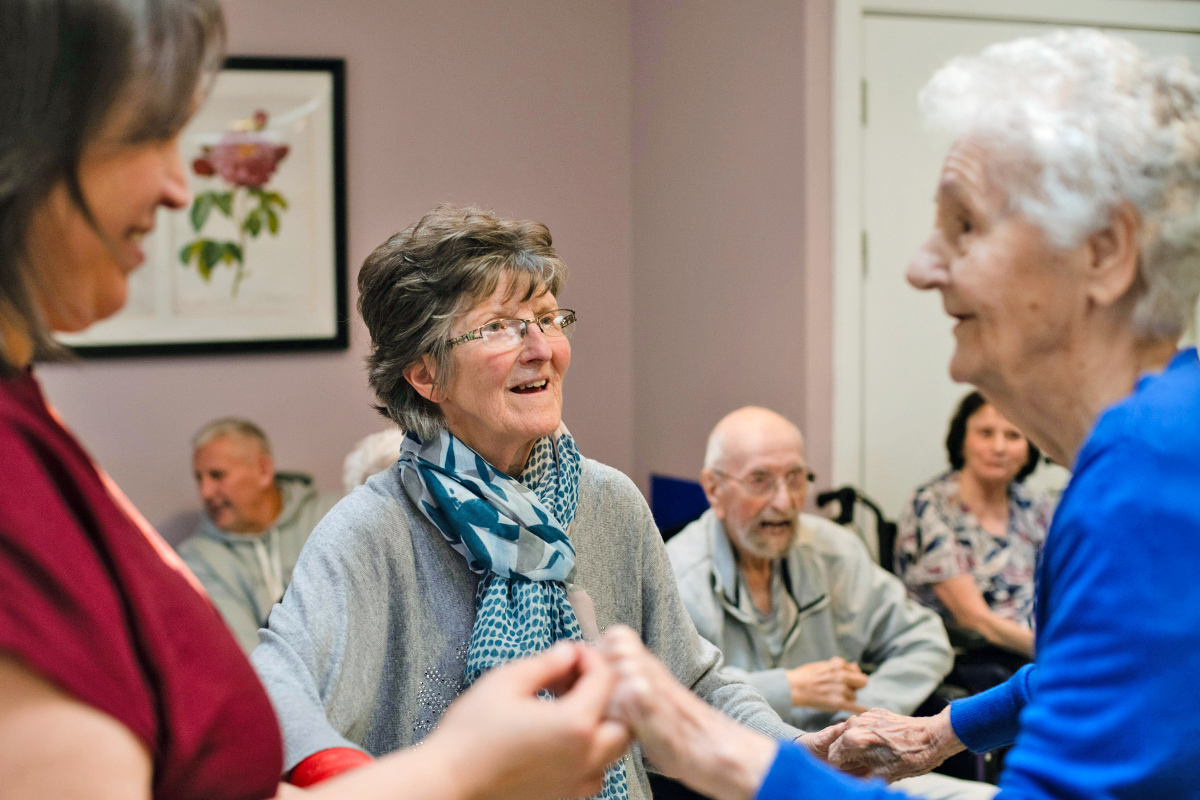
Older people in a room
Credit: © Age Cymru/Unsplash.com

Eau de Old

Humans aren’t the only animals whose natural body odor changes with age. Otters, rabbits, mice, and even owls experience this phenomenon and can tell the ages of members of their species by smell. Our noses can sense it, too: A 2012 study showed humans in a blind smell test had the ability to identify older people by how their particular scent differed from those of younger and middle-aged people.

Chemically, the apparent primary source of the smell is 2-nonenal, a compound “with an unpleasant greasy and grassy odor,” according to the 2001 study that first characterized it. Participants in the smell test of that study detected 2-nonenal only in people who were 40 and older. The compound is released when certain fatty acids on the skin surface start to oxidate (or break down) naturally with age.

Researchers don’t know why some people produce more 2-nonenal than others. The intensity of an individual’s “old person smell” is likely influenced by genetics, the skin’s microbiome, their general health, and the medications they take. The production of 2-nonenal doesn’t always increase at the same rate with age; it might plateau at some point, or not.

Advertisement

Smell is also a subjective experience, and what some consider to be “old person smell” may actually be a combination of scents culturally associated with older people — think menthol (a minty compound in pain-relieving creams) or classic perfumes with powdery, flowery notes. Or, an individual might perceive “old person smell” as a particular scent associated with a specific person, like a grandfather’s aftershave.

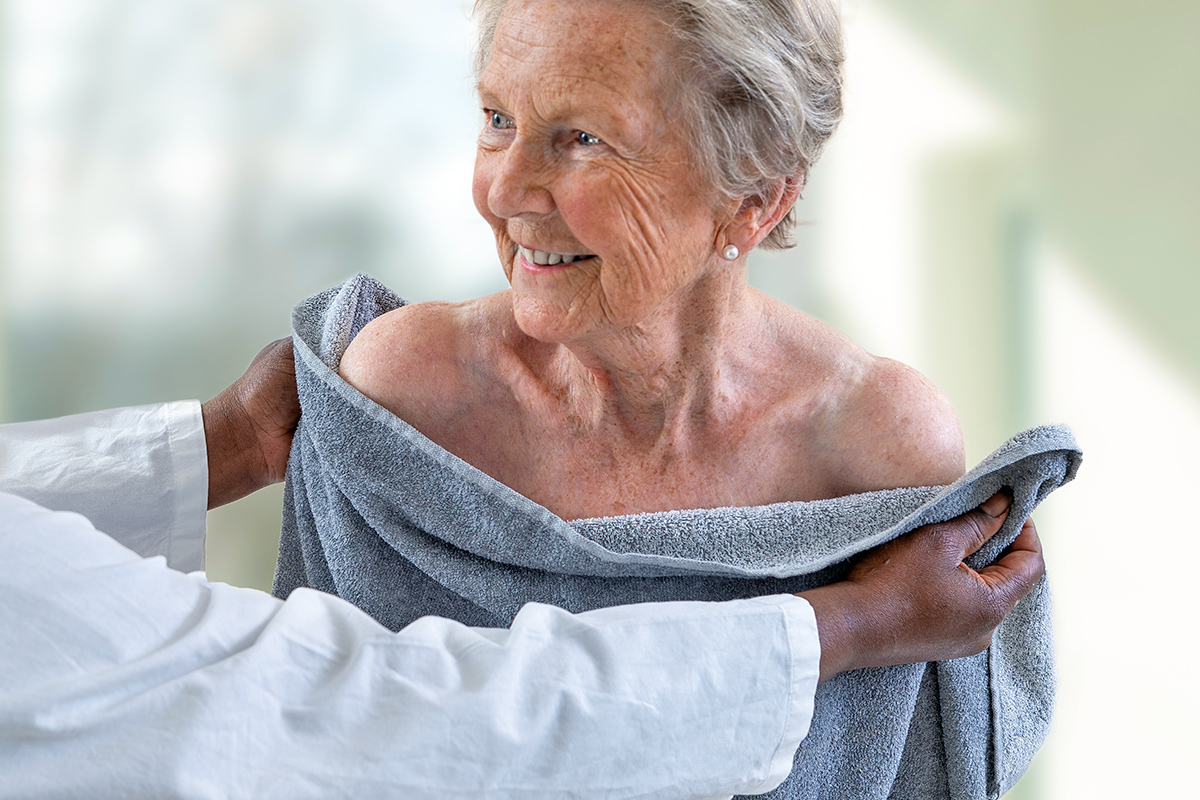
Caregiver toweling off older woman
Credit: © JPC-PROD/stock.adobe.com

It’s Not Poor Hygiene

To be clear, “old person smell” isn’t about needing to take a bath. It’s a byproduct of the skin’s natural aging process, and it happens to all of us. But if you’re concerned about your scent, there are some easy ways to make it less apparent.

Recommended Articles

  • 6 Holiday Scams To Watch Out For

  • Why Gift Cards Are Actually Terrible Gifts

  • The Strange Reason Why Time Feels Like It’s Moving Faster

  • How To Spot a Fake Amazon Review

Advertisement
Advertisement

Reader Favorites

  • Person washing part of a coffee machine

    18 Surprising Things You Should Never Put Down Your Drain

  • Woman brushing hair

    9 Surprising Signs You’re Aging

  • White car on the road

    The Best Cars for Resale Value, According to Auto Experts

Showering or bathing regularly with a lightly scented soap and moisturizing afterward will keep the skin barrier healthy, and using an antiperspirant-deodorant combo will combat sweat as well as odors. Though there’s not much scientific evidence showing that a healthy diet reduces unwanted body odor, it can’t hurt. A diet heavy in fruit, vegetables, and other plant-based foods benefits your overall health, and could, in theory, reduce the need for medications that can alter your body’s smell.

Another possible fix? Limiting behaviors that cause excessive oxidative stress, the main driver of 2-nonenal production. In addition to eating plenty of antioxidant-rich fruits and vegetables, not smoking and protecting your skin from sun exposure “are sensible antioxidation habits,” Dr. Arshad Rather, a geriatrician at University College London Hospitals, told The Guardian. 

Laundering sheets, towels, and clothes on a regular basis may also reduce the presence of “old person smell,” since oils from your skin can linger in fabrics and give them a stale and musty odor over time. You may not be able to eliminate every unwanted whiff, but these simple habits should help.

Advertisement

Featured Image Credit: © Getty Images/Unsplash.com

More From Our Network

Better Report is part of Inbox Studio, an email-first media company. *Indicates a third-party property.

Go Retro With This 1960s Fashion Quiz

Quiz Daily

Go Retro With This 1960s Fashion Quiz

True or False: Are You a Master of U.S. Geography?

Travel Quiz

True or False: Are You a Master of U.S. Geography?

5 Reasons You Can Be Denied Boarding an Airplane

Daily Passport

5 Reasons You Can Be Denied Boarding an Airplane

What Did People Do Before Eyeglasses?

History Facts

What Did People Do Before Eyeglasses?

How To Use a Balloon To Clean Up Dust

House Outlook

How To Use a Balloon To Clean Up Dust

11 Shopping Hacks Costco Members Should Know

FinanceBuzz*

11 Shopping Hacks Costco Members Should Know

Share this article

  • Share to Facebook
  • Share to Twitter
  • Copy Url
  • Share to Email
Kat Long
Writer

Kat Long is a freelance science journalist in the Washington, D.C. area. Previously, she was the science editor at Mental Floss and a digital editor at National Geographic. She now writes the Arctic Archives newsletter on Substack. Kat spends her free time birdwatching, road-tripping to historical sites and perusing old manuscripts at libraries.

This article is for general informational purposes only.
Affiliate Disclaimer Medical Disclaimer Financial Disclaimer

Updated: April 6, 2026
Posted In: Health
Hero Image Credit: Featured Image Credit: © Getty Images/Unsplash.com
Advertisement

Related Articles

The Strange Reason Why Time Feels Like It’s Moving Faster

5 min read

Are the Brown Marks on Your Skin Dangerous?

6 min read

7 Common Meds Seniors Overuse

4 min read

Is It Actually Bad To Wear Your Shoes in the House?

4 min read

15 Dreamy Gifts for a Better Night’s Sleep

11 min read
Advertisement

Why Do We Get Hairier as We Get Older?

Sponsored Content
Health | Updated: May 8, 2026
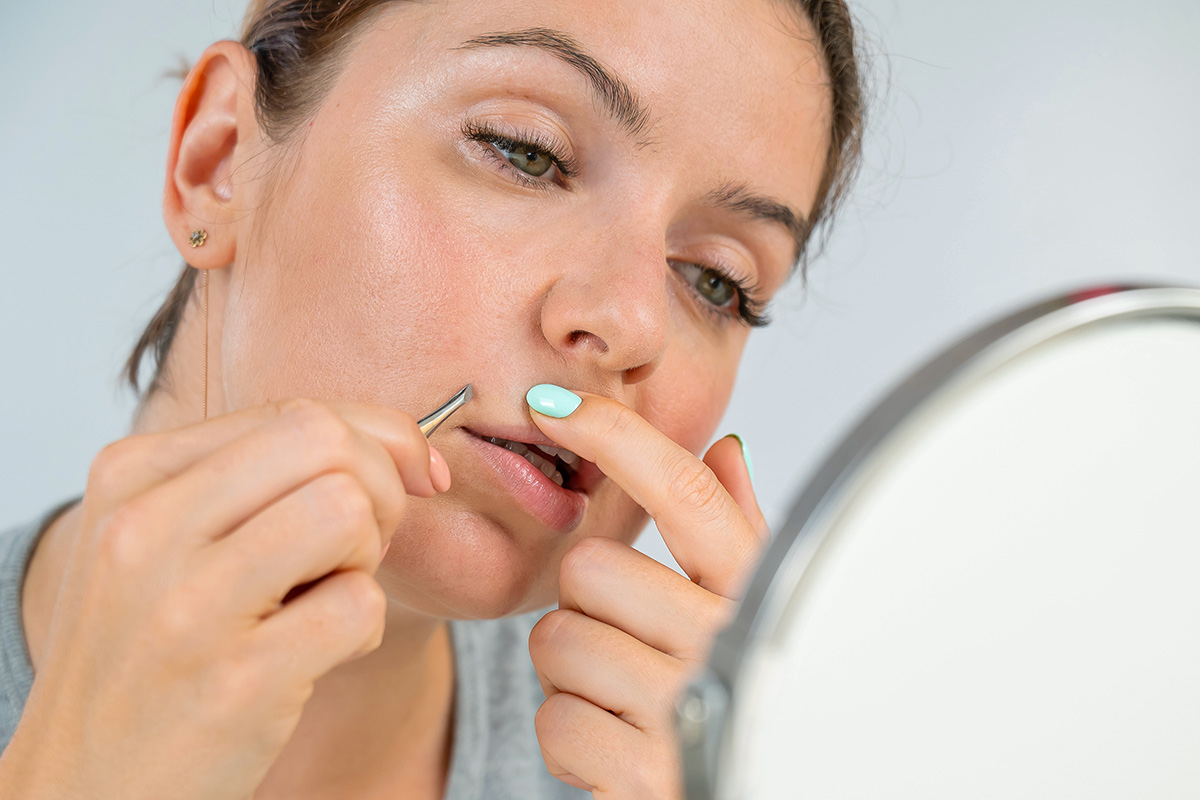
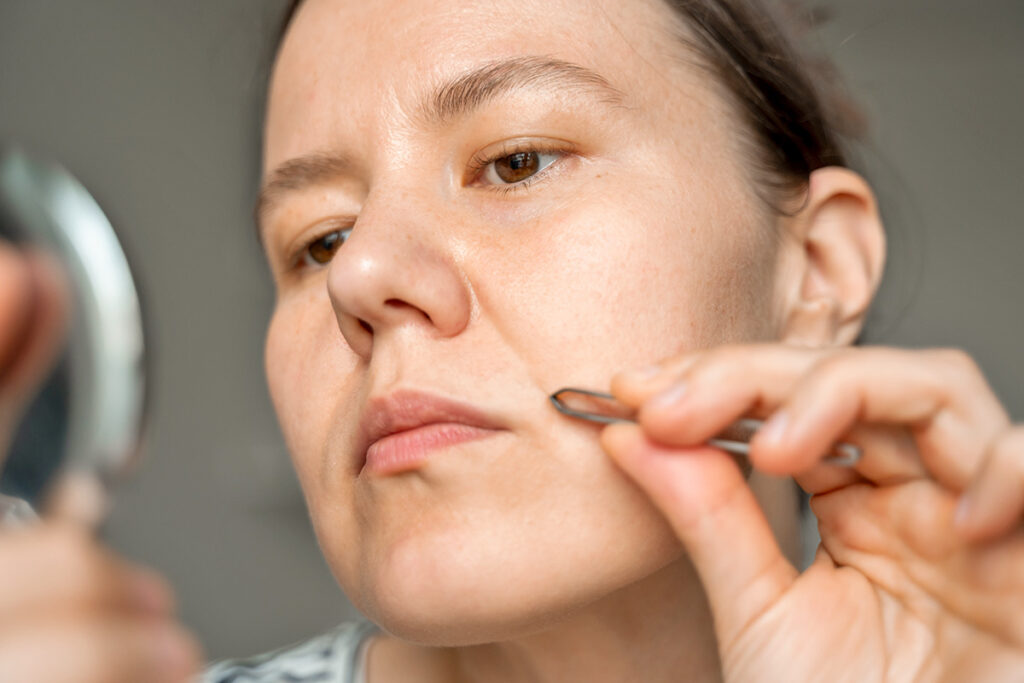
Woman plucking face hair
Better Report

It’s a natural part of aging — unexpected chin hairs, thicker eyebrows, and even newly hairy ears. Many people notice changes in hair growth as they get older, especially in areas that were previously less hairy. Most studies on the effects of age on hair focus on loss rather than growth, but doctors and scientists generally agree on one key factor behind increased growth: hormones. Here’s what you need to know about why hair starts showing up in unexpected places as we age.

Credit: © KinoMasterskaya—iStock/Getty Images

A Hairy Situation

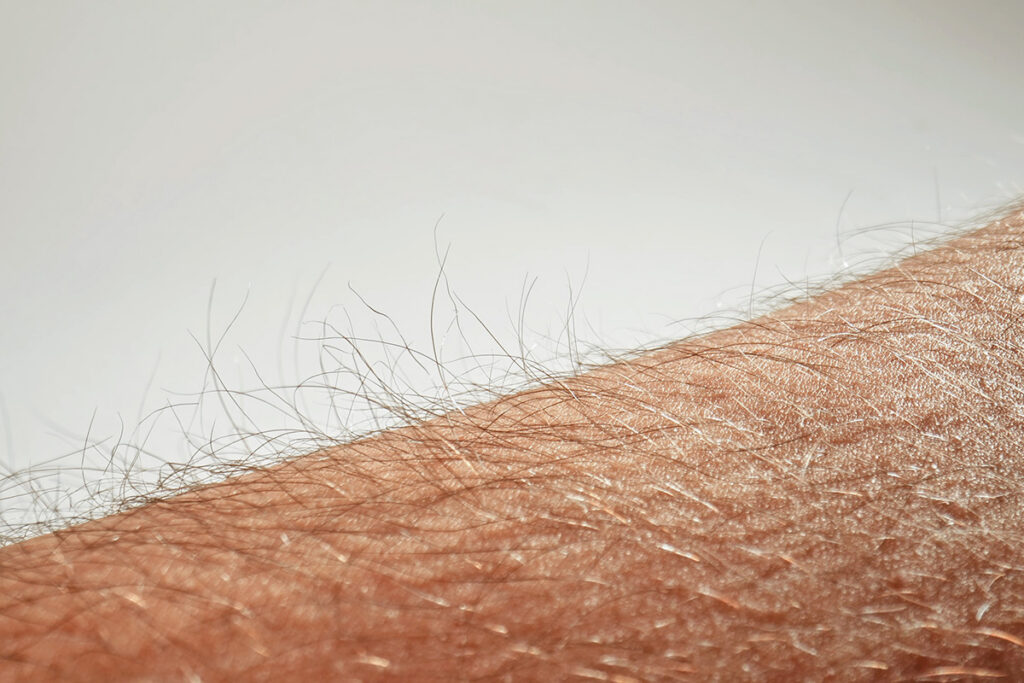
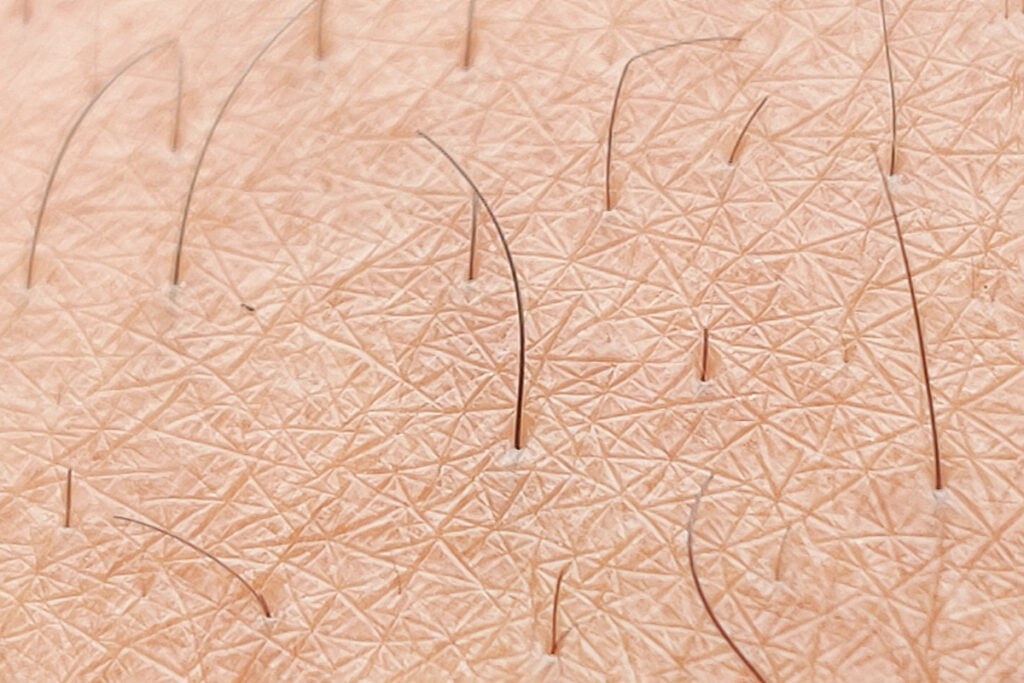
There are two types of hair on our bodies. Vellus hair (or “peach fuzz”) is fine and colorless and covers much of the body, but it isn’t very noticeable. Terminal hair, on the other hand, is stiff and pigmented, occurring on the scalp, under the arms, in the groin area, on the legs, on the face, and in the ears and nostrils. Terminal hair is also more prominent in men than in women. Hormones regulate the growth of both hair types throughout life, and as we age, those signals begin to change.

Advertisement
Advertisement
Close up of dark hair on skin
Credit: © TransPicHub/stock.adobe.com

Testosterone: The Root Cause?

Terminal hair growth is controlled by hormones called androgens, and testosterone — present in all sexes — is the androgen that most affects it. With age, testosterone levels naturally decline, contributing to scalp thinning and hair loss.

Other areas of the body respond differently to hormonal changes — hair follicles are not all the same. Instead, they vary in their sensitivity to testosterone, which explains the paradox of aging hair: Scalp hair thins while other areas grow.

These differences in impact are due to receptors that bind androgens, which are distributed differently across your body. In areas like the brows, ears, and nostrils, hair follicles can become more sensitive to androgens over time, leading to increased growth in some older adults. This means that changes in hormone sensitivity as we age — not just hormonal increases or decreases — affect hair follicles. Notably, one area you probably don’t notice any changes in is the eyelashes, which are not impacted by androgens.

Advertisement
Person brushing hair
Credit: © Andrej Lišakov/Unsplash.com

Changes in the Hair Growth Cycle

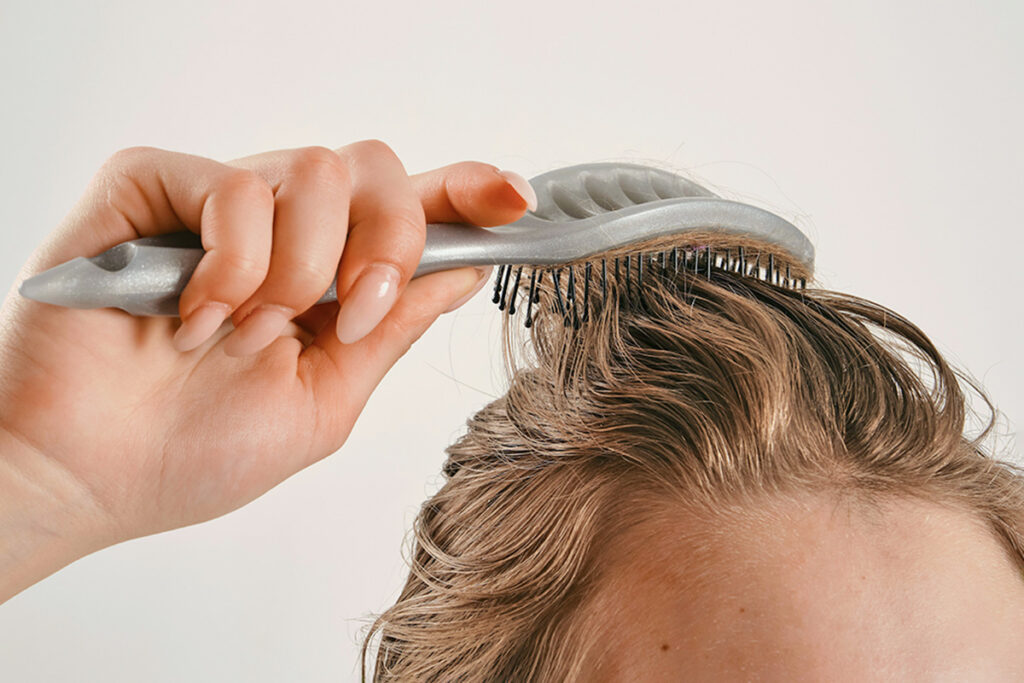
Not only do shifting hormones and sensitivities to them affect hair follicles, but hormones can also disrupt hair growth cycles. Each hair goes through phases of growth, rest, and shedding. With age, the growth phase can lengthen in certain areas of the body due to long-term exposure to testosterone, leading to hair growing longer than ever before.

Recommended Articles

  • 6 Holiday Scams To Watch Out For

  • Why Gift Cards Are Actually Terrible Gifts

  • The Strange Reason Why Time Feels Like It’s Moving Faster

  • How To Spot a Fake Amazon Review

Advertisement
Advertisement

Reader Favorites

  • Person washing part of a coffee machine

    18 Surprising Things You Should Never Put Down Your Drain

  • Woman brushing hair

    9 Surprising Signs You’re Aging

  • White car on the road

    The Best Cars for Resale Value, According to Auto Experts

In addition, long-term testosterone exposure may also cause fine vellus hairs to gradually convert into darker terminal hairs. This doesn’t mean that new hair follicles are forming. Instead, the vellus hairs become much more noticeable, creating the appearance of more hair when, in reality, it’s just coarser and darker.

Woman plucking face hair
Credit: © karetoria—Moment/Getty Images

What About Menopause?

For women, changes in hair growth become more noticeable during and after menopause. As estrogen and progesterone levels decline, their balancing effect on androgens weakens. Even though testosterone levels may also decrease, the relative influence of the androgens becomes stronger.

Advertisement
Advertisement

This leads to changes in hair follicles and increased hair growth, especially on the face, chest, back, and abdomen. It may also cause vellus hairs in various areas of the body to become terminal hairs, making them more visible.

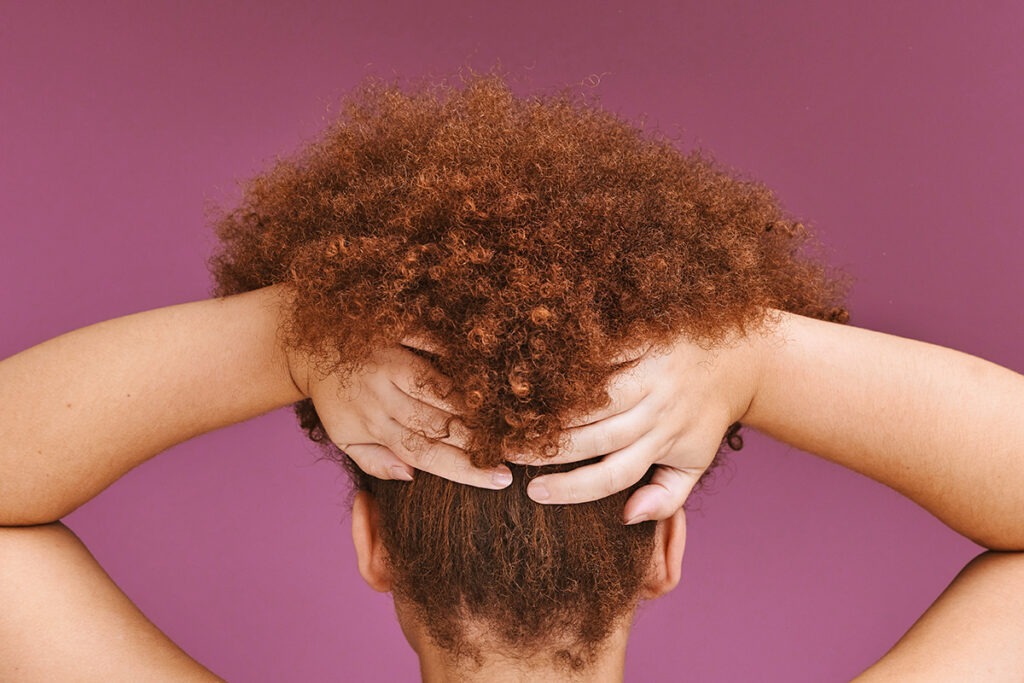
Woman holding up curly hair
Credit: © PeopleImages—iStock/Getty Images

This Change Isn’t Universal

Not everyone experiences the same degree of hair growth or loss as they age. While hormones play a key role, hair patterns are partially genetic, impacting texture, color, and growth. Ethnicity can also influence how hair changes over time, particularly in terms of thickness, color, and distribution.

Advertisement
Advertisement

In most cases, increased hair growth — even in unexpected places — is completely normal. However, if hair appears suddenly, grows rapidly, or is accompanied by other symptoms, it may be worth discussing with a doctor.

Featured Image Credit: © Михаил Решетников/stock.adobe.com

More From Our Network

Better Report is part of Inbox Studio, an email-first media company. *Indicates a third-party property.

Go Retro With This 1960s Fashion Quiz

Quiz Daily

Go Retro With This 1960s Fashion Quiz

True or False: Are You a Master of U.S. Geography?

Travel Quiz

True or False: Are You a Master of U.S. Geography?

5 Reasons You Can Be Denied Boarding an Airplane

Daily Passport

5 Reasons You Can Be Denied Boarding an Airplane

What Did People Do Before Eyeglasses?

History Facts

What Did People Do Before Eyeglasses?

How To Use a Balloon To Clean Up Dust

House Outlook

How To Use a Balloon To Clean Up Dust

11 Shopping Hacks Costco Members Should Know

FinanceBuzz*

11 Shopping Hacks Costco Members Should Know

Share this article

  • Share to Facebook
  • Share to Twitter
  • Copy Url
  • Share to Email
Sponsored Content

This article is for general informational purposes only.
Affiliate Disclaimer Medical Disclaimer Financial Disclaimer

Updated:
Posted In: Health
Hero Image Credit: Better Report
Advertisement

Related Articles

The Strange Reason Why Time Feels Like It’s Moving Faster

5 min read

Are the Brown Marks on Your Skin Dangerous?

6 min read

7 Common Meds Seniors Overuse

4 min read

Is It Actually Bad To Wear Your Shoes in the House?

4 min read

15 Dreamy Gifts for a Better Night’s Sleep

11 min read
Advertisement

The One Supplement Basically Everyone Should Take

Health | Updated: October 17, 2025
Evan Malachosky
Author
Evan is a writer and editor based in Pittsburgh, Pennsylvania. His work has appeared in GQ, Esquire, Popular Mechanics, Gear Patrol, and more.
Better Report

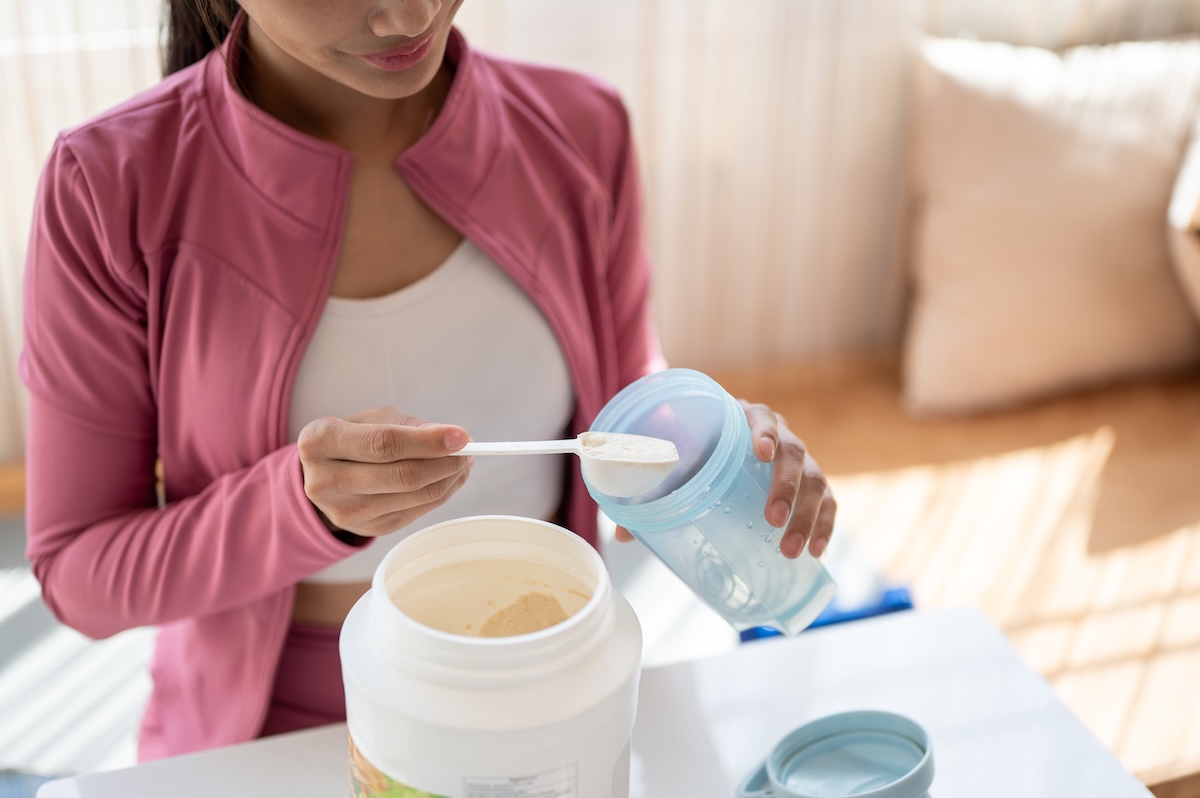
Few things truly are one-size-fits-all — whether it’s hats, socks, gloves, or swimwear. It’s even more of a stretch to suggest any dietary supplement could be, but new research points to creatine as a contender. The powder (or, in my case, gummy) is popular with athletes, bodybuilders, and fraternity brothers, who all say it helps provide the energy needed for high-intensity, short-burst workouts (i.e., lifting weights or playing sports), and build muscle over long periods of time, often through “cycles,” where you rotate the months spent taking the supplement and the months spent off it.

But those benefits have almost always been known. Creatine is one of the simplest, most well-studied, and indisputably legal ways to enhance your physical performance: It’s an amino acid that occurs naturally in the human body, but is also abundant in sources of protein like meat and fish. For an adult, your recommended daily intake is one gram, but athletes have historically taken anywhere between five and 10 grams per day.

Advertisement
Advertisement

Regular, everyday people like you and me — especially vegetarians and seniors over 65 — could benefit from a similar dose, according to the study published by researchers at Texas A&M University. And it’s not just because we need to be in top condition for tip-off or kickoff. Their research suggests creatine does more than give athletes an edge: It powers cells, sharpens the mind, and helps you stay healthy (and ideally live) longer. (It could also protect your brain against traumatic injuries, like concussions.)

Related: 5 Supplements That Actually Help With Aging

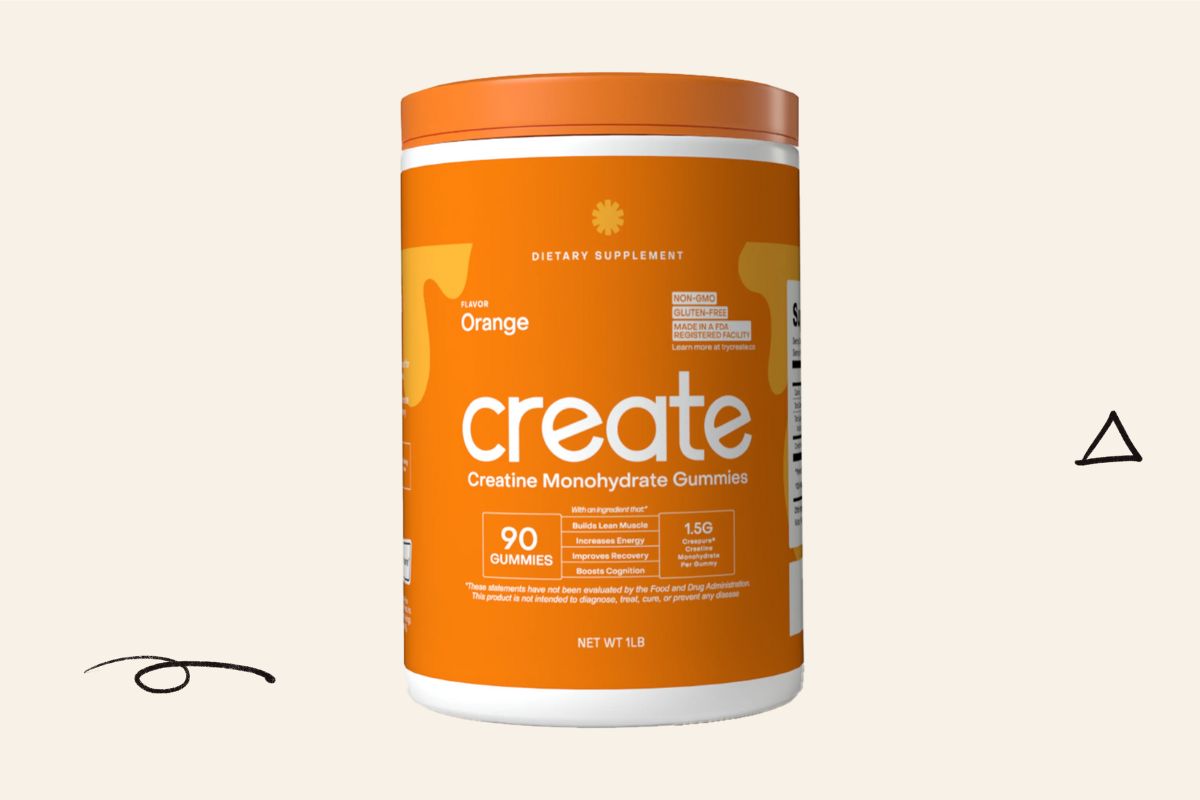
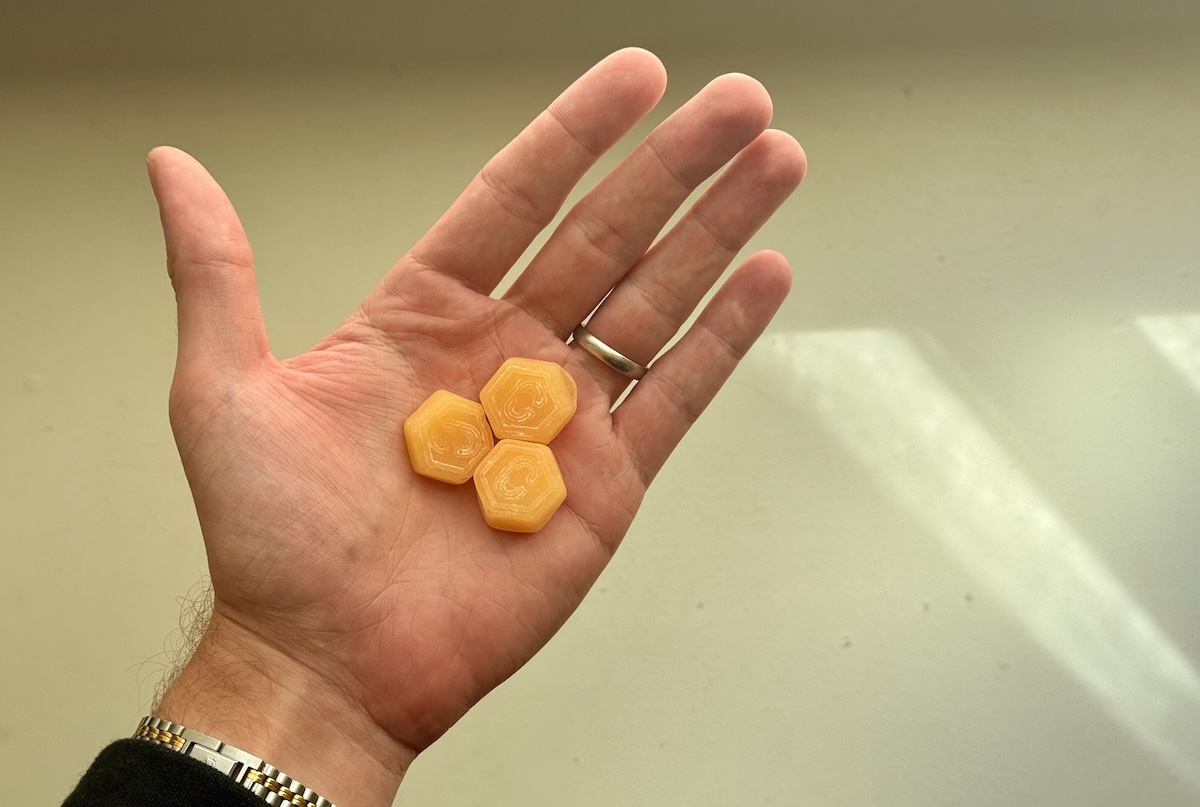
Create Creatine Monohydrate Gummies

Creatine powder, which is what most people buy, always tasted horrible to me. No matter what I added it to, my tongue still picked up its potent, briny blandness. Or, if it weren’t mixed in well, I’d get a mouthful of sandy, chalky paste. So, I gave these gummies a try. And I’m happy I did. Orange is my favorite flavor so far, and it tastes like an orange Starburst, faintly like orange soda. (They’re made with real orange flavor, though.) Texturally, it’s a dense but surprisingly light gummy. It doesn’t get stuck in your teeth, though they can be of varying sizes, which made me wonder about dosing. (A little extra, or a little less, won’t make that much of a difference.) All of this said, they’re not much of a sweet treat, though they pack nominal calories each (11 and 33 per serving, because you’re supposed to eat three).

BUY FOR $60.00 AT CREATE

I’ll be the first to admit that this new research made me add creatine to my regimen. It’s not the first time I’ve tried it, though. In high school and then again in college, friends and teammates of mine would eventually come to the consensus that it was contributing to our gains in the weight room or our wins, in my adolescence, on the ice. So, we kept using it, long before it became trendy or was marketed to anyone besides professional lifters and world-class athletes (us among them, of course).

Advertisement

I’m back on it now, though, because of new indicators that it could help me live longer — or at least live better for longer, by allowing me to preserve muscle mass, maintain my strength as I age, and keep my cognitive health in check. The taste almost deterred me, though, because ask anyone who’s taken creatine before and they’ll tell you it tastes bad — memorably bad. Hauntingly bad. Salty but not savory. A little sweet but not enough so to convince your brain it’s a sweet treat, not a supplement. So, the easiest way I’ve found to add it to my routine is in gummy form. I don’t have to bother with a smoothie if I don’t want one, and I won’t need to buy a Gatorade or some other coyingly sweet beverage to mask the flavor of the powder form. I pop three of these — three is a serving — and go about my day, no matter what time it is. And they’re made with real oranges.

Recommended Articles

  • 6 Holiday Scams To Watch Out For

  • Why Gift Cards Are Actually Terrible Gifts

  • The Strange Reason Why Time Feels Like It’s Moving Faster

  • How To Spot a Fake Amazon Review

Advertisement
Advertisement

Reader Favorites

  • Person washing part of a coffee machine

    18 Surprising Things You Should Never Put Down Your Drain

  • Woman brushing hair

    9 Surprising Signs You’re Aging

  • White car on the road

    The Best Cars for Resale Value, According to Auto Experts

More From Our Network

Better Report is part of Inbox Studio, an email-first media company. *Indicates a third-party property.
Go Retro With This 1960s Fashion Quiz

Quiz Daily

Go Retro With This 1960s Fashion Quiz

True or False: Are You a Master of U.S. Geography?

Travel Quiz

True or False: Are You a Master of U.S. Geography?

5 Reasons You Can Be Denied Boarding an Airplane

Daily Passport

5 Reasons You Can Be Denied Boarding an Airplane

What Did People Do Before Eyeglasses?

History Facts

What Did People Do Before Eyeglasses?

How To Use a Balloon To Clean Up Dust

House Outlook

How To Use a Balloon To Clean Up Dust

11 Shopping Hacks Costco Members Should Know

FinanceBuzz*

11 Shopping Hacks Costco Members Should Know

Share this article

  • Share to Facebook
  • Share to Twitter
  • Copy Url
  • Share to Email
Evan Malachosky
Managing Editor

Evan is a writer and editor based in Pittsburgh, Pennsylvania. His work has appeared in GQ, Esquire, Popular Mechanics, Gear Patrol, and more.

This article is for general informational purposes only.
Affiliate Disclaimer Medical Disclaimer Financial Disclaimer

Updated: May 21, 2024
Posted In: Health
Featured Image Credit: BongkarnThanyakij
Hero Image Credit: Better Report
Advertisement

Related Articles

The Strange Reason Why Time Feels Like It’s Moving Faster

5 min read

Are the Brown Marks on Your Skin Dangerous?

6 min read

7 Common Meds Seniors Overuse

4 min read

Is It Actually Bad To Wear Your Shoes in the House?

4 min read

15 Dreamy Gifts for a Better Night’s Sleep

11 min read
Advertisement

7 Supplements That Actually Reduce Morning Stiffness

Health | Updated: January 27, 2026
Danielle Schlass Saliman
Author
Danielle Schlass Saliman has 24 years of experience writing and editing lifestyle content from fashion and beauty to home and money. She has worked as an Executive Editor at Woman’s World and First for Women, Assistant Editor at Working Mother Magazine, a Research Editor at InTouch Weekly Magazine and has contributed to publications such as Life & Style, Closer Magazine, The New York Post, Brides, Shape En Espanol, Rite Aid, Kmart, Sunrise Senior Living and Philadelphia Style to name a few. Danielle graduated from New York University with a Bachelor of Arts in English and then earned a Masters in Magazine Journalism from Syracuse University’s S.I. Newhouse School of Public Communications.
Better Report

All featured products and deals are selected independently and objectively by the author. Better Report may receive a share of sales via affiliate links in content.

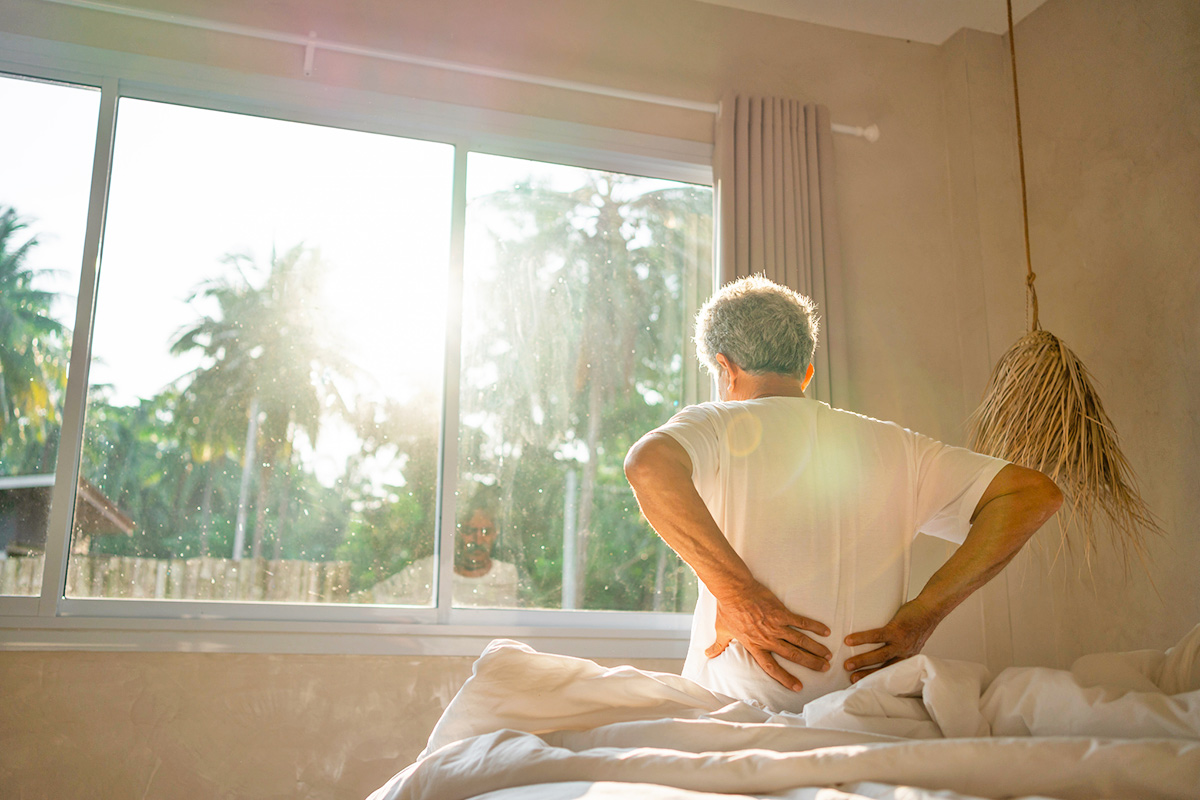
If your body feels creaky, tight, or achy when you get out of bed, you’re not alone. And it’s not just because you’re getting older. “Morning stiffness is often driven by low-grade inflammation, joint immobility, or poor overnight recovery,” explains human performance and longevity expert Mark Kovacs, Ph.D,  “And while lifestyle changes such as movement and hydration matter most, there are over-the-counter supplements that can offer real benefits.” Kovacs notes that supplements should, as their name suggests, supplement, not replace, healthy habits. He recommends working with a qualified health professional and testing for deficiencies first. Once you have your results, there are science-backed options that he recommends. Try adding one or two to your routine so you can rise and shine with ease.

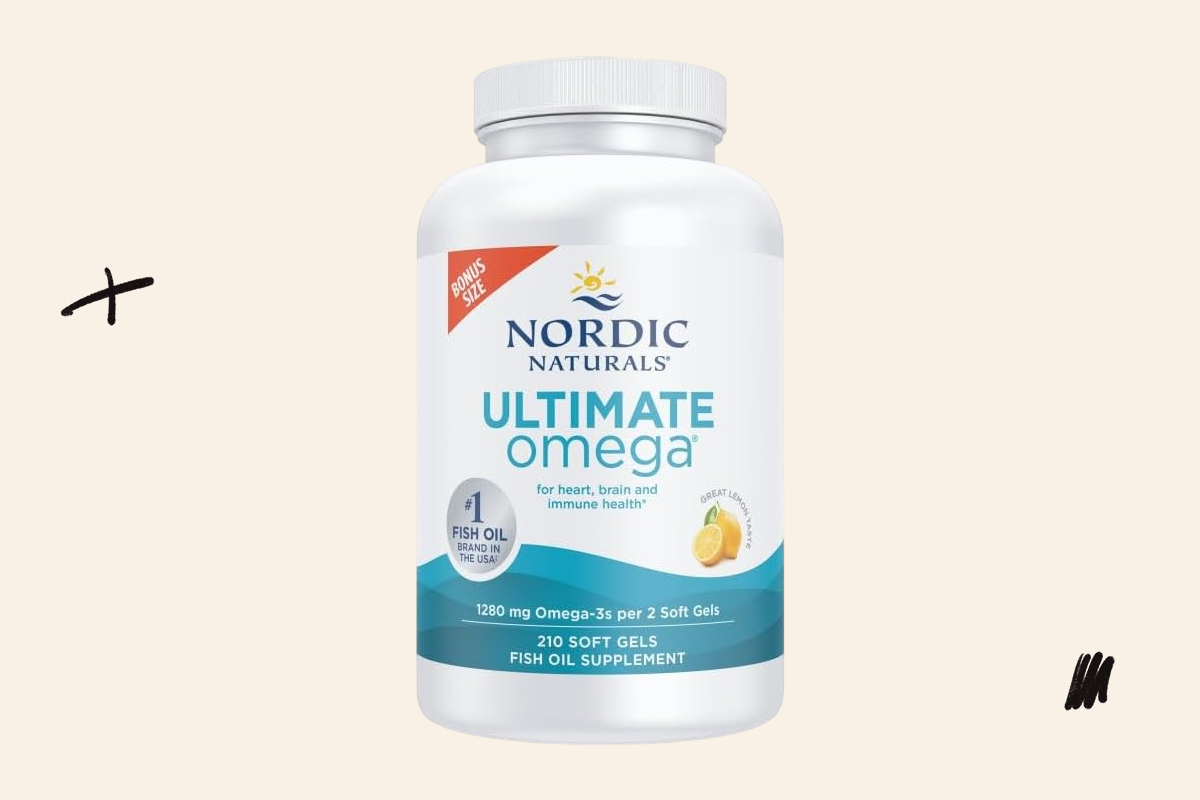
Omega-3 Fatty Acids With EPA and DHA

Top Picks: Nordic Naturals Ultimate Omega or Thorne Super EPA

Found in fish oil, these essential fatty acids are known for their powerful anti-inflammatory properties, which help counteract the chronic inflammation that can lead to stiffness and ease joint discomfort when taken regularly.

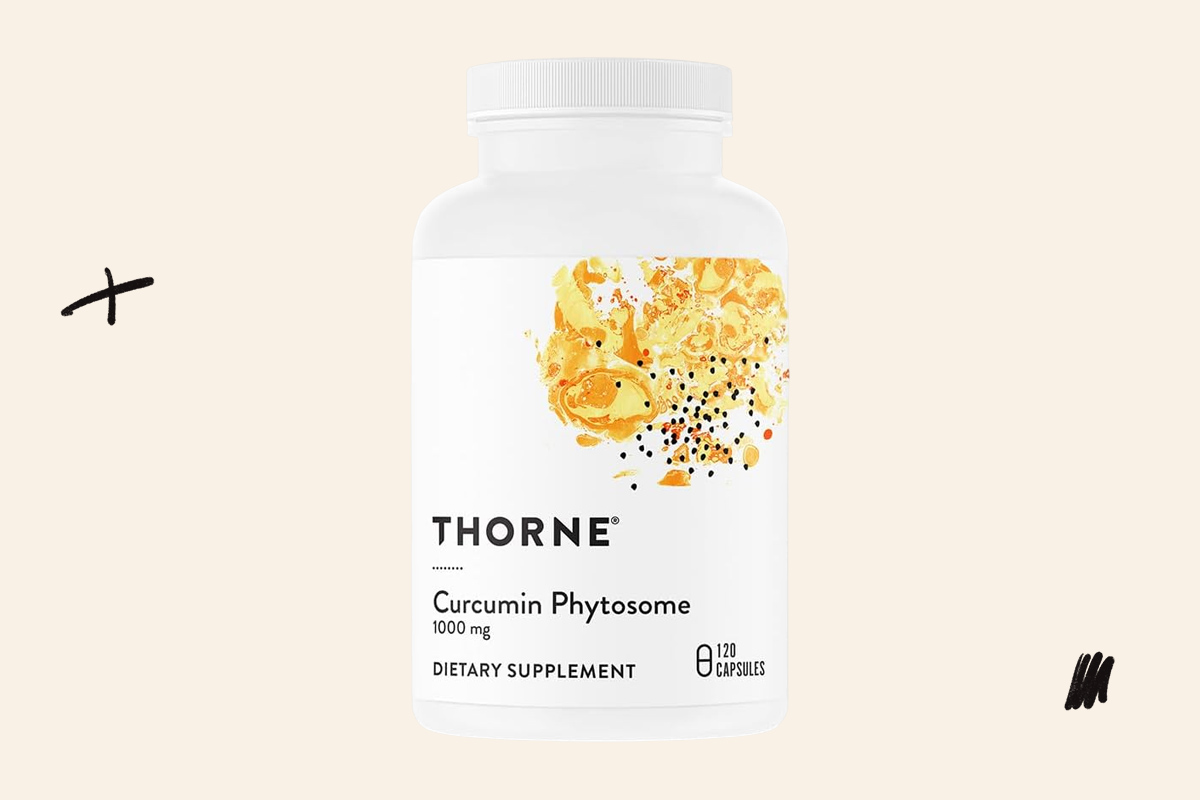
Curcumin

Top Picks: Thorne Curcumin Phytosome or Curcumin Phytosome by NOW Foods

Advertisement

Curcumin has anti-inflammatory effects and may reduce joint pain and stiffness, particularly in people with mild arthritis. Kovacs suggests looking for bioavailable forms with black pepper extract (piperine) or liposomal delivery.

Related: 5 Supplements That Actually Help With Aging

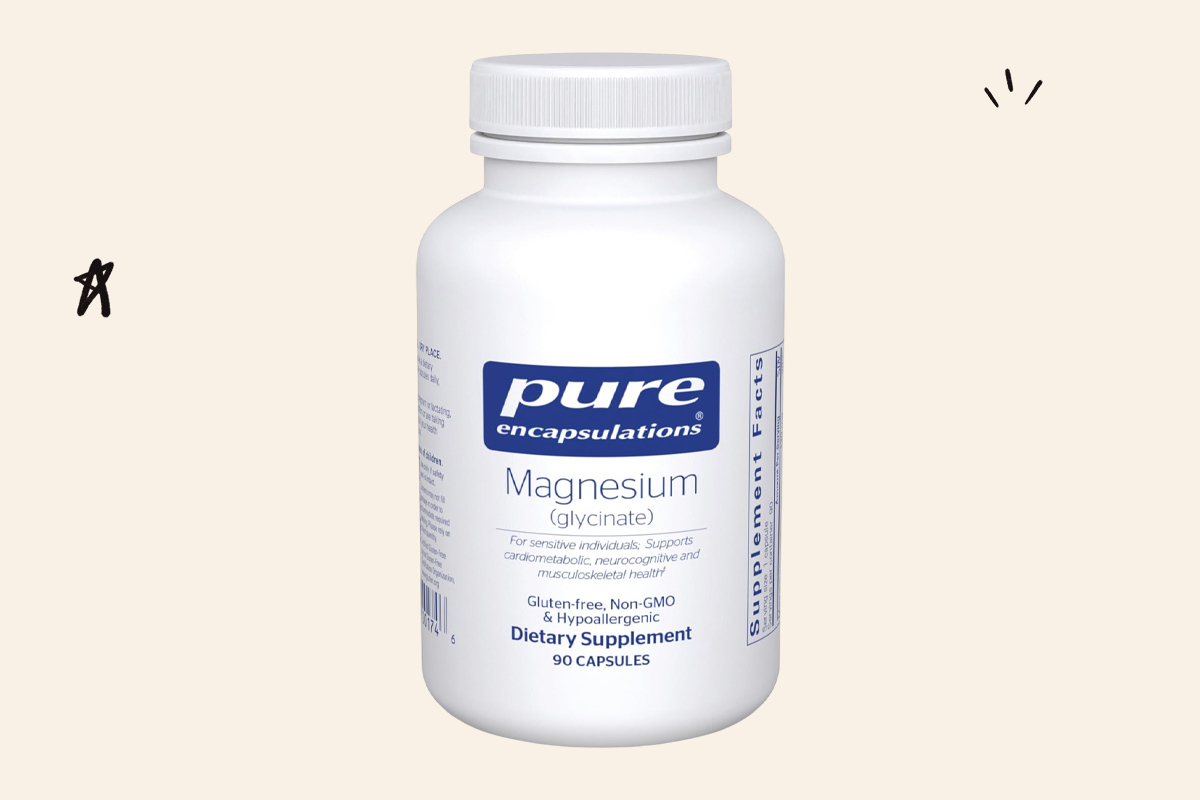
Magnesium

Top Pick: Pure Encapsulations Magnesium Glycinate

“Stiffness isn’t always joint-related — tight muscles can also be the culprit,” says Kovacs. Magnesium helps relax muscles and supports deeper, more restorative sleep. Glycinate is a gentle form that’s less likely to cause digestive upset.

Advertisement
Advertisement

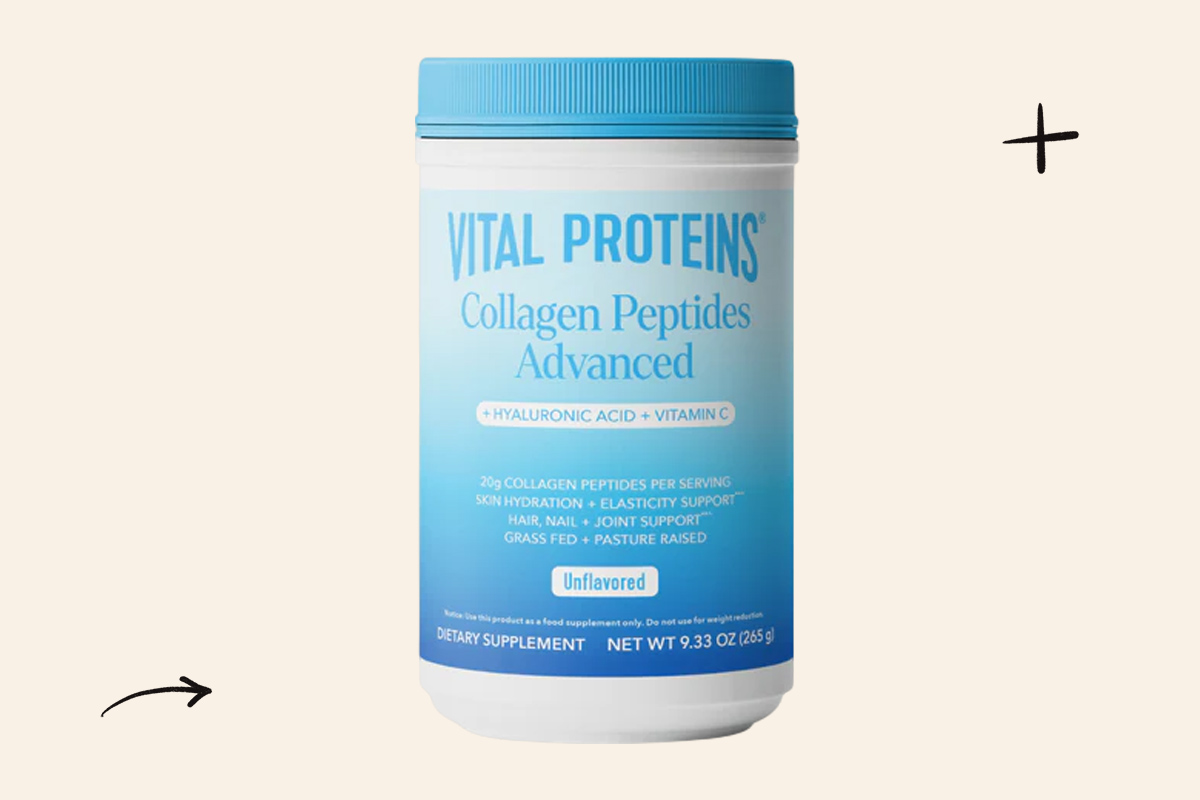
Collagen Peptides Type II

Top Pick: Vital Proteins Collagen Peptides

Collagen is a key component of joint cartilage and connective tissue. As we age, our natural collagen production declines, which can lead to achier mornings. Supplementing with hydrolyzed collagen may improve joint flexibility and reduce discomfort over time. Kovacs’ tip: Look for hydrolyzed collagen from grass-fed sources.

Advertisement

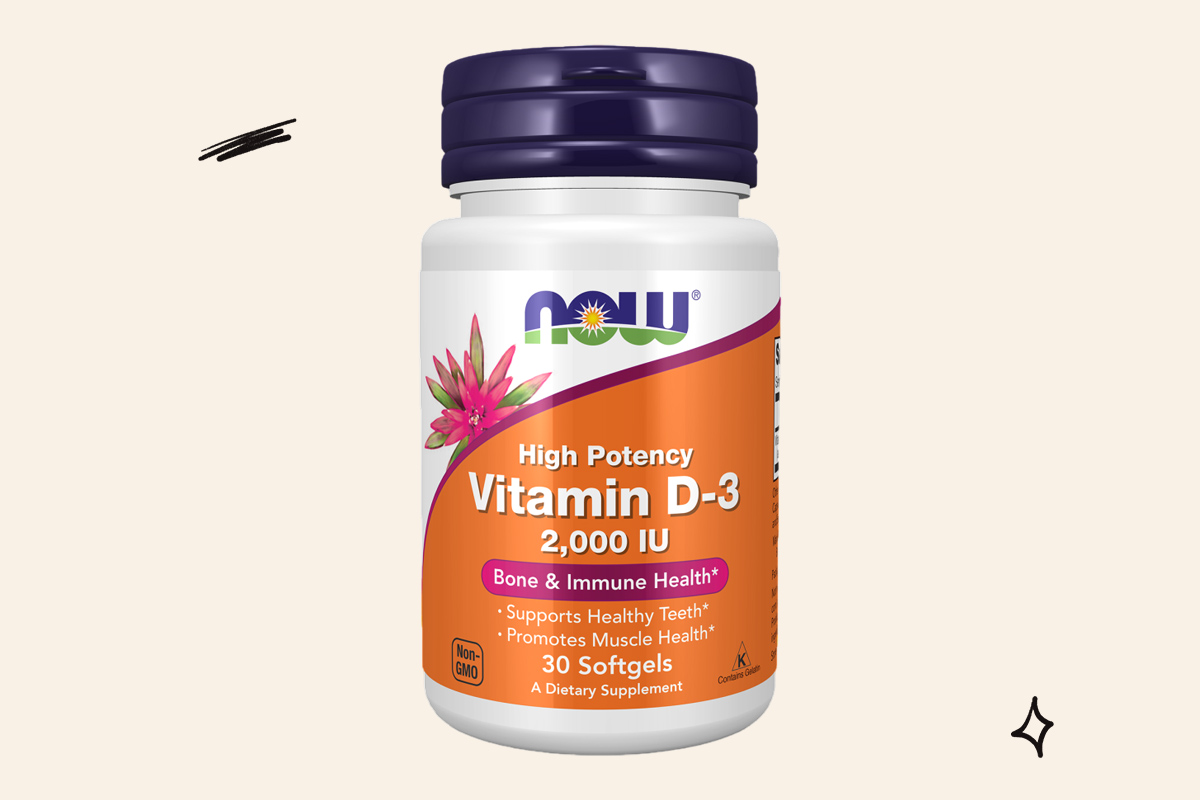
Vitamin D

Top Pick: NOW Foods Vitamin D-3 2000 IU

Vitamin D deficiency is more common than you think, and it’s been linked to muscle aches, fatigue, and stiffness, especially in those with rheumatoid arthritis. Supplementing with D3 can help support strong bones and flexible muscles.

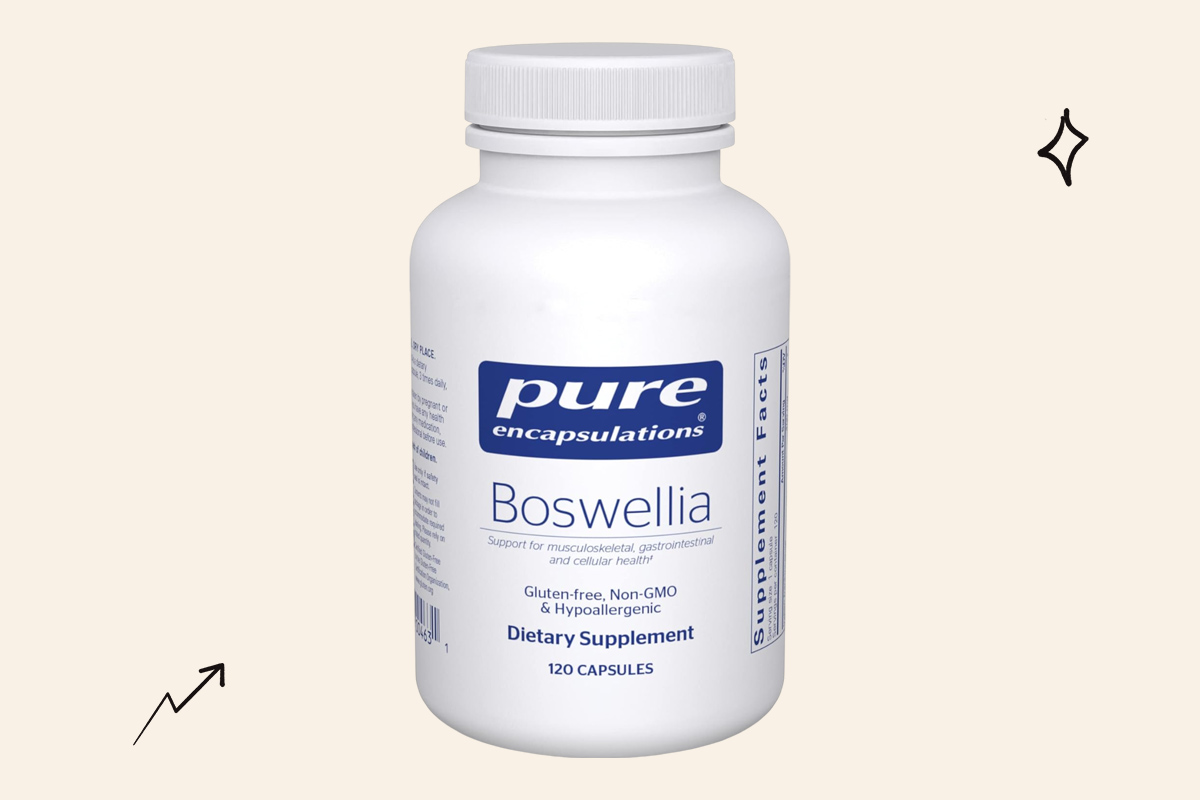
Boswellia Serrata

Top Pick: Pure Encapsulations Boswellia Extract

This herbal extract (sometimes called Indian frankincense) has been used for centuries to treat joint pain. Studies show it can reduce inflammation and improve range of motion, and it’s especially helpful for those with osteoarthritis or chronic stiffness.

Advertisement

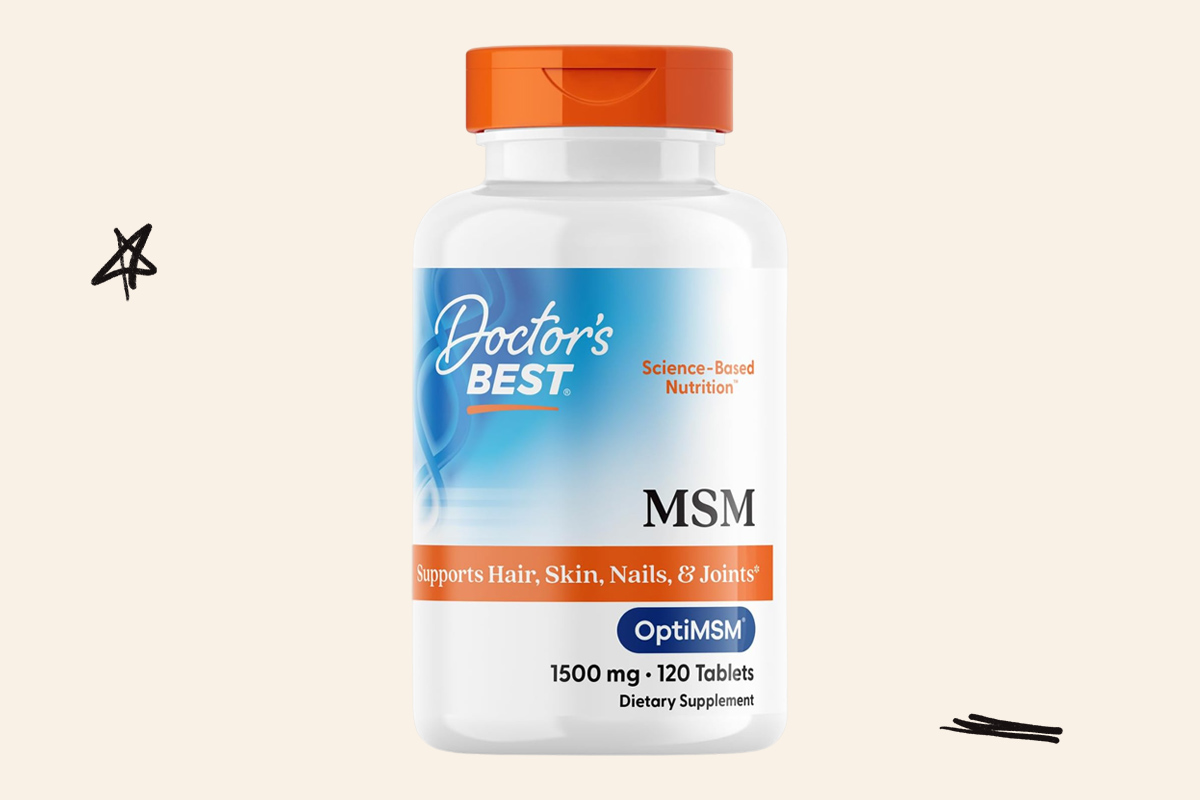
Methylsulfonylmethane (MSM)

Top Pick: Doctor’s Best MSM

MSM is a sulfur-containing compound that helps lower inflammation and improve joint comfort. It’s often found in combination supplements with glucosamine and chondroitin, making it a well-rounded choice for easing stiffness and supporting long-term joint health.

Featured Image Credit: Johnce/ iStock

More From Our Network

Better Report is part of Inbox Studio, an email-first media company. *Indicates a third-party property.

Go Retro With This 1960s Fashion Quiz

Quiz Daily

Go Retro With This 1960s Fashion Quiz

True or False: Are You a Master of U.S. Geography?

Travel Quiz

True or False: Are You a Master of U.S. Geography?

5 Reasons You Can Be Denied Boarding an Airplane

Daily Passport

5 Reasons You Can Be Denied Boarding an Airplane

What Did People Do Before Eyeglasses?

History Facts

What Did People Do Before Eyeglasses?

How To Use a Balloon To Clean Up Dust

House Outlook

How To Use a Balloon To Clean Up Dust

11 Shopping Hacks Costco Members Should Know

FinanceBuzz*

11 Shopping Hacks Costco Members Should Know

Share this article

  • Share to Facebook
  • Share to Twitter
  • Copy Url
  • Share to Email
Danielle Schlass Saliman
Writer

Danielle Schlass Saliman has 24 years of experience writing and editing lifestyle content from fashion and beauty to home and money. She has worked as an Executive Editor at Woman’s World and First for Women, Assistant Editor at Working Mother Magazine, a Research Editor at InTouch Weekly Magazine and has contributed to publications such as Life & Style, Closer Magazine, The New York Post, Brides, Shape En Espanol, Rite Aid, Kmart, Sunrise Senior Living and Philadelphia Style to name a few. Danielle graduated from New York University with a Bachelor of Arts in English and then earned a Masters in Magazine Journalism from Syracuse University’s S.I. Newhouse School of Public Communications.

This article is for general informational purposes only.
Affiliate Disclaimer Medical Disclaimer Financial Disclaimer

Updated: October 2, 2024
Posted In: Health
Hero Image Credit: Better Report

Recommended Articles

  • 6 Holiday Scams To Watch Out For

  • Why Gift Cards Are Actually Terrible Gifts

  • The Strange Reason Why Time Feels Like It’s Moving Faster

  • How To Spot a Fake Amazon Review

Advertisement

Related Articles

The Strange Reason Why Time Feels Like It’s Moving Faster

5 min read

Are the Brown Marks on Your Skin Dangerous?

6 min read

7 Common Meds Seniors Overuse

4 min read

Is It Actually Bad To Wear Your Shoes in the House?

4 min read

15 Dreamy Gifts for a Better Night’s Sleep

11 min read
Advertisement

5 Supplements That Actually Help With Aging

Sponsored Content
Health | Updated: January 27, 2026
Better Report

All featured products and deals are selected independently and objectively by the author. Better Report may receive a share of sales via affiliate links in content.

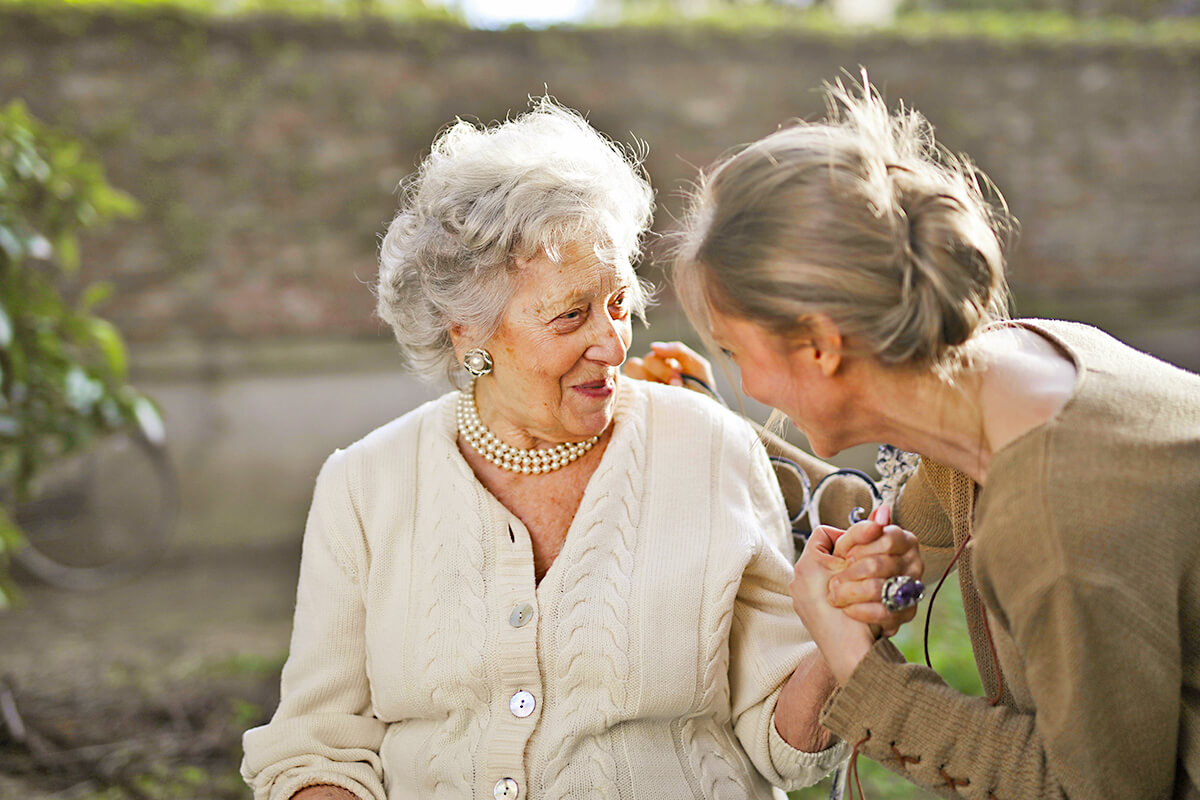
Aging well isn’t just about adding years to your life; it’s about adding life to your years. That means keeping your healthspan — the period of life when you feel strong, sharp, and active — as long as possible, notes Dr. Mark Kovacs. “Energy, cognition, muscle retention, and recovery all tend to decline with age,” he says. “But certain supplements are showing promising results in helping the body function more youthfully.” Before taking any new supplement, it’s recommended to talk to your doctor, who knows your specific health history and concerns. But if you want to come ready with a few ideas to discuss, we’ve rounded up five research-backed supplements to boost vitality from the inside out.

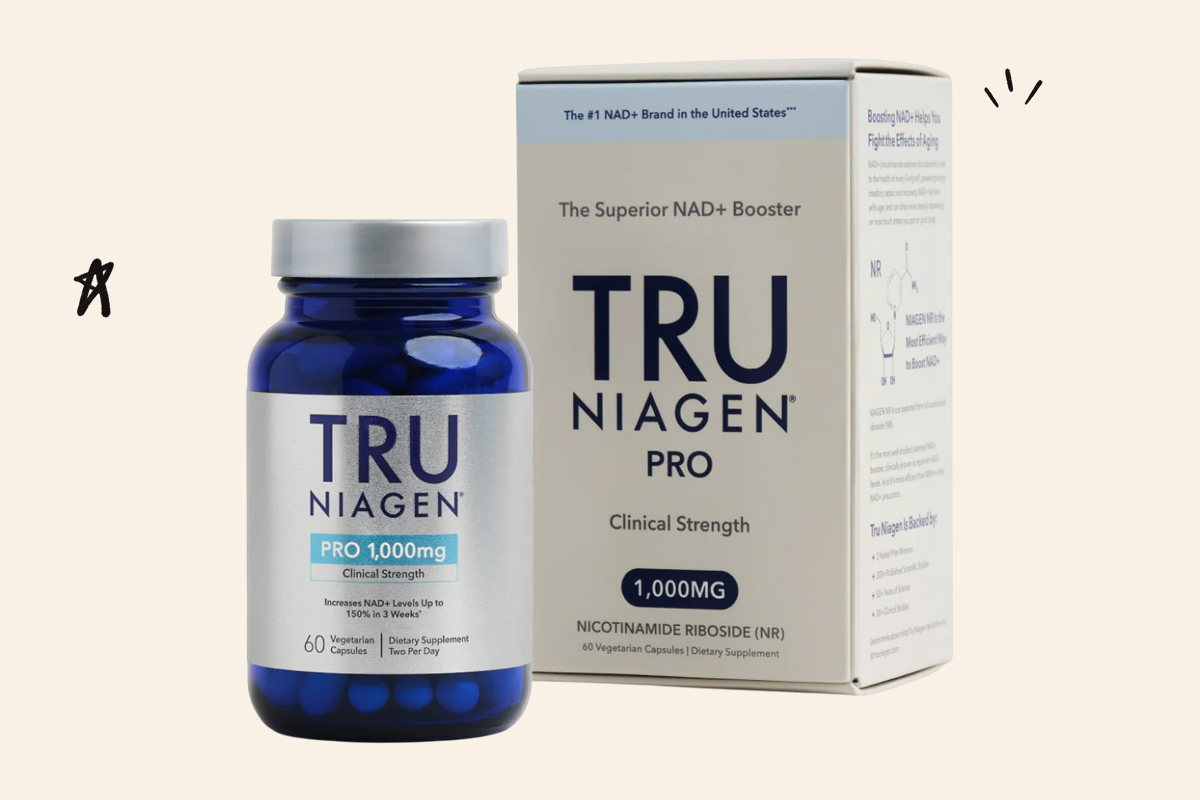
Nicotinamide Riboside

Top Pick: Tru Niagen NR

Our levels of NAD+ (nicotinamide adenine dinucleotide) — a coenzyme crucial for mitochondrial health and cellular repair — naturally decline with age. This decline is associated with various age-related diseases and the aging process itself. Nicotinamide Riboside boosts NAD+ levels, says Kovacs. In fact, one study found that NR supplementation increased NAD+ levels in circulating peripheral blood mononuclear cells (PBMCs) by about 60% compared to a placebo.

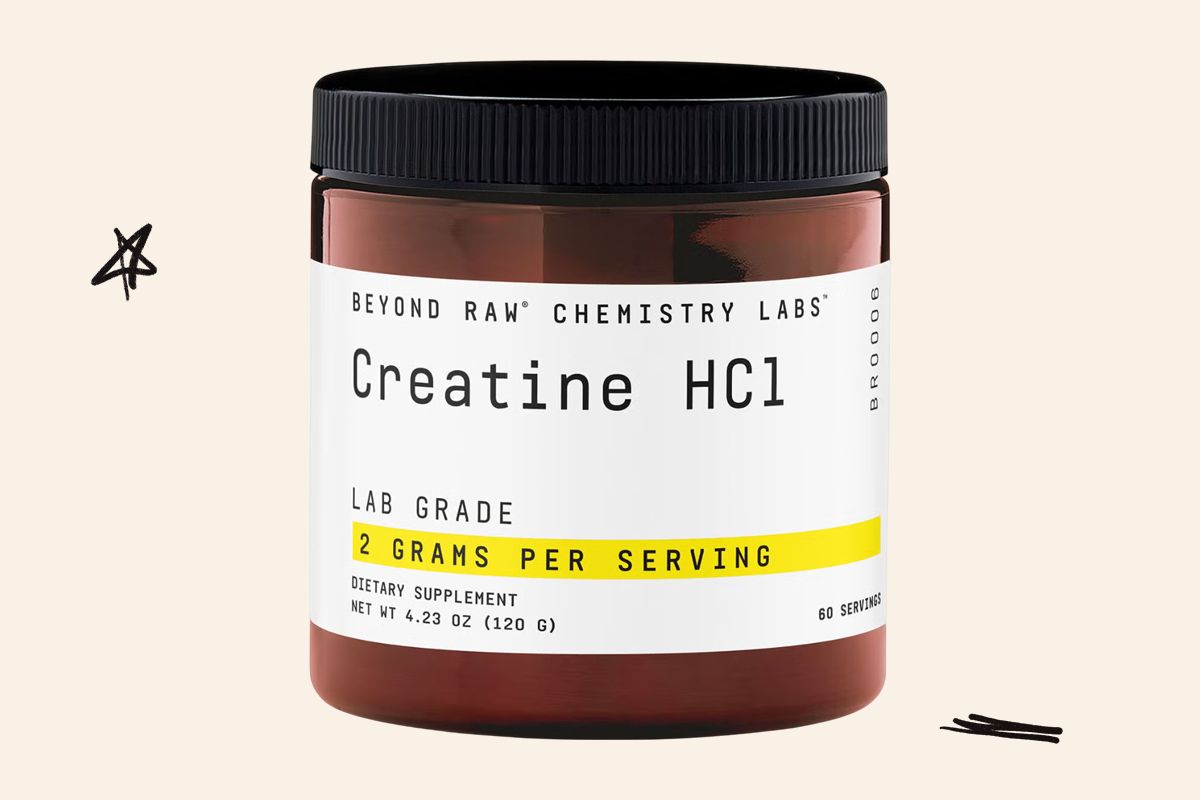
Creatine

Top Pick: Beyond Raw Chemistry Labs Creatine HCl

Advertisement

Not just for athletes, creatine benefits both muscle and brain health, says Kristin Kirkpatrick, M.S., R.D.N., at the Cleveland Clinic. Studies also suggest that creatine may play a role in fostering better cognitive function, a key factor in aging. “I suggest creatine HCl for my patients,” Kirkpatrick says. “It’s more concentrated than creatine monohydrate, more soluble, and has less impact in terms of side effects such as bloating and water retention, so there is literally more bang for your buck in choosing the HCl version.”

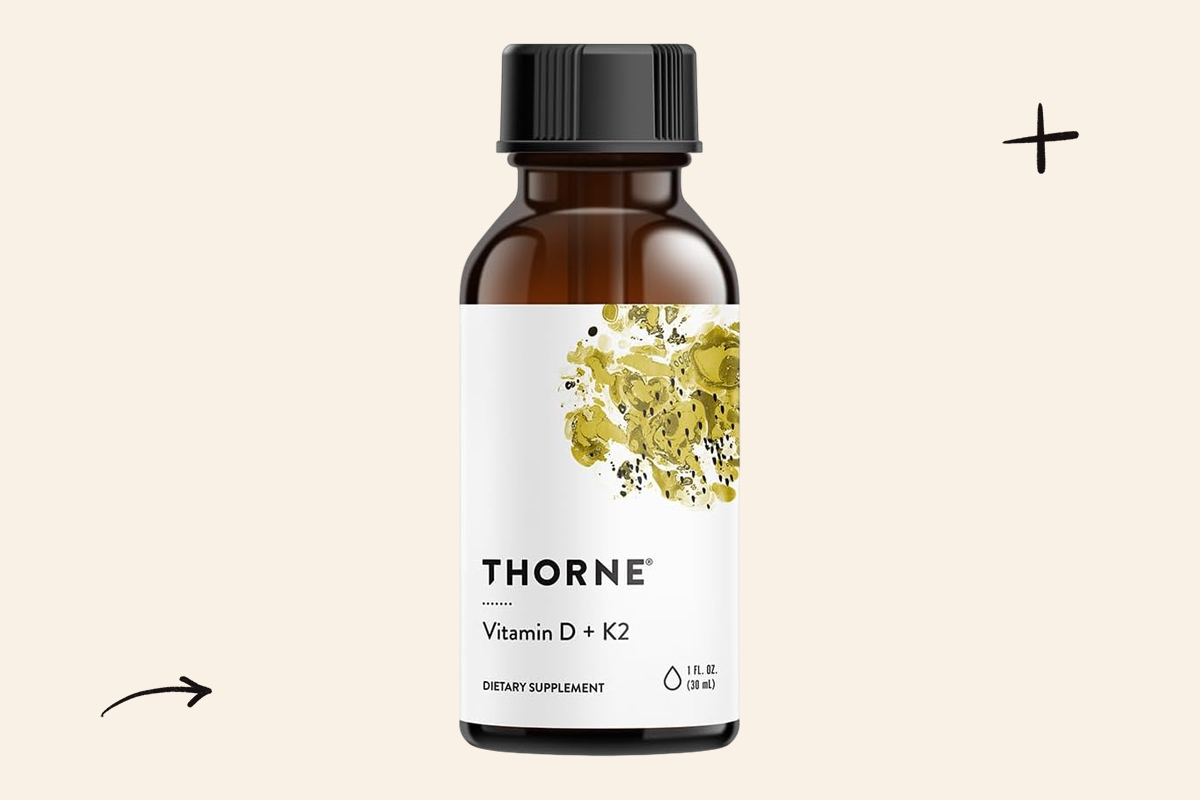
Vitamin D3 + K2

Top Pick: Thorne Vitamin D + K2

Studies show an association between vitamin D deficiency and early death, says Kirkpatrick. Vitamin D also plays a role in immune health, which is directly tied to aging. “Since it’s poorly absorbed by food, taking D in a supplement is often recommended,” she says. “I advise my patients to know their levels, then choose an appropriate dose with their health care provider to ensure the right dose with the optimal circulating levels in the body.” Vitamin D is also essential for bone and muscle function, says Kovacs, while vitamin K2 directs calcium to bones rather than allowing it to accumulate in arteries and soft tissues. This combo is key for maintaining structure and resilience with age.

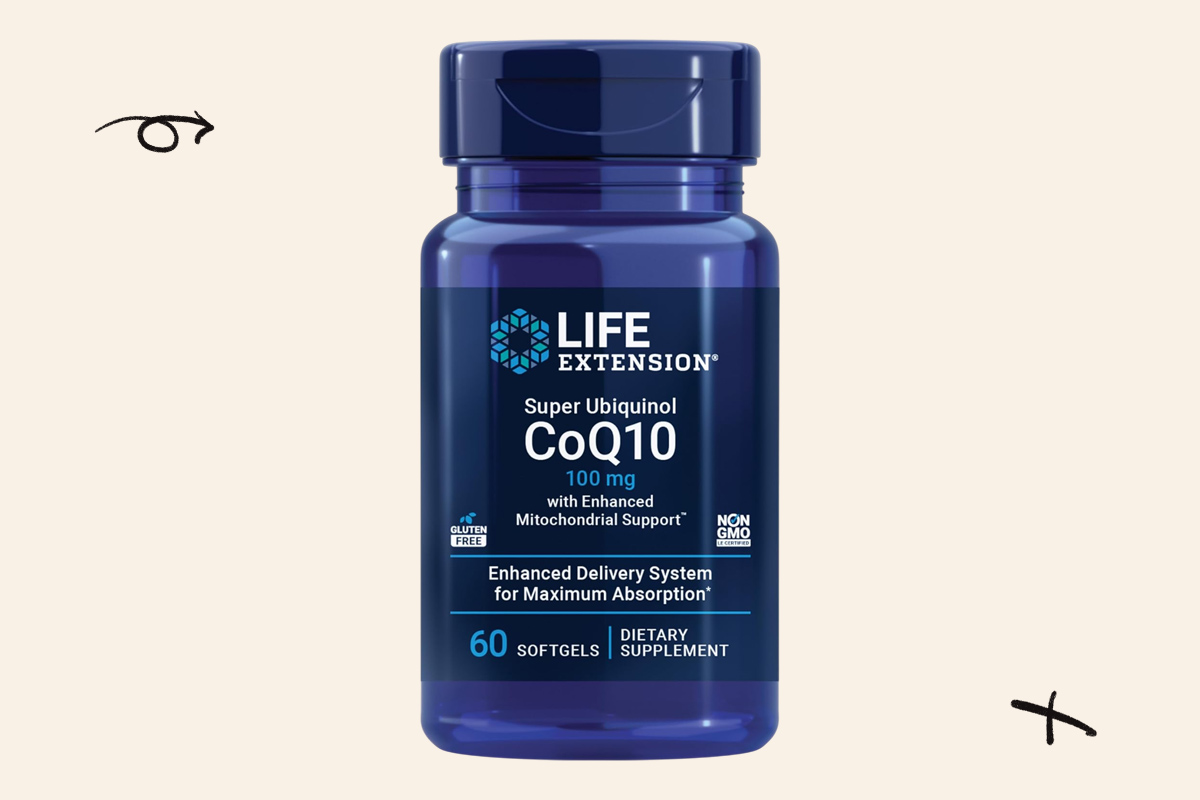
Coenzyme Q10 Ubiquinol

Top Picks: Qunol Ubiquinol or Life Extension Super Ubiquinol

Advertisement

CoQ10 supports declining mitochondrial function, especially in those taking statins or over 50, says Kovacs. Ubiquinol (the absorbable form) boosts energy metabolism and cardiovascular support.

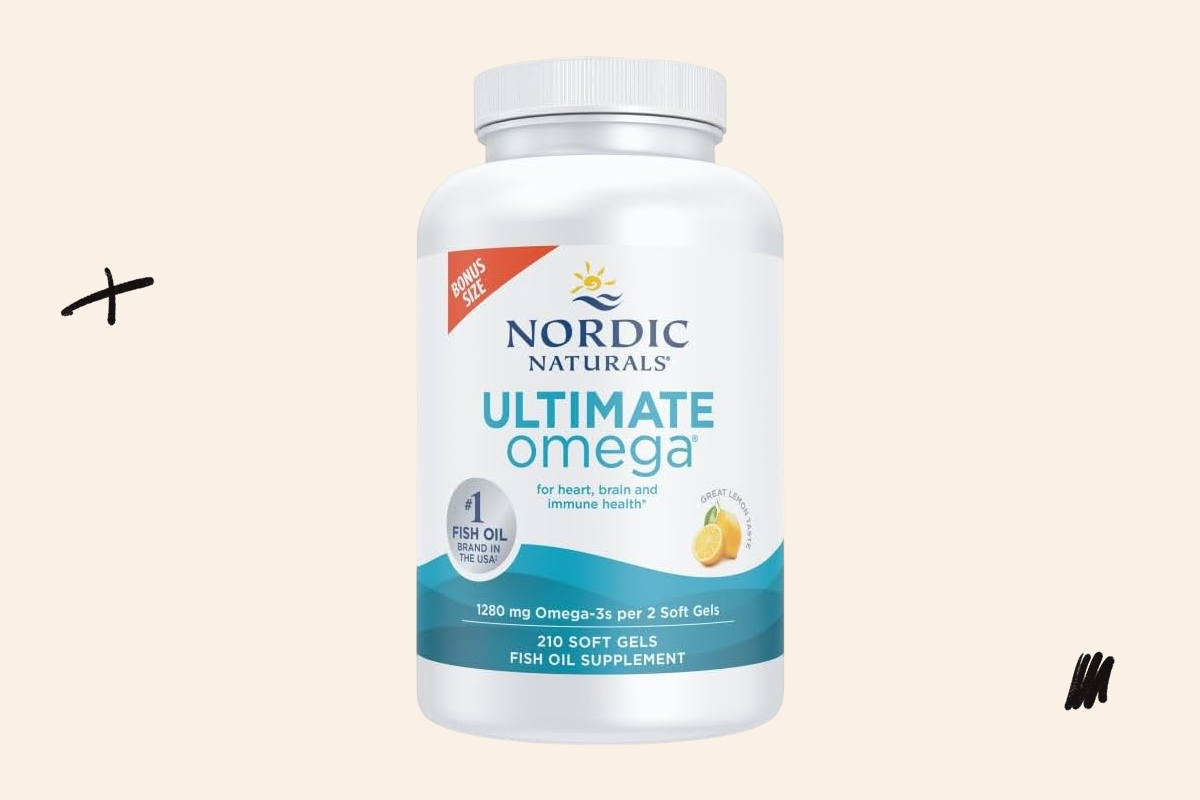
Omega‑3 Fatty Acids With EPA and DHA

Top Pick: Nordic Naturals Ultimate Omega

One study found that higher levels of omega-3 in the blood could increase life expectancy by almost five years, says Kirkpatrick. Other studies have shown associations between omega-3s and reducing the risk of fatal heart disease factors. “Many of my patients do not consume enough omega-3s through food (like walnuts, fatty fish, etc.), so a supplement route is often recommended,” she says. She advises knowing your levels beforehand and then working with your healthcare provider to ensure a high-quality supplement is used.

Featured Image Credit: JSB Co./ Unsplash+  

Advertisement
Advertisement

Related Articles

The Strange Reason Why Time Feels Like It’s Moving Faster

5 min read

Are the Brown Marks on Your Skin Dangerous?

6 min read

7 Common Meds Seniors Overuse

4 min read

Is It Actually Bad To Wear Your Shoes in the House?

4 min read

15 Dreamy Gifts for a Better Night’s Sleep

11 min read
Advertisement

At What Age Are You Happiest? 

Health | Updated: June 7, 2024
Rachel Gresh
Author
Rachel Gresh is a Washington, D.C.-based freelance writer. When she's not writing, you can find her wandering a museum, exploring an unfamiliar city, or baking something new in the kitchen.
Parents holding hands with their child and running through a field barefoot
Better Report

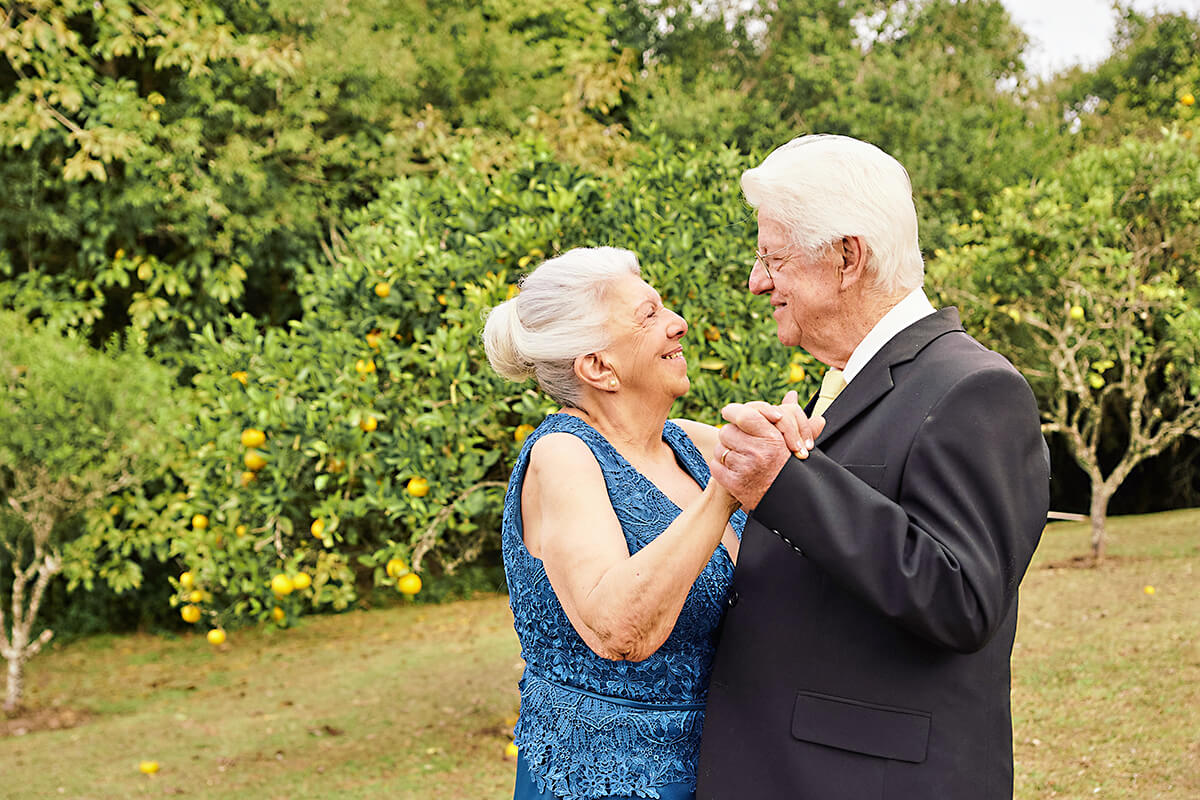
We’re all searching for the next vacation, an exciting new hobby, a better job, and more time with loved ones. In short, we’re all looking for more happiness in our lives. And why shouldn’t we? Life is short. Many people, however, assume that finding joy is harder as we age.

This negative perception has given aging a bad rap: The older we get, the less happy we are. But not so fast. Those so-called “golden years” might be more than just a euphemism to make us all feel better about getting older. Recent research brings to light a reassuring message on age-dependent happiness, claiming that older adults are actually much happier than their younger counterparts. Here’s what the research shows.

Credit: Natalia Blauth/ Unsplash+

Happiness By Age

Researchers compiled responses from over 460,000 participants regarding subjective well-being across their lifespans. Dr. Susanne Bücker, a German Developmental Psychology and Educational Psychology professor, spoke about the study’s results. She explained that “three central components of subjective well-being” were considered: life satisfaction, positive emotional states, and negative emotional states. Respondents were asked to rate their happiness levels based on these parameters.

The findings were surprising. The happiest group wasn’t 20-year-olds who spent weekends on the town or even those in their 50s with newfound freedom as empty nesters. Instead, the most gleeful group is decades older — those in their 70s. This group reported higher levels of life satisfaction, more frequent instances of positive emotions, and fewer instances of negative emotions compared to all other ages.

Advertisement

If 70 is the pinnacle of happiness, what does this mean for other decades? Beginning with the youngest respondents, children’s happiness levels decreased between 9 and 16. The general dissatisfaction seen in children and teens was attributed to puberty, physical and social changes, and navigating many new life stages in such a short amount of years. From 16 through the early twenties, thirties, forties, and on, happiness steadily increased. These results are interesting, considering so many life changes happen during these years, including marriage, divorce, having children, and career changes, to name a few. Despite being known for their turbulence, these decades seem to bring joy to most people.

Advertisement
Advertisement
Credit: Andrea Piacquadio/ Pexels

Why it Matters

In Western culture especially, we have a negative perception of aging, but these new findings flip that idea on its head, encouraging us to believe that the best is yet to come. More Americans are beginning to take notice that those glory days of our teens and twenties weren’t all they’re cracked up to be. In one recent poll, when asked what age they’d like to be stuck at forever, respondents’ most popular answer (at 40%) was somewhat surprising: age 36. Although this skews older than we’d assume, it is still far from our happiest age. 

While the research indicates that our fear of aging is unfounded, only 41% of respondents in the same poll said they actively embrace the aging process. However, 71% acknowledged that it’s becoming more common for Americans to accept their age — a promising turn in the general attitude toward growing older. Hopefully, this positive trend will continue as we embrace aging and learn to enjoy the happiness that comes with the journey.

More From Our Network

Better Report is part of Inbox Studio, an email-first media company. *Indicates a third-party property.

Go Retro With This 1960s Fashion Quiz

Quiz Daily

Go Retro With This 1960s Fashion Quiz

True or False: Are You a Master of U.S. Geography?

Travel Quiz

True or False: Are You a Master of U.S. Geography?

5 Reasons You Can Be Denied Boarding an Airplane

Daily Passport

5 Reasons You Can Be Denied Boarding an Airplane

What Did People Do Before Eyeglasses?

History Facts

What Did People Do Before Eyeglasses?

How To Use a Balloon To Clean Up Dust

House Outlook

How To Use a Balloon To Clean Up Dust

11 Shopping Hacks Costco Members Should Know

FinanceBuzz*

11 Shopping Hacks Costco Members Should Know

Share this article

  • Share to Facebook
  • Share to Twitter
  • Copy Url
  • Share to Email
Rachel Gresh
Writer

Rachel Gresh is a Washington, D.C.-based freelance writer. When she's not writing, you can find her wandering a museum, exploring an unfamiliar city, or baking something new in the kitchen.

This article is for general informational purposes only.
Affiliate Disclaimer Medical Disclaimer Financial Disclaimer

Updated: December 15, 2023

Posted In: Health
Hero Image Credit: Better Report
Recommended Articles

  • 6 Holiday Scams To Watch Out For

  • Why Gift Cards Are Actually Terrible Gifts

  • The Strange Reason Why Time Feels Like It’s Moving Faster

  • How To Spot a Fake Amazon Review

Advertisement

Related Articles

The Strange Reason Why Time Feels Like It’s Moving Faster

5 min read

Are the Brown Marks on Your Skin Dangerous?

6 min read

7 Common Meds Seniors Overuse

4 min read

Is It Actually Bad To Wear Your Shoes in the House?

4 min read

15 Dreamy Gifts for a Better Night’s Sleep

11 min read
Advertisement
  • Home
  • Health
  • Wealth
  • Logo
  • Advertise
  • About
  • Contact Us
  • Privacy Policy
  • Terms of Use
  • Your Privacy Choices
x
Thumb Image

Elevate your everyday.

Sign up to receive the practical tips and expert advice you need to pare down the complexities of everyday living right in your inbox.

Sorry, your email address is not valid. Please try again.

Your email is:

Edit Image
Sorry, your email address is not valid. Please try again.
Thank you for subscribing...

By subscribing you are agreeing to our Terms of Use and Privacy Policy.

Close image
Thumb Image
Second Thumb Image

Elevate your everyday.

Sign up to receive the practical tips and expert advice you need to pare down the complexities of everyday living right in your inbox.

Sorry, your email address is not valid. Please try again.

By subscribing you are agreeing to our Privacy Policy and Terms of Use.

Close image