Skip to content
Better Report
  • Home
  • Health
  • Wealth
8 Low-Maintenance Plants That Thrive on Neglect
  • Search
  • Subscribe
  • Home
  • Health
  • Wealth
  • About
  • Privacy Policy
  • Terms of Use
  • Contact Us
  • SubscribeSubscribe
  • Search
Thank you for confirming your email! Welcome to the community.

Tag: Cognitive Health

Is the Traditional Mediterranean Diet Actually the Best for Your Brain?

Health | Updated: September 15, 2026
Kat Long
Author
Kat Long is a freelance science journalist in the Washington, D.C. area. Previously, she was the science editor at Mental Floss and a digital editor at National Geographic. She now writes the Arctic Archives newsletter on Substack. Kat spends her free time birdwatching, road-tripping to historical sites and perusing old manuscripts at libraries.
Man eating salad
Featured Image Credit: © Mariia Vitkovska—iStock/Getty Images

Two hundred years ago, French epicure Jean Anthelme Brillat-Savarin coined the phrase “tell me what you eat; I will tell you what you are” — later paraphrased as “you are what you eat.” Science continues to reveal elements of truth in the saying, especially when it comes to dietary recommendations for optimal brain health. 

Research has shown the benefits of following a Mediterranean diet to maintain cognitive and cardiovascular health, but a new study suggests that another eating plan, different from the traditional Mediterranean diet in key ways, may be more beneficial for your brain.

Advertisement
Advertisement
Fish and vegetables on a plate
Credit: © Zohair Mirza/Unsplash.com

DASH, MIND, and More

The term “Mediterranean diet” refers to the traditional eating patterns of southern Europe. As a healthy eating plan, the diet emphasizes fresh fruits and vegetables, whole grains, fish, legumes, nuts, and extra-virgin olive oil, with a few servings of poultry, low-fat dairy products, and eggs per week. The diet allows wine with meals but recommends avoiding red meat, butter, and sugar.

Nutrition experts have adapted this basic eating plan for specific health benefits. One example is Dietary Approaches to Stop Hypertension (DASH), designed by the National Heart, Lung, and Blood Institute, which generally follows the Mediterranean diet but also recommends limiting sodium and saturated fats to prevent high blood pressure and other cardiovascular diseases. (So, for example, halloumi is OK in moderation in the Mediterranean diet, but the cheese would not be part of a DASH diet because it’s high in both sodium and saturated fat.)   

Recommended Articles

  • The Best Cars for Resale Value, According to Auto Experts

  • Does Going Outside With Wet Hair Really Make You Sick?

  • 7 Surprising Foods Your Dentist Doesn’t Want You To Eat

  • 5 Common Estate Planning Mistakes (and How To Avoid Them)

Advertisement
Advertisement

Reader Favorites

  • Person eating salad

    7 Things a Chef Never Orders at a Restaurant

  • Hand holding a red onion

    5 Vegetables You Should Never Store in the Fridge

  • Exterior of a trader joe's

    The 10 Healthiest Trader Joe’s Meals, According to a Dietitian

Another well-known plan, Mediterranean-DASH Diet Intervention for Neurodegenerative Delay (MIND), is based on research from the Rush University Medical Center and the Harvard T.H. Chan School of Public Health. It targets brain health with mostly plant-based foods and specifies eating whole grains, leafy and non-leafy vegetables, nuts, beans, and berries, with fewer servings of meat, fish, dairy, and sweets to limit saturated and trans fat consumption. The decision to drink alcohol in moderation is up to the individual.

Food prep
Credit: © ready made/Pexels.com

Best of Six

The new study, published in JAMA Neurology, analyzed DASH and five other primarily plant-based diets to assess their associations with cognitive function.

Advertisement
Advertisement

Researchers examined diet and cognitive data for 159,347 adults collected as part of three long-term studies in the U.S. They gave each participant a score indicating how well they stuck to any of six dietary patterns: the Alternate Healthy Eating Index 2010 (AHEI-2010), DASH, the Healthful Plant-Based Diet Index (hPDI), the Planetary Health Diet Index (PHDI), and the reversed empirical dietary indices for hyperinsulinemia (rEDIH) and inflammatory pattern (rEDIP). Participants also answered a questionnaire about their perceived cognitive health and had their cognitive function measured in phone interviews. 

Advertisement

While all six eating patterns were associated with a lower risk of cognitive decline, the DASH diet demonstrated the strongest link to participants’ perception of their cognitive health. Higher adherence to the DASH plan also had the strongest association to higher cognitive function. 

RankingDiet PatternRisk Ratio Associated With Subjective Cognitive Decline
1DASH0.59
2hPDI0.76
3rEDIH0.76
4PHDI0.80
5AHEI-20100.84
6rEDIP0.89
Advertisement
Advertisement

“One reason the DASH diet may support cognitive function is its focus on lowering blood pressure, in part by reducing sodium intake,” says Heather M. Snyder, Ph.D., senior vice president of medical and scientific relations at the Alzheimer’s Association, who was not involved in the study. “The diet is also associated with lower levels of inflammation, which plays a significant role in cognitive impairment.” 

Woman eating salad
Credit: © Getty Images/Unsplash.com

Mind-ful Eating

While more research is needed to understand the exact connections between diet, nutrition, and an individual’s risk of developing dementia, Snyder says multiple studies have linked better nutrition and Mediterranean-style diets to lower risks of heart disease and Type 2 diabetes, conditions that also increase the risk of cognitive decline and possible dementia.

Advertisement
Advertisement

“Eating a balanced, nutritious diet that includes the necessary nutrients for overall health is one of the best steps we can take for our brain health,” Snyder says, “whether or not we have a greater risk of cognitive decline or dementia due to family history or other risk factors.”

If you feel like your diet could use improvement and aren’t sure where to start, Snyder suggests making small changes and building on them, adding, “It’s never too early or too late to make healthy habit changes to help you live better now and protect your memory and thinking as you get older.”

Advertisement

Featured Image Credit: © Mariia Vitkovska—iStock/Getty Images

Advertisement
Advertisement

More From Our Network

Better Report is part of Inbox Studio, an email-first media company. *Indicates a third-party property.

Go Retro With This 1960s Fashion Quiz

Quiz Daily

Go Retro With This 1960s Fashion Quiz

True or False: Are You a Master of U.S. Geography?

Travel Quiz

True or False: Are You a Master of U.S. Geography?

5 Reasons You Can Be Denied Boarding an Airplane

Daily Passport

5 Reasons You Can Be Denied Boarding an Airplane

What Did People Do Before Eyeglasses?

History Facts

What Did People Do Before Eyeglasses?

How To Use a Balloon To Clean Up Dust

House Outlook

How To Use a Balloon To Clean Up Dust

11 Shopping Hacks Costco Members Should Know

FinanceBuzz*

11 Shopping Hacks Costco Members Should Know

Share this article

  • Share to Facebook
  • Share to Twitter
  • Copy Url
  • Share to Email
Kat Long
Writer

Kat Long is a freelance science journalist in the Washington, D.C. area. Previously, she was the science editor at Mental Floss and a digital editor at National Geographic. She now writes the Arctic Archives newsletter on Substack. Kat spends her free time birdwatching, road-tripping to historical sites and perusing old manuscripts at libraries.

This article is for general informational purposes only.
Affiliate Disclaimer Medical Disclaimer Financial Disclaimer

Updated: April 6, 2026
Posted In: Health
Hero Image Credit: Featured Image Credit: © Mariia Vitkovska—iStock/Getty Images
Advertisement

Related Articles

Does Going Outside With Wet Hair Really Make You Sick?

4 min read

7 Surprising Foods Your Dentist Doesn’t Want You To Eat

4 min read

The Correct Way To Use Sanitizer, According to Experts

7 min read

10 Cleaning Mistakes That Contaminate Cookware (and How To Correct Them)

10 min read

What’s the Best Time To Eat Breakfast?

4 min read
Advertisement

3 Common Sleep Habits That May Be Aging Your Brain

Ali Eldridge
Health | Updated: September 14, 2026
Woman sleeping on couch
Featured Image Credit: © Cate M—Moment/Getty Images

All featured products and deals are selected independently and objectively by the author. Better Report may receive a share of sales via affiliate links in content.

Getting quality sleep is one of the most important things you can do for your overall health, along with eating a balanced diet and exercising regularly. Seven to nine hours of good sleep each night benefits both body and mind by lowering blood pressure, controlling inflammation, regulating metabolism, and allowing your brain to organize information. While you’re dreaming, your brain consolidates memories and even gets rid of harmful proteins that can lead to disease. Those processes enhance your ability to learn and concentrate when you’re awake.

Chronic poor sleep, however, doesn’t allow this nightly decluttering. It can result in higher stress levels, less ability to focus and learn, and poor mental health. Some research shows that not getting enough quality shut-eye may also accelerate brain aging, a collection of physical and cognitive changes that typically manifest later in life but may appear earlier in people who don’t get enough good sleep. 

Advertisement
Advertisement

“Unlike the gentle, predictable pace of normal aging, sleep‑related lapses are more abrupt and inconsistent, [but] on the bright side, they often rebound once healthy sleep returns,” says Joseph M. Dzierzewski, Ph.D., senior vice president of research and scientific affairs at the National Sleep Foundation.

A recent study in the journal Alzheimer’s & Dementia linked three common sleep habits to a biomarker for brain aging that may influence the risk of dementia. Here’s what you should know — and a few steps for improving your nightly rest.

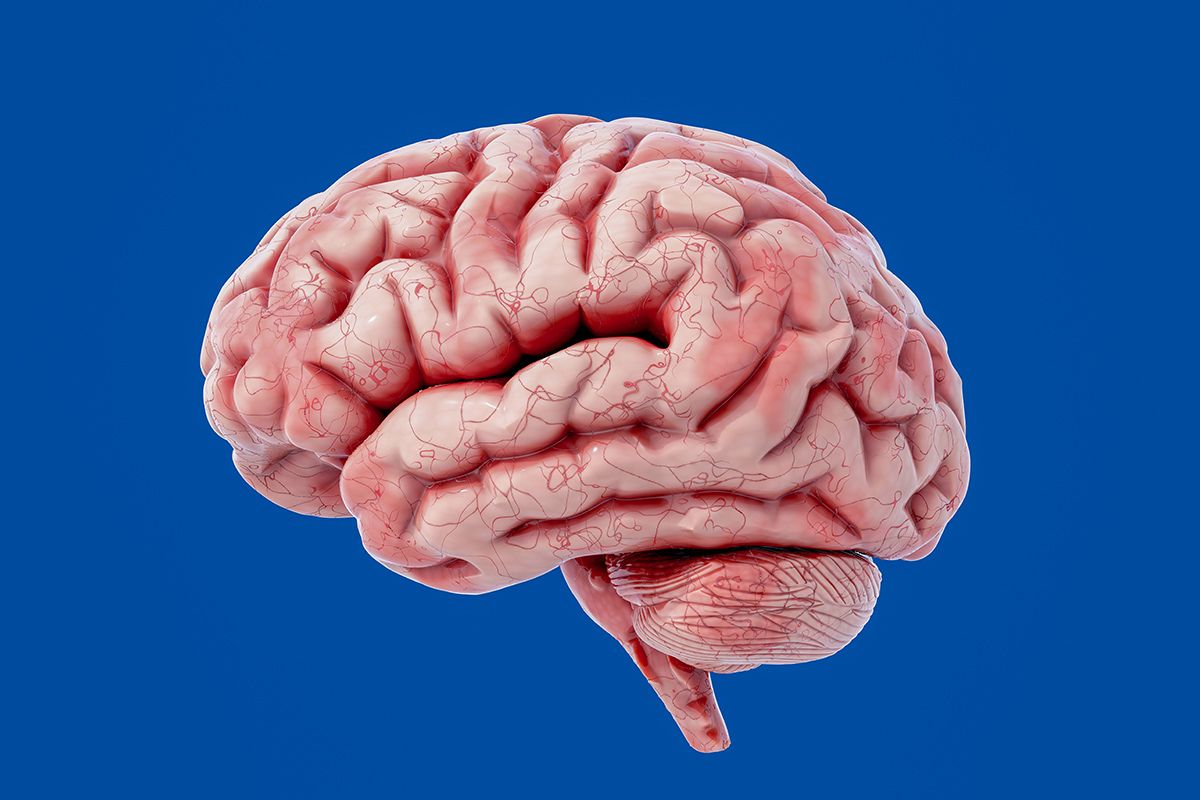
Brain on a blue background
Credit: © Mohamed Nohassi/Unsplash.com

What Is Brain Aging?

Even in healthy people, the brain goes through natural changes with age, according to the American Brain Foundation. Parts of the brain change physical shape and decrease in volume, which can lead to cognitive differences related to memory and recall, problem-solving, and focus. On the cellular level, neurons shrink and become less adept at sending and receiving electrical signals. The brain also produces fewer neurotransmitters like serotonin and dopamine that regulate mood and memory. 

Advertisement

“As the brain ages, the speed at which it processes information naturally slows, which can make word‑finding or multitasking feel a bit less snappy,” Dzierzewski says. “These are timing changes, not losses in intelligence or judgment. A misplaced name or set of keys is usually nothing to worry about.”

Studies have found these changes typically begin in a person’s 40s and accelerate after age 70, but the rate of decline is variable and can be affected by behavioral, genetic, and environmental factors.

Recommended Articles

  • The Best Cars for Resale Value, According to Auto Experts

  • Does Going Outside With Wet Hair Really Make You Sick?

  • 7 Surprising Foods Your Dentist Doesn’t Want You To Eat

  • 5 Common Estate Planning Mistakes (and How To Avoid Them)

Advertisement
Advertisement

Reader Favorites

  • Person eating salad

    7 Things a Chef Never Orders at a Restaurant

  • Hand holding a red onion

    5 Vegetables You Should Never Store in the Fridge

  • Exterior of a trader joe's

    The 10 Healthiest Trader Joe’s Meals, According to a Dietitian

Woman with head down on couch
Credit: © buritora/stock.adobe.com

Three Sleep Habits To Avoid

Poor sleep is one of the factors increasingly associated with faster brain aging. In the recent study, researchers at the University of Arizona and the University of Southern California, Los Angeles, showed that suboptimal sleep was linked to physical brain changes that may lead to a higher risk of developing dementia, including Alzheimer’s disease. 

The researchers analyzed self-reported sleep data and brain MRI scans from 23,377 healthy, middle-aged and older participants in a large biomedical database. The scans recorded a biomarker for healthy brain aging called white matter hyperintensities, which show up as white spots during the MRI. The more bright white spots on the scan, the older a brain appears, and the higher the risk of developing disease. 

Advertisement
Advertisement

The scientists compared the images with five indicators of poor sleep quality that participants reported: sleep duration of more or less than seven to nine hours; daytime napping (sleeping intentionally); sleeplessness; snoring; and daytime dozing (falling asleep without meaning to). They found that all five were associated with higher volumes of white matter hyperintensities. After the results were adjusted to account for common vascular health and lifestyle factors, three habits — sleep duration, daytime napping, and sleeplessness — still showed a significant association with an increased presence of white matter spots, suggesting the habits may be tied to a higher risk of dementia. Though the study didn’t include an analysis of nap duration on brain aging, future research should examine the effects of shorter or longer naps over time, researchers said in a statement.

These findings indicate that “maintaining enough, consistent, high-quality sleep is a key part of protecting brain health,” Dzierzewski says.

Advertisement
Advertisement
Sleeping woman
Credit: © Pablo Merchán Montes/Unsplash.com

Steps to Superior Sleep

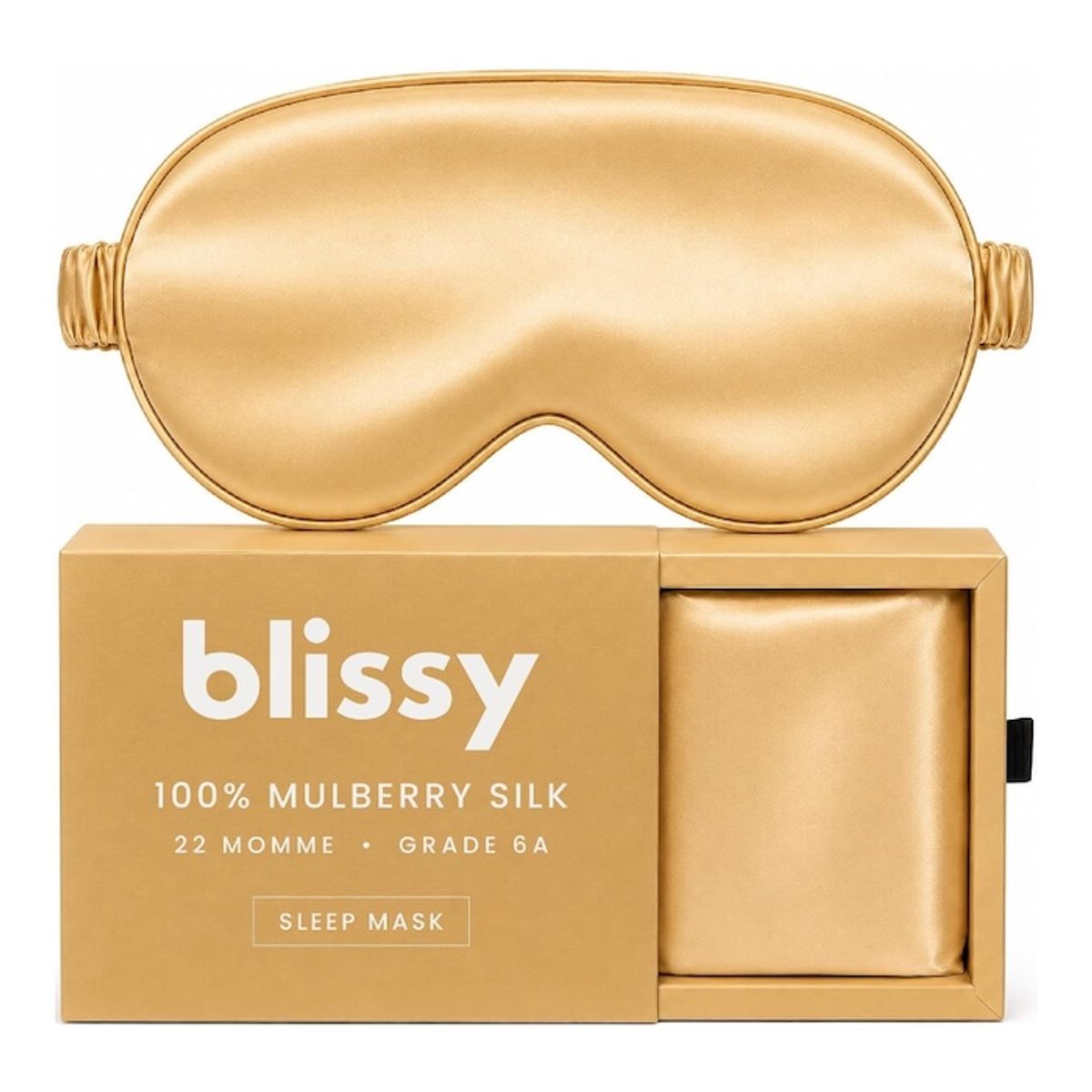
To improve the quality of your sleep, experts suggest creating a bedroom environment that is “cool, dark, and quiet,” Dzierzewski says. If possible, adjust your thermostat so your home’s nighttime temperature falls between 60 and 67 degrees Fahrenheit, since excessive heat and cold are known to disrupt sleep cycles. Use blackout curtains or a sleep mask to block ambient light from outside your home. (Many streetlights use superbright LEDs that emit blue light, another known sleep interrupter.) And consider noise levels: Though there’s not a lot of scientific consensus on whether white noise machines or broadband noise-streaming sleep apps help or hinder sleep quality, white noise effectively masks unwanted sounds, which may make it easier to fall asleep in a less-than-quiet environment.

Advertisement
Advertisement

Your bedtime routine also affects how well you sleep. Try to prioritize seven to eight hours of sleep each night while sticking to consistent sleeping and waking times, Dzierzewski says. Avoiding TV, phones or computers, caffeine, alcohol, and heavy meals before bed will also prep your brain for rest. Finally, “during the day,” Dzierzewski advises, “aim for 45 to 60 minutes of bright outdoor light and regular physical activity to help regulate the sleep-wake cycle.”

Advertisement

Products for More Restful Sleep

Blackout Curtains
Blackout Shield Store Linen Total Blackout Curtains
$40
$30
BUY NOW Amazon
Blissy Face Mask
Blissy Silk Sleep Mask
$50
$28
BUY NOW Amazon
Hushing Store Sound Machine
$23
BUY NOW Amazon

Prices accurate as of September 14, 2026.

Featured Image Credit: © Cate M—Moment/Getty Images

More From Our Network

Better Report is part of Inbox Studio, an email-first media company. *Indicates a third-party property.

Go Retro With This 1960s Fashion Quiz

Quiz Daily

Go Retro With This 1960s Fashion Quiz

True or False: Are You a Master of U.S. Geography?

Travel Quiz

True or False: Are You a Master of U.S. Geography?

5 Reasons You Can Be Denied Boarding an Airplane

Daily Passport

5 Reasons You Can Be Denied Boarding an Airplane

What Did People Do Before Eyeglasses?

History Facts

What Did People Do Before Eyeglasses?

How To Use a Balloon To Clean Up Dust

House Outlook

How To Use a Balloon To Clean Up Dust

11 Shopping Hacks Costco Members Should Know

FinanceBuzz*

11 Shopping Hacks Costco Members Should Know

Share this article

  • Share to Facebook
  • Share to Twitter
  • Copy Url
  • Share to Email
Ali Eldridge

This article is for general informational purposes only.
Affiliate Disclaimer Medical Disclaimer Financial Disclaimer


Updated:
Posted In: Health
Hero Image Credit: Featured Image Credit: © Cate M—Moment/Getty Images
Advertisement

Related Articles

Does Going Outside With Wet Hair Really Make You Sick?

4 min read

7 Surprising Foods Your Dentist Doesn’t Want You To Eat

4 min read

The Correct Way To Use Sanitizer, According to Experts

7 min read

10 Cleaning Mistakes That Contaminate Cookware (and How To Correct Them)

10 min read

What’s the Best Time To Eat Breakfast?

4 min read
Advertisement
  • Home
  • Health
  • Wealth
  • Logo
  • Advertise
  • About
  • Contact Us
  • Privacy Policy
  • Terms of Use
  • Your Privacy Choices
x
Thumb Image

Elevate your everyday.

Sign up to receive the practical tips and expert advice you need to pare down the complexities of everyday living right in your inbox.

Sorry, your email address is not valid. Please try again.

Your email is:

Edit Image
Sorry, your email address is not valid. Please try again.
Thank you for subscribing...

By subscribing you are agreeing to our Terms of Use and Privacy Policy.

Close image
Thumb Image
Second Thumb Image

Elevate your everyday.

Sign up to receive the practical tips and expert advice you need to pare down the complexities of everyday living right in your inbox.

Sorry, your email address is not valid. Please try again.

By subscribing you are agreeing to our Privacy Policy and Terms of Use.

Close image