Skip to content
Better Report
  • Home
  • Health
  • Wealth
8 Low-Maintenance Plants That Thrive on Neglect
  • Search
  • Subscribe
  • Home
  • Health
  • Wealth
  • About
  • Privacy Policy
  • Terms of Use
  • Contact Us
  • SubscribeSubscribe
  • Search
Thank you for confirming your email! Welcome to the community.

Tag: Diet

Is the Traditional Mediterranean Diet Actually the Best for Your Brain?

Health | Updated: September 15, 2026
Kat Long
Author
Kat Long is a freelance science journalist in the Washington, D.C. area. Previously, she was the science editor at Mental Floss and a digital editor at National Geographic. She now writes the Arctic Archives newsletter on Substack. Kat spends her free time birdwatching, road-tripping to historical sites and perusing old manuscripts at libraries.
Man eating salad
Featured Image Credit: © Mariia Vitkovska—iStock/Getty Images

Two hundred years ago, French epicure Jean Anthelme Brillat-Savarin coined the phrase “tell me what you eat; I will tell you what you are” — later paraphrased as “you are what you eat.” Science continues to reveal elements of truth in the saying, especially when it comes to dietary recommendations for optimal brain health. 

Research has shown the benefits of following a Mediterranean diet to maintain cognitive and cardiovascular health, but a new study suggests that another eating plan, different from the traditional Mediterranean diet in key ways, may be more beneficial for your brain.

Advertisement
Advertisement
Fish and vegetables on a plate
Credit: © Zohair Mirza/Unsplash.com

DASH, MIND, and More

The term “Mediterranean diet” refers to the traditional eating patterns of southern Europe. As a healthy eating plan, the diet emphasizes fresh fruits and vegetables, whole grains, fish, legumes, nuts, and extra-virgin olive oil, with a few servings of poultry, low-fat dairy products, and eggs per week. The diet allows wine with meals but recommends avoiding red meat, butter, and sugar.

Nutrition experts have adapted this basic eating plan for specific health benefits. One example is Dietary Approaches to Stop Hypertension (DASH), designed by the National Heart, Lung, and Blood Institute, which generally follows the Mediterranean diet but also recommends limiting sodium and saturated fats to prevent high blood pressure and other cardiovascular diseases. (So, for example, halloumi is OK in moderation in the Mediterranean diet, but the cheese would not be part of a DASH diet because it’s high in both sodium and saturated fat.)   

Recommended Articles

  • The Best Cars for Resale Value, According to Auto Experts

  • Does Going Outside With Wet Hair Really Make You Sick?

  • 7 Surprising Foods Your Dentist Doesn’t Want You To Eat

  • 5 Common Estate Planning Mistakes (and How To Avoid Them)

Advertisement
Advertisement

Reader Favorites

  • Person eating salad

    7 Things a Chef Never Orders at a Restaurant

  • Hand holding a red onion

    5 Vegetables You Should Never Store in the Fridge

  • Exterior of a trader joe's

    The 10 Healthiest Trader Joe’s Meals, According to a Dietitian

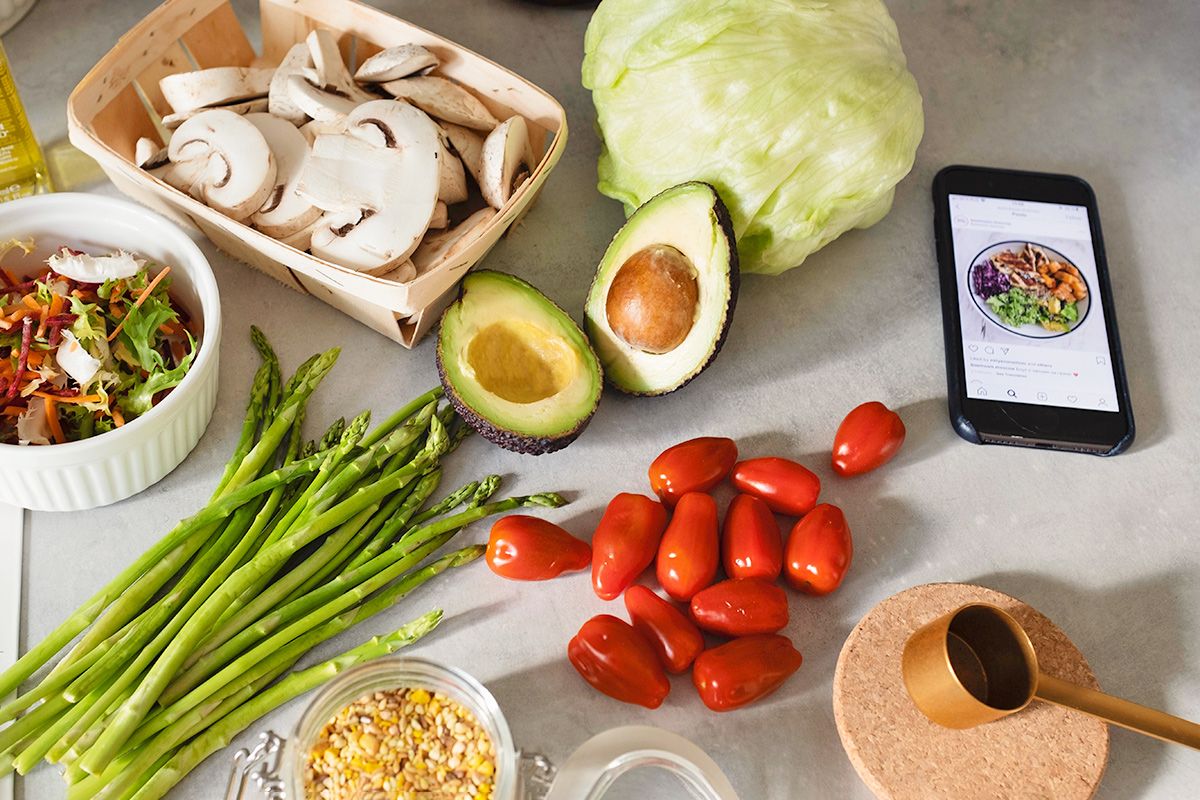
Another well-known plan, Mediterranean-DASH Diet Intervention for Neurodegenerative Delay (MIND), is based on research from the Rush University Medical Center and the Harvard T.H. Chan School of Public Health. It targets brain health with mostly plant-based foods and specifies eating whole grains, leafy and non-leafy vegetables, nuts, beans, and berries, with fewer servings of meat, fish, dairy, and sweets to limit saturated and trans fat consumption. The decision to drink alcohol in moderation is up to the individual.
Food prep
Credit: © ready made/Pexels.com

Best of Six

The new study, published in JAMA Neurology, analyzed DASH and five other primarily plant-based diets to assess their associations with cognitive function.

Advertisement
Advertisement

Researchers examined diet and cognitive data for 159,347 adults collected as part of three long-term studies in the U.S. They gave each participant a score indicating how well they stuck to any of six dietary patterns: the Alternate Healthy Eating Index 2010 (AHEI-2010), DASH, the Healthful Plant-Based Diet Index (hPDI), the Planetary Health Diet Index (PHDI), and the reversed empirical dietary indices for hyperinsulinemia (rEDIH) and inflammatory pattern (rEDIP). Participants also answered a questionnaire about their perceived cognitive health and had their cognitive function measured in phone interviews. 

Advertisement

While all six eating patterns were associated with a lower risk of cognitive decline, the DASH diet demonstrated the strongest link to participants’ perception of their cognitive health. Higher adherence to the DASH plan also had the strongest association to higher cognitive function. 

RankingDiet PatternRisk Ratio Associated With Subjective Cognitive Decline
1DASH0.59
2hPDI0.76
3rEDIH0.76
4PHDI0.80
5AHEI-20100.84
6rEDIP0.89
Advertisement
Advertisement

“One reason the DASH diet may support cognitive function is its focus on lowering blood pressure, in part by reducing sodium intake,” says Heather M. Snyder, Ph.D., senior vice president of medical and scientific relations at the Alzheimer’s Association, who was not involved in the study. “The diet is also associated with lower levels of inflammation, which plays a significant role in cognitive impairment.” 

Woman eating salad
Credit: © Getty Images/Unsplash.com

Mind-ful Eating

While more research is needed to understand the exact connections between diet, nutrition, and an individual’s risk of developing dementia, Snyder says multiple studies have linked better nutrition and Mediterranean-style diets to lower risks of heart disease and Type 2 diabetes, conditions that also increase the risk of cognitive decline and possible dementia.

Advertisement
Advertisement

“Eating a balanced, nutritious diet that includes the necessary nutrients for overall health is one of the best steps we can take for our brain health,” Snyder says, “whether or not we have a greater risk of cognitive decline or dementia due to family history or other risk factors.”

If you feel like your diet could use improvement and aren’t sure where to start, Snyder suggests making small changes and building on them, adding, “It’s never too early or too late to make healthy habit changes to help you live better now and protect your memory and thinking as you get older.”

Advertisement

Featured Image Credit: © Mariia Vitkovska—iStock/Getty Images

Advertisement
Advertisement

More From Our Network

Better Report is part of Inbox Studio, an email-first media company. *Indicates a third-party property.

Go Retro With This 1960s Fashion Quiz

Quiz Daily

Go Retro With This 1960s Fashion Quiz

True or False: Are You a Master of U.S. Geography?

Travel Quiz

True or False: Are You a Master of U.S. Geography?

5 Reasons You Can Be Denied Boarding an Airplane

Daily Passport

5 Reasons You Can Be Denied Boarding an Airplane

What Did People Do Before Eyeglasses?

History Facts

What Did People Do Before Eyeglasses?

How To Use a Balloon To Clean Up Dust

House Outlook

How To Use a Balloon To Clean Up Dust

11 Shopping Hacks Costco Members Should Know

FinanceBuzz*

11 Shopping Hacks Costco Members Should Know

Share this article

  • Share to Facebook
  • Share to Twitter
  • Copy Url
  • Share to Email
Kat Long
Writer

Kat Long is a freelance science journalist in the Washington, D.C. area. Previously, she was the science editor at Mental Floss and a digital editor at National Geographic. She now writes the Arctic Archives newsletter on Substack. Kat spends her free time birdwatching, road-tripping to historical sites and perusing old manuscripts at libraries.

This article is for general informational purposes only.
Affiliate Disclaimer Medical Disclaimer Financial Disclaimer

Updated: April 6, 2026
Posted In: Health
Hero Image Credit: Featured Image Credit: © Mariia Vitkovska—iStock/Getty Images
Advertisement

Related Articles

Does Going Outside With Wet Hair Really Make You Sick?

4 min read

7 Surprising Foods Your Dentist Doesn’t Want You To Eat

4 min read

The Correct Way To Use Sanitizer, According to Experts

7 min read

10 Cleaning Mistakes That Contaminate Cookware (and How To Correct Them)

10 min read

What’s the Best Time To Eat Breakfast?

4 min read
Advertisement

Why Is Everyone Talking About Fiber?

Ali Eldridge
Health | Updated: April 8, 2026
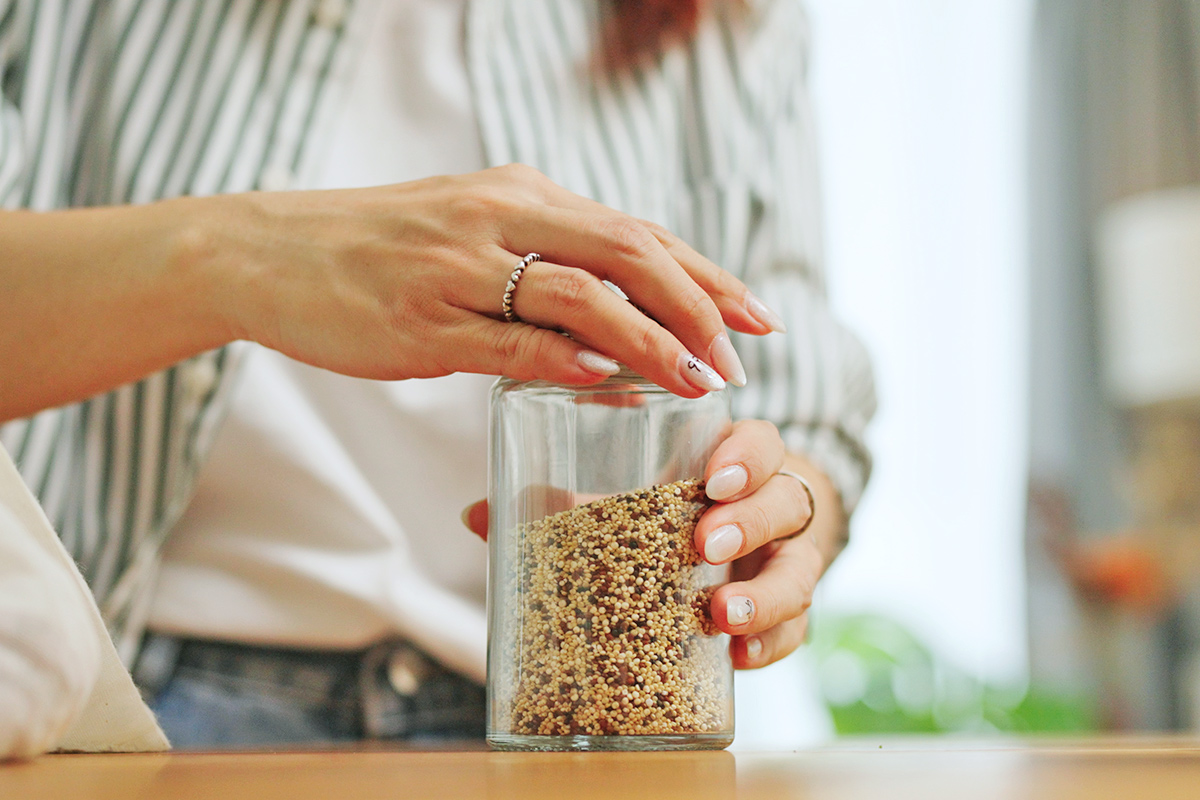
Person putting lid on a jar of grains
Better Report

Fiber has become a nutrition buzzword lately, popping up everywhere from morning talk shows to grocery store labels. You’ve likely heard that fiber is good for you — but what exactly is it, and why does it matter? 

Dietary fiber, found in plant-based foods, plays a key role in digestive health. Beyond that, it supports overall wellness and may help reduce the risk of certain chronic diseases. Despite its importance, however, the American Society for Nutrition estimates that only 7% of adults meet daily fiber recommendations, leaving plenty of room for improvement. Here’s what you need to know about this essential nutrient and how to incorporate more of it into your diet.

Advertisement
Advertisement
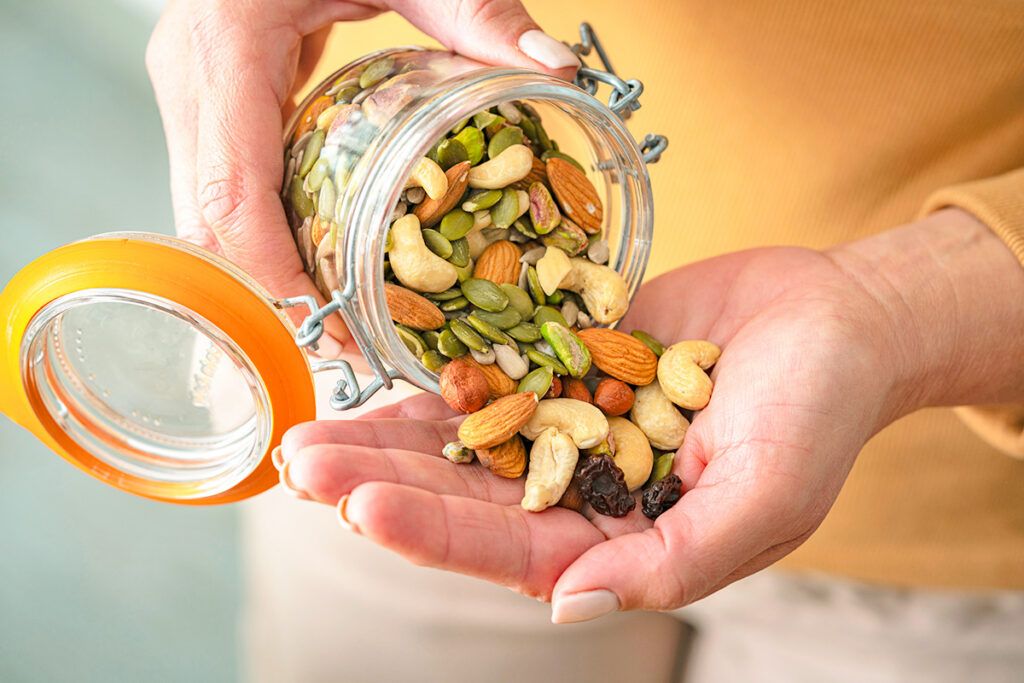
Person holding jar of nuts
Credit: © fcafotodigital/iStock

Why Is Fiber Important?

Dietary fiber is a type of carbohydrate found in the indigestible parts of plants. Unlike other nutrients, such as fats and proteins, fiber cannot be broken down or absorbed by the human body. Instead, it moves through the digestive tract, supporting several key functions along the way.

Recommended Articles

  • The Best Cars for Resale Value, According to Auto Experts

  • Does Going Outside With Wet Hair Really Make You Sick?

  • 7 Surprising Foods Your Dentist Doesn’t Want You To Eat

  • 5 Common Estate Planning Mistakes (and How To Avoid Them)

Advertisement
Advertisement

Reader Favorites

  • Person eating salad

    7 Things a Chef Never Orders at a Restaurant

  • Hand holding a red onion

    5 Vegetables You Should Never Store in the Fridge

  • Exterior of a trader joe's

    The 10 Healthiest Trader Joe’s Meals, According to a Dietitian

“[Fiber] aids in satiety because it adds bulk to your food without adding calories, can help reduce cholesterol, slows the spike of blood sugar from eating, and promotes gut health by providing food for your healthy gut bacteria,” Devon Kroesche, a registered dietitian nutritionist who specializes in women’s health, explains. Getting more fiber is also linked to overall longevity, including a decreased risk of heart disease and type 2 diabetes, according to the Mayo Clinic.

Person scooping oats into a bowl
Credit: © Arx0nt/iStock

What Are Some High-Fiber Foods?

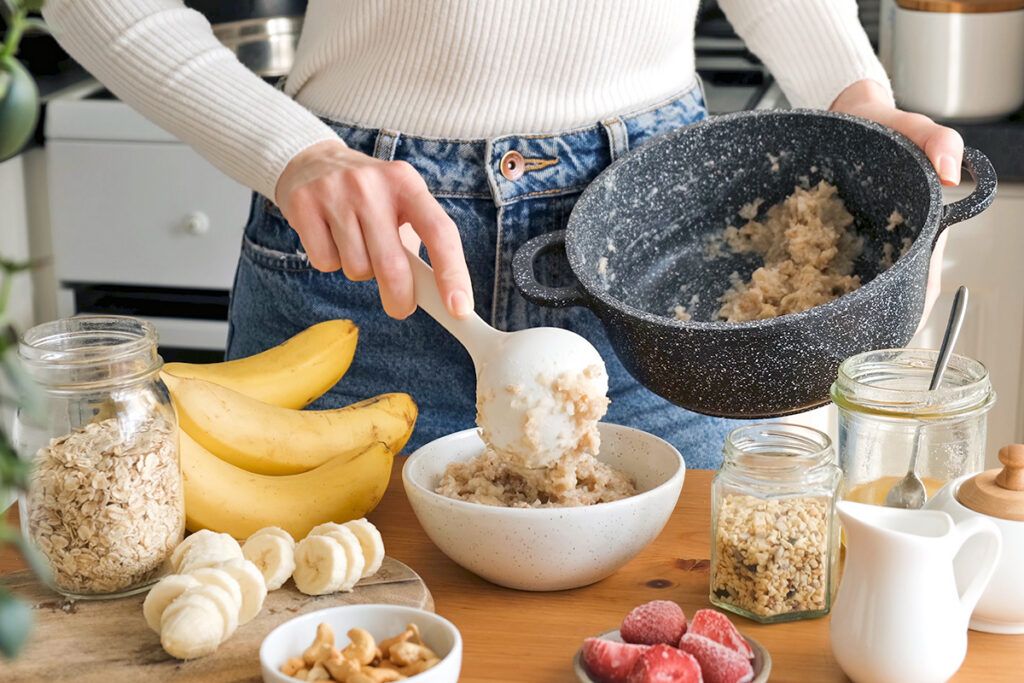
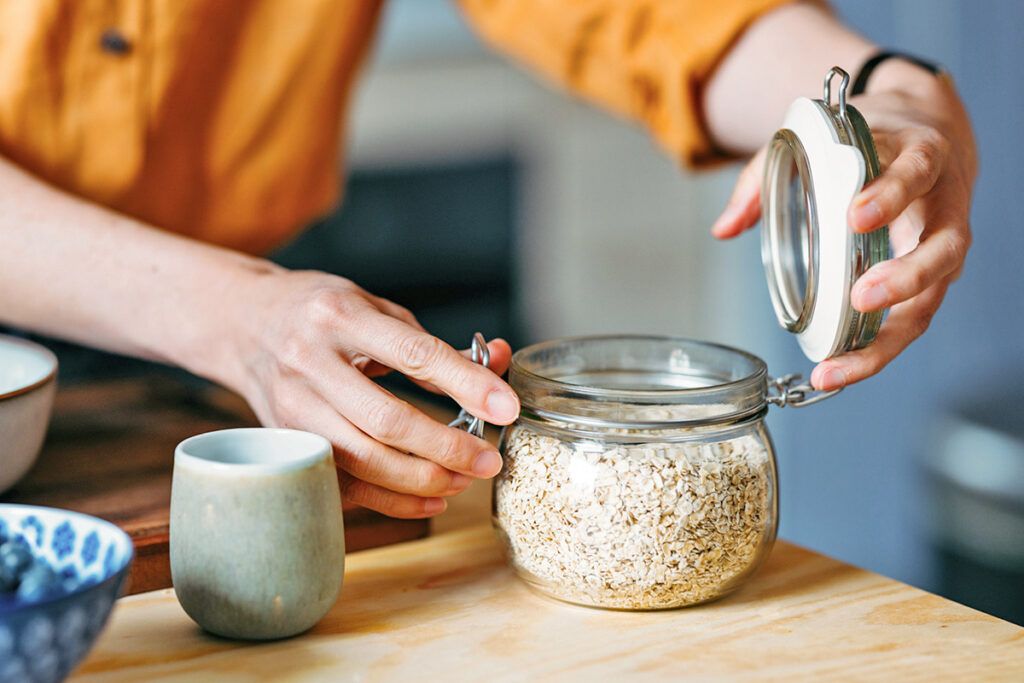
There are two main types of dietary fiber: soluble and insoluble. Soluble fiber dissolves in water, forming a gel-like material that slows digestion. This can lower cholesterol and stabilize blood sugar levels. Kroesche recommends oats, bananas, and sweet potatoes as good sources of soluble fiber; peas, beans, apples, citrus fruits, and carrots are also excellent options.

Advertisement
Advertisement

Insoluble fiber, as its name suggests, does not dissolve in water. It helps move nutrients through the digestive system and adds bulk to stool, which can ease constipation. To increase your intake, focus on whole grains, nuts, seeds, and whole vegetables with skins.

It’s worth noting that many high-fiber plant foods contain both types of fiber, so variety is key to meeting your daily needs.

Advertisement
Advertisement
Person adding seeds to salad
Credit: © SolStock/iStock

What Are Some Easy Ways To Increase Fiber Intake?

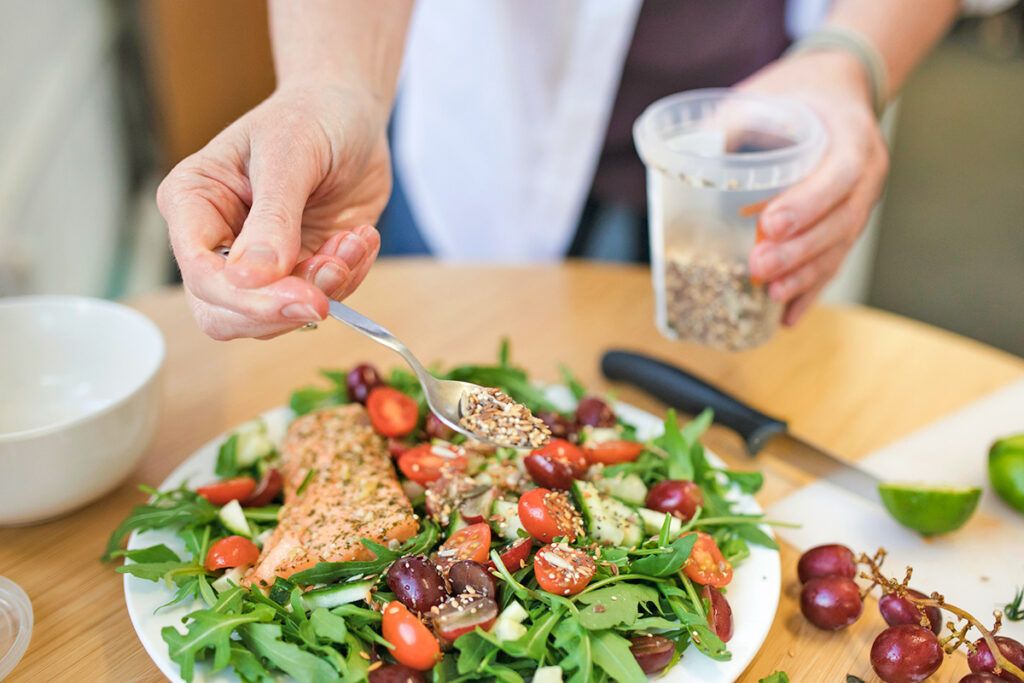
Adding more fiber to your diet doesn’t have to be complicated. Amanda Callenberg, a London-based registered nutritional therapist specializing in gut health and IBS, offers several simple strategies: “Add an extra serving of vegetables to meals, include beans or lentils, swap to whole grains, and add nuts or seeds where you can.”

Advertisement
Advertisement

Why prioritize whole grains? Refined or processed foods are lower in fiber because the bran (the outer portion) is removed from the grain. This strips away nutrients, including fiber. Choosing whole-grain pastas, cereals, and breads allows you to retain those benefits without sacrificing taste. Similarly, removing skin or pulp from fruits and vegetables reduces fiber levels, so opt for whole foods whenever possible.

Advertisement
Person opening jar of oats
Credit: © FreshSplash/iStock

How Much Daily Fiber Do We Really Need?

A recent social media trend known as “fibermaxxing” encourages a very high daily fiber intake — but is there a limit? 

Advertisement
Advertisement

“There can be a misconception that more is always better when it comes to fiber,” Kroesche says. “In reality, we want just the right amount of fiber — not more or less.” Consuming too much fiber, she warns, can cause digestive discomfort or more serious issues, such as digestive tract blockages.

While there isn’t a strict upper limit to how much fiber you can consume, the Mayo Clinic recommends a daily goal of 25 grams of dietary fiber for women and 38 grams for men. As with all aspects of nutrition, these goals should be tailored to your health, including any current digestive issues, your age, and your activity level. Kroesche also recommends gradually increasing your daily intake by about 5 grams per week. “Your gut is a muscle and may need some time to adapt to a higher-fiber diet to prevent gas and bloating,” she says. 

Advertisement
Advertisement
Older man drinking water
Credit: © Pressmaster/iStock

Do Older Adults Need To Think About Fiber Differently?

Fiber is important at all stages of life, and according to Callenberg, “meeting those needs can become more challenging with age, as appetite and activity levels often decrease.” Other challenges older adults face include reduced stomach acid and slowed digestion, which may affect how well fiber is tolerated.

Advertisement
Advertisement

To reduce fiber-related digestive issues, focus on a consistent intake spread throughout the day and drink plenty of water to prevent blockages. Hydration and fiber efficacy go hand in hand.

Fiber needs also decrease slightly with age. The Mayo Clinic recommends a daily intake of 21 grams for women over 50 and 30 grams for men over 50. Meeting these targets — without overdoing it — can help you maintain digestive system balance.

Advertisement
Advertisement
Fiber supplements
Credit: © Michelle/stock.adobe.com

Are Fiber Supplements as Effective as Whole Foods?

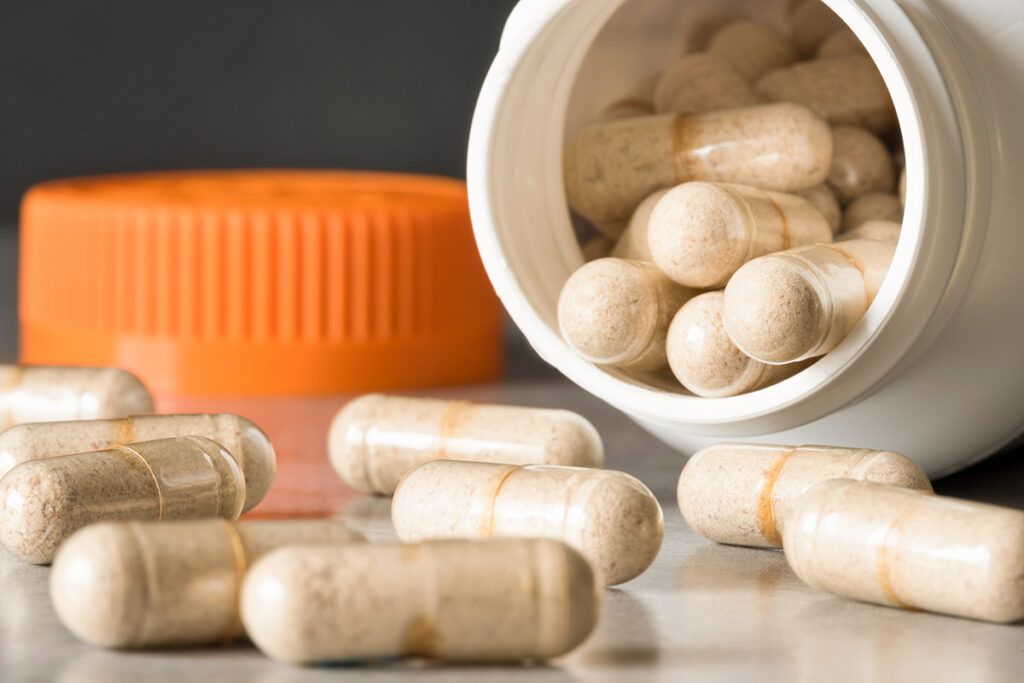
Fiber supplements can be helpful if you’re struggling to meet your needs through diet alone. However, whole foods are generally preferred. If you decide to start a fiber supplement, consult your doctor.

Advertisement
Advertisement

“Many other nutrients, such as vitamins and minerals, [are] contained in high-fiber foods,” Kroesche says. “Incorporating more of these foods often displaces less nutrient-dense foods,” such as processed foods. A whole-food-first approach not only supports digestion but also contributes to a more nourishing diet with long-lasting health benefits. 

Featured Image Credit: © Happy Kikky/iStock

More From Our Network

Better Report is part of Inbox Studio, an email-first media company. *Indicates a third-party property.

Go Retro With This 1960s Fashion Quiz

Quiz Daily

Go Retro With This 1960s Fashion Quiz

True or False: Are You a Master of U.S. Geography?

Travel Quiz

True or False: Are You a Master of U.S. Geography?

5 Reasons You Can Be Denied Boarding an Airplane

Daily Passport

5 Reasons You Can Be Denied Boarding an Airplane

What Did People Do Before Eyeglasses?

History Facts

What Did People Do Before Eyeglasses?

How To Use a Balloon To Clean Up Dust

House Outlook

How To Use a Balloon To Clean Up Dust

11 Shopping Hacks Costco Members Should Know

FinanceBuzz*

11 Shopping Hacks Costco Members Should Know

Share this article

  • Share to Facebook
  • Share to Twitter
  • Copy Url
  • Share to Email
Ali Eldridge

This article is for general informational purposes only.
Affiliate Disclaimer Medical Disclaimer Financial Disclaimer

Updated:
Posted In: Health
Hero Image Credit: Better Report
Advertisement

Related Articles

Does Going Outside With Wet Hair Really Make You Sick?

4 min read

7 Surprising Foods Your Dentist Doesn’t Want You To Eat

4 min read

The Correct Way To Use Sanitizer, According to Experts

7 min read

10 Cleaning Mistakes That Contaminate Cookware (and How To Correct Them)

10 min read

What’s the Best Time To Eat Breakfast?

4 min read
Advertisement

5 Surprising Foods That Help Lower Blood Pressure

Health | Updated: July 25, 2024
Rachel Gresh
Author
Rachel Gresh is a Washington, D.C.-based freelance writer. When she's not writing, you can find her wandering a museum, exploring an unfamiliar city, or baking something new in the kitchen.
Person making sauerkraut and putting it in a large jar
Better Report

Giving up favorite foods is one of the hardest parts of maintaining a diet. For many, passing on the pizzas, cheeseburgers, and salty snacks feels less like a simple lifestyle change and more like Mission: Impossible. But there is hope. Plenty of delicious foods can help lower your blood pressure naturally. Staples include whole grains, lean protein, fruits, vegetables, and nuts, but other, more surprising options exist, and they are just as good for you. Healthy eating doesn’t have to be drab. Here are some surprising foods to lower your blood pressure.

Credit: Hans Isaacson/ iStock

Lattes

Coffee lovers rejoice! According to the Mayo Clinic, you don’t have to sacrifice your daily coffee if you’re trying to lower your blood pressure. Lattes and other coffee drinks can be heart-healthy. Choose low-fat beverages that align with the DASH (Dietary Approaches to Stop Hypertension) diet. To make sure your coffee drinks fit the bill, opt for brown sugar or sugar-free sweeteners, sugar-free syrups, fat-free whipped toppings, and fat-free or low-fat milk and creamers. Low-fat dairy is one of the best food groups to help lower blood pressure as it provides extra calcium (which lowers blood pressure) and protein without excess fat. Because a latte is made primarily of steamed milk, this is a great way to get a serving or two of beneficial dairy. Tip: If you are caffeine sensitive and notice blood pressure spikes or other negative impacts, replace regular espresso or coffee with decaffeinated.

Advertisement
Advertisement
Credit: Narong Jhanwattana/ Shutterstock

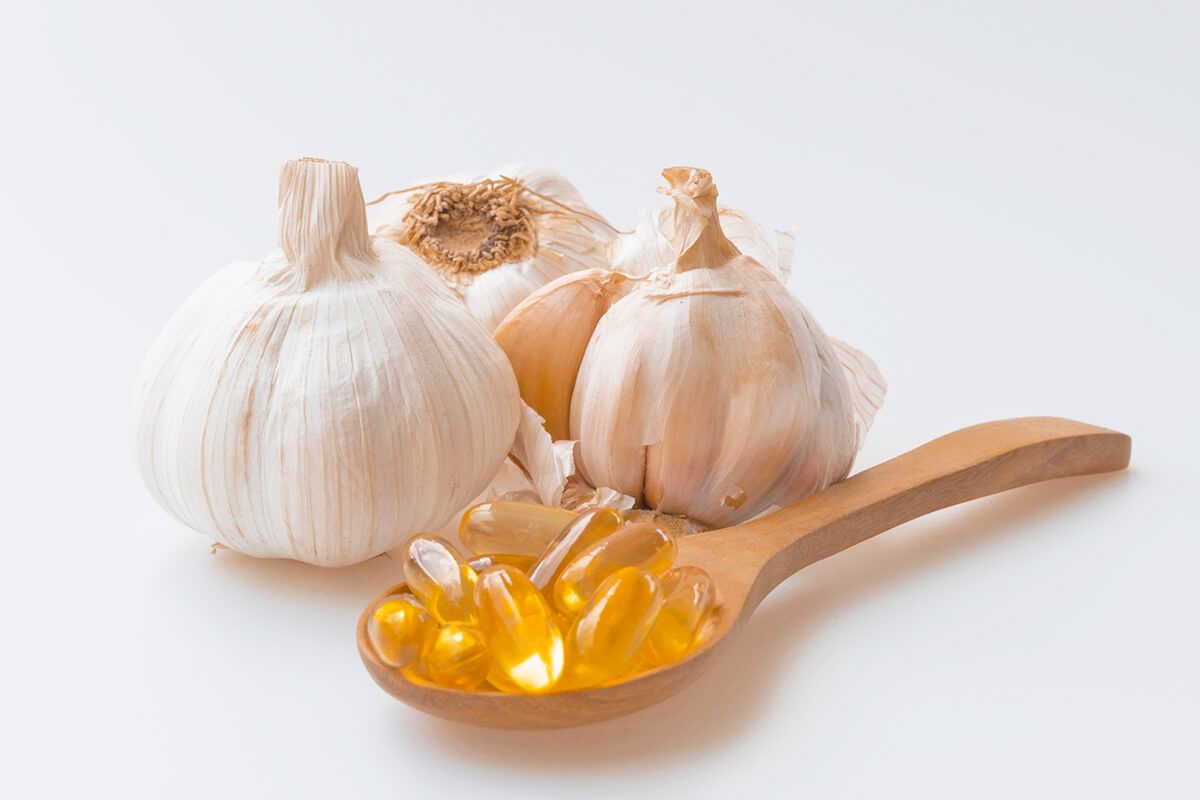
Garlic

The main active ingredient in garlic is allicin, a heart-healthy compound that can also reduce inflammation. Because of this, garlic supplements are a popular natural remedy to fight high cholesterol and blood pressure. In one study of adults with high blood pressure, those who took garlic supplements saw an average reduction of eight points in systolic blood pressure and five points less in diastolic blood pressure. Not only does garlic harbor unexpected health benefits, but it’s also a tasty way to flavor dishes without adding more salts or fats. Try garlic on savory seafood, meats, pasta, vegetables, soups, and more.

Credit: Mirko Graul/ Shutterstock

Frozen Yogurt

One of the most common struggles in dieting is having to forgo desserts, but not so fast. As previously mentioned, low-fat dairy is an excellent food group for a heart-healthy diet. Opting for an unsweetened, low-fat frozen yogurt topped with fruit (another blood-pressure-lowering food group) is a treat you can feel good about. Just be sure to watch the added sugar content on the label of the frozen yogurt. In addition to blood-pressure-lowering calcium, yogurt products are fermented, which means they contain gut-healthy beneficial bacteria. Look for frozen yogurt brands that label their products as containing live and active cultures.

Recommended Articles

  • The Best Cars for Resale Value, According to Auto Experts

  • Does Going Outside With Wet Hair Really Make You Sick?

  • 7 Surprising Foods Your Dentist Doesn’t Want You To Eat

  • 5 Common Estate Planning Mistakes (and How To Avoid Them)

Advertisement
Advertisement

Reader Favorites

  • Person eating salad

    7 Things a Chef Never Orders at a Restaurant

  • Hand holding a red onion

    5 Vegetables You Should Never Store in the Fridge

  • Exterior of a trader joe's

    The 10 Healthiest Trader Joe’s Meals, According to a Dietitian

Credit: Moving Moment/ Shutterstock

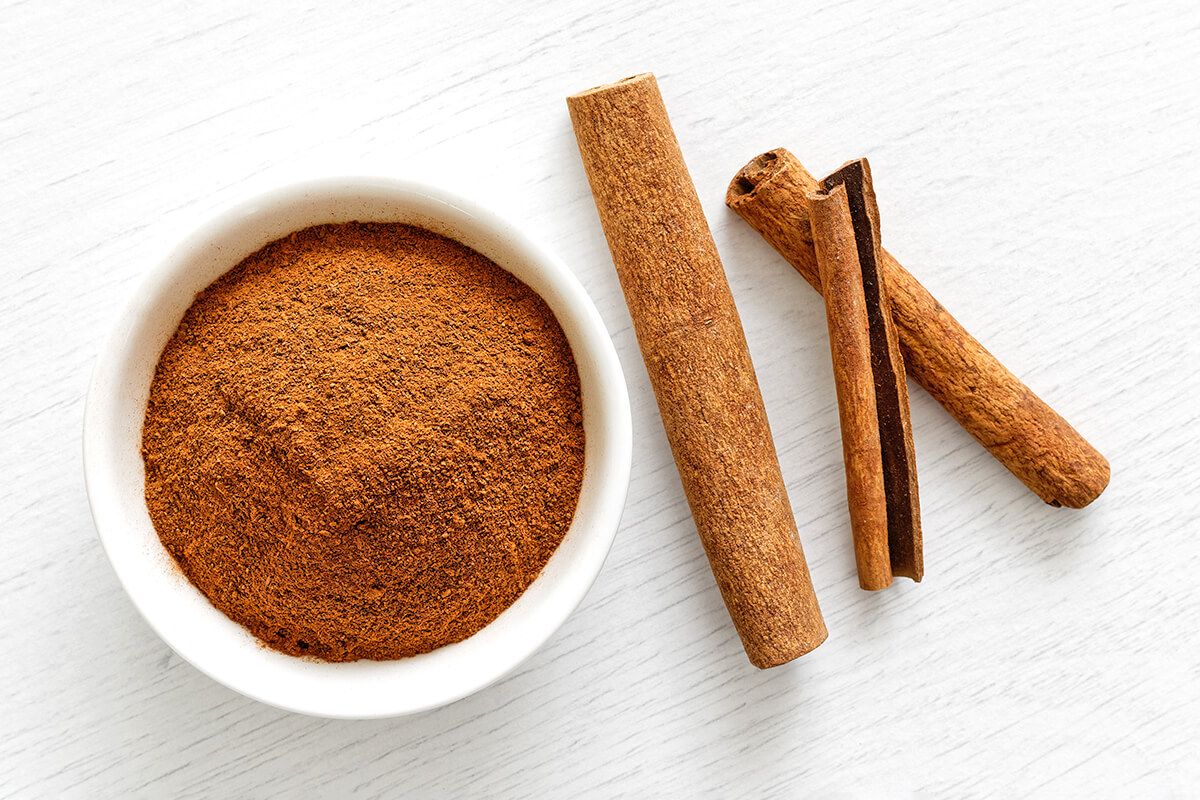
Cinnamon

Cinnamon isn’t just a tasty spice to top your latte or oatmeal with; it’s a powerful plant-based food that has been used for centuries in traditional medicine to treat heart conditions. In a review of nine studies, participants who regularly consumed cinnamon saw a reduction in systolic and diastolic blood pressure by an average of 6.2 mm Hg and 3.9 mm Hg, respectively. Moreover, in animal studies, cinnamon controls blood pressure by dilating and relaxing the blood vessels. Add cinnamon to desserts, drinks and smoothies, oats, and more to get your daily dose of this heart-healthy food.

Credit: Pixel-Shot/ Shutterstock

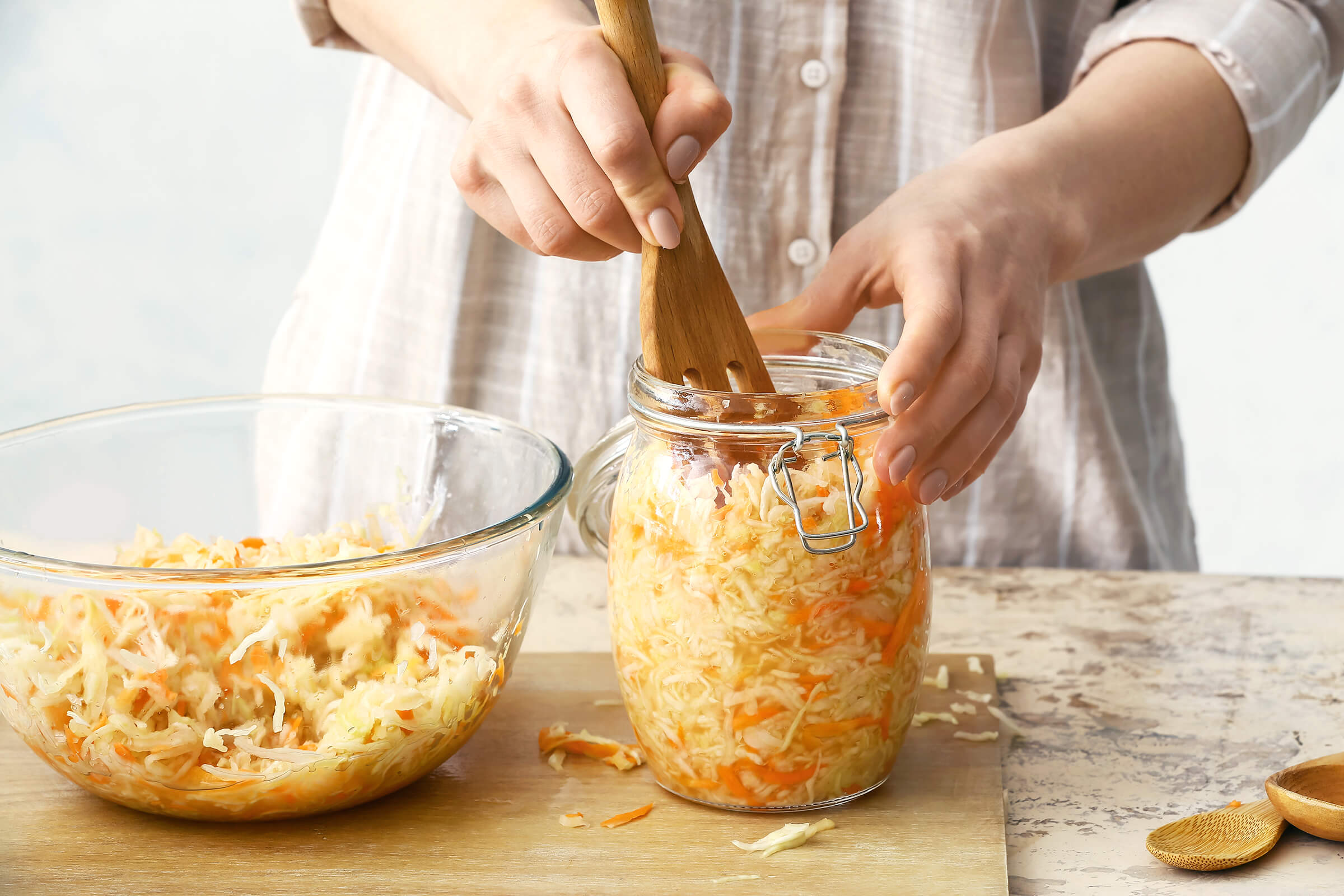
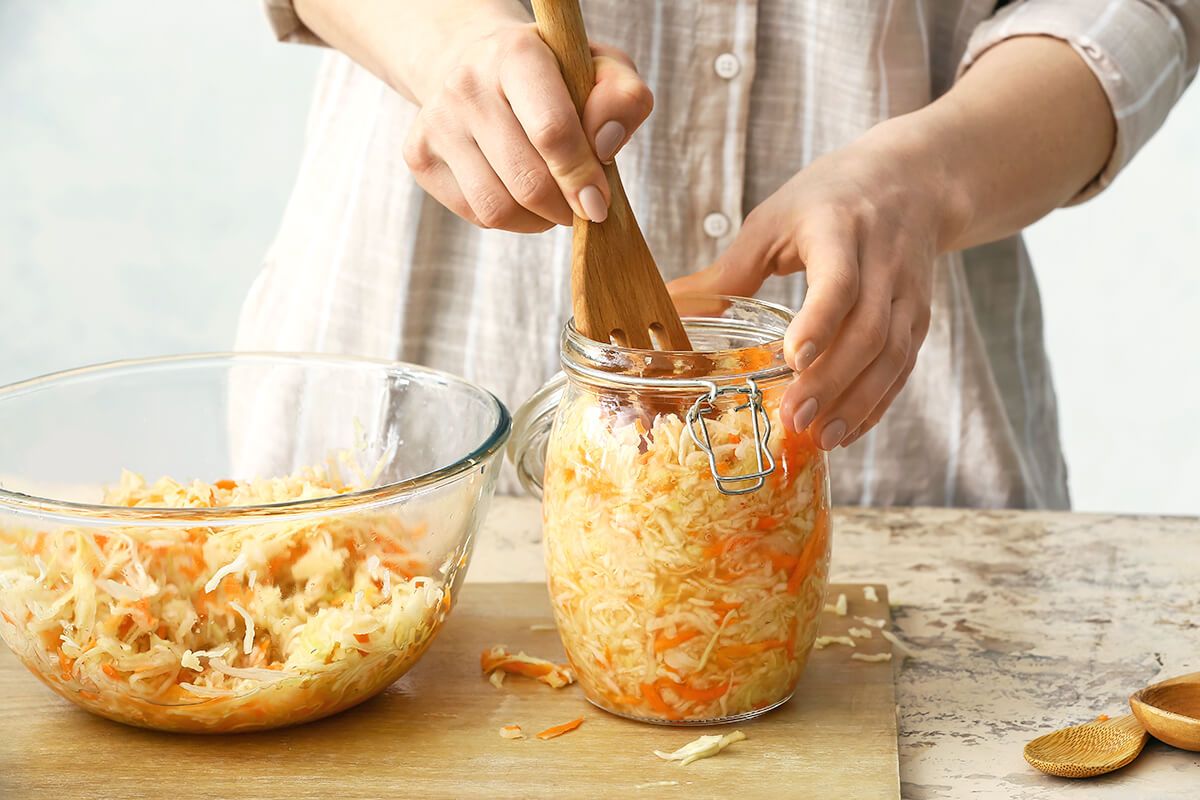
Sauerkraut

Most of us have likely heard of the health benefits of fermented foods, especially that they’re chock full of probiotics, which are crucial to a healthy gut microbiome. However, fermented foods are also good for other parts of your body, including your circulatory system. According to a review in the Journal of the American College of Cardiology, consuming fermented foods such as sauerkraut, yogurt, kombucha, kimchi, kefir, miso, apple cider vinegar, and tempeh can help lower blood pressure and improve cholesterol.

More From Our Network

Better Report is part of Inbox Studio, an email-first media company. *Indicates a third-party property.

Go Retro With This 1960s Fashion Quiz

Quiz Daily

Go Retro With This 1960s Fashion Quiz

True or False: Are You a Master of U.S. Geography?

Travel Quiz

True or False: Are You a Master of U.S. Geography?

5 Reasons You Can Be Denied Boarding an Airplane

Daily Passport

5 Reasons You Can Be Denied Boarding an Airplane

What Did People Do Before Eyeglasses?

History Facts

What Did People Do Before Eyeglasses?

How To Use a Balloon To Clean Up Dust

House Outlook

How To Use a Balloon To Clean Up Dust

11 Shopping Hacks Costco Members Should Know

FinanceBuzz*

11 Shopping Hacks Costco Members Should Know

Share this article

  • Share to Facebook
  • Share to Twitter
  • Copy Url
  • Share to Email
Rachel Gresh
Writer

Rachel Gresh is a Washington, D.C.-based freelance writer. When she's not writing, you can find her wandering a museum, exploring an unfamiliar city, or baking something new in the kitchen.

This article is for general informational purposes only.
Affiliate Disclaimer Medical Disclaimer Financial Disclaimer

Updated: December 15, 2023
Posted In: Health
Hero Image Credit: Better Report
Advertisement

Related Articles

Does Going Outside With Wet Hair Really Make You Sick?

4 min read

7 Surprising Foods Your Dentist Doesn’t Want You To Eat

4 min read

The Correct Way To Use Sanitizer, According to Experts

7 min read

10 Cleaning Mistakes That Contaminate Cookware (and How To Correct Them)

10 min read

What’s the Best Time To Eat Breakfast?

4 min read
Advertisement
  • Home
  • Health
  • Wealth
  • Logo
  • Advertise
  • About
  • Contact Us
  • Privacy Policy
  • Terms of Use
  • Your Privacy Choices
x
Thumb Image

Elevate your everyday.

Sign up to receive the practical tips and expert advice you need to pare down the complexities of everyday living right in your inbox.

Sorry, your email address is not valid. Please try again.

Your email is:

Edit Image
Sorry, your email address is not valid. Please try again.
Thank you for subscribing...

By subscribing you are agreeing to our Terms of Use and Privacy Policy.

Close image
Thumb Image
Second Thumb Image

Elevate your everyday.

Sign up to receive the practical tips and expert advice you need to pare down the complexities of everyday living right in your inbox.

Sorry, your email address is not valid. Please try again.

By subscribing you are agreeing to our Privacy Policy and Terms of Use.

Close image