Skip to content
Better Report
  • Home
  • Health
  • Wealth
8 Low-Maintenance Plants That Thrive on Neglect
  • Search
  • Subscribe
  • Home
  • Health
  • Wealth
  • About
  • Privacy Policy
  • Terms of Use
  • Contact Us
  • SubscribeSubscribe
  • Search
Thank you for confirming your email! Welcome to the community.

Tag: Exercise

5 Peculiar Fitness Trends to Try
Health | Updated: August 19, 2024
Rachel Gresh
Author
Rachel Gresh is a Washington, D.C.-based freelance writer. When she's not writing, you can find her wandering a museum, exploring an unfamiliar city, or baking something new in the kitchen.
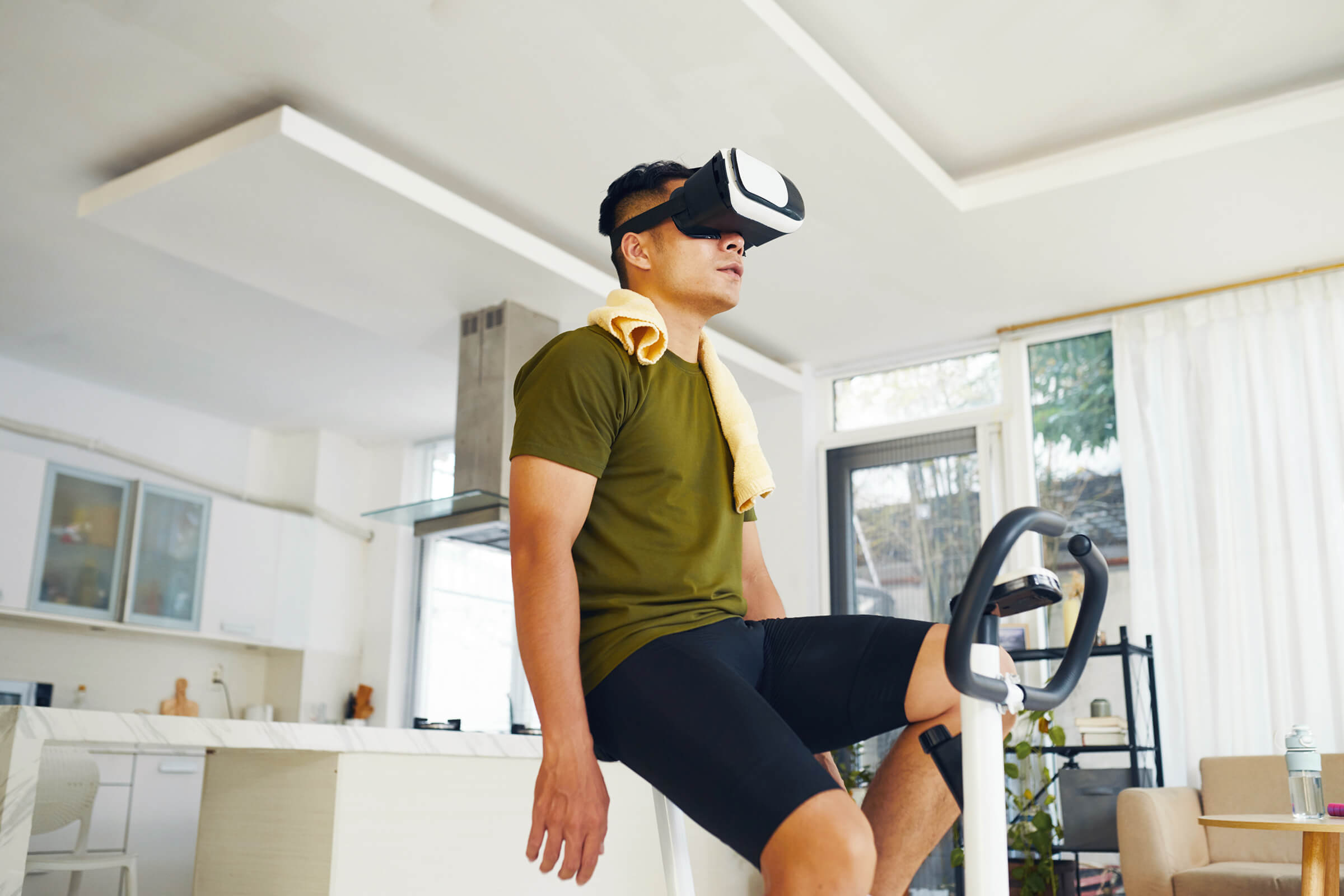
Man on exercise bike while wearing a VR headset
Better Report

Fitness influencers, health gurus, and major exercise brands always look to raise the stakes, leading to exciting, if not unorthodox, developments. From prancercise and goat yoga to hula hooping and the thigh master — the diverse world of fitness has no shortage of peculiar trends. However, we’re skipping the barnyard animals and plastic rings in favor of newer fitness fads. Not only are these workout activities fun, but they have proven benefits, and they’re trending now. Backed by health experts and celebrated on social media, these trends might be here to stay. Which of these unique exercises would you try?
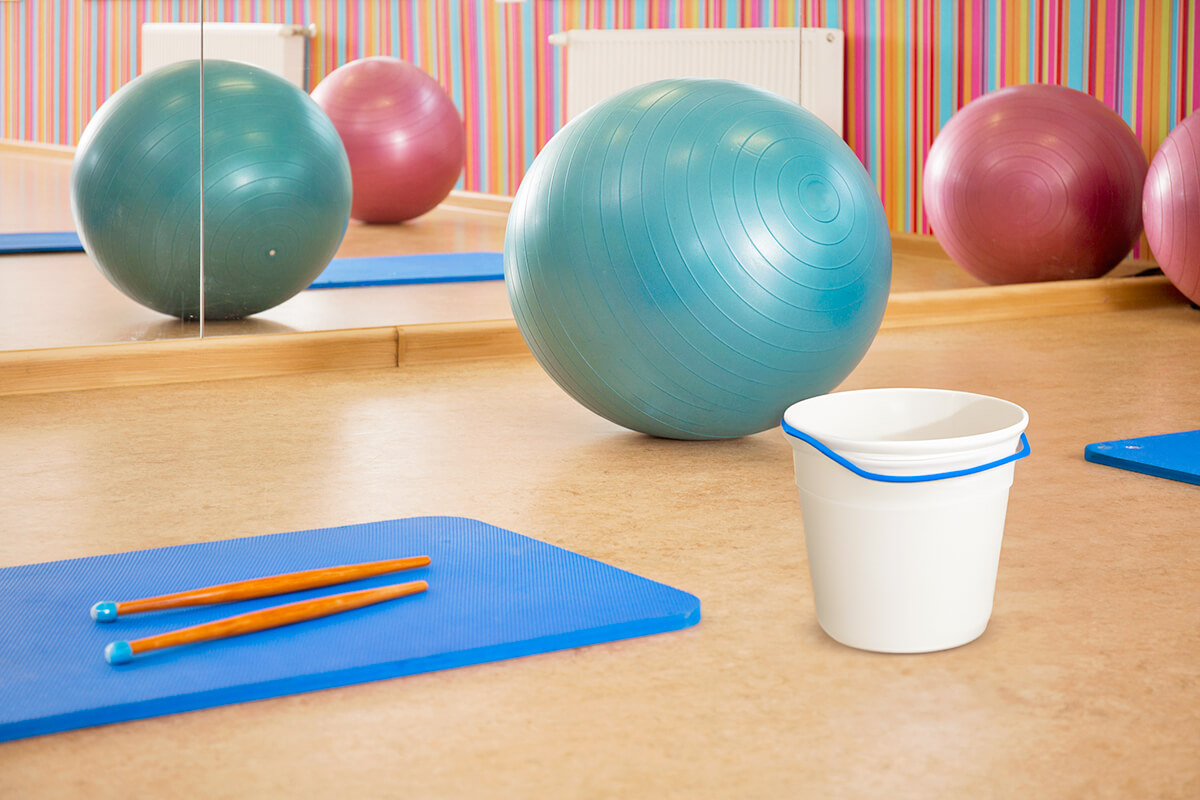
Collection of inflatable exercise balls next to a bucket and a pair of drum sticks
Credit: KatarzynaBialasiewicz/ iStock

Cardio Drumming

This fun exercise trend, known as cardio drumming, is precisely as it sounds — high-intensity drumming that doubles as a heart-healthy workout. However, this type of drumming requires very different equipment from what your favorite rock stars would use. No, you won’t make music, but it will make you sweat. Cardio drumming can be done in group classes or at home. All you need is a pair of drumsticks (or something of similar size), a large exercise ball, and a bucket to hold the ball. 

The workout is simple: Drum on the exercise ball along to the beat of your favorite songs. You’ll end up with an excellent cardio exercise. Up the ante by incorporating dance moves, jumps, and other whole-body motions. This fun aerobic workout can improve cardiovascular health and lower blood pressure while reducing anxiety and stress.
Advertisement
Advertisement
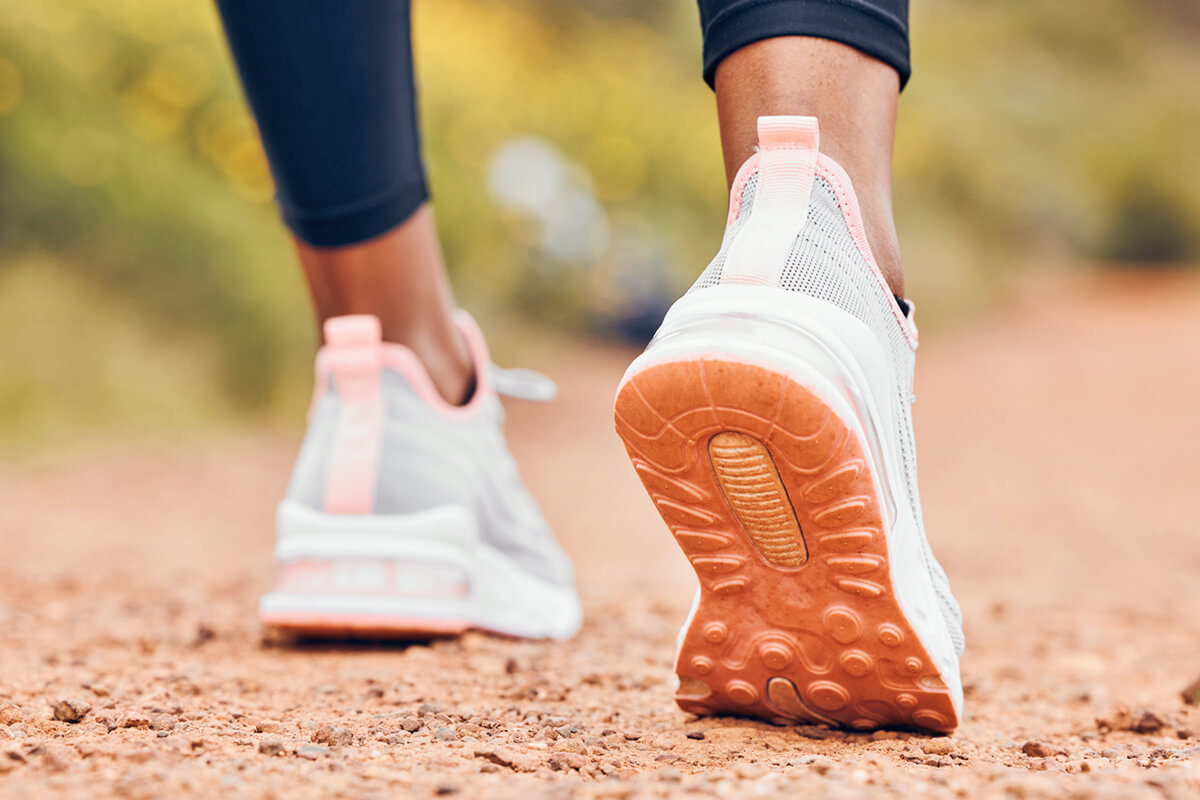
Shot of someone wearing athletic sneakers walking
Credit: Jacob Wackerhausen/ iStock

Backward Walking

By now, everyone likely knows the health benefits of walking, which is why so many of us strive to reach a 10,000-step daily goal. A new fitness trend proposes a twist to the world’s simplest workout: do it backward. Also called “retro-walking,” this viral TikTok-turned-mainstream fitness trend is gaining traction, and experts support it as a low-impact, calorie-burning activity.

This exercise involves walking backward on a treadmill, track, or quiet sidewalk, but don’t try this in downtown Manhattan; opt for a less populated area to avoid collisions. The movement engages different muscles than forward walking, taking pressure off your knees while improving flexibility and coordination. According to physical therapist Kristyn Holc, doctors have been recommending this activity for decades. It’s an excellent option for anyone who wants to strengthen their lower body. Still, it is especially beneficial for older adults who might experience joint pain while doing other forms of exercise.

Advertisement
Man writing notes in a notebook with a salad next to him
Credit: KucherAV/ iStock

75 Hard Challenge

Popularized on social media, the “75 Hard Challenge” is true to its name. This fitness trend is a 75-day wellness program that requires participants to follow five daily rules without substitutions or rest days. The rules include following a strict meal plan (such as the Mediterranean diet) with no alcohol, drinking one gallon of water, completing two 45-minute workouts (one must be outside), reading 10 pages of a nonfiction book, and taking progress pictures. It’s undoubtedly tricky, so much so that a new, less-intense version was created, coined “75 Soft.” It cuts most of the activities in half, making it easier for participants to accomplish.

If this sounds like something you’re interested in trying, health and sports psychologist Dr. Matthew Sacco urges participants to be realistic and not overdo it: “Something like this requires smart goal setting: Your goals have to be measurable, attainable, realistic and time-limited. And sometimes, that looks like walking around the block three times a week for two weeks, and then scaling that up when you’re comfortable, instead of pushing to run two miles every day without rest.”

Recommended Articles

  • How GLP-1s Are Changing the Holidays

  • A Warning Sign for Heart Attack and Stroke Could Show Up on Your Face

  • 6 Costly Mistakes You Make When Buying Gas

  • 6 Holiday Scams To Watch Out For

Advertisement
Advertisement

Reader Favorites

  • Person washing part of a coffee machine

    18 Surprising Things You Should Never Put Down Your Drain

  • Woman brushing hair

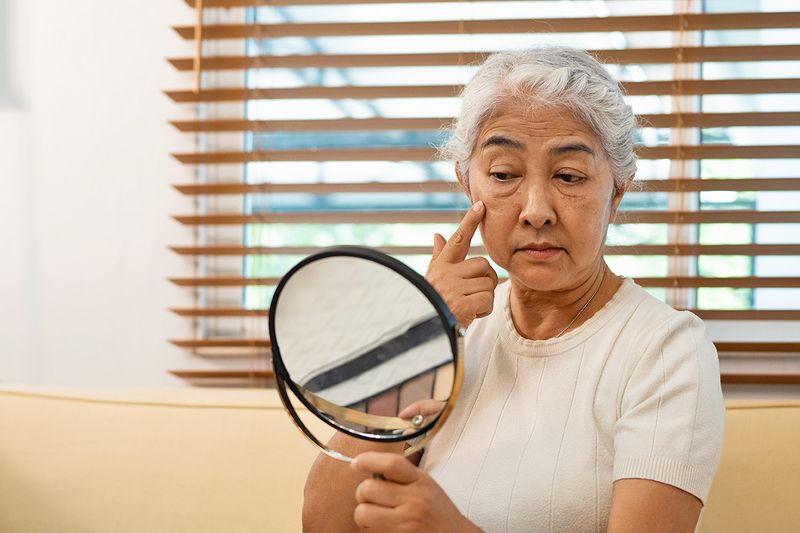
    9 Surprising Signs You’re Aging

  • White car on the road

    The Best Cars for Resale Value, According to Auto Experts

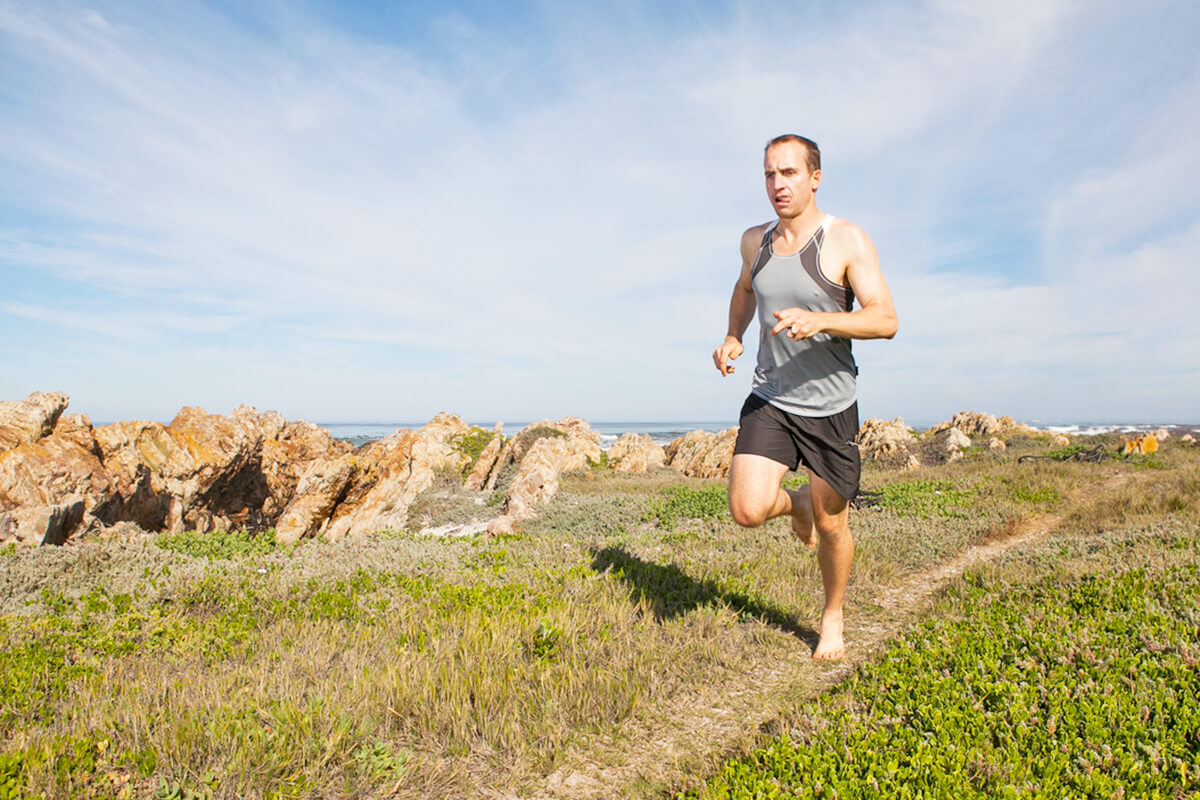
Man running barefoot on a trail
Credit: nattrass/ iStock

Barefoot Running

This trend requires no fancy equipment, gym membership, or structured schedule. The sentiment is simple: run au naturel. Also called “minimal running,” barefoot running has been making headlines for its potential health benefits. It involves running without shoes on or with a thin protective layer such as a sock. Supporters of the trend say it reinforces the proper biomechanics of the lower body, and for some, it might work wonders. There are reports of runners suffering from IT band or hip issues who have turned to barefoot running and found their pain went away. 

Physical therapist Michael Bogden supports the trend: “For most people, you’re probably going to have better mechanics running barefoot. It encourages a running pattern that is more efficient.” According to the Cleveland Clinic, barefoot running can help stabilize a flat arch, reduce instances of plantar fasciitis, and burn more calories. Still, others have reported shin splints or other injuries after switching to running barefoot, so the results vary from person to person. Remember, barefoot running shouldn’t cause any pain.
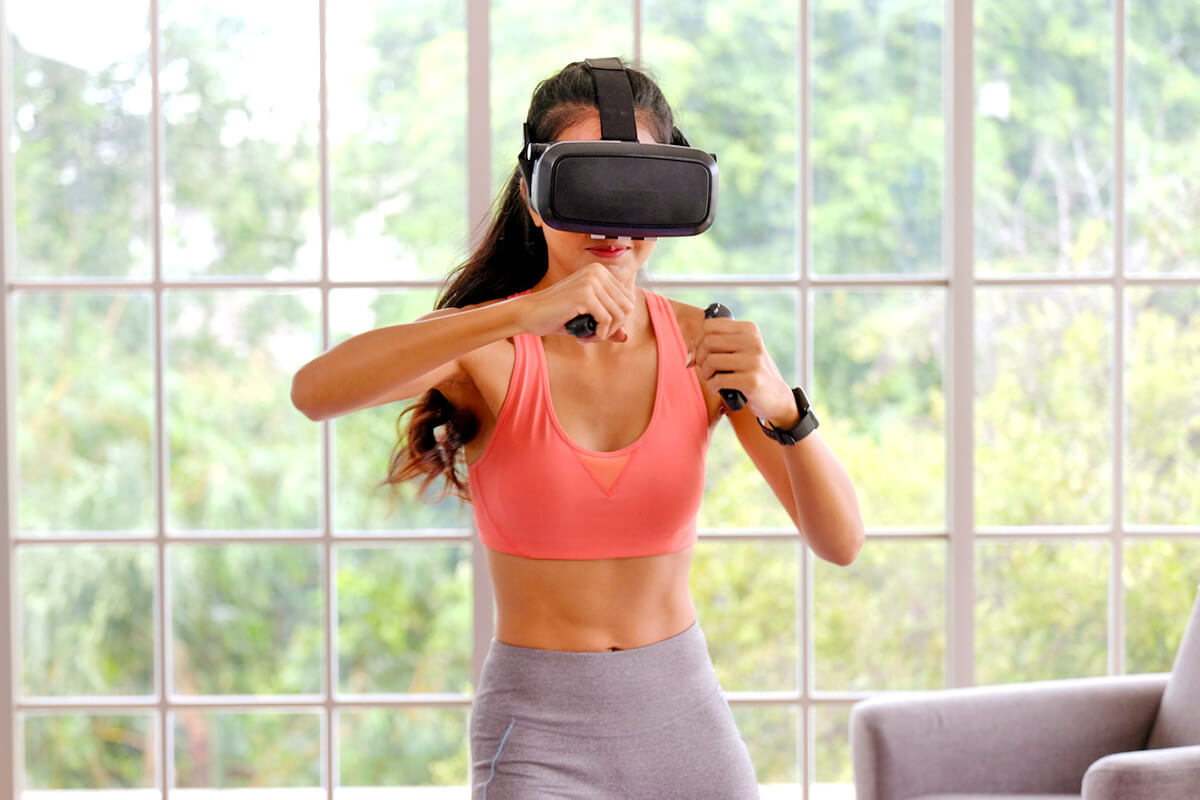
Woman working out while wearing a VR headset
Credit: mangpor_2004/ iStock

Virtual Reality Workouts

Technology has revolutionized the fitness industry over the last few decades, from smartwatches to high-tech fitness machines like Peloton. Another new trend, virtual reality workouts, is stealing the spotlight. Strapping on a headset to exercise might seem a little wonky, but don’t knock it until you try it. 

Advertisement

Imagine working out in the Italian Alps or on the beaches of Oahu from the comfort of your home. This is now possible thanks to fitness apps made for virtual reality headsets. Explore more than 10 million miles of roads on your stationary bike using the VZfit app, or try a sweat-inducing mixed martial arts session in the metaverse on the Les Mills Bodycombat XR app. With virtual reality fitness, the sky’s not the limit; it’s just the beginning.

More From Our Network

Better Report is part of Inbox Studio, an email-first media company. *Indicates a third-party property.

Go Retro With This 1960s Fashion Quiz

Quiz Daily

Go Retro With This 1960s Fashion Quiz

True or False: Are You a Master of U.S. Geography?

Travel Quiz

True or False: Are You a Master of U.S. Geography?

5 Reasons You Can Be Denied Boarding an Airplane

Daily Passport

5 Reasons You Can Be Denied Boarding an Airplane

What Did People Do Before Eyeglasses?

History Facts

What Did People Do Before Eyeglasses?

How To Use a Balloon To Clean Up Dust

House Outlook

How To Use a Balloon To Clean Up Dust

11 Shopping Hacks Costco Members Should Know

FinanceBuzz*

11 Shopping Hacks Costco Members Should Know

Share this article

  • Share to Facebook
  • Share to Twitter
  • Copy Url
  • Share to Email
Rachel Gresh
Writer

Rachel Gresh is a Washington, D.C.-based freelance writer. When she's not writing, you can find her wandering a museum, exploring an unfamiliar city, or baking something new in the kitchen.

This article is for general informational purposes only.
Affiliate Disclaimer Medical Disclaimer Financial Disclaimer

Updated: December 15, 2023
Posted In: Health
Hero Image Credit: Better Report
Advertisement

Related Articles

How GLP-1s Are Changing the Holidays

9 min read

A Warning Sign for Heart Attack and Stroke Could Show Up on Your Face

4 min read

The Strange Reason Why Time Feels Like It’s Moving Faster

5 min read

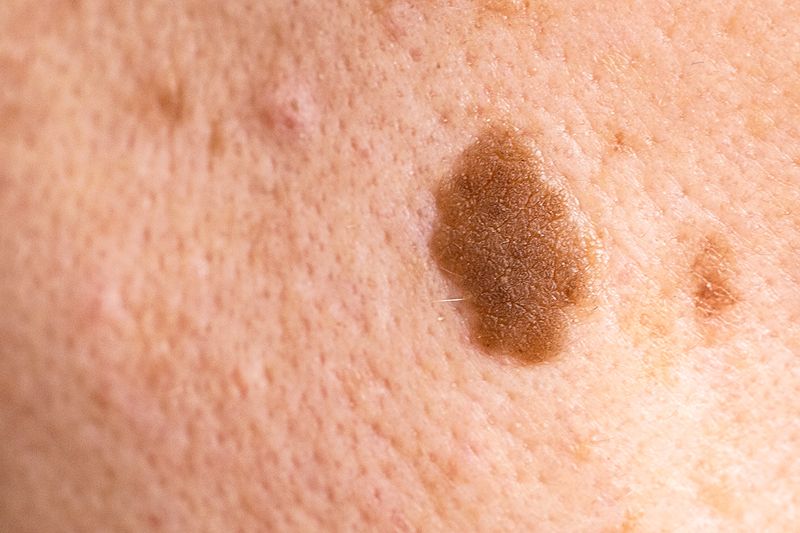
Are the Brown Marks on Your Skin Dangerous?

6 min read

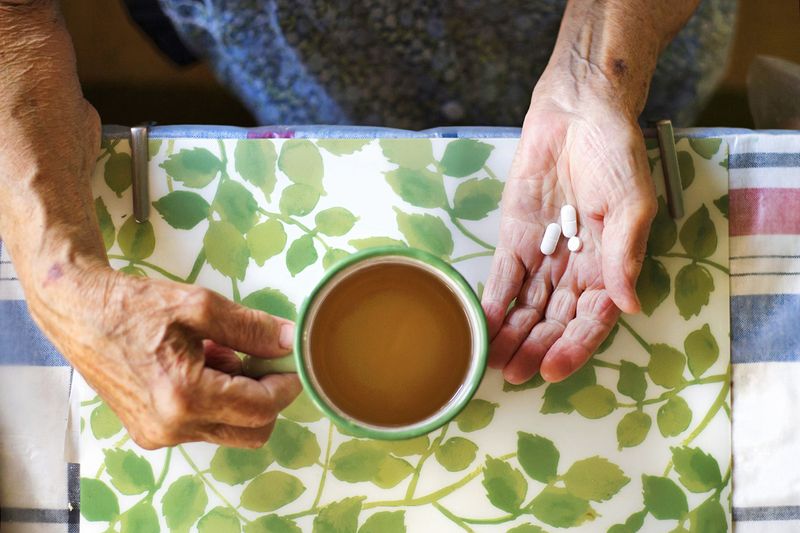
7 Common Meds Seniors Overuse

4 min read
Advertisement

How to Accurately Calculate Your Steps

Sponsored Content
Health | Updated: June 10, 2024
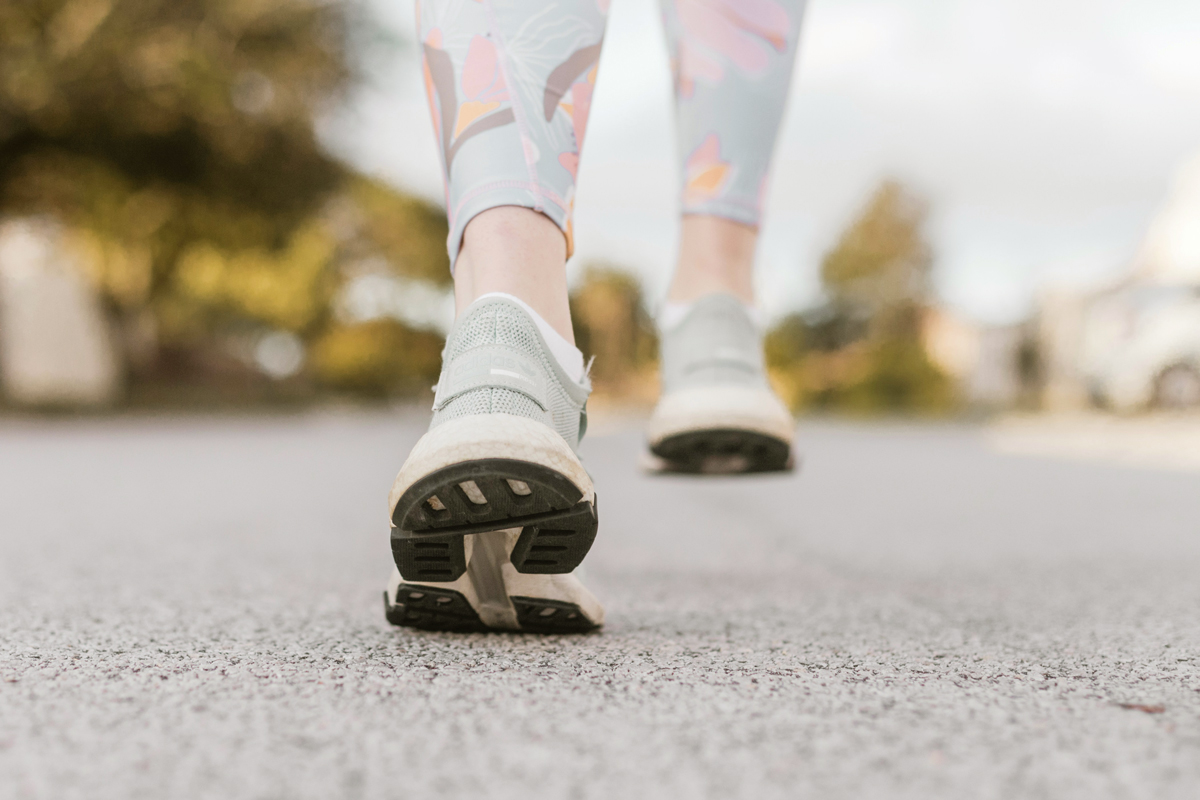
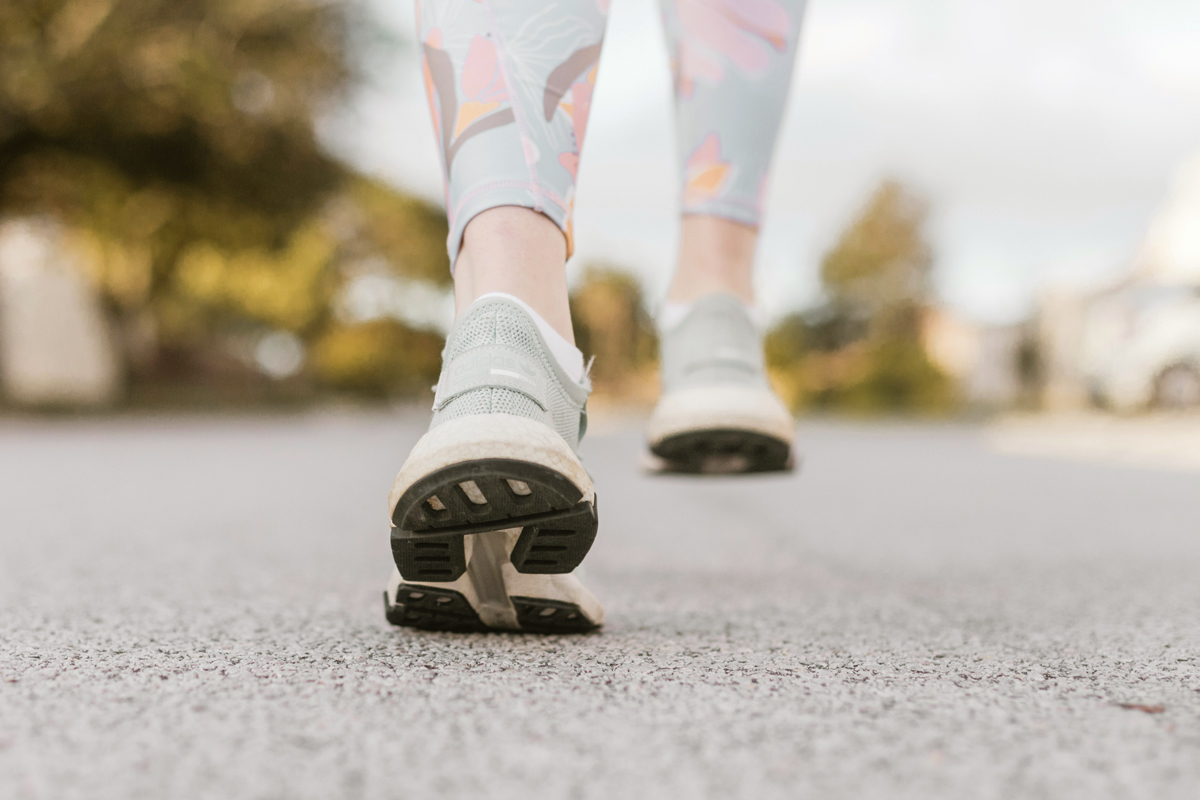
Person walking down road
Better Report

Have you taken enough steps today? It’s hard to know just how much you’re moving without the help of a smartwatch, fitness tracker, or old-school pedometer. But even with one of those strapped to your wrist, hitting a certain milestone might look different for you than your workout partner… especially if you’re taller or shorter than average. That’s because the number of steps it takes to reach just one mile is based on the size of your steps — here’s how you can calculate it to accurately log mile after mile and crush your daily walking goal.

Credit: Sincerely Media/ Unsplash

How Many Miles Should You Walk in a Day?

Most fitness trackers default to 10,000 steps per day, which is roughly five miles, although this suggestion isn’t necessarily backed by science. Turns out the 10,000-step recommendation comes from a 60-year-old marketing gimmick for Manpo-kei, a Japanese pedometer with a name that translates to “10,000 steps meter.” This early step counter has left its footprint on generations of following fitness trackers, which tend to use the same number. However, many researchers believe it isn’t necessary to clock five miles per day, considering some studies show that 7,500 daily steps (about 3.75 miles) is likely sufficient. Still, many doctors and even the CDC say aiming for 10,000 steps is a healthy goal.

Advertisement
Advertisement
Credit: Luke Moore/ Unsplash

Why Step Length Matters

How easy or tedious it feels to reach that five-mile goal has a lot to do with the size of your steps. Fitness gurus typically average 2,000 steps to a mile, though there’s a lot of individual factors at play that can throw off this number — like height, flexibility, and joint range of motion. Height matters the most, since taller people tend to take longer strides, while shorter people have smaller stride lengths. This means it takes fewer steps for taller athletes to reach 1 mile, and more for those on the shorter side. 

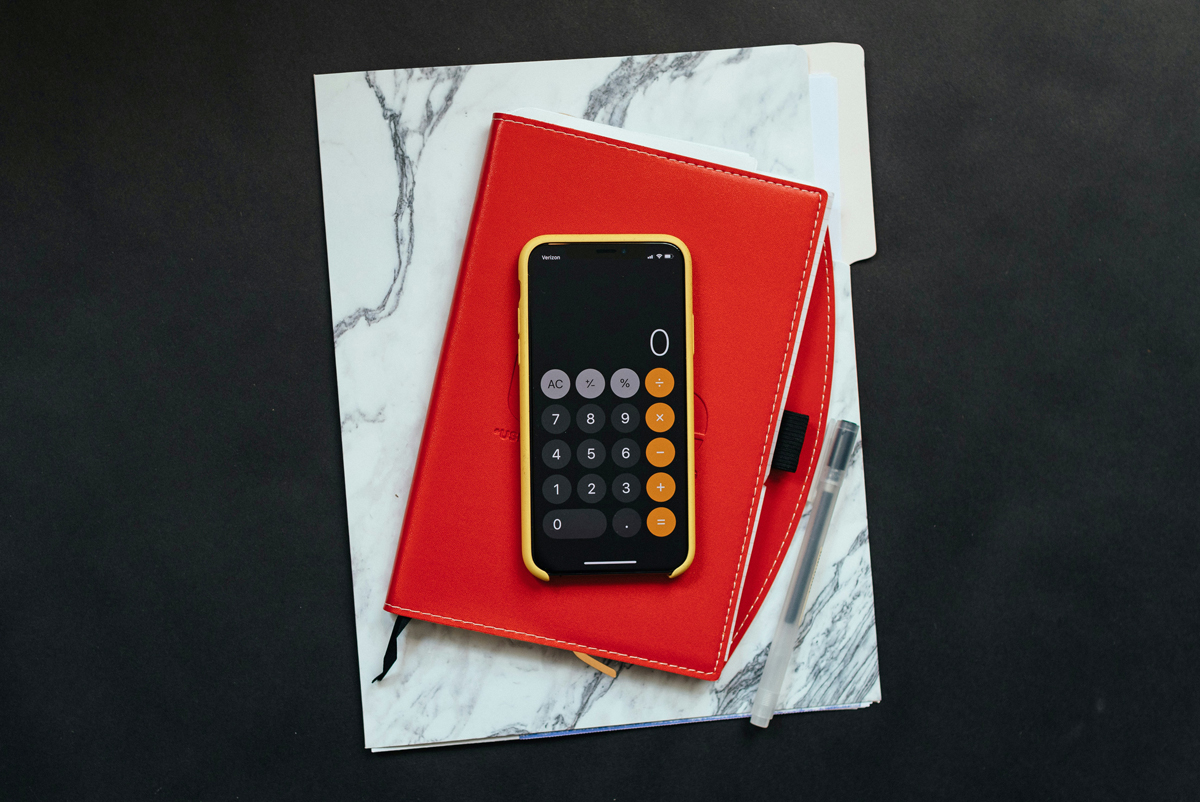
Many smartwatches and fitness trackers can calculate your step length, though you don’t need a smart device to figure it out. Finding your own stride length takes a few minutes and only requires a measuring tape and calculator:

Mark out a distance of 30 feet on a flat, dry surface.

Advertisement

Take a few steps back from the first marker, and begin walking toward it normally.

Begin counting the number of steps you take once you reach the first marker, and stop counting when you hit the second.

To find your step length, you’ll divide the distance (in this case, 30 feet) by the number of steps you took.

Credit: Kelly Sikkema/ Unsplash

The Trick to Calculating Your Steps Per Mile

With your step length in hand, you can now calculate how many steps are needed to reach one mile and beyond. Simply divide the distance of a mile (5,280 feet) by your step length to get the number of steps you’ll need to mark one mile. And if you’re really hoping to reach that five-mile goal, just multiply by five to get your day’s total step needs.

Recommended Articles

  • How GLP-1s Are Changing the Holidays

  • A Warning Sign for Heart Attack and Stroke Could Show Up on Your Face

  • 6 Costly Mistakes You Make When Buying Gas

  • 6 Holiday Scams To Watch Out For

Advertisement
Advertisement

Reader Favorites

  • Person washing part of a coffee machine

    18 Surprising Things You Should Never Put Down Your Drain

  • Woman brushing hair

    9 Surprising Signs You’re Aging

  • White car on the road

    The Best Cars for Resale Value, According to Auto Experts

Credit: Bruno Nascimento/ Unsplash

Counting Your Steps Adds Up

While you don’t need a fitness tracker or smartwatch to log your steps and movements, many doctors recommend them for various health benefits. Using a tracker consistently can help you hone in on better exercise habits; many people overestimate just how much they move in a day, and these tools can give you honest feedback about areas to improve upon. Over time, all that extra movement can add up in big ways, like improving your heart health, keeping conditions like diabetes and high blood pressure in check, and even helping you get more restful sleep at night.

Advertisement

Don’t know where to start? Consider the Fitbit Versa 3, which delivers a daily score to your wrist and tracks all your activity. If you’re willing to shell out a bit more, the Apple Watch earns high marks for its health-related functions, which go beyond standard activity tracker functions to monitor your heart rate automatically, track your sleep, and even alert you if you’re having a serious medical event. It’s serious peace of mind. If you don’t want all the bells and whistles (and the price tag), opt for a Realalt 3dTriSport Pedometer, which does just what the name suggests so you can track your walks, runs, and bike rides effortlessly.

More From Our Network

Better Report is part of Inbox Studio, an email-first media company. *Indicates a third-party property.

Go Retro With This 1960s Fashion Quiz

Quiz Daily

Go Retro With This 1960s Fashion Quiz

True or False: Are You a Master of U.S. Geography?

Travel Quiz

True or False: Are You a Master of U.S. Geography?

5 Reasons You Can Be Denied Boarding an Airplane

Daily Passport

5 Reasons You Can Be Denied Boarding an Airplane

What Did People Do Before Eyeglasses?

History Facts

What Did People Do Before Eyeglasses?

How To Use a Balloon To Clean Up Dust

House Outlook

How To Use a Balloon To Clean Up Dust

11 Shopping Hacks Costco Members Should Know

FinanceBuzz*

11 Shopping Hacks Costco Members Should Know

Share this article

  • Share to Facebook
  • Share to Twitter
  • Copy Url
  • Share to Email
Sponsored Content

This article is for general informational purposes only.
Affiliate Disclaimer Medical Disclaimer Financial Disclaimer

Updated:
Posted In: Health
Hero Image Credit: Better Report
Advertisement

Related Articles

How GLP-1s Are Changing the Holidays

9 min read

A Warning Sign for Heart Attack and Stroke Could Show Up on Your Face

4 min read

The Strange Reason Why Time Feels Like It’s Moving Faster

5 min read

Are the Brown Marks on Your Skin Dangerous?

6 min read

7 Common Meds Seniors Overuse

4 min read
Advertisement
  • Home
  • Health
  • Wealth
  • Logo
  • Advertise
  • About
  • Contact Us
  • Privacy Policy
  • Terms of Use
  • Your Privacy Choices
x
Thumb Image

Elevate your everyday.

Sign up to receive the practical tips and expert advice you need to pare down the complexities of everyday living right in your inbox.

Sorry, your email address is not valid. Please try again.

Your email is:

Edit Image
Sorry, your email address is not valid. Please try again.
Thank you for subscribing...

By subscribing you are agreeing to our Terms of Use and Privacy Policy.

Close image
Thumb Image
Second Thumb Image

Elevate your everyday.

Sign up to receive the practical tips and expert advice you need to pare down the complexities of everyday living right in your inbox.

Sorry, your email address is not valid. Please try again.

By subscribing you are agreeing to our Privacy Policy and Terms of Use.

Close image