Skip to content
Better Report
  • Home
  • Health
  • Wealth
8 Low-Maintenance Plants That Thrive on Neglect
  • Search
  • Subscribe
  • Home
  • Health
  • Wealth
  • About
  • Privacy Policy
  • Terms of Use
  • Contact Us
  • SubscribeSubscribe
  • Search
Thank you for confirming your email! Welcome to the community.

Tag: Scams

How To Spot a Bank Spoof Call

Wealth | Updated: October 7, 2026
Jennifer M. Wood
Author
Jennifer M. Wood has been writing about news, entertainment, culture, and travel for longer than she cares to admit. She lives just outside Philadelphia with her husband and an ever-growing menagerie of rescue pets.
Confused man looking at phone
Featured Image Credit: © ArtMarie—E+/Getty Images

Getting a call or text from your bank isn’t something you typically think twice about. You might even feel relieved to see your bank’s name or phone number pop up, especially if they’re calling to let you know there’s a problem with your account.

But what if it only looks like your bank is contacting you?

Bank spoofing scams are designed to do exactly that. Scammers can manipulate caller ID, phone numbers, text messages, emails, and other details to make an interaction appear to come from a legitimate financial institution. They may claim there’s suspicious activity on your account, a problem with a payment, or an urgent security issue — then ask you to verify information, provide a code, or move your money into another account.

Advertisement
Advertisement

How To Avoid a Bank Spoofing Scam

In 2025, the Federal Trade Commission (FTC) reported that Americans lost $3.5 billion to impostor scams, nearly three times the amount reported in 2020. Impostor scams were also the most commonly reported type of fraud, accounting for roughly one in three fraud reports. A survey from the Bank Policy Institute found that the average number of identified scams per bank increased by a whopping 150% between 2024 and 2025 alone.

Fortunately, you don’t have to be a fraud expert to protect yourself. There are some telltale signs that can help you recognize a bank spoof before you hand over any compromising information or, worse, send your money to a scammer.

Recommended Articles

  • The Most Popular Car Colors in the U.S.

  • 5 Small Changes You Can Make To Decrease Your Risk of Dementia

  • First-Date Etiquette Tips for People Over 40, According to a Matchmaker

  • 6 Holiday Foods You Didn’t Know Were Healthy

Advertisement
Advertisement

Reader Favorites

  • Person breaking into a car

    The 10 Most Stolen Cars in the U.S.

  • Older man with hands on cane

    Why Do We Smell Different As We Age?

  • Man in grocery store

    6 Grocery Habits Costing You More Than You Think

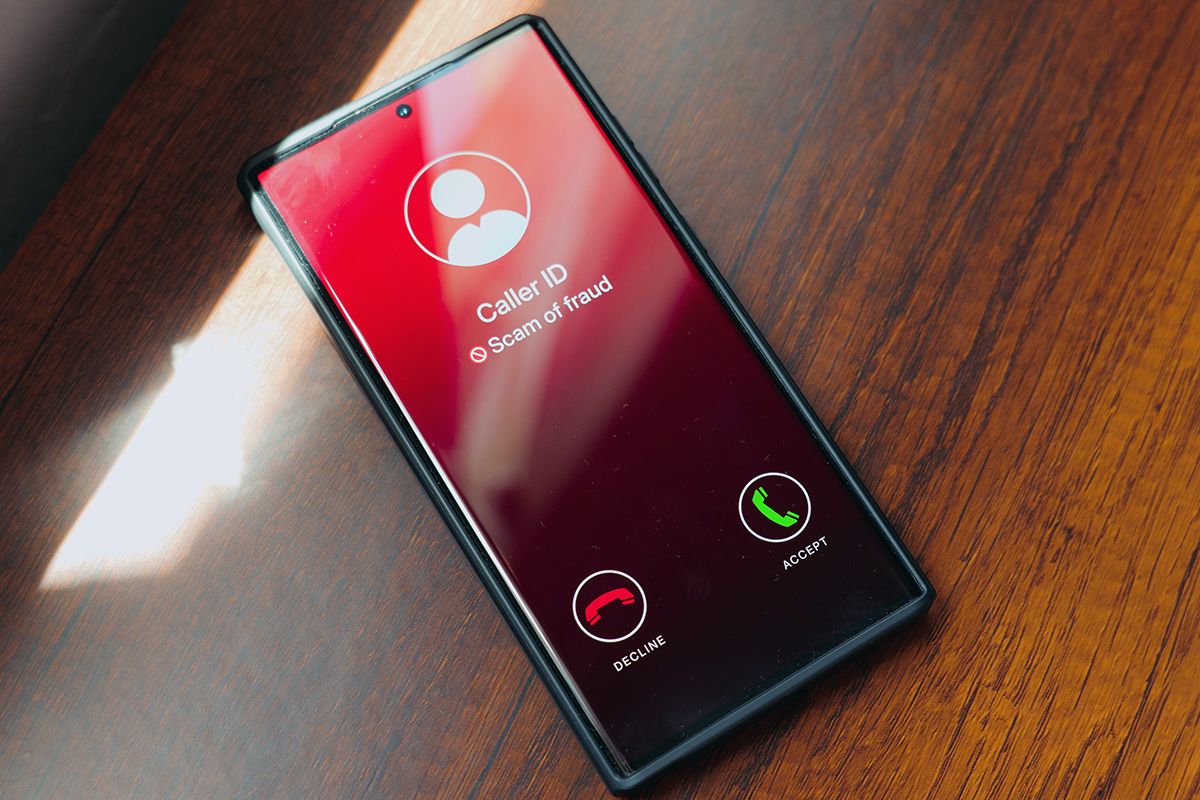
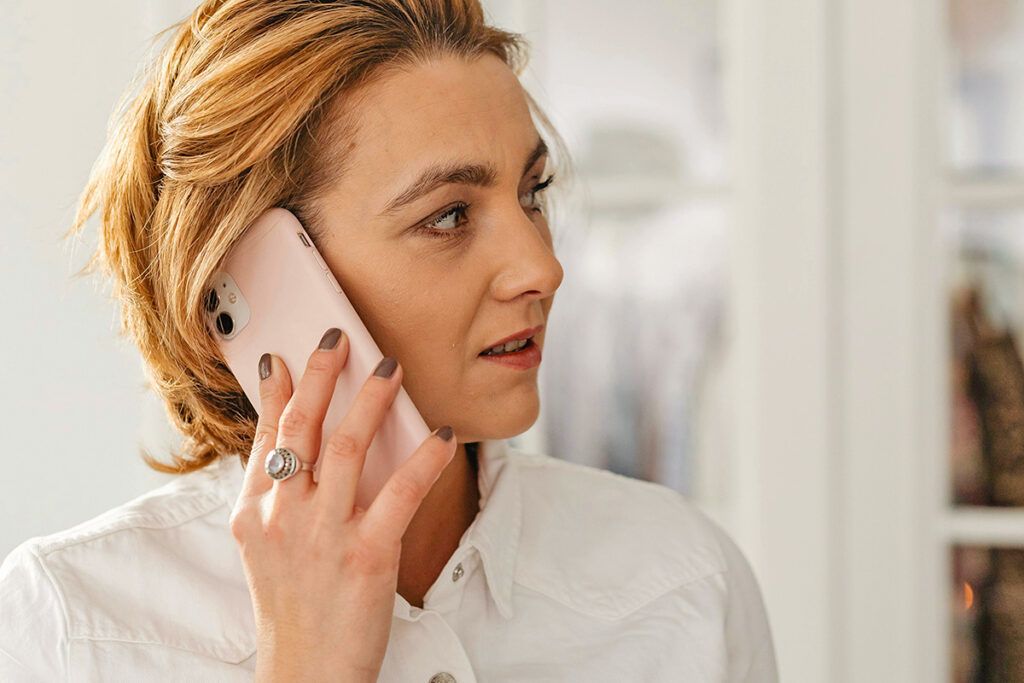
Phone with caller ID reading "scam"
Credit: Elena Uve/stock.adobe.com

Don’t Trust Your Caller ID

One of the most convincing things about a bank spoof can be the phone number itself. If the caller ID shows your bank’s name or number, it can be easy to assume the call is legitimate. Don’t fall for it.

Advertisement

Scammers can easily spoof phone numbers and caller ID information, making it appear as if a call is coming from a legitimate business. The same goes for texts and emails that use a bank’s name or logo (more on that in a bit). So, if you’re concerned that there really is a problem with your account, hang up and contact your bank using the phone number on the back of your debit or credit card, on its official website, or via its mobile app. (Do not just hit “call” on the number that called you, even if it appears to be the same number that’s listed on one of the aforementioned official sources.)

Advertisement
Advertisement
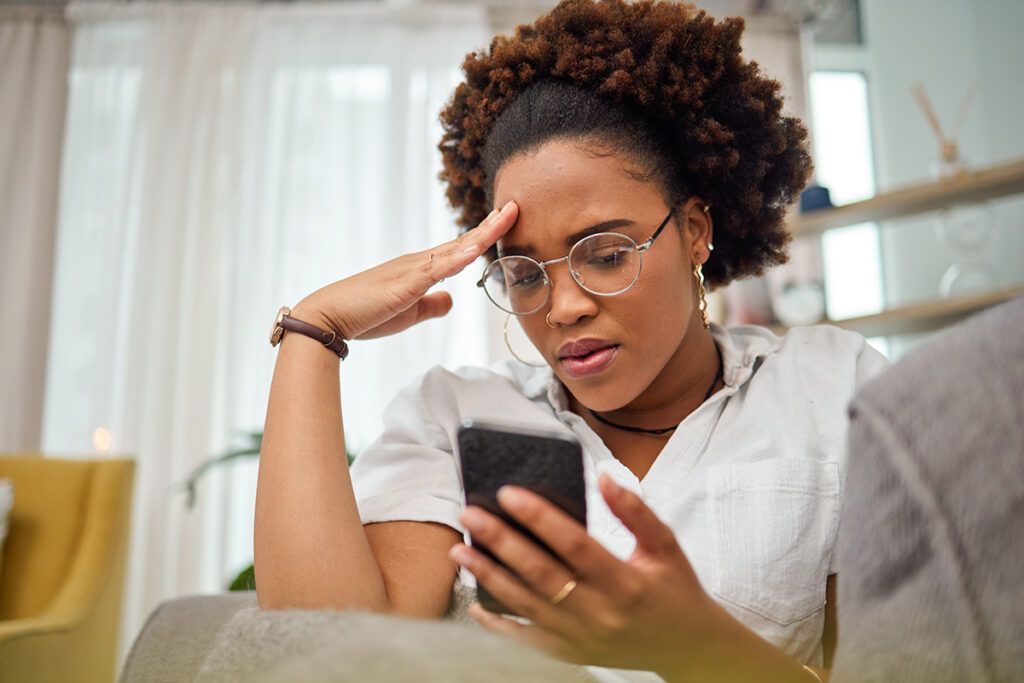
Concerned man on phone holding credit card
Credit: © DimaBerlin/stock.adobe.com

Urgency Is a Red Flag

One of the ways bank spoofing scammers are successful is by creating a sense of panic that makes the target feel they have to act immediately:Your account has been compromised. Someone is trying to make a purchase. Your money is about to be transferred. You need to verify your identity right now.

That urgency is part of the scam. The less time you have to stop and think, the less likely you are to notice something suspicious.

Advertisement
Advertisement

A legitimate fraud department may contact you about suspicious activity, but an unexpected request for immediate action should still be treated cautiously. Instead of responding to the incoming call or message, contact the bank yourself through an official channel.

Some scammers are also upping the scare factor by pretending to be the FBI. “[The potential victims] are already frazzled, and when they are making these decisions, the criminal then starts to rush them more,” Robert Richardson, a special agent with the FBI Chicago Field Office, told ABC7. “The more they are rushed, the more decision-making they make last-minute.”
Advertisement
Advertisement
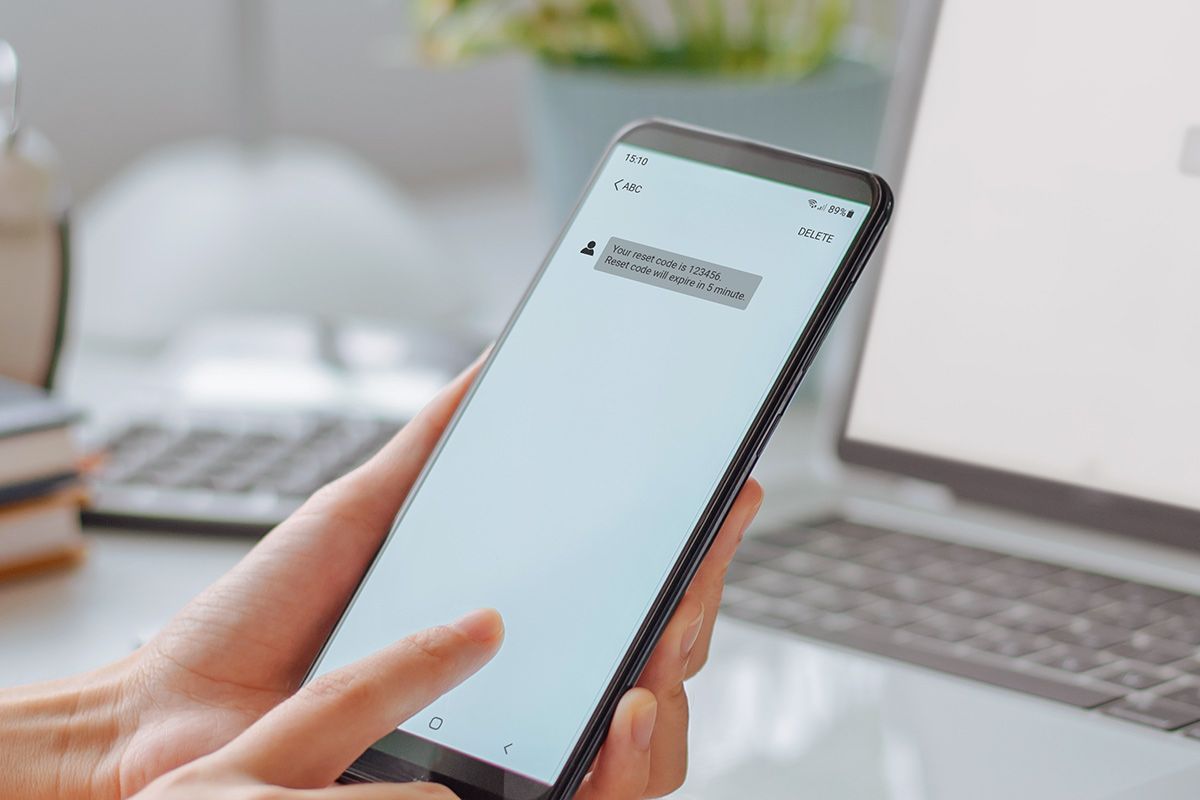
Message on phone with security code
Credit: © Kt Stock/stock.adobe.com

Keep Your Security Code to Yourself

If someone claiming to be from your bank asks you to read back a one-time verification code that was just sent to your phone, that’s a major red flag. 

Advertisement
Advertisement

Those codes are designed to help verify that you are the person accessing an account. A scammer who already has your username, password, or other banking information may be trying to get the final piece they need to log in. Don’t share a one-time passcode with someone who contacted you unexpectedly, even if the caller seems to know personal information about you or appears to be calling from your bank.

It’s also a good idea to avoid answering any questions, even if the answers are only “yes” or “no.” Not only does this tell the scammer that your phone is active — therefore confirming that you’re a potential target for future scams — but they may be recording your voice in order to authorize purchases on your credit cards or so they can feed it into AI voice cloning technology to use in other crimes.
Advertisement
Advertisement
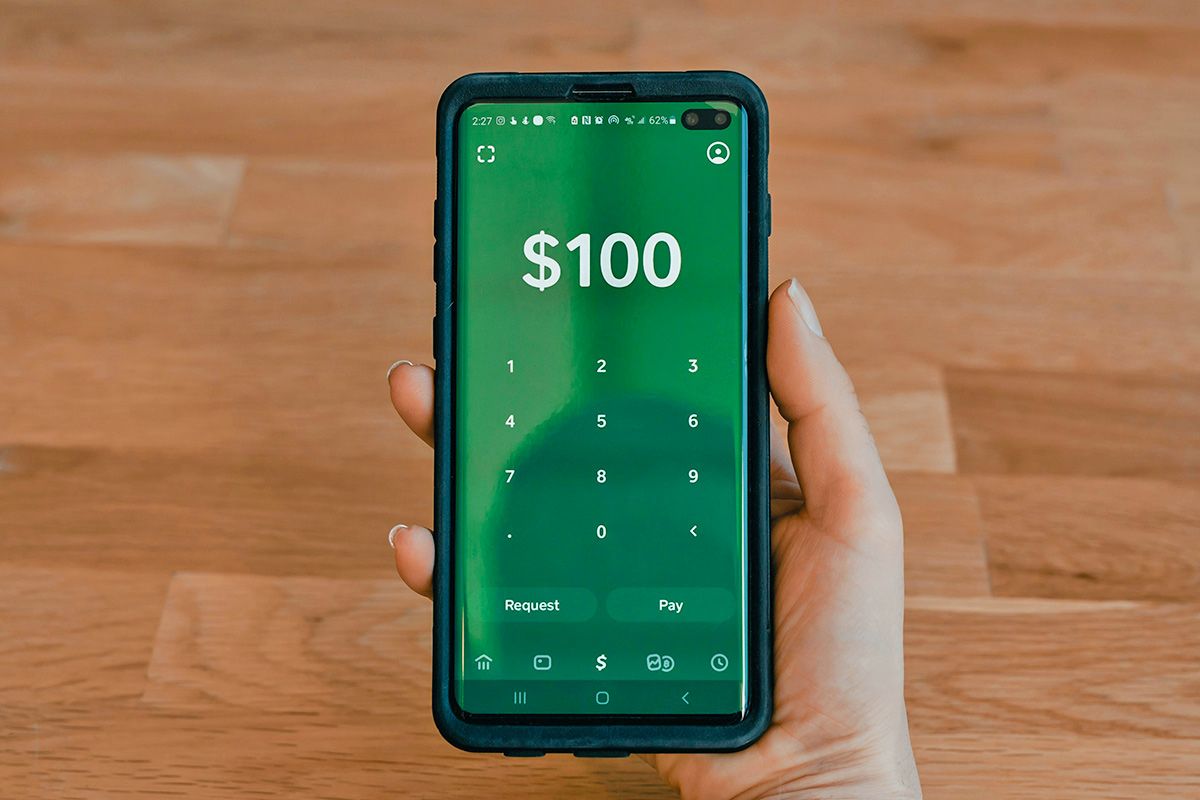
Money app with $100 on screen
Credit: © Tech Daily/Unsplash.com

Be Suspicious of Requests To Move Money

Perhaps the biggest red flag is being told to move your money to a different account in an effort to “protect” it, whether it’s another bank account or transferring money through a popular service like Venmo or Zelle.

Advertisement
Advertisement

A scammer may claim that your account has been compromised and that the only way to keep your money safe is to transfer it somewhere else. They may even provide instructions for how to do it. That’s not protecting your money — that’s you sending it directly to the scammer.

Advertisement

Never transfer money to another account because someone tells you to do so. If you’re worried about your account, end the conversation and contact your bank directly.

Advertisement
Advertisement
Woman looking at laptop with suspicion
Credit: © Antonioguillem/stock.adobe.com

Don’t Click First and Ask Questions Later

Bank spoofing isn’t limited to phone calls. You may receive a text or email warning that your account has been locked, a payment was declined, or suspicious activity has been detected.

The message may contain a link that takes you to a website designed to look like your bank’s real site. If you enter your username, password, or other secure information, you’ve potentially handed it directly to the scammer. Instead of clicking the link, log on to your bank’s official website or app to see if you’ve been alerted to the same issue.

Advertisement
Advertisement
Confused man looking at phone
Credit: © ArtMarie—E+/Getty Images

What To Do If You Think You’ve Been Scammed

If you realize you’ve given information — or sent money — to a potential scammer, don’t panic. Acting quickly can help limit the damage.

Contact your bank immediately. Again, use the phone number on the back of your debit or credit card, or the one listed on their official website or app. Tell the bank exactly what happened and ask what steps you should take to secure your account. If you gave the scammer your account credentials or a one-time verification code, let them know.

Advertisement
Advertisement

Change your passwords. If you gave away a username or password, change it immediately. If you used the same password anywhere else, change it there, too — as well as any other passwords you may have had saved to your computer. Start with your email account, since access to your email can potentially give a scammer a way into other accounts.Watch your accounts closely. Look for unauthorized transactions, new accounts, or other activity you don’t recognize or didn’t authorize. Keep checking your bank and credit card accounts even after you’ve contacted the bank.

If you sent money, report it right away. Depending on how you paid, your bank or payment provider may be able to stop or reverse the transaction, but there’s no guarantee it will. (As the Government Accountability Office notes, “payment scams often occur through payments that were authorized by victims themselves — meaning the victims were deceived into making the payments to the scammer. In these cases, financial institutions are not generally required to reimburse victims.”) Even if the money has already been deducted from your account, don’t assume it’s too late — the sooner you report it, the better.

Advertisement

Report the scam. You can report fraud to the Federal Trade Commission at ReportFraud.ftc.gov. If you gave a scammer personal information that could be used for identity theft, you can also visit IdentityTheft.gov for guidance on what to do next.

Being fooled by a convincing scam is nothing to be embarrassed about. These schemes are specifically designed to look legitimate and create a sense of urgency. The important thing is to act quickly once you realize something is wrong.

Featured Image Credit: © ArtMarie—E+/Getty Images

Advertisement
Advertisement

More From Our Network

Better Report is part of Inbox Studio, an email-first media company. *Indicates a third-party property.

Go Retro With This 1960s Fashion Quiz

Quiz Daily

Go Retro With This 1960s Fashion Quiz

True or False: Are You a Master of U.S. Geography?

Travel Quiz

True or False: Are You a Master of U.S. Geography?

5 Reasons You Can Be Denied Boarding an Airplane

Daily Passport

5 Reasons You Can Be Denied Boarding an Airplane

What Did People Do Before Eyeglasses?

History Facts

What Did People Do Before Eyeglasses?

How To Use a Balloon To Clean Up Dust

House Outlook

How To Use a Balloon To Clean Up Dust

11 Shopping Hacks Costco Members Should Know

FinanceBuzz*

11 Shopping Hacks Costco Members Should Know

Share this article

  • Share to Facebook
  • Share to Twitter
  • Copy Url
  • Share to Email
Jennifer M. Wood
Writer

Jennifer M. Wood has been writing about news, entertainment, culture, and travel for longer than she cares to admit. She lives just outside Philadelphia with her husband and an ever-growing menagerie of rescue pets.

This article is for general informational purposes only.
Affiliate Disclaimer Medical Disclaimer Financial Disclaimer

Updated: May 8, 2026
Posted In: Wealth
Hero Image Credit: Featured Image Credit: © ArtMarie—E+/Getty Images
Advertisement

Related Articles

How Far a $100 Grocery Budget Goes in Every State

7 min read

Why You Should Never Put Your Utility Bills on Autopay

5 min read

The Best Cars for Resale Value, According to Auto Experts

5 min read

5 Common Estate Planning Mistakes (and How To Avoid Them)

6 min read

Is It OK To Snack Before Paying at the Grocery Store?

4 min read
Advertisement

Don’t Fall for the Grandparent Scam

Jessica Levy
Wealth | Updated: August 24, 2026
Older woman looking at cell phone
Better Report

For many people, grandparents are the ones you can always count on to have your back. Unfortunately, scammers know that, too — and they’re increasingly exploiting that trust.

The Federal Communications Commission (FCC) is warning consumers about the increasingly sophisticated “Grandparent Scam,” a type of impersonation scheme in which criminals pose as a grandchild — or other close family member — in urgent need of help. Their goal: to panic older adults into sending money before they have a chance to verify the story.

Older man on cell phone
Credit: © SHVETS production/Pexels.com

How the Grandparent Scam Works

These emotionally manipulative schemes often begin with a frantic phone call from a “grandchild” claiming they’ve been in a car accident, been arrested, or are facing a similar emergency. The caller begs for financial help and often insists the grandparent keep the situation a secret, claiming they don’t want their parents to find out. A second caller — often posing as a lawyer, police officer, or court official — may then get on the line to reinforce the story and demand immediate payment. The goal of the fraudsters is to create enough panic that the grandparent in question will act before fully verifying the story.

Advertisement
Advertisement

More sophisticated fraudsters may spoof caller ID so the call appears to come from a trusted number or use AI-powered voice cloning to mimic a loved one’s voice. 

While that may sound like something out of a movie, these schemes have had devastating real-world consequences.

Advertisement
$100 bills
Credit: © engin akyurt/Unsplash.com

Financial and Fatal Consequences

In July 2026, four people pleaded guilty for their roles in a nationwide grandparent scam that stole approximately $5 million from more than 400 older Americans. Authorities say the group (which included two additional defendants) targeted seniors across the country, convincing many to hand over large sums of cash to couriers posing as legitimate messengers.

Recommended Articles

  • The Most Popular Car Colors in the U.S.

  • 5 Small Changes You Can Make To Decrease Your Risk of Dementia

  • First-Date Etiquette Tips for People Over 40, According to a Matchmaker

  • 6 Holiday Foods You Didn’t Know Were Healthy

Advertisement
Advertisement

Reader Favorites

  • Person breaking into a car

    The 10 Most Stolen Cars in the U.S.

  • Older man with hands on cane

    Why Do We Smell Different As We Age?

  • Man in grocery store

    6 Grocery Habits Costing You More Than You Think

The scams have also had fatal consequences. In one widely reported case in Ohio, William J. Brock, an 81-year-old grandfather, shot and killed Lo-Letha Hall, a 61-year-old Uber driver, who had been sent by the scammers to collect a package. Brock, who had figured out he was being scammed, believed Hall was in on the scheme. Investigators later determined Hall had no connection to the fraud and was herself an innocent victim. 

In January, Brock was convicted of murder, felonious assault, and kidnapping. The following month, he was sentenced to 21 years to life in prison.

Advertisement
Advertisement

How To Protect Yourself

While the details of the grandparent scam may change, the goal is always the same: to pressure you into sending money before you’ve had time to think things through. Fortunately, there are several steps you can take to avoid becoming a victim.

Hands on cell phone
Credit: © SHVETS production/Pexels.com

Slow Down

Scammers rely on panic and urgency to cloud your judgment. If someone insists you need to send money immediately, pause for a moment before taking any action.

Try to verify the story independently. Hang up and call your grandchild or another trusted family member using a phone number you already have — not one provided by the caller. If you’re unable to reach them, contact another relative who may know where they are.

Advertisement

Be skeptical of requests for secrecy. A common tactic is asking grandparents not to tell anyone because the situation is “embarrassing.” That should be a major red flag, as legitimate emergencies don’t require you to keep them a secret from your family.

Advertisement
Advertisement
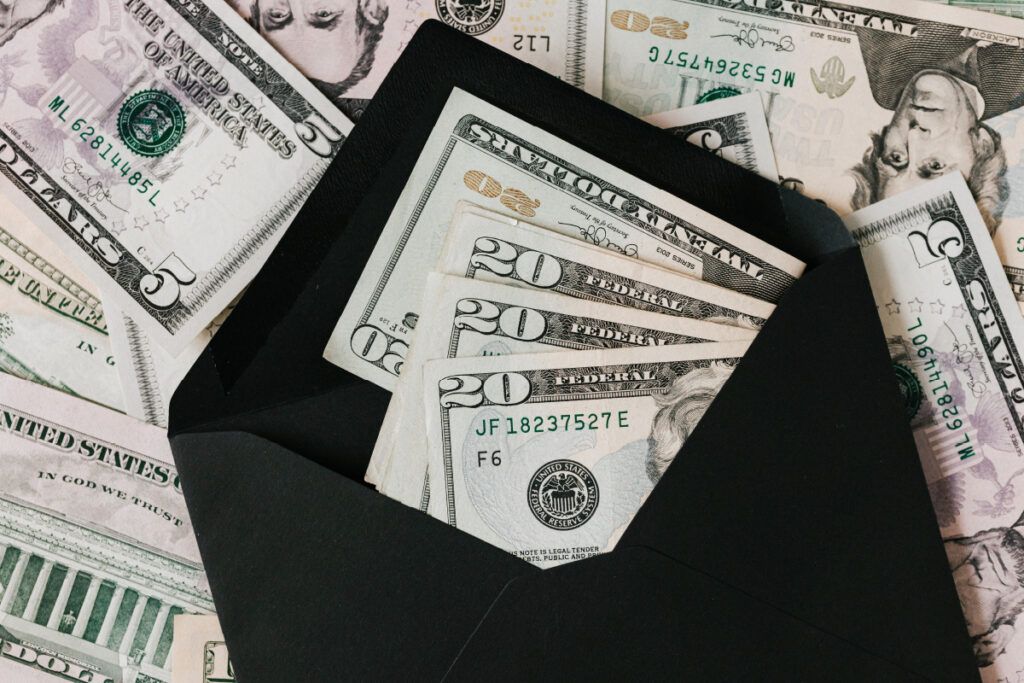
Money in a black envelope
Credit: © kaboompics/Pexels.com

Question Unusual Payment Requests

Be especially wary if you’re asked to send cash, purchase gift cards, transfer cryptocurrency, wire money, send via a payment app, or hand money to a courier. Scammers favor these payment methods because they’re difficult, if not impossible, to trace or recover once the money is sent. According to the FCC, “If you get a call like this, hang up and report it immediately to local law enforcement.” 

Advertisement
Advertisement
Worried older man holding cell phone
Credit: © Getty Images/Unsplash.com

Ask a Personal Question

If you believe you’re speaking with a family member, ask something that only they would know. Even if the voice sounds familiar, don’t assume it’s really them.

Advertisement
Advertisement
Credit: © Fellipe Ditadi/Unsplash.com

Have a Family Code Word

Because scammers often gather personal details from social media, they may already know information like your maiden name, the names of your grandchildren, or even your pets. That’s why consumer advocates recommend creating a private family code word that isn’t posted online.

“With my family members, we have a code phrase,” Kenyetta Bagby, manager of the Ohio Office of Consumer Affairs, told NPR. “And that phrase should not be anything that you have listed on your Facebook page or any interaction that you have listed with your family or friends on Facebook or social media.”

Advertisement
Advertisement
Senior hands holding child hands
Credit: © Getty Images/Unsplash.com

Consult With Someone You Trust

Before sending money, discuss the situation with another family member or trusted friend. A second opinion could help you spot warning signs you might miss in the heat of the moment.

Advertisement
Advertisement
Senior woman looking at phone
Credit: © Halfpoint Images—Moment/Getty Images

What To Do If You Think You’ve Been Scammed

If you believe you’ve been targeted by a grandparent scam or another impersonation fraud, stop communicating with the caller immediately and contact the National Elder Fraud Hotline at (833) 372-8311 from Monday through Friday or submit a complaint through the FBI’s Internet Crime Complaint Center Elder Fraud Complaint Center.

Remember: A real emergency will still be an emergency even after you’ve taken a few minutes to verify what’s happening. A scammer, on the other hand, wants you to act before you have the chance to do just that. Don’t play into their hands.

Advertisement
Advertisement

Featured Image Credit: © MART PRODUCTION/Pexels.com

More From Our Network

Better Report is part of Inbox Studio, an email-first media company. *Indicates a third-party property.

Go Retro With This 1960s Fashion Quiz

Quiz Daily

Go Retro With This 1960s Fashion Quiz

True or False: Are You a Master of U.S. Geography?

Travel Quiz

True or False: Are You a Master of U.S. Geography?

5 Reasons You Can Be Denied Boarding an Airplane

Daily Passport

5 Reasons You Can Be Denied Boarding an Airplane

What Did People Do Before Eyeglasses?

History Facts

What Did People Do Before Eyeglasses?

How To Use a Balloon To Clean Up Dust

House Outlook

How To Use a Balloon To Clean Up Dust

11 Shopping Hacks Costco Members Should Know

FinanceBuzz*

11 Shopping Hacks Costco Members Should Know

Share this article

  • Share to Facebook
  • Share to Twitter
  • Copy Url
  • Share to Email
Jessica Levy

This article is for general informational purposes only.
Affiliate Disclaimer Medical Disclaimer Financial Disclaimer

Updated:
Posted In: Wealth
Hero Image Credit: Better Report
Advertisement

Related Articles

How Far a $100 Grocery Budget Goes in Every State

7 min read

Why You Should Never Put Your Utility Bills on Autopay

5 min read

The Best Cars for Resale Value, According to Auto Experts

5 min read

5 Common Estate Planning Mistakes (and How To Avoid Them)

6 min read

Is It OK To Snack Before Paying at the Grocery Store?

4 min read
Advertisement

The Scary Scam That Could Leave You Without a Home

Wealth | Updated: June 23, 2026
Jennifer M. Wood
Author
Jennifer M. Wood has been writing about news, entertainment, culture, and travel for longer than she cares to admit. She lives just outside Philadelphia with her husband and an ever-growing menagerie of rescue pets.
Exterior of a white house
Better Report

Your home is one of the biggest purchases you’ll ever make, so it’s essential to protect it however you can. But a sneaky scam has left an increasing number of homeowners vulnerable to fraudsters.

The scam goes by several names: Deed theft, deed fraud, title fraud, and home title theft are just a few of them. Some experts even refer to it as “house stealing,” and it’s a growing problem.

Advertisement
Advertisement

According to the FBI, between 2019 and 2023 alone, 58,141 victims reported losing a combined $1.3 billion to real estate fraud, though the bureau says the true number is likely far higher because many victims either don’t know where to report it, feel embarrassed, or don’t realize they’ve been scammed until much later.

In New York state, CBS News New York reported a 240% increase in complaints about home title thefts between 2023 and 2025 — enough to prompt Attorney General Letitia James to co-author a new law in 2024 that allowed her office to more thoroughly prosecute the crime.

“With the technology advancing and new ways of creating documents like birth certificates, Social Security numbers, any type of ID that you can make on the internet, it’s becoming much more prevalent and people are hearing that they have a voice about it now,” Queens District Attorney Melinda Katz said.

Advertisement
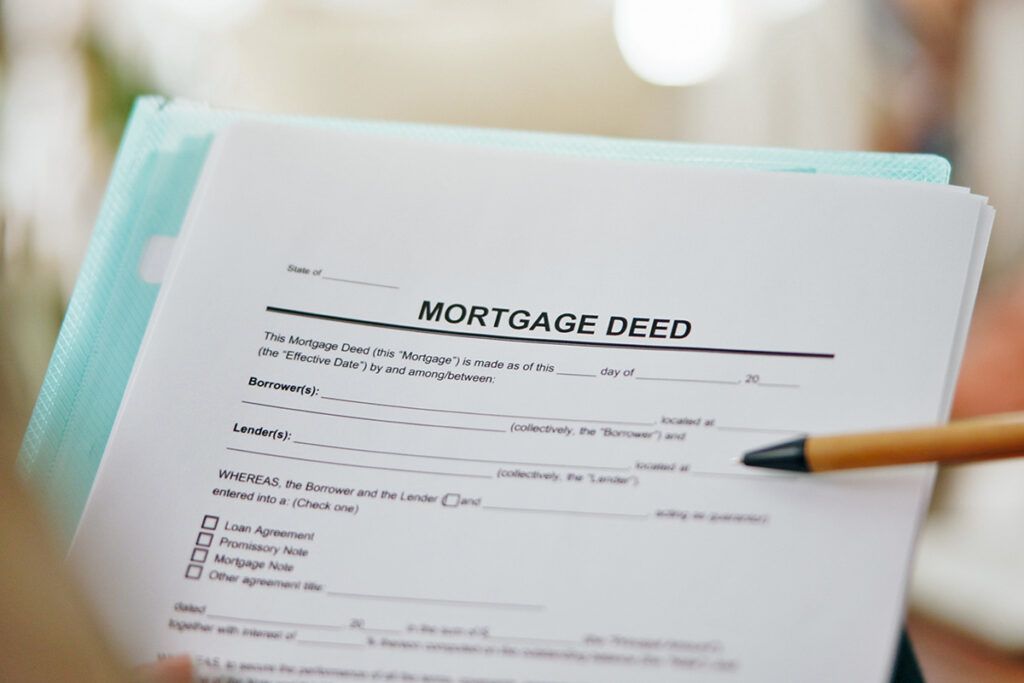
Mortgage deed
Credit: © peopleimages/stock.adobe.com

What Is Deed Theft?

Deed theft happens when a scammer illegally transfers ownership of a property into their own name by forging documents, stealing a homeowner’s identity, or impersonating the owner in fraudulent real estate filings. In many cases, the criminal files fake paperwork, such as a forged deed, with a county recorder’s office, making it appear as though the property was legally transferred.

Recommended Articles

  • The Most Popular Car Colors in the U.S.

  • 5 Small Changes You Can Make To Decrease Your Risk of Dementia

  • First-Date Etiquette Tips for People Over 40, According to a Matchmaker

  • 6 Holiday Foods You Didn’t Know Were Healthy

Advertisement
Advertisement

Reader Favorites

  • Person breaking into a car

    The 10 Most Stolen Cars in the U.S.

  • Older man with hands on cane

    Why Do We Smell Different As We Age?

  • Man in grocery store

    6 Grocery Habits Costing You More Than You Think

Once the fraudulent deed is recorded, the scammer can attempt to sell the property, take out loans against it, or even rent it out — all without the true homeowner realizing what has happened.

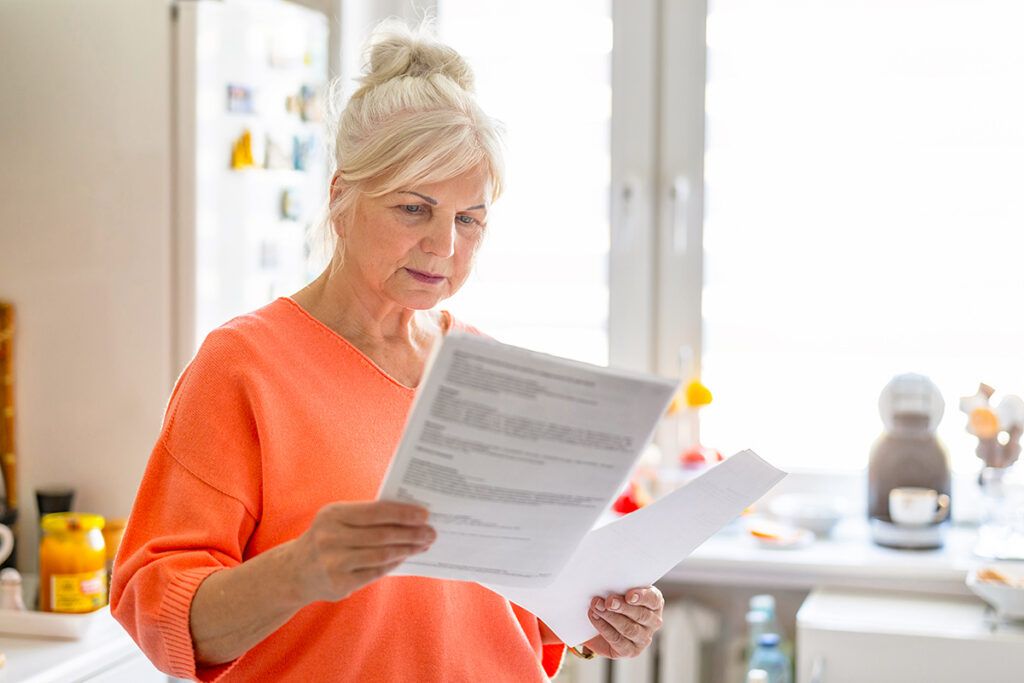
Older woman looking at paperwork
Credit: © Getty Images/unsplash.com

Who Is at Risk for Deed Theft?

In some cases, fraudsters target vacant homes or lots, rental properties, or vacation homes, since those properties may be monitored less frequently. Houses owned by the elderly may also be attractive to scammers, since those homeowners have likely paid off a lot of their mortgage, “which could equal more equity for a criminal to fraudulently borrow against,” according to the insurance company AllState. But experts warn that anyone can become a victim.

Advertisement
Advertisement

One reason deed theft can be so devastating is that it often isn’t discovered until major damage has already been done. Some homeowners learn about the scam only after receiving foreclosure notices, missing mortgage statements, receiving unfamiliar tax bills, or discovering that someone else has claimed ownership of their home.

Unlike dealing with credit card fraud, reversing deed theft can be a lengthy and expensive legal process that may require hiring attorneys and going to court to prove ownership.

Older woman looking at papers
Credit: © pikselstock/stock.adobe.com

How To Avoid Falling Victim to Deed Theft

While there’s no foolproof way to prevent deed theft, experts say there are several steps homeowners can take to reduce their risk:

Advertisement

• Regularly check your property records through your local county clerk or recorder’s office to make sure no unauthorized changes have been made.
• Sign up for property or title alerts if your county offers them. These notifications can warn you when documents are filed using your name or property address.
• Monitor your credit reports for suspicious activity, especially unexpected loans or lines of credit.
• Be wary of unsolicited offers related to your home, including requests to sign unfamiliar paperwork or pressure to refinance quickly.
• Protect sensitive personal information, since scammers often rely on stolen identities and forged signatures to commit deed fraud.
• If you own a vacant property, vacation home, or rental property, check in on it regularly and make sure mail isn’t piling up.
• Set up a Google Alert with your property address so if any activity involving your property occurs, like a real estate listing going live, you’ll see it.

Advertisement
Advertisement

Homeowners who suspect fraud should immediately contact local law enforcement, their county recorder’s office, and a real estate attorney. Among the things you’ll need are proof of your identity and original documents showing you’re the rightful owner; copies of fraudulent documents and unauthorized loan and filings; and logs of any communications you may have had with the thief.  

While a stolen credit card can usually be canceled with a single phone call, a stolen home is much more complicated. That’s why experts say keeping a close eye on your property records could help prevent a nightmare scenario before it starts.

Featured Image Credit: © Clay Banks/unsplash.com

More From Our Network

Better Report is part of Inbox Studio, an email-first media company. *Indicates a third-party property.

Go Retro With This 1960s Fashion Quiz

Quiz Daily

Go Retro With This 1960s Fashion Quiz

True or False: Are You a Master of U.S. Geography?

Travel Quiz

True or False: Are You a Master of U.S. Geography?

5 Reasons You Can Be Denied Boarding an Airplane

Daily Passport

5 Reasons You Can Be Denied Boarding an Airplane

What Did People Do Before Eyeglasses?

History Facts

What Did People Do Before Eyeglasses?

How To Use a Balloon To Clean Up Dust

House Outlook

How To Use a Balloon To Clean Up Dust

11 Shopping Hacks Costco Members Should Know

FinanceBuzz*

11 Shopping Hacks Costco Members Should Know

Share this article

  • Share to Facebook
  • Share to Twitter
  • Copy Url
  • Share to Email
Jennifer M. Wood
Writer

Jennifer M. Wood has been writing about news, entertainment, culture, and travel for longer than she cares to admit. She lives just outside Philadelphia with her husband and an ever-growing menagerie of rescue pets.

This article is for general informational purposes only.
Affiliate Disclaimer Medical Disclaimer Financial Disclaimer

Updated: May 8, 2026
Posted In: Wealth
Hero Image Credit: Better Report
Advertisement

Related Articles

How Far a $100 Grocery Budget Goes in Every State

7 min read

Why You Should Never Put Your Utility Bills on Autopay

5 min read

The Best Cars for Resale Value, According to Auto Experts

5 min read

5 Common Estate Planning Mistakes (and How To Avoid Them)

6 min read

Is It OK To Snack Before Paying at the Grocery Store?

4 min read
Advertisement

Beware of This Social Security Scam

Jessica Levy
Wealth | Updated: May 19, 2026
Woman upset on phone
Better Report

Answering the phone used to feel like a welcome interruption. Now, it can be a risky prospect.

The Social Security Administration (SSA) is warning about a sharp spike in impersonation scams targeting retirees and other beneficiaries, with fraudsters posing as government employees to obtain sensitive information or money. These schemes are increasingly common: Government impersonation scams are now among the most reported types of fraud in the U.S., and complaints surged sharply in 2025, with the Federal Trade Commission logging more than 330,000 incidents — a 25% increase from the previous year.

Advertisement
Advertisement

The scammers’ tactics are simple but effective: They create panic, apply pressure on victims to act immediately, and insist on secrecy, all to keep people from verifying their claims.

“Scammers who impersonate the Social Security Administration prey on fear and a false sense of urgency to steal from hardworking Americans, causing real financial harm to individuals and families,” Michelle L. Anderson, assistant inspector general for audit, said in a recent statement.

Here’s how the scam works — and how to protect yourself from falling for it.

Advertisement
Woman on phone
Credit: © kaboompics/Pexels.com

How Social Security Impostor Scams Work

A typical impostor scam usually begins with an unexpected phone call, text, or email from a person claiming to represent the SSA. The message is designed to sound urgent and alarming, often warning you that your Social Security number (SSN) will be suspended or your benefits are at risk. In many cases, the perpetrators even spoof official-looking phone numbers or use the name of a real employee (sometimes even going so far as to create a fake badge or credentials to attach to emails) to make the contact appear more legitimate.

Recommended Articles

  • The Most Popular Car Colors in the U.S.

  • 5 Small Changes You Can Make To Decrease Your Risk of Dementia

  • First-Date Etiquette Tips for People Over 40, According to a Matchmaker

  • 6 Holiday Foods You Didn’t Know Were Healthy

Advertisement
Advertisement

Reader Favorites

  • Person breaking into a car

    The 10 Most Stolen Cars in the U.S.

  • Older man with hands on cane

    Why Do We Smell Different As We Age?

  • Man in grocery store

    6 Grocery Habits Costing You More Than You Think

Once the fraudster has gained your attention, they immediately escalate the pressure. They insist that you must act immediately to avoid serious consequences, which can range from loss of benefits to potential legal action or arrest. The goal is to create a sense of panic and discourage verification of the information being provided.

At this point, scammers typically request sensitive personal information, such as your SSN or banking details. They may also push for immediate payment through untraceable methods like gift cards, payment apps, or cryptocurrency. 

Advertisement
Advertisement

This is where the red flags should be impossible to ignore, as no government agency operates this way. But the speed and intimidation of the interaction are often enough to catch people off guard.

Woman looking down at phone upset
Credit: © Daniels C/stock.adobe.com

How To Avoid Falling for Social Security Impostor Scams

The best way to avoid impersonation scams is to remain clear-headed and not let panic take over. If you receive a call, text, email, social media message, or even a written letter claiming to be from the SSA, don’t respond with personal information — no matter how official it seems. 

Advertisement
Advertisement

The safest move is to independently verify the claim. Hang up and contact the SSA directly using the official phone number listed on SSA.gov — not a number provided in the message you received. Never use links in unsolicited emails or texts, since those often lead to fake websites designed to steal your information. Don’t download any attachments, either. Most importantly, remember that the SSA will never ask for sensitive details like your SSN, bank account information, or onetime verification codes over an unsolicited call or message.

It also helps to be cautious about the information you share publicly. Scammers often gather personal details from social media profiles to make their stories more convincing. Limiting what you post, like your full birth date or address, can reduce your exposure. If something feels off, trust your gut: Taking a moment to pause and verify is often what can save you from becoming a victim.

Advertisement
Person typing on computer
Credit © AI25.Studio/Pexels.com

How To Report a Suspected Social Security Impostor Scams

If you believe you’ve been the victim of an SSA scam, report it online using the SSA Scam Reporting Form or contact the SSA’s Office of the Inspector General hotline at 1-800-269-0271.

Advertisement
Advertisement

Featured Image Credit: © Kampus Production/Pexels.com

More From Our Network

Better Report is part of Inbox Studio, an email-first media company. *Indicates a third-party property.

Go Retro With This 1960s Fashion Quiz

Quiz Daily

Go Retro With This 1960s Fashion Quiz

True or False: Are You a Master of U.S. Geography?

Travel Quiz

True or False: Are You a Master of U.S. Geography?

5 Reasons You Can Be Denied Boarding an Airplane

Daily Passport

5 Reasons You Can Be Denied Boarding an Airplane

What Did People Do Before Eyeglasses?

History Facts

What Did People Do Before Eyeglasses?

How To Use a Balloon To Clean Up Dust

House Outlook

How To Use a Balloon To Clean Up Dust

11 Shopping Hacks Costco Members Should Know

FinanceBuzz*

11 Shopping Hacks Costco Members Should Know

Share this article

  • Share to Facebook
  • Share to Twitter
  • Copy Url
  • Share to Email
Jessica Levy

This article is for general informational purposes only.
Affiliate Disclaimer Medical Disclaimer Financial Disclaimer

Updated:
Posted In: Wealth
Hero Image Credit: Better Report
Advertisement

Related Articles

How Far a $100 Grocery Budget Goes in Every State

7 min read

Why You Should Never Put Your Utility Bills on Autopay

5 min read

The Best Cars for Resale Value, According to Auto Experts

5 min read

5 Common Estate Planning Mistakes (and How To Avoid Them)

6 min read

Is It OK To Snack Before Paying at the Grocery Store?

4 min read
Advertisement
  • Home
  • Health
  • Wealth
  • Logo
  • Advertise
  • About
  • Contact Us
  • Privacy Policy
  • Terms of Use
  • Your Privacy Choices
x
Thumb Image

Elevate your everyday.

Sign up to receive the practical tips and expert advice you need to pare down the complexities of everyday living right in your inbox.

Sorry, your email address is not valid. Please try again.

Your email is:

Edit Image
Sorry, your email address is not valid. Please try again.
Thank you for subscribing...

By subscribing you are agreeing to our Terms of Use and Privacy Policy.

Close image
Thumb Image
Second Thumb Image

Elevate your everyday.

Sign up to receive the practical tips and expert advice you need to pare down the complexities of everyday living right in your inbox.

Sorry, your email address is not valid. Please try again.

By subscribing you are agreeing to our Privacy Policy and Terms of Use.

Close image