Skip to content
Better Report
  • Home
  • Health
  • Wealth
The 5 Dirtiest Things in Your Kitchen — and How to Clean Them
  • Search
  • Subscribe
  • Home
  • Health
  • Wealth
  • About
  • Privacy Policy
  • Terms of Use
  • Contact Us
  • SubscribeSubscribe
  • Search
Thank you for confirming your email! Welcome to the community.
Advertisement

The 5 Dirtiest Things in Your Kitchen — and How to Clean Them

Home | Updated: October 4, 2023
Sara Kettler
Author
Sara Kettler is a Connecticut-based freelance writer and editor who also pens mystery novels. She likes dogs, Broadway shows, and studying foreign languages.
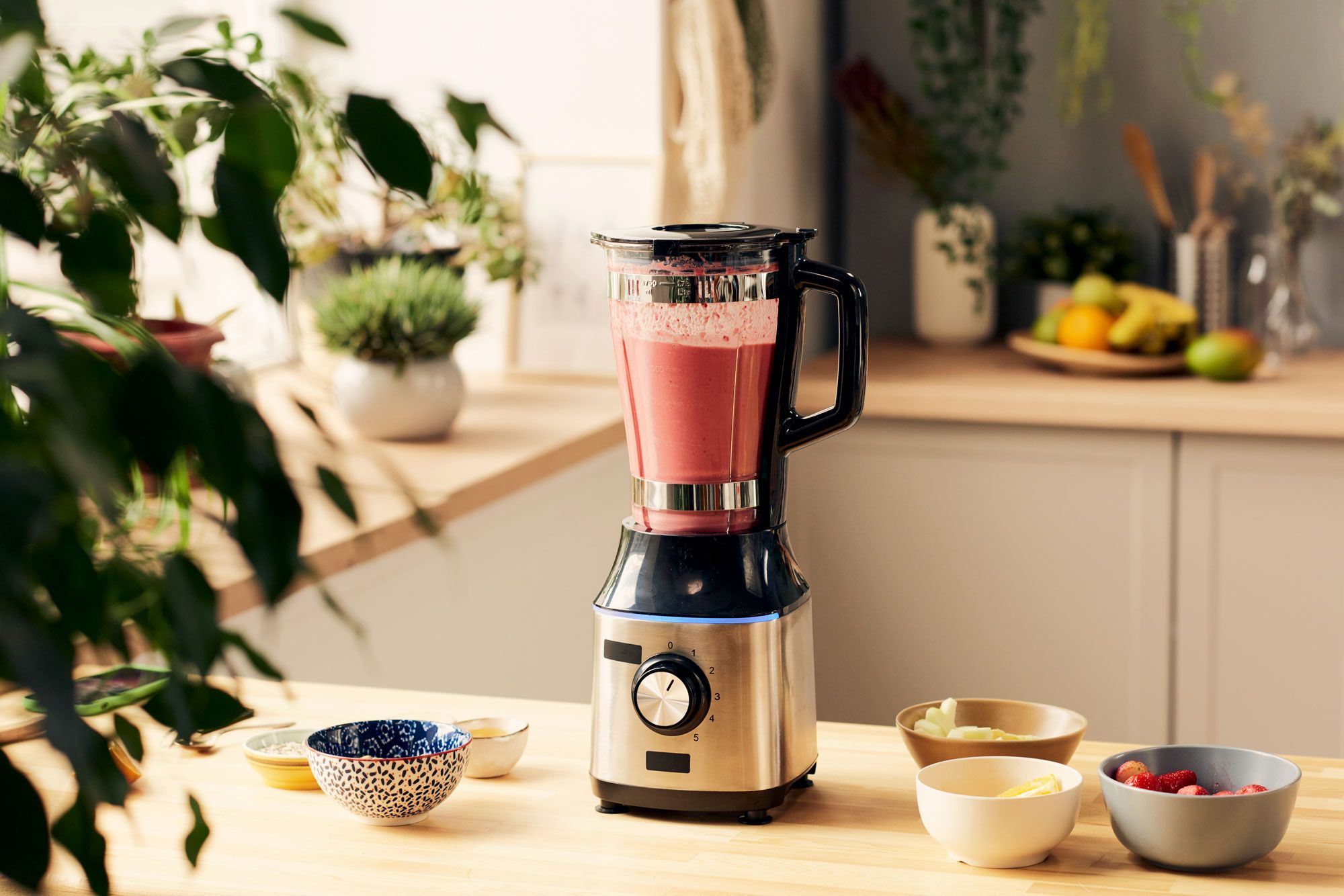
A blender sits on a countertop surrounded by bowls and plants
Better Report

Your kitchen may be dirtier than you think. Regular use of common kitchen items can spread germs, bacteria, and mold — all things that no one wants on their clean dishes or, even worse, in their prepared dishes. Luckily, establishing effective cleaning methods will leave your kitchen tools not only spic-and-span, but also sanitized.
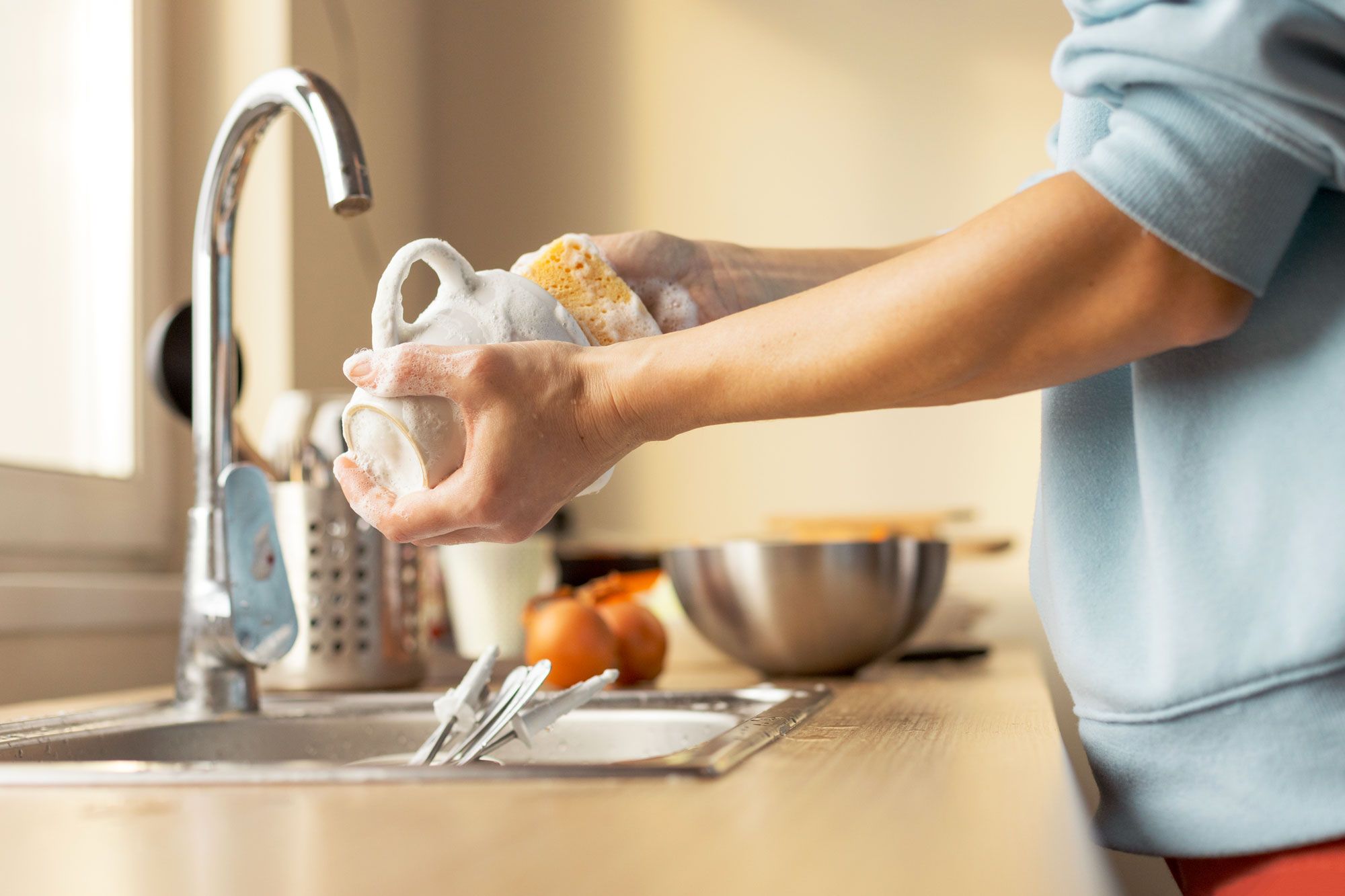
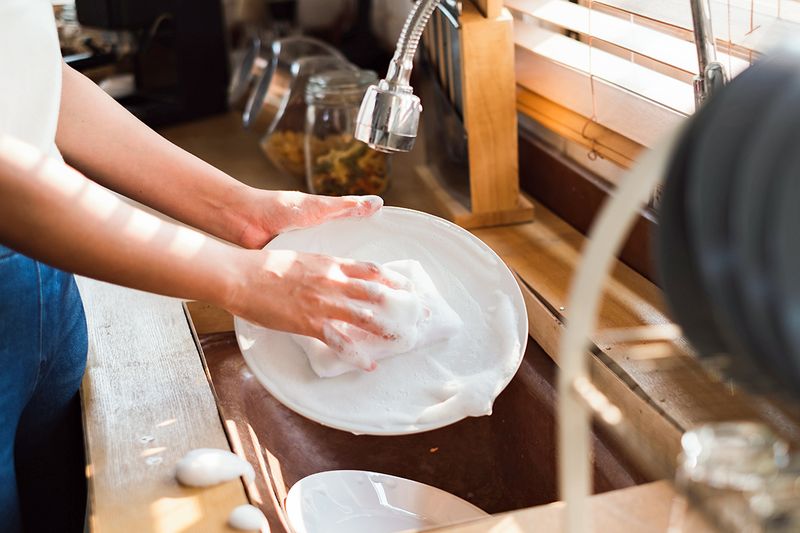
A person with rolled up sleeves washes dishes at the sink
Credit: brusinski/ iStock

Kitchen Sponges

It might surprise you that sponges are the dirtiest kitchen item. A kitchen sponge may contain multiple types of bacteria, which can then spread when you wipe dishes, counters, and other surfaces.

Instead of trying to clean kitchen sponges, it’s better to replace them every two weeks. Another more eco-friendly option is to buy washcloths instead. Washcloths can be regularly laundered and bleached in your washing machine, effectively killing germs and bacteria.
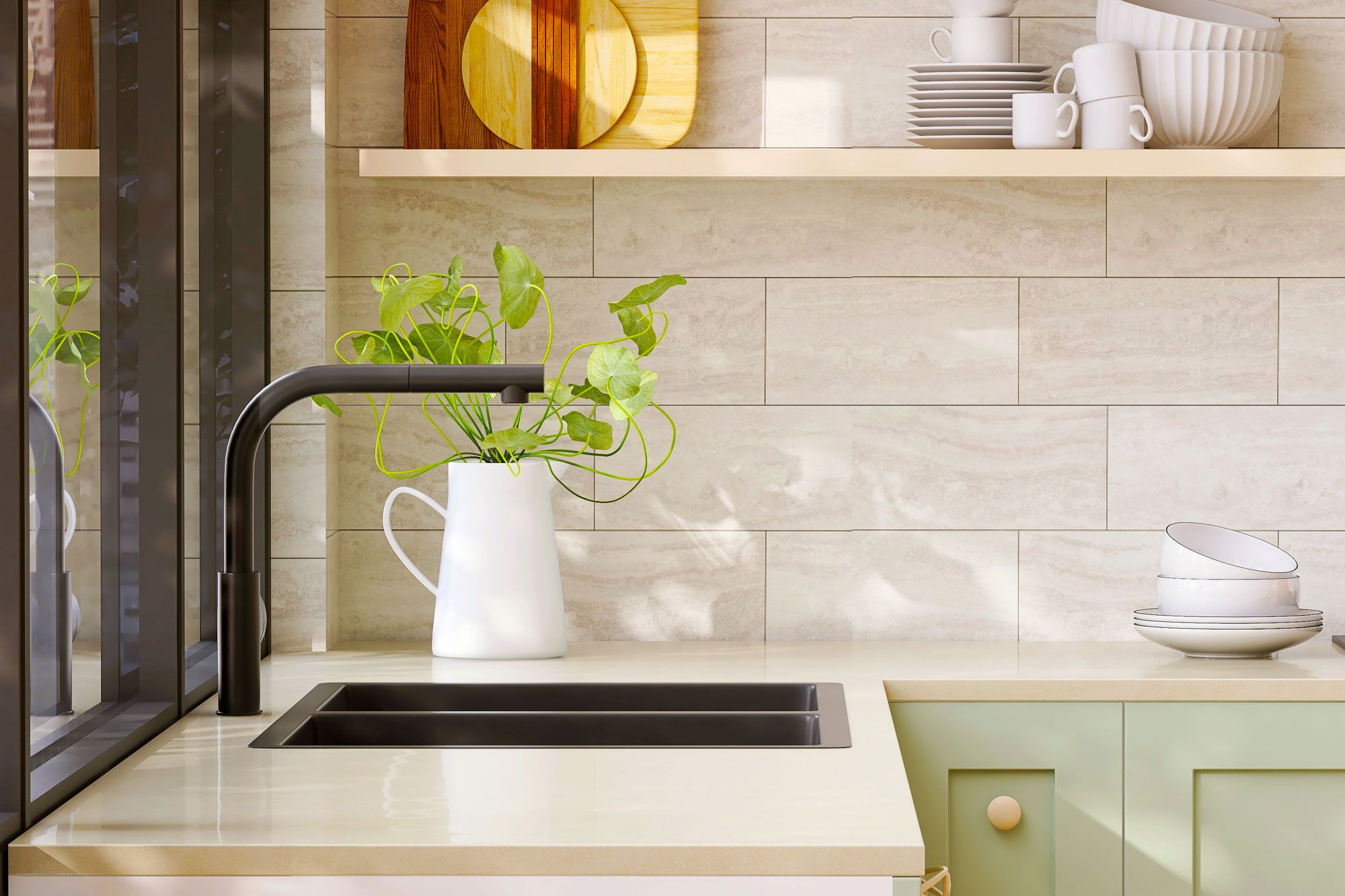
An image of a kitchen sink and faucet
Credit: Suchada Tansirimas/ iStock

The Kitchen Sink

Your kitchen sink is where you wash up, so it should be clean, right? Unfortunately, stacks of dirty dishes and pans, utensils that have touched raw meat and poultry, and rinse-off from various food items result in the sink being one of the dirtiest places in a kitchen.

Advertisement

To ensure your sink is truly clean, you’ll want to scrub it at least once a week with a disinfecting cleaner that contains bleach. You can also wipe your sink, faucet handles, and the surrounding countertops with a disinfecting wipe or a hot soapy cloth after meal prep each day. Don’t forget to sanitize your sink’s drain and disposal — this can be done by pouring a mixture of bleach and water down the drain once a month.
Advertisement
Advertisement
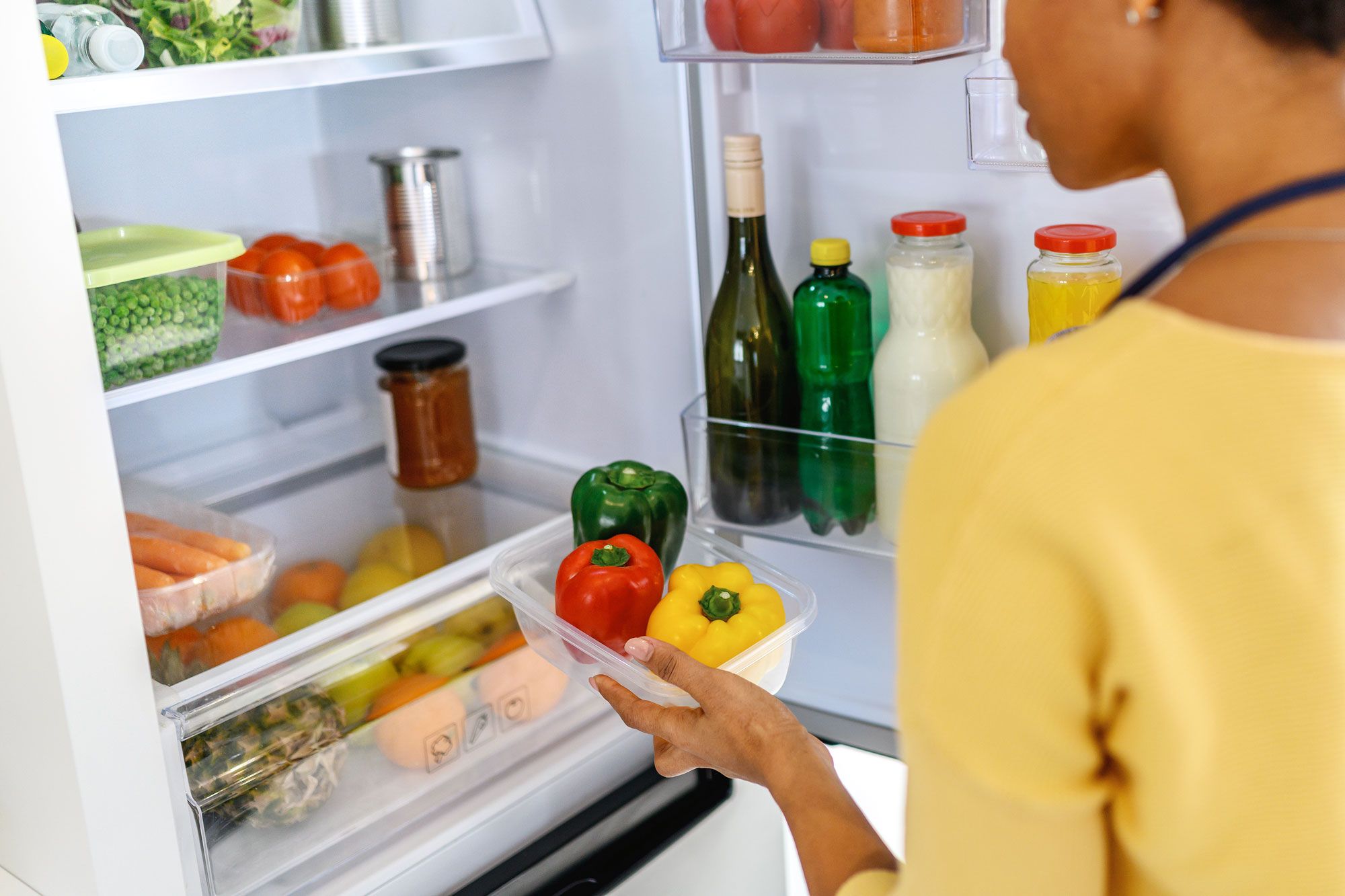
A woman prepares to put a container of bell peppers into the refrigerator
Credit: bluecinema/ iStock

The Refrigerator

Food-borne pathogens often reside in refrigerators. The vegetable drawer is the dirtiest spot in the fridge, with dangerous bacteria, salmonella, and mold transferring to new produce as quickly as you buy it.

To clean this part of the fridge, slide the compartment out of your refrigerator and use a washcloth to clean the drawer with dish soap and warm water. Wait until it’s fully dry before putting it back in the fridge. You should clean this compartment (and other drawers, such as the meat compartment) every month before purchasing new fruits and veggies.
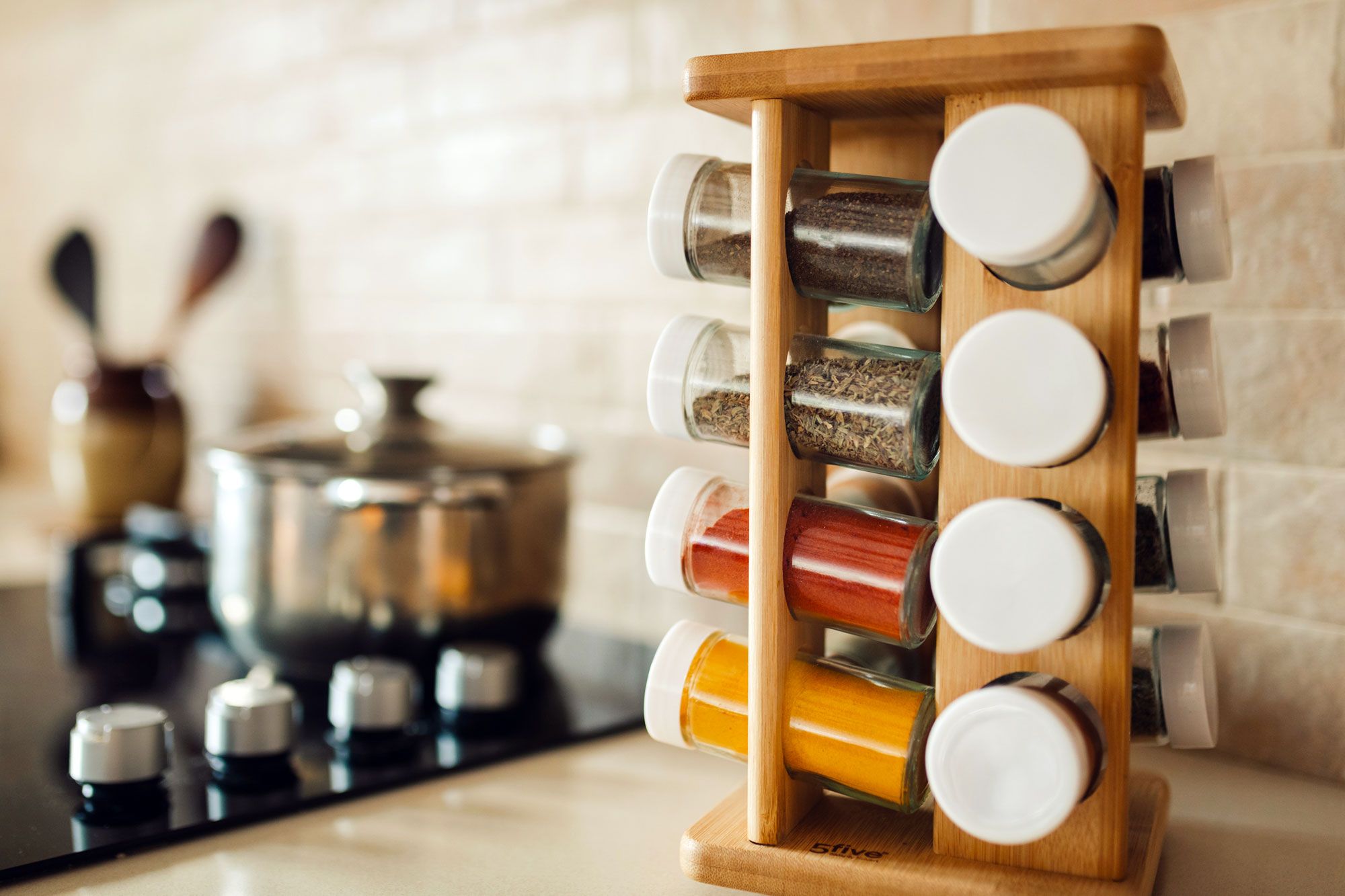
An image of a spice rack
Credit: Vasil Dimitrov/ iStock

Spice Jars

According to a surprising study, spice jars may be one of the dirtiest items in your kitchen. Researchers learned that spice jars often get cross-contaminated with bacteria while we prepare food.

Fortunately, you can fix this issue by making sure your hands are clean whenever you handle a spice. You can also clean the jars with a soapy cloth or a disinfecting wipe. As always, make sure jars are completely dry before you set them back in their rack.

Recommended Articles

  • Why Does Your Sink Have a Tiny Hole?

  • Are You Overpaying on Your Mortgage?

  • 7 Things a Chef Never Orders at a Restaurant

  • 5 Things You Should Never Buy During Labor Day Sales (and What To Get Instead)

Advertisement
Advertisement

Reader Favorites

  • Popcorn in a bowl

    7 ‘Bad’ Foods That Are Actually Good for You

  • Woman looking in fridge

    9 Foods You Should Toss ASAP if They’re Expired

  • Person sipping beer

    The Least Healthy Alcoholic Beverages

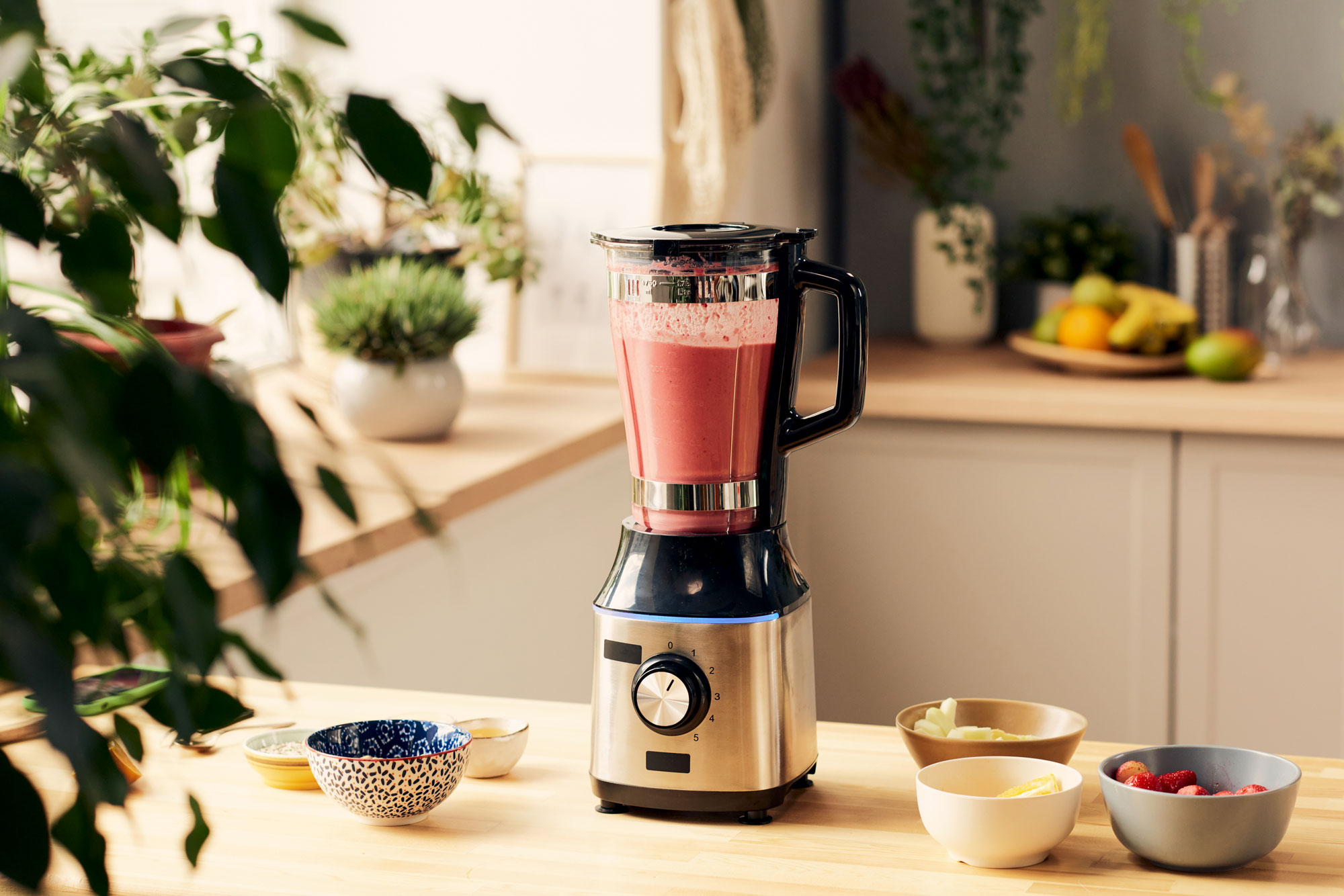
A blender sits on a countertop surrounded by bowls and plants
Credit: shironosov/ iStock

Blenders

A blender’s gasket (or the rubber ring that separates the blades and the jar) forms a seal to prevent leaks when the blender is in use. However, the gasket itself comes in contact with whatever you’re blending, from smoothies to soup. If you don’t fully clean the blender after use, the gasket can spread bacteria, yeast, and mold to anything else you blend afterward.

Advertisement

Fortunately, cleaning this is pretty simple. Unscrew your blender from the base with the blades and remove the rubber gasket. Wash the lid, jar, blades, and gasket in hot soapy water or your dishwasher. Reassemble the blender once all parts are completely dry. While you can’t submerge the base and cord in water, don’t forget to wipe them off—you never know where droplets or crumbs may have landed.

Featured Image Credit: shironosov/ iStock

More From Our Network

Better Report is part of Inbox Studio, an email-first media company. *Indicates a third-party property.

Go Retro With This 1960s Fashion Quiz

Quiz Daily

Go Retro With This 1960s Fashion Quiz

True or False: Are You a Master of U.S. Geography?

Travel Quiz

True or False: Are You a Master of U.S. Geography?

5 Reasons You Can Be Denied Boarding an Airplane

Daily Passport

5 Reasons You Can Be Denied Boarding an Airplane

What Did People Do Before Eyeglasses?

History Facts

What Did People Do Before Eyeglasses?

How To Use a Balloon To Clean Up Dust

House Outlook

How To Use a Balloon To Clean Up Dust

11 Shopping Hacks Costco Members Should Know

FinanceBuzz*

11 Shopping Hacks Costco Members Should Know

Share this article

  • Share to Facebook
  • Share to Twitter
  • Copy Url
  • Share to Email
Sara Kettler
Writer

Sara Kettler is a Connecticut-based freelance writer and editor who also pens mystery novels. She likes dogs, Broadway shows, and studying foreign languages.

This article is for general informational purposes only.
Affiliate Disclaimer Medical Disclaimer Financial Disclaimer

Updated: August 7, 2023
Posted In: Home
Hero Image Credit: Better Report
Advertisement

Related Articles

Why Does Your Sink Have a Tiny Hole?

3 min read

Is Hard Water Ruining Your Clothes?

3 min read

9 Fall Cleaning Tasks You Shouldn’t Neglect

6 min read

The Ideal Thermostat Setting for Fall

5 min read

Do You Actually Need To Preheat Your Oven?

3 min read
Advertisement
  • Home
  • Health
  • Wealth
  • Logo
  • Advertise
  • About
  • Contact Us
  • Privacy Policy
  • Terms of Use
  • Your Privacy Choices
x
Thumb Image

Elevate your everyday.

Sign up to receive the practical tips and expert advice you need to pare down the complexities of everyday living right in your inbox.

Sorry, your email address is not valid. Please try again.

Your email is:

Edit Image
Sorry, your email address is not valid. Please try again.
Thank you for subscribing...

By subscribing you are agreeing to our Terms of Use and Privacy Policy.

Close image
Thumb Image
Second Thumb Image

Elevate your everyday.

Sign up to receive the practical tips and expert advice you need to pare down the complexities of everyday living right in your inbox.

Sorry, your email address is not valid. Please try again.

By subscribing you are agreeing to our Privacy Policy and Terms of Use.

Close image