5 Things To Ask Your Doctor About the New Flu Shot


Along with pumpkin pie and holiday shopping, peak flu season is just around the corner. A new flu vaccine based on mRNA technology, the same kind used in the highly effective COVID-19 vaccines, is the biggest development on the flu front this year — and offers another option for preventing the viral infection in older adults.
Here are five important questions to ask your doctor or pharmacist about the new shot and how it can protect you from serious illness.

How Are This Year’s Flu Shots Different From Last Year’s?
The new flu shot from Moderna, called mFLUSIVA, is the first to use mRNA technology. Unlike previous flu vaccines, it doesn’t contain part of a weakened or dead virus to kick-start your immune response. mFLUSIVA works by delivering genetic “instructions” that tell your body to make a harmless flu virus protein. Your immune system then produces antibodies against the protein.
Other flu vaccines made the traditional way are still available. According to Stephen Thacker, M.D., associate professor of pediatrics and a pediatric infectious disease physician at the Medical University of South Carolina in Charleston, all of the 2026–2027 flu vaccines are trivalent, meaning they target the three subtypes of influenza A and B viruses most likely to cause flu outbreaks in humans this year.
You might want to ask your doctor about AstraZeneca’s FluMist, a relatively new flu vaccine that comes in a nasal spray. It can be self-administered or dispensed by a caregiver and promises to expand access to flu vaccination because it doesn’t require a pharmacy or doctor’s office visit, Thacker says. (You’ll still need a prescription, though.)
How Effective Is the New mRNA-Based Flu Vaccine?
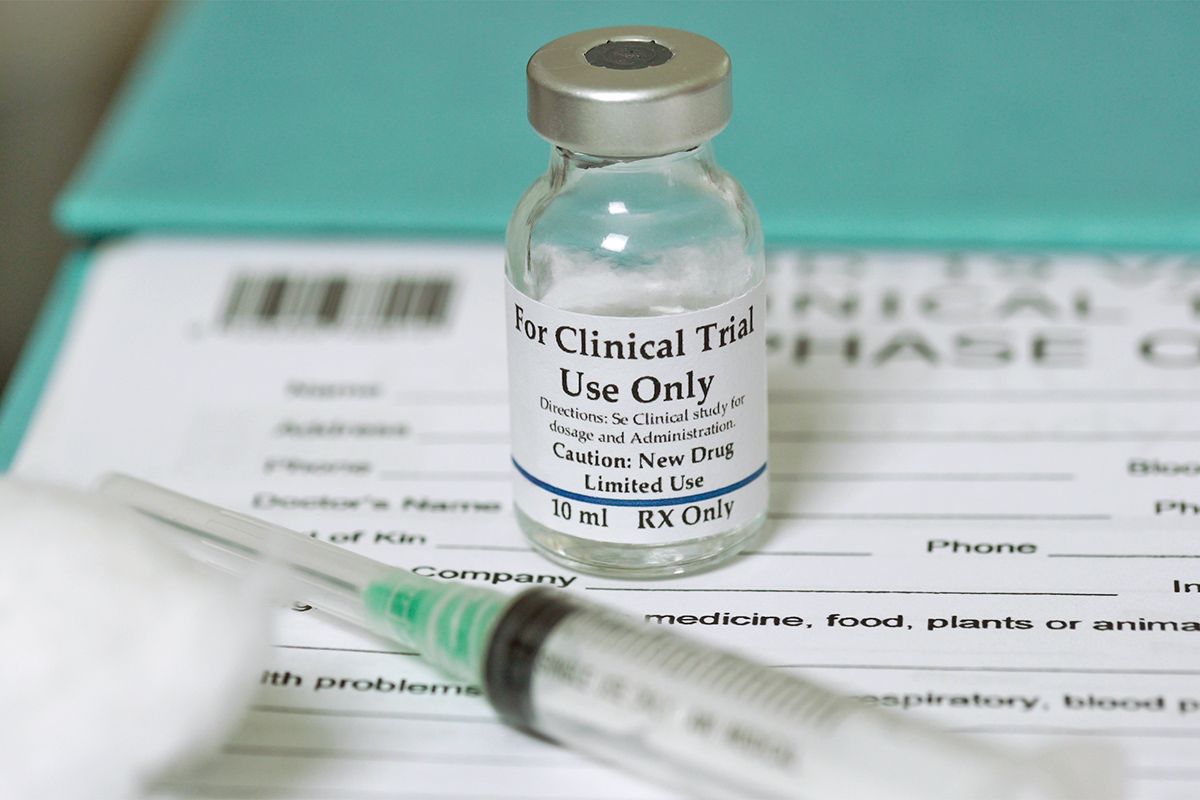
Moderna conducted clinical trials to obtain FDA approval of its mRNA vaccine. One trial included 40,805 adults 50 and older in 11 countries and evaluated the safety and efficacy of mFLUSIVA. About half of the participants received mFLUSIVA, and half got a regular, standard-dose flu shot. After six months, 411 people in the mFLUSIVA group had caught the flu compared to 557 in the standard group. mFLUSIVA was about 26% more effective in people ages 50 to 64.

Reader Favorites



“That’s a hopeful sign. We have a more beneficial tool to protect those folks in that age group,” Thacker says. Older adults make up most of the annual flu-related hospitalizations and fatalities, according to the CDC. In the 2024–2025 flu season (the most recent for which data is available), adults ages 50 to 64 accounted for 20% of hospitalizations and 21% of deaths, and those 65 and older accounted for 57% of hospitalizations and 71% of deaths.
But we won’t know exactly how effective any of the vaccines will be against this year’s viruses, he adds, until the flu season gets underway. That’s because public health officials review global and U.S.-based health data before each flu season and have to make educated guesses about which flu types will be most prevalent.

Can I Get the New Flu Shot?
The CDC recommends flu vaccination for anyone 6 months and older (unless there’s a contraindication to vaccination in their medical history). mFLUSIVA is fully FDA-approved for everyone ages 50 to 64. For those 65 and older, the agency has given “accelerated approval.” People in this age group can receive mFLUSIVA while clinical studies of its effectiveness against severe illness and death continue.
According to Thacker, the new mRNA vaccine may not be available everywhere, as many places have already ordered vaccines for this year, and the rollout may take time. In that case, people over 65 can also receive one of two FDA-approved traditional flu shots designed to provoke a strong immune response. Older people tend to have weaker immune reactions to vaccines, and these shots have been shown to lower the risk of flu-related hospitalization.
People younger than 50 can opt for one of the traditional flu shots or the FluMist nasal spray, according to their physician’s recommendations.

What Are the Side Effects — And Can I Avoid Them?
Any flu shot might result in temporary side effects, including pain and inflammation at the injection site, body and joint aches, fever, or fatigue. Moderna’s clinical trials showed that side effects from the mRNA vaccine occurred about twice as often as those from the standard vaccine and most were mild to moderate.
While unpleasant, feeling feverish and under the weather for a day or two means your immune system is working as it should. “The goal with any vaccine is to lean on how our immune system functions, and inflammation is part of that,” Thacker says, noting that swelling, redness, and body aches are signs that antibodies are “seeing the targets” and responding robustly.
Ice packs or damp towels might ease injection site discomfort, and staying hydrated is important. You may want to ask your health care provider about taking over-the-counter pain relievers as well.

When Should I Get Vaccinated?
Flu season typically lasts from October to April, and the best time to get vaccinated depends on where you live and how prevalent the flu virus is in the area — questions that your doctor can answer. “This is a really good time to connect with your primary care physician” to discuss the options, Thacker says.
As a general rule, according to Thacker, any given flu season tends to see two “spikes” in the number of cases: the first in October and November with influenza A circulating, and the second in January and February with influenza B. Consult with your doctor about the best time for you to get vaccinated.
Featured Image Credit: © SrdjanPav—E+/Getty Images
More From Our Network
Better Report is part of Inbox Studio, an email-first media company. *Indicates a third-party property.







Kat Long is a freelance science journalist in the Washington, D.C. area. Previously, she was the science editor at Mental Floss and a digital editor at National Geographic. She now writes the Arctic Archives newsletter on Substack. Kat spends her free time birdwatching, road-tripping to historical sites and perusing old manuscripts at libraries.
This article is for general informational purposes only.
Affiliate Disclaimer Medical Disclaimer Financial Disclaimer