Why Are Foods Recalled?

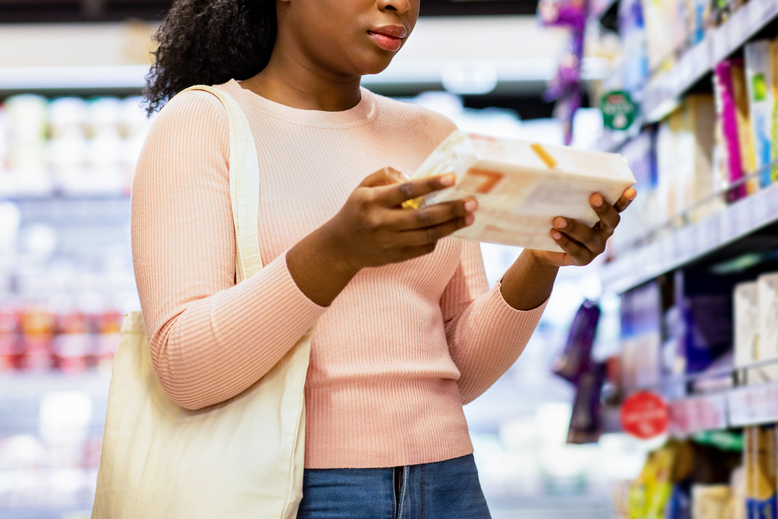
Picture this: After a long day, you’re finally sitting down to dinner. The table is set, the evening news is on in the background, and you’re hungry. But just before you bite into your meal, the TV catches your attention with information about yet another food recall warning. How does that happen, and what does it mean when food is recalled? Here’s what you need to know about the FDA’s contaminated food product warnings and what to do if an item you’ve purchased is being pulled from store shelves.
What Is a Food Recall?
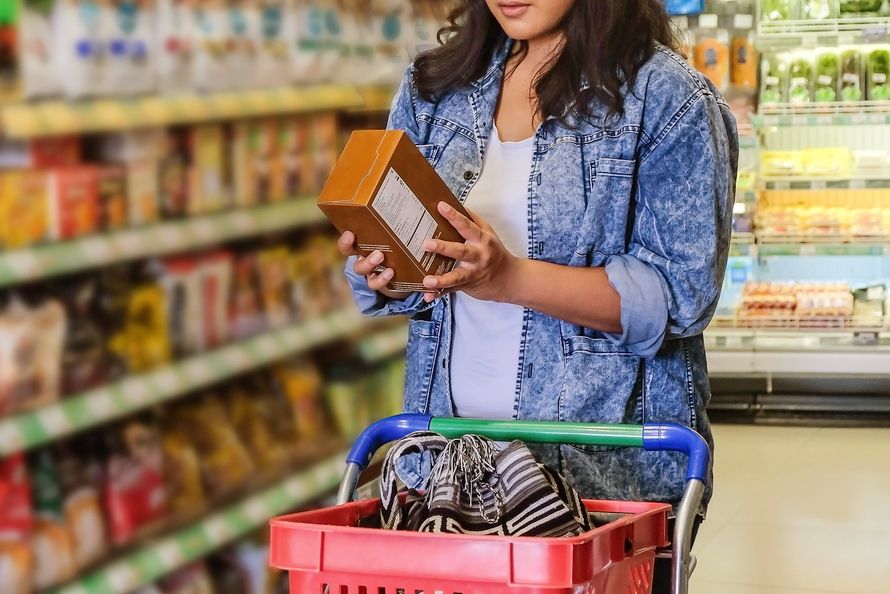
Food recalls sound pretty straightforward. Food gets contaminated during some stage of the production process, the FDA steps in, and the items are removed from shelves to keep people safe, right? But the food recall process can actually get a bit murky for shoppers due to two terms: “voluntary” and “mandatory.” Hearing a food recall described as “voluntary” may trick you into thinking you can ignore it. However, these designations have nothing to do with levels of safety or risk — they’re used to describe who is initiating the recall.
What’s the Difference Between a Voluntary and Mandatory Recall?
Voluntary recalls happen when a food manufacturer or distributor discovers a safety or mislabeling issue with its product. From there, the company notifies the FDA about the problem, and together, they issue a voluntary recall, meaning the manufacturer voluntarily came forward to report the problem. Mandatory recalls, however, are a much bigger deal in that they’re initiated and enforced by the FDA or another government agency, usually after an investigation determines that a food item is significantly risky to consumers, potentially causing bodily harm, illness, or even death.
Why Are Some Foods Recalled?
There are many reasons why food gets recalled, and you’ve probably heard some of them before. One of the most common is “extraneous materials” — aka foreign objects mixed into food. In 2022, there were more recalls for non-food fragments than bacterial contamination, and some of those items included plastic, glass, and metal shards, even rocks and wood. These inedible bits often make their way into food from broken food processing equipment and machinery or are missed when harvested foods come in from fields. Still, recalls exist for other reasons, too, like E. coli and salmonella contamination or labeling errors that fail to mention common food allergens like nuts or dairy.

Reader Favorites



Here’s What You Should Do if Your Item Has Been Recalled
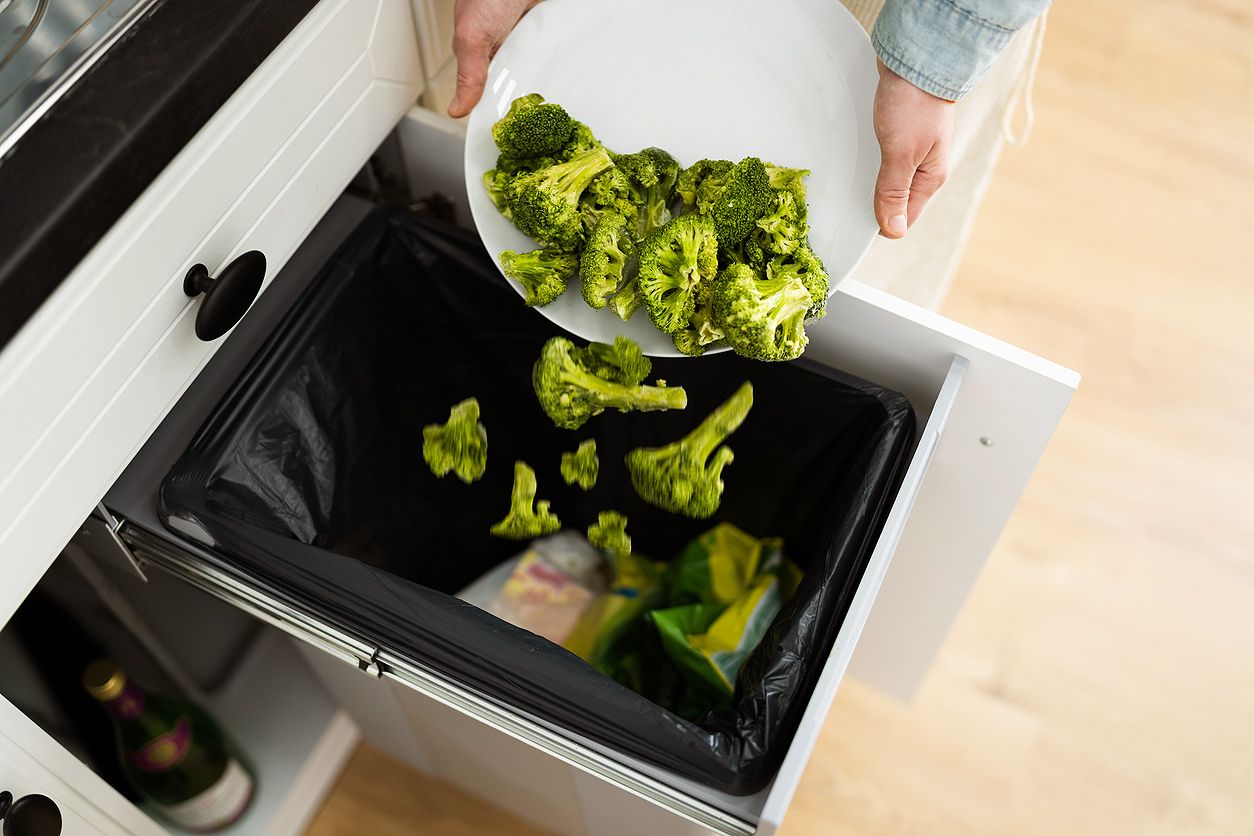
Food recalls happen often — in 2023, the FDA and the United States Department of Agriculture (USDA) reported 313 food recalls — so it’s important to know what to do if an item in your fridge or pantry is suddenly deemed unsafe. First, read through the recall notice and follow any instructions from the manufacturer and FDA. (You can find information on recalls at FoodSafety.gov or search through every recalled food on the FDA’s Recalls, Market Withdrawals, and Safety Alerts website.) This often includes throwing the food in the trash or returning it to the store for a refund. When food is recalled for bacterial contamination, sanitize surfaces where you stored the products to prevent potential spread. If you’ve unknowingly eaten a recalled item, don’t panic. Instead, monitor for any symptoms and report them to your doctor if they occur.
Featured Image Credit: Prostock-Studio/ iStock
More From Our Network
Better Report is part of Inbox Studio, an email-first media company. *Indicates a third-party property.






Nicole Garner Meeker is a freelance writer, research editor, and Inbox Studio contributor. Based in St. Louis, she’s an enthusiastic gardener, fiber artist, and connoisseur of fine snacks.
This article is for general informational purposes only.
Affiliate Disclaimer Medical Disclaimer Financial Disclaimer