Skip to content
Better Report
  • Home
  • Health
  • Wealth
Why You Shouldn’t Use a Wooden Cutting Board
  • Search
  • Subscribe
  • Home
  • Health
  • Wealth
  • About
  • Privacy Policy
  • Terms of Use
  • Contact Us
  • SubscribeSubscribe
  • Search
Thank you for confirming your email! Welcome to the community.
Advertisement

Why You Shouldn’t Use a Wooden Cutting Board

Home | Updated: April 17, 2024
Rachel Gresh
Author
Rachel Gresh is a Washington, D.C.-based freelance writer. When she's not writing, you can find her wandering a museum, exploring an unfamiliar city, or baking something new in the kitchen.
Better Report

One of the kitchen’s biggest battles isn’t whether to have chicken or pasta for dinner, but what tool to use when preparing it: a plastic or wooden cutting board? On the one hand, plastic cutting boards can go in the dishwasher, while wooden boards have to be hand-washed. On the other hand, plastic cutting boards are often flimsy and can slip on the counter, while wooden cutting boards are sturdier and safer. While you likely have both in your kitchen, which one should you grab? Hint: Not the wooden one. Read on to find out why.

All featured products and deals are selected independently and objectively by the author. Better Report may receive a share of sales via affiliate links in content.
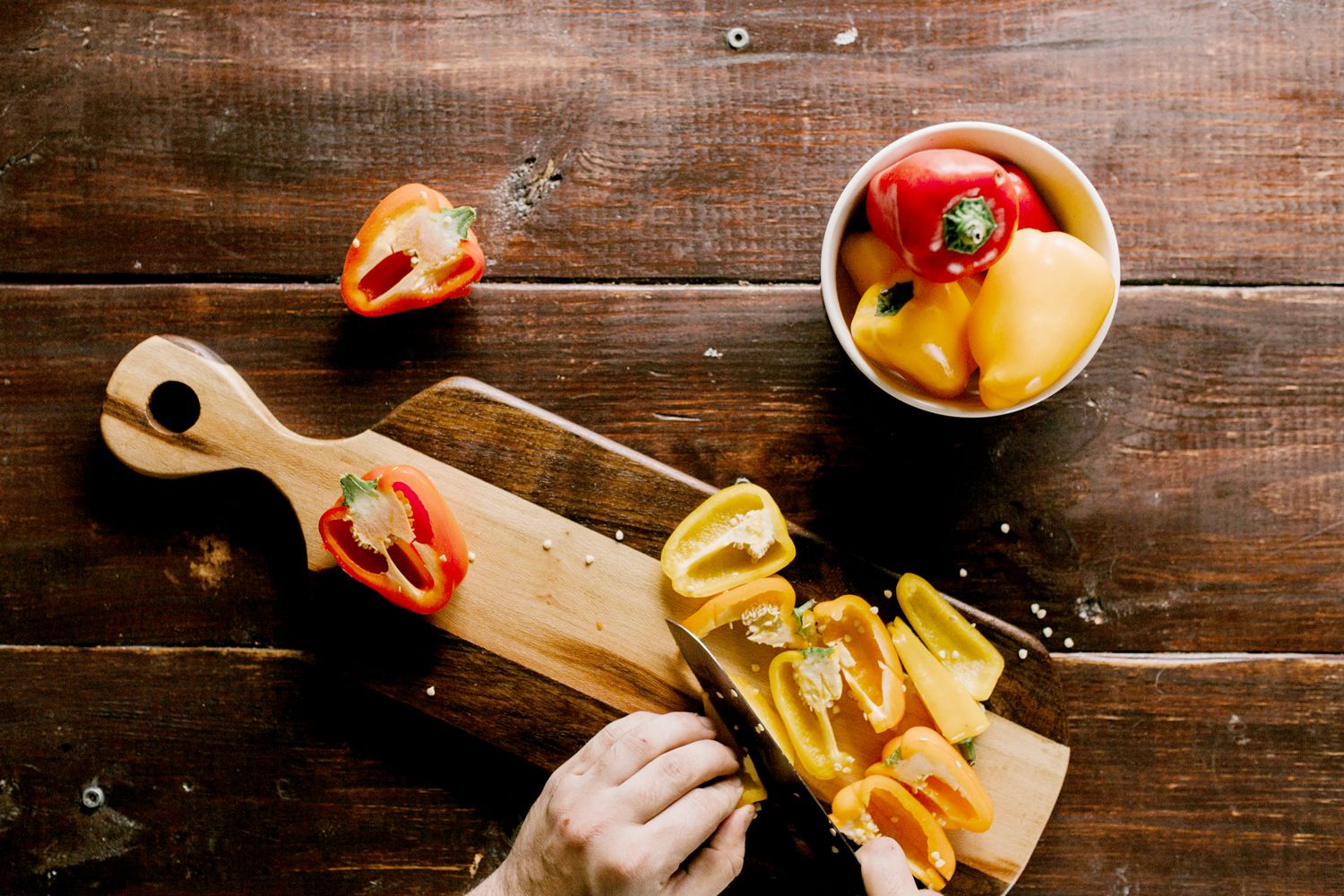
An image of a person chopping bell peppers on a wooden cutting board
Credit: emmafranceslogan/ Unsplash

The Downside of Wooden Cutting Boards

Protecting yourself from bacteria in the kitchen is food safety 101. Unfortunately, using a wooden cutting board can increase your risk of contracting foodborne illnesses like E. coli and salmonella. When you use a cutting board to prepare raw meat, poultry, or seafood, the juice soaks into the material, especially if the cutting board is made from something porous, such as wood. The bacteria, mold, and mildew can linger inside the deep grooves and scratches of the board even after washing it in warm, soapy water. If this bacteria comes into contact with food, it can make you sick.

This is why some cooks prefer plastic cutting boards over wood. According to the USDA, nonporous cutting board materials are easier to clean than porous materials. This means plastic, marble, and glass cutting boards are usually safer than wood, especially when cutting raw meat. Plastic and glass boards also tend to be dishwasher safe, which decreases cleanup time and ensures a more thorough cleaning.
Advertisement
Advertisement
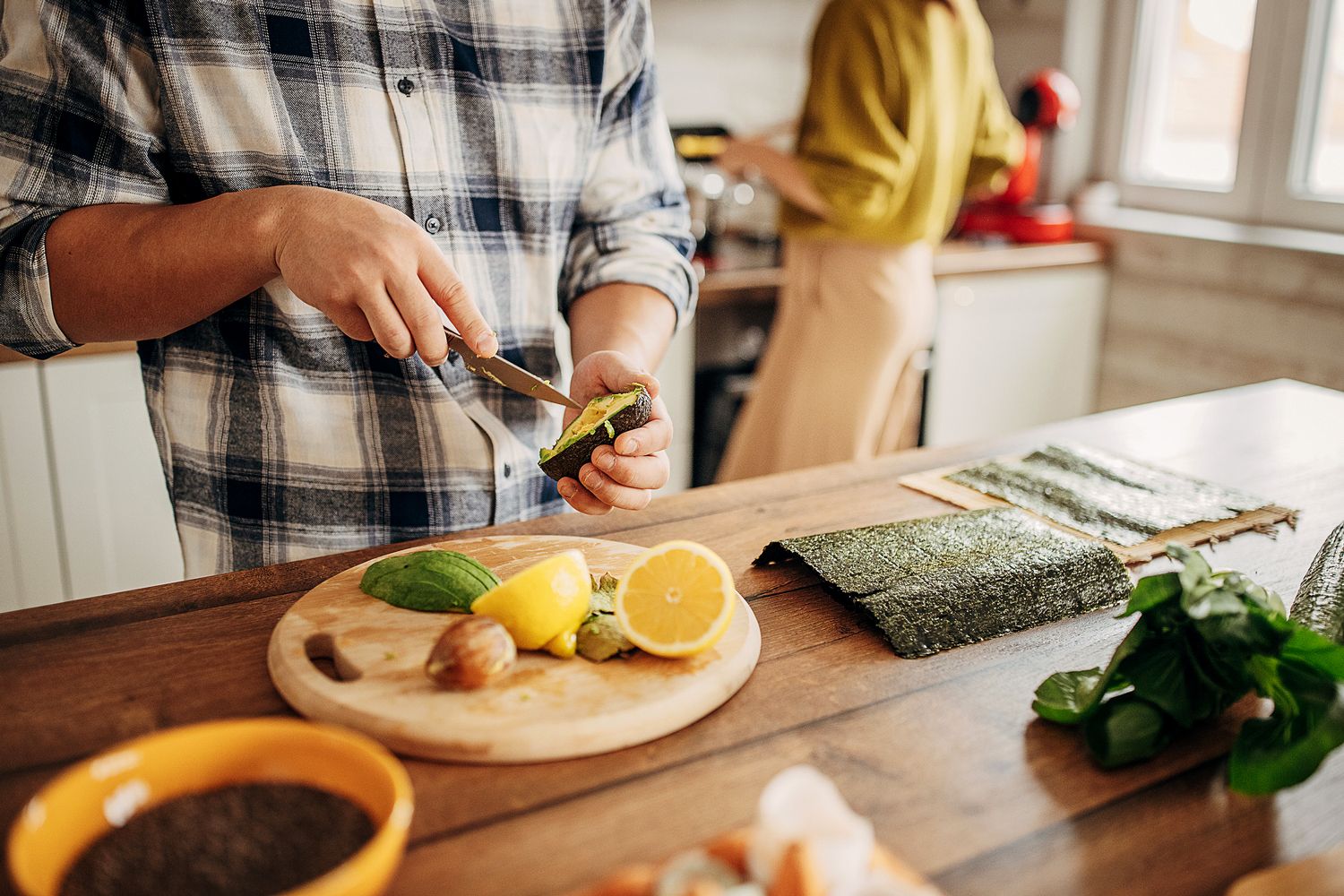
An image of a person cutting vegetables in a kitchen
Credit: South_agency/ iStock

Try These Cutting Boards Instead

If swapping your beloved wooden cutting board for plastic is a deal-breaker, there are ways to improve food safety without compromising quality. Look for hardwood boards, such as maple, walnut, or cherry, because they are less susceptible to deep gouges from knives. Softwoods such as pine, cedar, and oak are better left as decorative kitchen pieces because knives easily create divots in softer materials. 

Advertisement

However, of all the natural options for cutting boards, bamboo is the best. It is harder and less porous than wood, absorbing less moisture and standing up better to constant cutting. It’s a more natural alternative to plastic, more lightweight than marble, and easier on knives than glass.
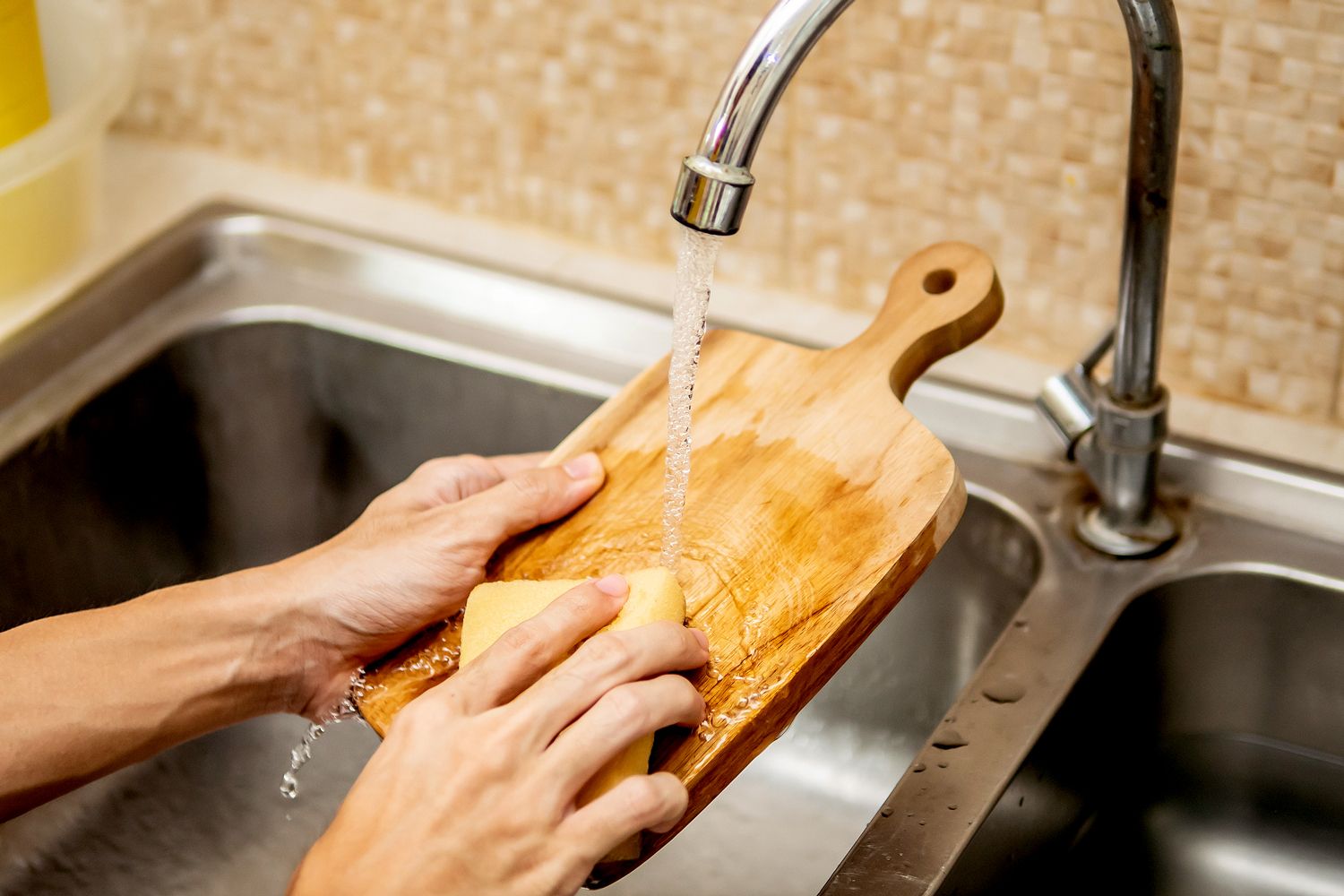
An image of a person washing a wooden cutting board
Credit: Wachiwit/ iStock

Cutting Board Maintenance

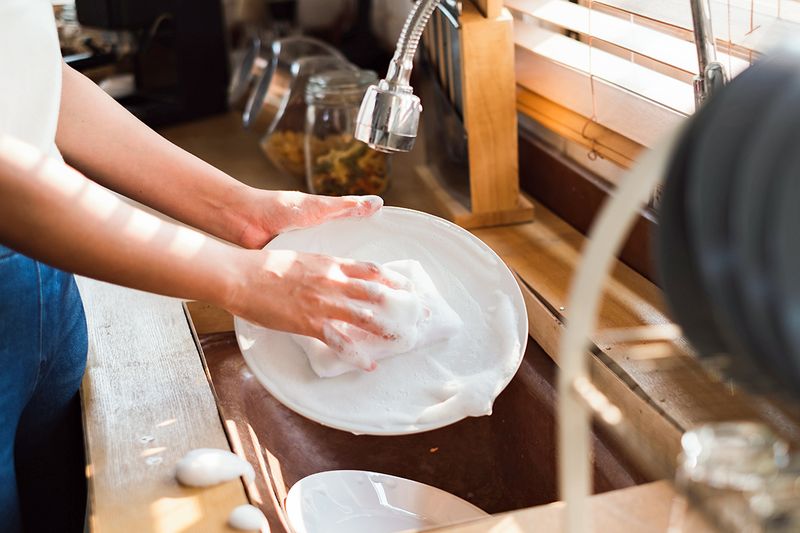
Any cutting board can expose you to bacteria if it isn’t cleaned correctly. For a quick clean after cutting up “safe” foods such as bread, cheese, and produce, scrub the board with hot, soapy water, rinse, and air dry, or put it in the dishwasher if the material is dishwasher-safe. 

Cutting boards should also be sanitized after touching raw seafood, meat, or poultry. Create a solution of 1 tablespoon of unscented, liquid chlorine bleach and 1 gallon of water, soak the board for several minutes, then rinse thoroughly with warm water. After many washes, your board will start looking worn out. As soon as deep groves are set in (they’ll still appear dirty after a good wash), it’s time to swap it out for a new one.

Recommended Articles

  • Why Does Your Sink Have a Tiny Hole?

  • Are You Overpaying on Your Mortgage?

  • 7 Things a Chef Never Orders at a Restaurant

  • 5 Things You Should Never Buy During Labor Day Sales (and What To Get Instead)

Advertisement
Advertisement

Reader Favorites

  • Popcorn in a bowl

    7 ‘Bad’ Foods That Are Actually Good for You

  • Woman looking in fridge

    9 Foods You Should Toss ASAP if They’re Expired

  • Person sipping beer

    The Least Healthy Alcoholic Beverages

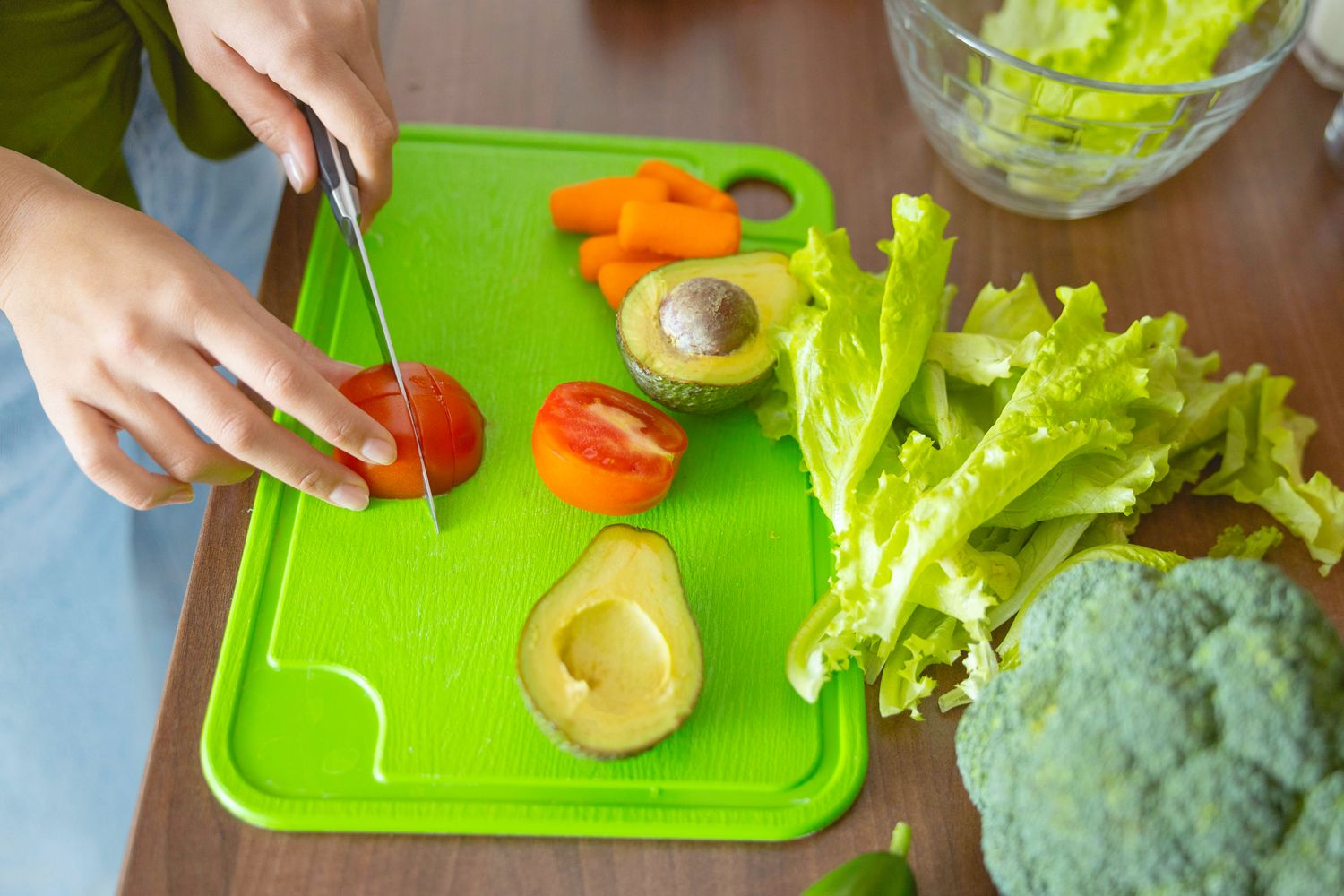
An image of a person cutting vegetables on a green cutting board
Credit: Getty Images/ Unsplash+

Pro Tip: Color-Code Your Cutting Boards

It’s a good idea to have at least two cutting boards, one for raw ingredients and one for ready-to-eat foods. This way, you won’t have to scrub down a cutting board while making your meal. To stay extra organized, use color-coded cutting boards to avoid accidental cross-contamination.

Featured Image Credit: South_agency/ iStock

More From Our Network

Better Report is part of Inbox Studio, an email-first media company. *Indicates a third-party property.

Go Retro With This 1960s Fashion Quiz

Quiz Daily

Go Retro With This 1960s Fashion Quiz

True or False: Are You a Master of U.S. Geography?

Travel Quiz

True or False: Are You a Master of U.S. Geography?

5 Reasons You Can Be Denied Boarding an Airplane

Daily Passport

5 Reasons You Can Be Denied Boarding an Airplane

What Did People Do Before Eyeglasses?

History Facts

What Did People Do Before Eyeglasses?

How To Use a Balloon To Clean Up Dust

House Outlook

How To Use a Balloon To Clean Up Dust

11 Shopping Hacks Costco Members Should Know

FinanceBuzz*

11 Shopping Hacks Costco Members Should Know

Share this article

  • Share to Facebook
  • Share to Twitter
  • Copy Url
  • Share to Email
Rachel Gresh
Writer

Rachel Gresh is a Washington, D.C.-based freelance writer. When she's not writing, you can find her wandering a museum, exploring an unfamiliar city, or baking something new in the kitchen.

This article is for general informational purposes only.
Affiliate Disclaimer Medical Disclaimer Financial Disclaimer

Updated: December 15, 2023
Posted In: Home
Hero Image Credit: Better Report
Advertisement

Related Articles

Why Does Your Sink Have a Tiny Hole?

3 min read

Is Hard Water Ruining Your Clothes?

3 min read

9 Fall Cleaning Tasks You Shouldn’t Neglect

6 min read

The Ideal Thermostat Setting for Fall

5 min read

Do You Actually Need To Preheat Your Oven?

3 min read
Advertisement
  • Home
  • Health
  • Wealth
  • Logo
  • Advertise
  • About
  • Contact Us
  • Privacy Policy
  • Terms of Use
  • Your Privacy Choices
x
Thumb Image

Elevate your everyday.

Sign up to receive the practical tips and expert advice you need to pare down the complexities of everyday living right in your inbox.

Sorry, your email address is not valid. Please try again.

Your email is:

Edit Image
Sorry, your email address is not valid. Please try again.
Thank you for subscribing...

By subscribing you are agreeing to our Terms of Use and Privacy Policy.

Close image
Thumb Image
Second Thumb Image

Elevate your everyday.

Sign up to receive the practical tips and expert advice you need to pare down the complexities of everyday living right in your inbox.

Sorry, your email address is not valid. Please try again.

By subscribing you are agreeing to our Privacy Policy and Terms of Use.

Close image